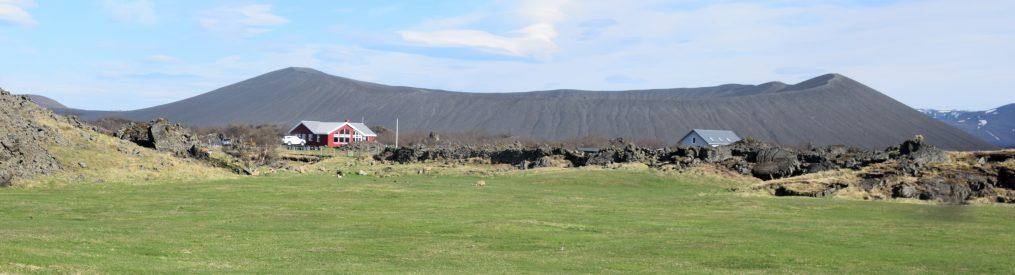
Visits to these two sites that straddle the Berkshire / Hampshire boundary to the south-west of Reading are invariably rewarding. This afternoon I went back to see if any Brilliant Emerald dragonflies were active on the newly opened up “hidden pond”, as referred to in my previous post on Decoy Heath (see here). I didn’t find any but another odo with Emerald in the name was very much to the fore.
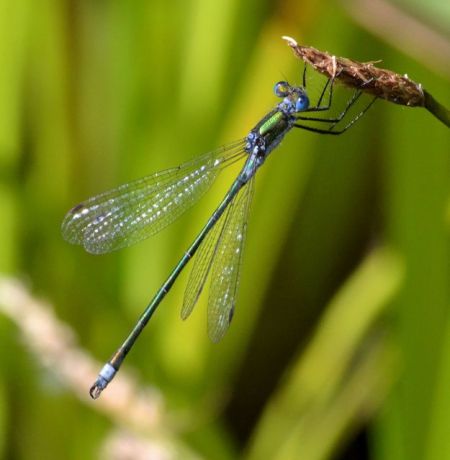
Common Emerald Damselfly
Common Emerald Damselfly (pictured above and below) are a site speciality at this gem of a BBOWT reserve (SU613634). Today they were evident in large numbers. The pond-edge vegetation of the shady, secluded spot that I staked out for a couple of hours offered some photogenic back-drops. I could gladly have stayed for much longer waiting for the insects to settle in the best positions, but available time was limited and I had to be content with these two studies to provide something a little above the median.
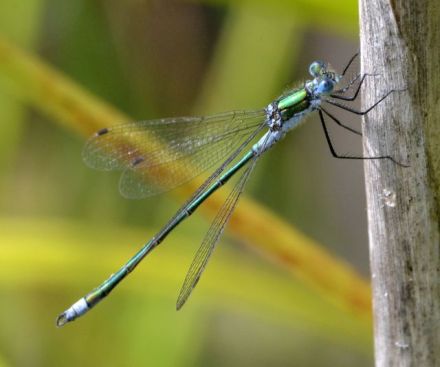
Common Emerald Damselfly
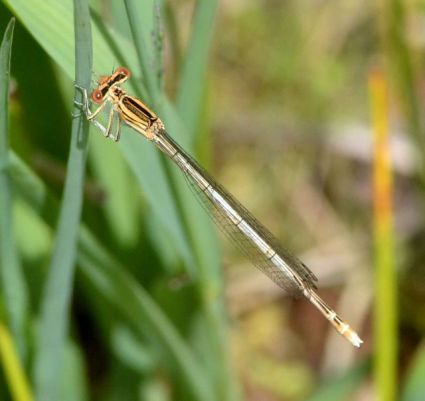
A second notable species here is White-legged Damselfly that kept on being encountered all over the heath as I walked around. As on my previous visit there was a mix (pictured below) of blue-toned adult males and subtly diverse maturing colour forms. This rather ghostly insect is always a pleasure to behold, in my view because of the alluring quality of this variation, and I can never resist taking more pictures of them.
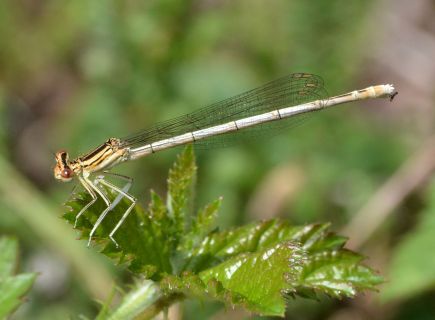
White-legged Damselfly (immature) above and adult male below


White-legged Damselfly (immature)
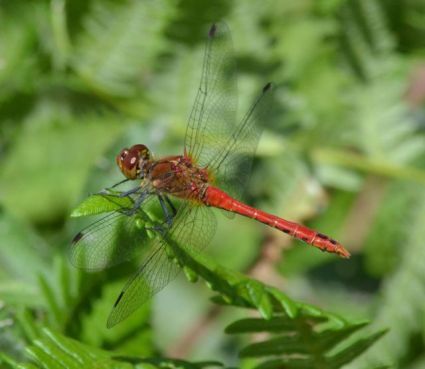
Ruddy Darter is an especially attractive small dragonfly emerging in late summer that always makes for good images if captured well. Today I came across fresh adult males (below) here for the first time this season, a heart gladdening moment. These will continue to fly well into the autumn and attempting to locate them against pleasing back-drops is always motivating. The top picture below is a reasonable start.
Ruddy Darter (male)


Those were the visit’s stand-out experiences in picture terms, but there was a good variety of odonata on show. Blue Emperor, Brown Hawker, Keeled Skimmer, Four-spotted Chaser, Common Darter and Azure Damselfly (above, right) were also noted, and at nearby Silchester Common I gained my first ever site record of Common Goldenring. Even the Large Skipper butterflies by the hidden pond (pictured below) looked interesting as they practised their High Brown Fritillary poses on the bracken. This is a common flutterer of high summer that I’ve seen hundreds of in the last few weeks and don’t usually pay much attention to.


Earlier in the day I had spent an hour at Silchester Common (SU 620624) where the speciality butterfly is Silver-studded Blue. In years past there were lots of them at this site but more recently I have really had to search them out. Today I found just several worn females and one male that was tattier still, so they must have been out for a while. But one fresher individual sat up nicely for the camera and I was able to go in with the macro and acquire my best ever female pictures (below) of this tiny blue.


This is just a short post to update on the situation I found at Decoy Heath back in early June. I cannot recall ever having observed such a quantity and variety of Odonata in a single site visit there as today and the flora is looking fabulous. Hopefully those things are not unconnected with the habitat management work that has been carried out since last year. This is quite simply a stunning little nature reserve.
 Ramblings and Scribblings