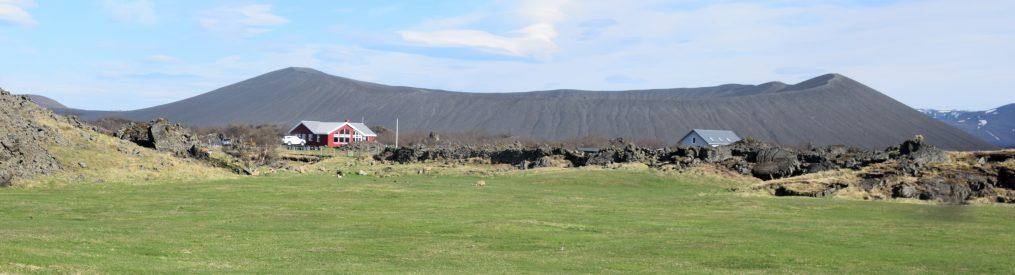
The re-found wanderlust that had seized me in recent days didn’t end with the events of the previous post, as after Ewan called on Sunday to enquire whether I fancied going birding I found myself heading off again for the third time in five days. The options offered were the Hants Wilson’s Phalarope or a Radde’s Warbler in Sussex. As I had already done the first we agreed on the latter of those that might have been a second ever record for both of us. But the excursion’s outcome was eventually something quite different (pictured below).
Mid-Monday morning saw us arrive at Seaford Head (TV499979), where from the public parking area we walked out to a scrubby area in the centre of a golf course. There we found five other birders some of whom had been in place since dawn without re-finding the Radde’s. As in Cambs five days before, another typical Warbler twitch was in progress involving scanning a large area of habitat in the hope of glimpsing a small skulking bird.
It made sense to stick around for a while having come all the way here. There had been a spate of sightings around England of this Siberian breeding drift migrant through the week just passed, but as we waited and checked news from elsewhere it became plain those birds still present on Sunday had mostly moved on. After an hour we gave up on things here too, most of our fellow birders by then having also gone on their way.
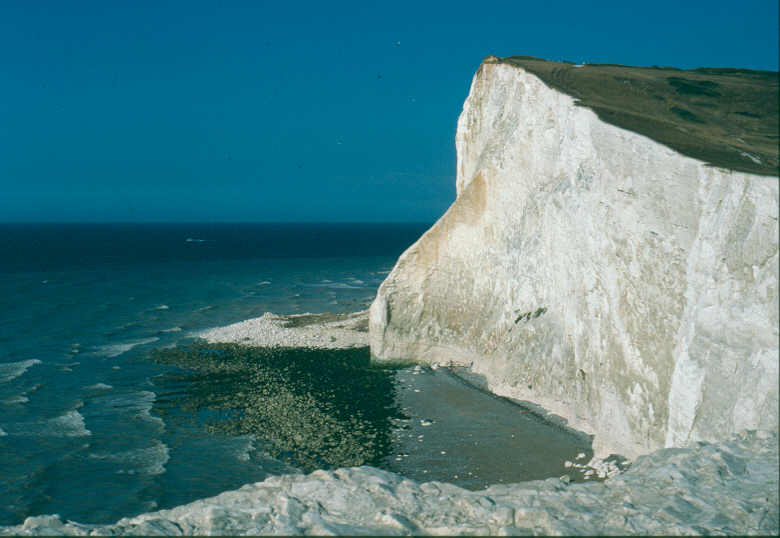
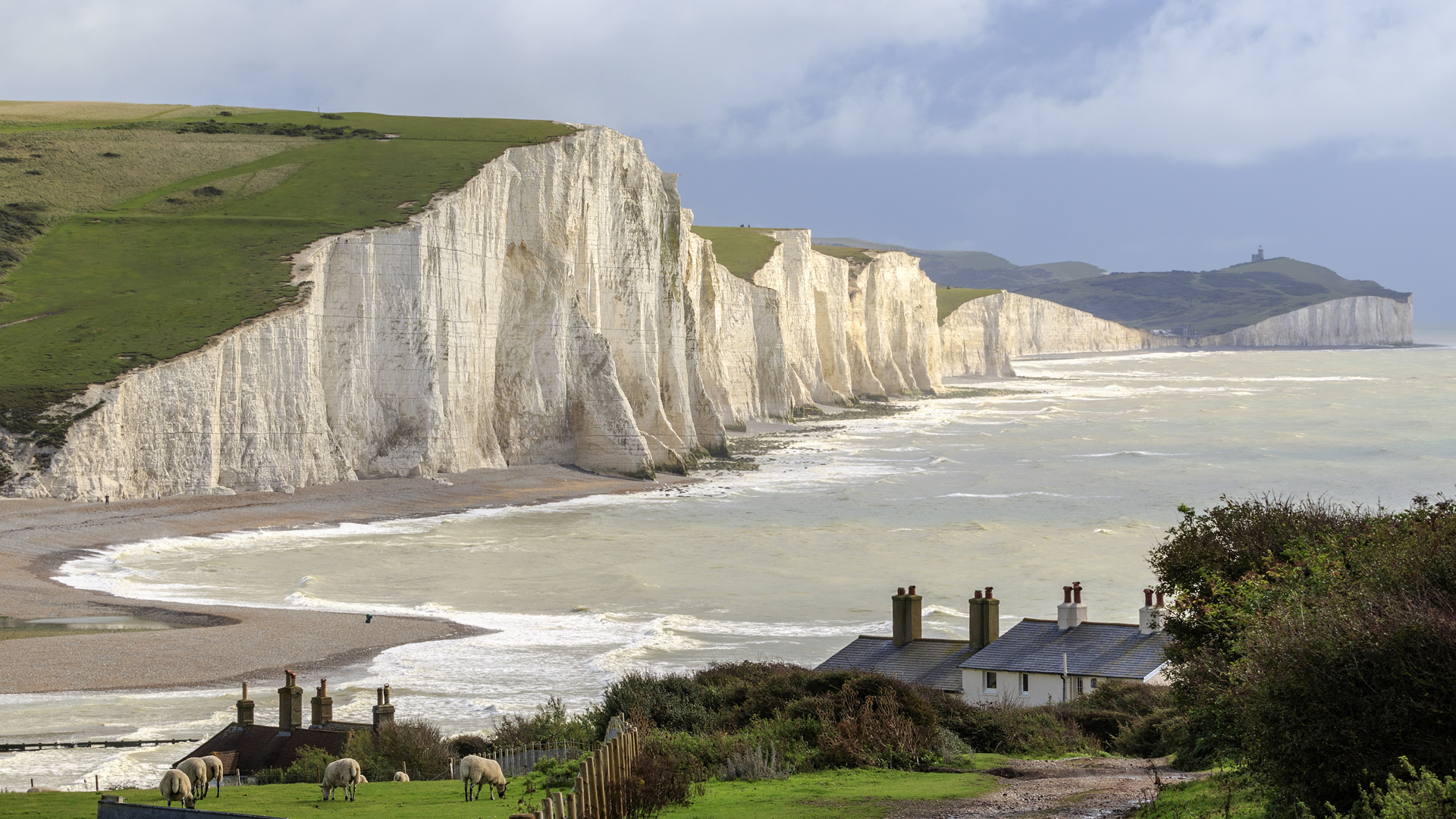
Seaford Head is an impressive sight from distance (pictured above left). I was glad we didn’t need to go near the cliff edge, since vertigo has affected me at other less lofty coastal locations often enough in the past. I also wondered exactly what the rules might be when golf balls are driven over the edge. To the east, the Seven Sisters (above right) stretched away towards the distant Beachy Head along this section of Sussex coastline. Both outsourced pictures are © rights of owner reserved.
The question now was what to do next. Ewan lived in Sussex for some years in the past and has detailed knowledge and long experience of the county’s prime birding locations. I was interested to encounter again the Purple Sandpipers that roost at high tide, and which I observed previously in February 2017, on the east pier of nearby Newhaven’s port area (TQ451000). And though it is early in the PS season and not knowing the present state of the tide we opted to go there and take a look.
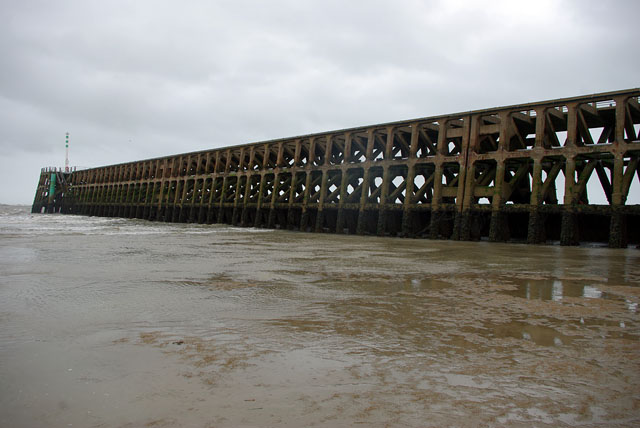
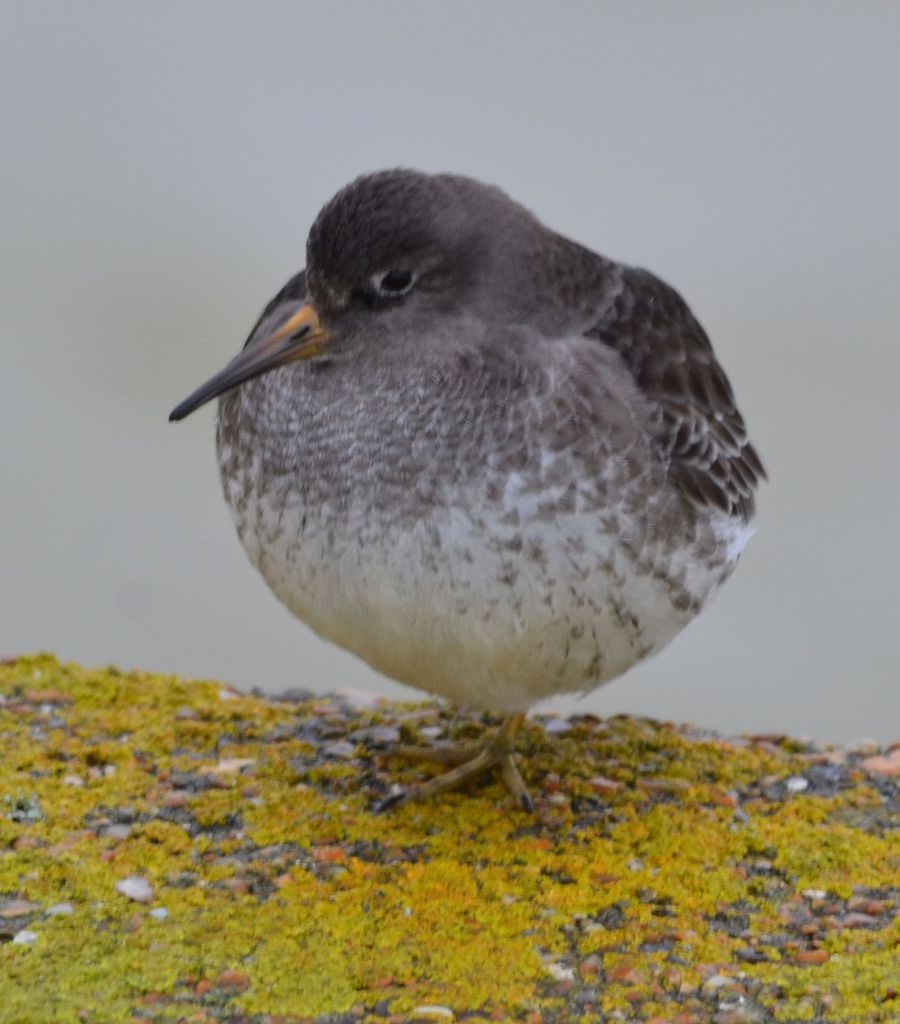
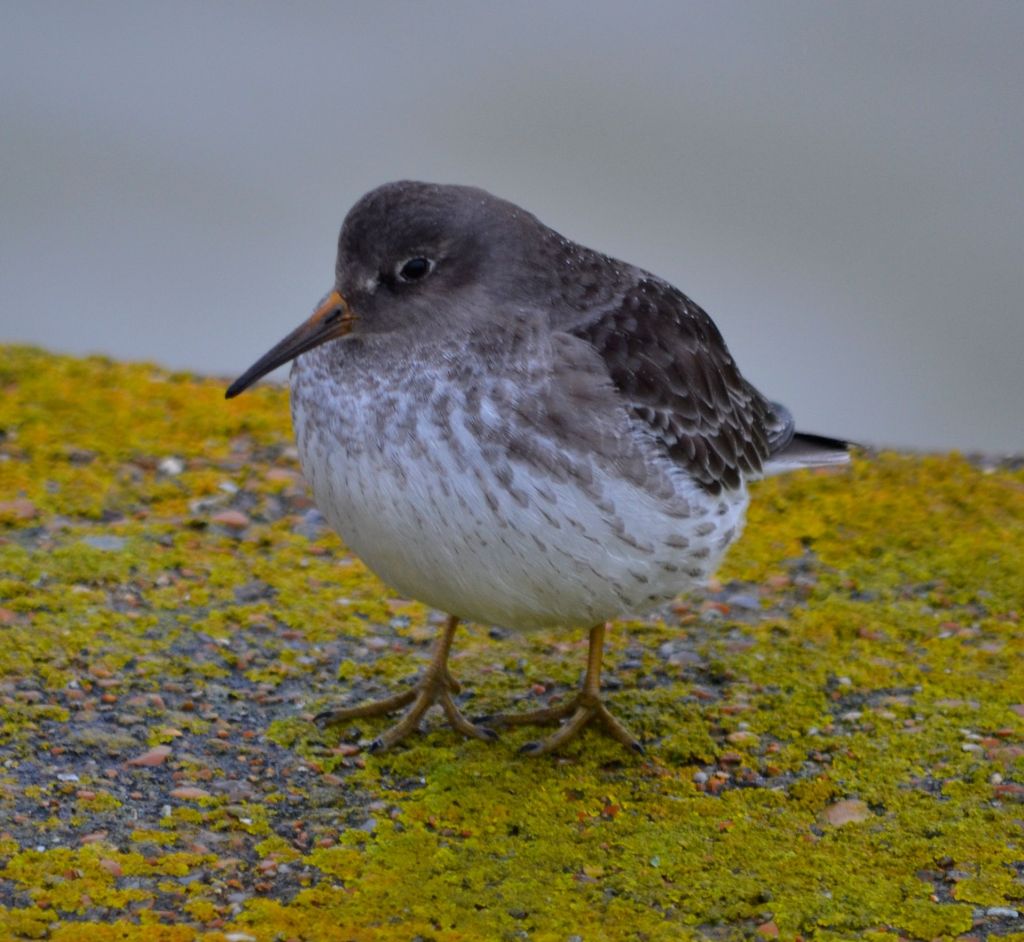

As we approached I commented the tide looked in but my colleague explained that at high tide the water level is much nearer the top of the rather unusual structure (pictured above, top as we found it). We still walked out to the end of the pier looking down towards the sea level piling all the while, but found only Turnstones. We had now drawn blank twice, so where to next? I was not keen to go to Pennington again but likewise appreciate it is unwise to try to dissuade my companion from doing anything he sets his mind on, and he was driving today.
Fortunately Ewan now found on the Sussex grapevine a Red-throated Diver at Pagham Lagoon to the west near Bognor Regis, so we set off for there. This is not of course an especially scarce sighting on the south coast in winter, though most are viewed some way offshore. But I myself had seen well only two previously, and opportunities to observe one on an inland water body are quite unusual, so I felt pleased to have this chance now.
Though I have been to neighbouring Pagham Harbour on numerous occasions, I was unaware of Pagham Lagoon (SZ 883969) until this visit. On parking in Lagoon Road we were at once approached a little anxiously by a local resident, who when she realised we were birders soon warmed to our presence. This lady explained that like many places in the current Covid climate the neighbourhood and its nature reserve is experiencing pressure from general public that arrives in numbers to engage in variously intrusive activities.
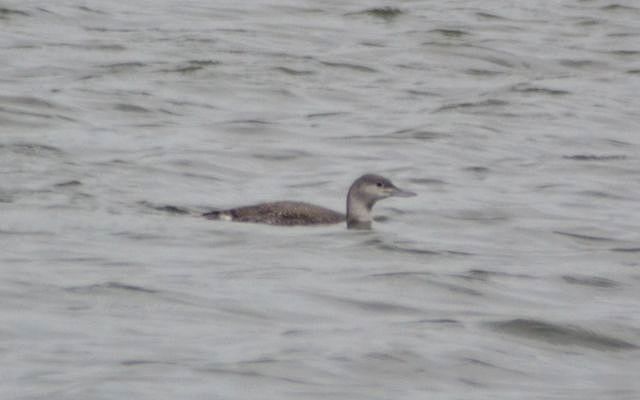
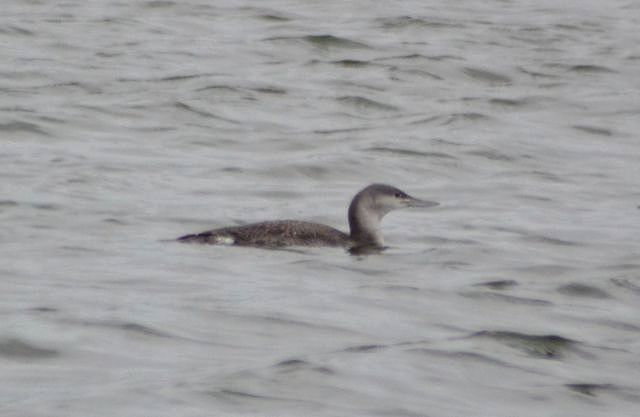
We then, with our newly found host’s blessing, walked out to and around the lagoon and soon found the first winter Red-throated Diver (pictured above) quite close in to the shore. For the next hour we watched the bird moving around the water before us, diving all the while, and at times it would do a disappearing act for quite long intervals. My colleague being more experienced with the species now explained the diagnostics of spotted upperparts, a reddish patch on the throat and the upturned lower mandible of the bill.
I could see this bird was quite distinct in its appearance from the other two wintering British Diver species I have observed as closely in the past, and am pleased to have now taken pictures of a kind (see here) of all three at inland locations. I was surprised to find upon checking that there are only two previous RTD in my life lists, but dare say more have been pointed out to me some distance out to sea that I didn’t bother to include in my records.
It was now 15:00 pm and the weather was deteriorating. So my day’s driver felt no inclination to brave a wet and windy Pennington Marsh, and instead we repaired to a nearby bakery for sustenance before heading home. It had been a decent enough outing for me despite having connected with just one bird target out of the three attempted.
 Ramblings and Scribblings