In its most recent weekly birding round-up: 3 – 9 August, RBA posed the question: “What’s better than an adult Pacific Golden Plover?” Their answer: “Two together at the same site”, was prompted by the arrival on 5th of a second individual at the RSPB’s passage wader mecca of Frampton Marsh at the south-west corner of The Wash. So this seemed an ideal opportunity to add to my bird life list what I had thought of as a tricky Nearctic species and so had not bothered to attempt before.
Pacific and American Golden Plovers were split by the BOURC in 1986, having previously been treated as a single taxon “Lesser Golden Plover”. Since then the former has been an almost annual vagrant to the British Isles, averaging three or four a year, while the latter is a species I have observed just once before in Oxford’s Port Meadow in November 2012. Most British Pacific records occur immediately after the birds leave their breeding grounds in July and early August. These have been well scattered historically, usually on the east-coast, the Northern Isles and in Cornwall.
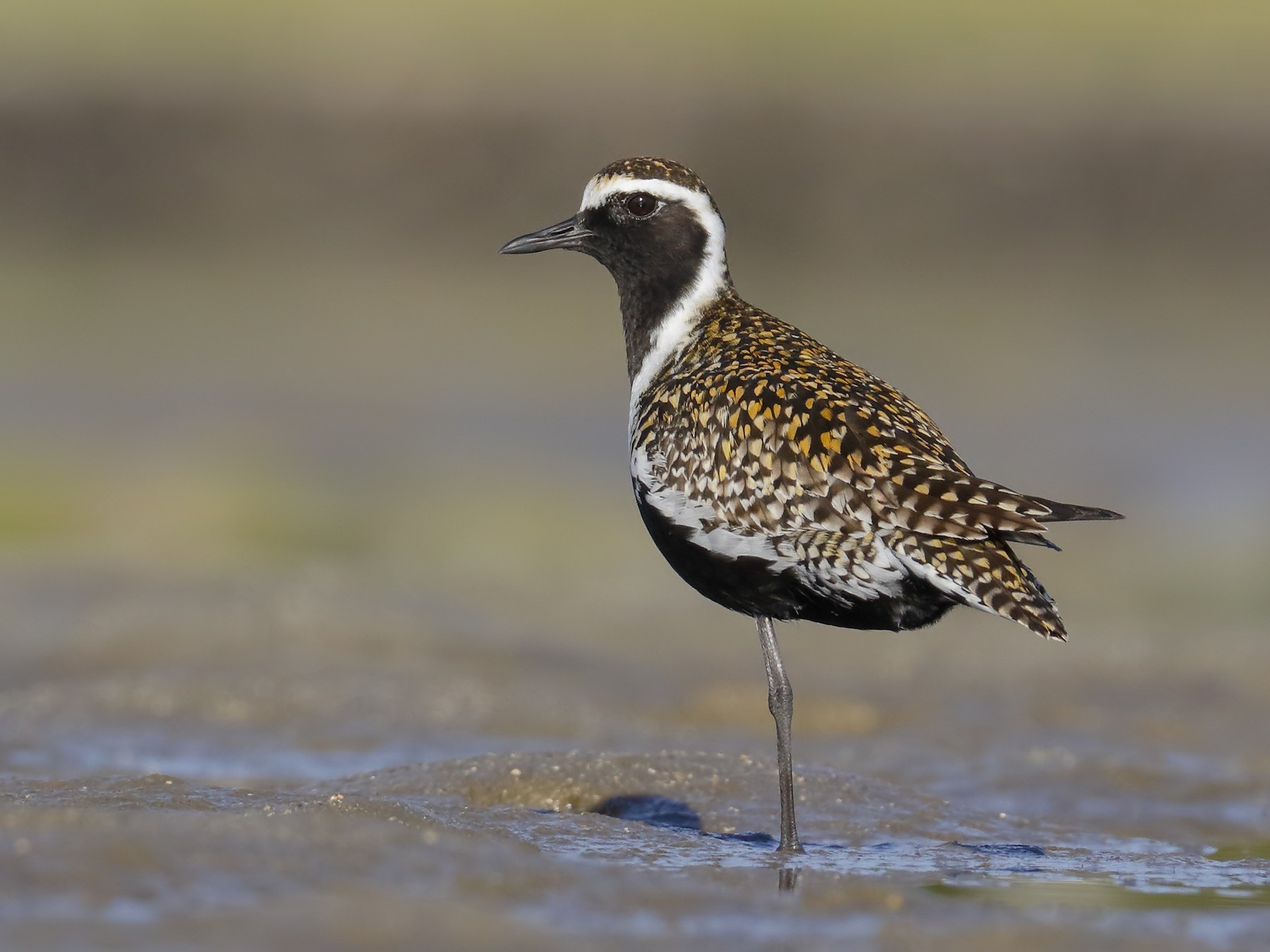
Two together in breeding plumage (see RBA gallery here) just 125 miles from home, that would not have to be picked out from carrier flocks of European Golden Plover, was therefore the kind of national birding opportunity I seek. In the event this was an easy conversion. Arriving at RSPB Frampton Marsh (PE20 1AY – TF357390) just after 10am it was good to actually be welcomed as a green clad optics carrier in the visitor centre, and I was directed out to the sea wall beyond which the two birds were still present on salt marsh. This sightings board (below) that is also published online was likewise very helpful.
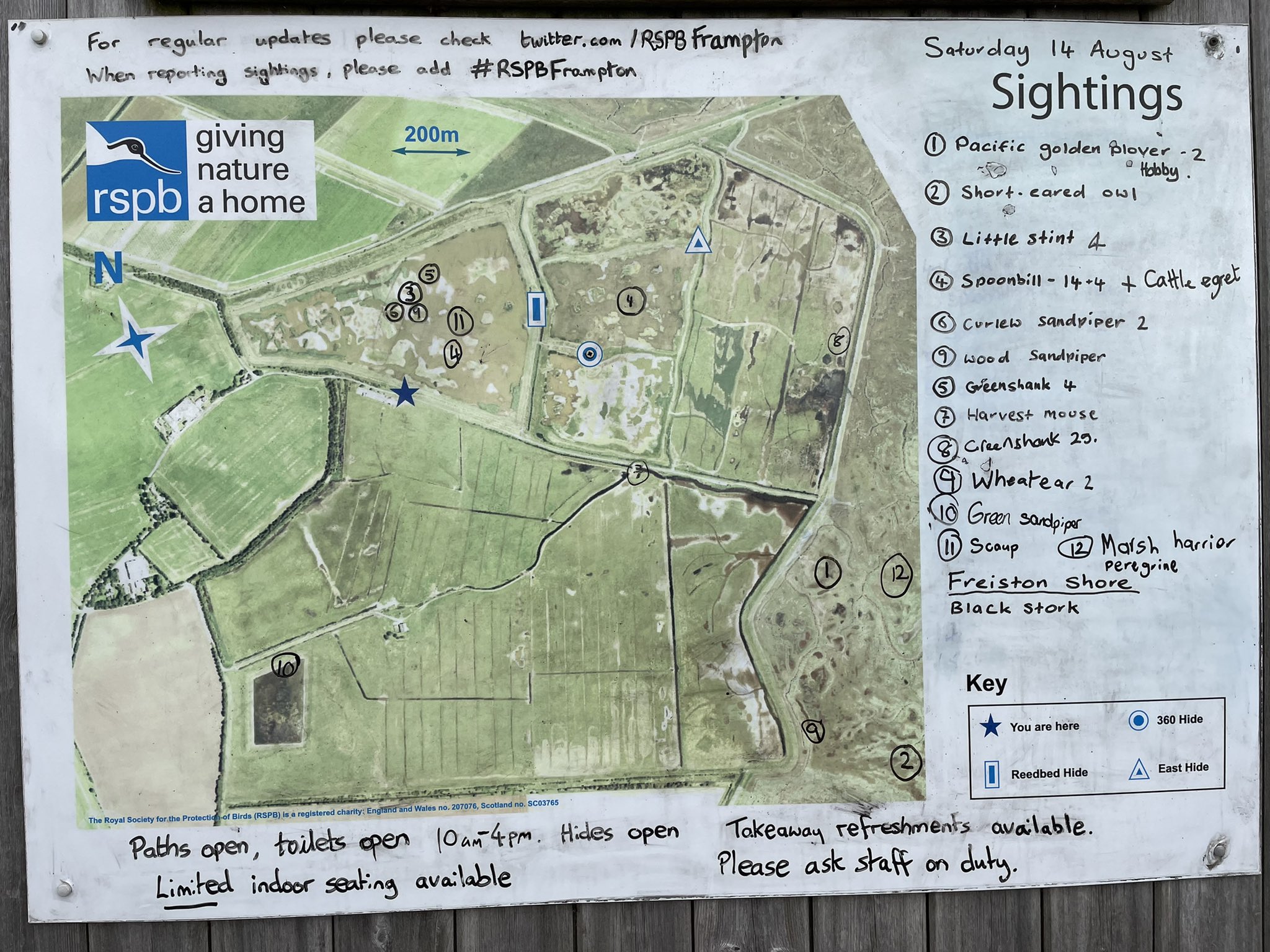
As I walked the main track through the freshwater marsh the exact location was obvious from a small group of people standing atop the embankment. When I got there the first person I enquired of muttered negatively: “Good luck, I haven’t seen it.” But several others were scoping some pools away to the east, and one of them pointed out the area to scan myself. I soon picked out the two Pacific Golden Plover moving up and down the edges of those pools and continued to watch them over the next hour. But I stood little chance of gaining acceptable pictures of my own at that distance looking into the hazy light.
By comparison with European “Goldies” these are smaller and slighter, with a longer neck more easily apparent when alert; a deeper-based, shorter bill and larger-headed appearance. In flight the toes of PGP extend beyond the tail tip and the wings are much slimmer. For an authoritative ID guide to all three GP species see here.
Pacific Golden Plover breed across the Siberian tundra from northern Russia eastward and into western Alaska. The species is highly migratory, with the main wintering range extending through the Indian subcontinent, south-east Asia, southern China and Japan; and across the Pacific islands to Australia and New Zealand. Small numbers also winter in Kenya and the Arabian Gulf, and some in southern California. Departure from the winter quarters takes place from March to early May, and they reach their breeding areas in the first half of June, leaving again in July and early August.
Though they are very similar in appearance, where the breeding grounds of Pacific and American GP overlap in Alaska the two are said to inter-breed only very rarely if at all. The latter species’ migration route is also quite different, with almost all birds wintering in South America. By contrast the wintering range of PGP extends across nearly half of the Earth’s circumference.
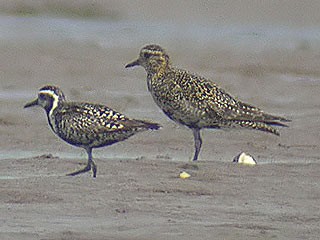
Having researched this post and especially found this outsourced image (above) I now realise it must be far less difficult to pick out PGP from carrier flocks than I had previously imagined. So having made the effort this was a day very well spent. This latest gain is items 366 and 507 respectively on my career British and western Palearctic bird lists.
When I was out at the sea wall, the reserve was re-visited briefly by a fly-through Black Stork that had frequented this area of Lincs since 12th, most often at the nearby RSPB reserve of Freiston Shore 6km (in a direct line) to the north-west. In my post-tick exploration of Frampton Marsh (as if I wouldn’t do that?!), I took a route through where the potential British list addition had circled for a time, but it had gone on it’s way. Enquiring at the visitor centre I was told it had last been reported heading north from that other location, so I decided not to chase it before heading home.
The bird did return to Freiston Shore (TF 397423) later in the day and not seeing it rankled slightly through the ensuing week when it was also reported there on most days. So on feeling the need to hit the road again after a seven day mainly dismal weather interval I went for it on Sunday 22nd. Arriving on-site just after 10am I spent four hours making a very long circuit and a half of the marshes there, but the Stork had well and truly gone absent and was not reported anywhere on that date. This at least illustrated how it might also have been a long search for me, without getting lucky eight days previously, but such is birding.
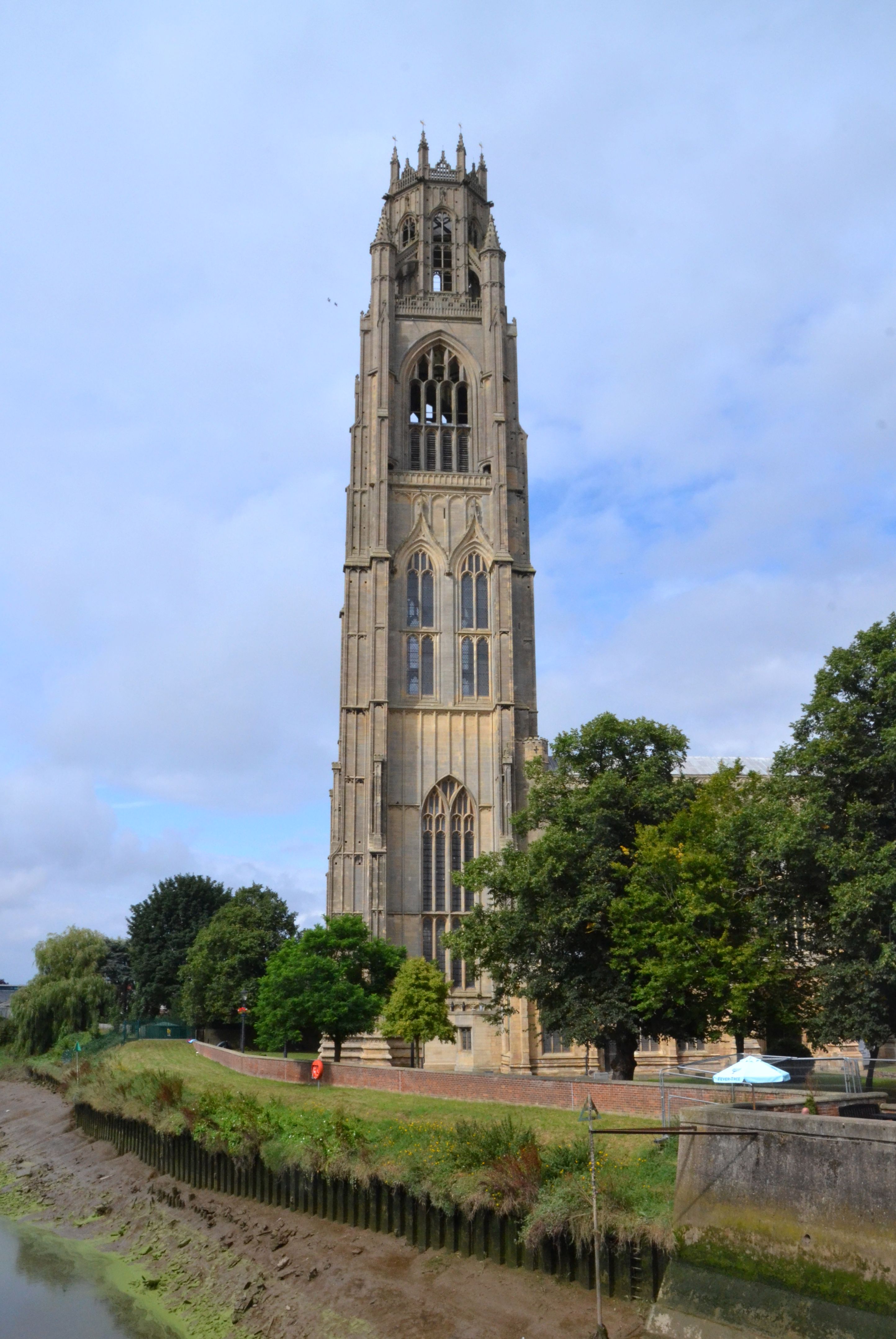
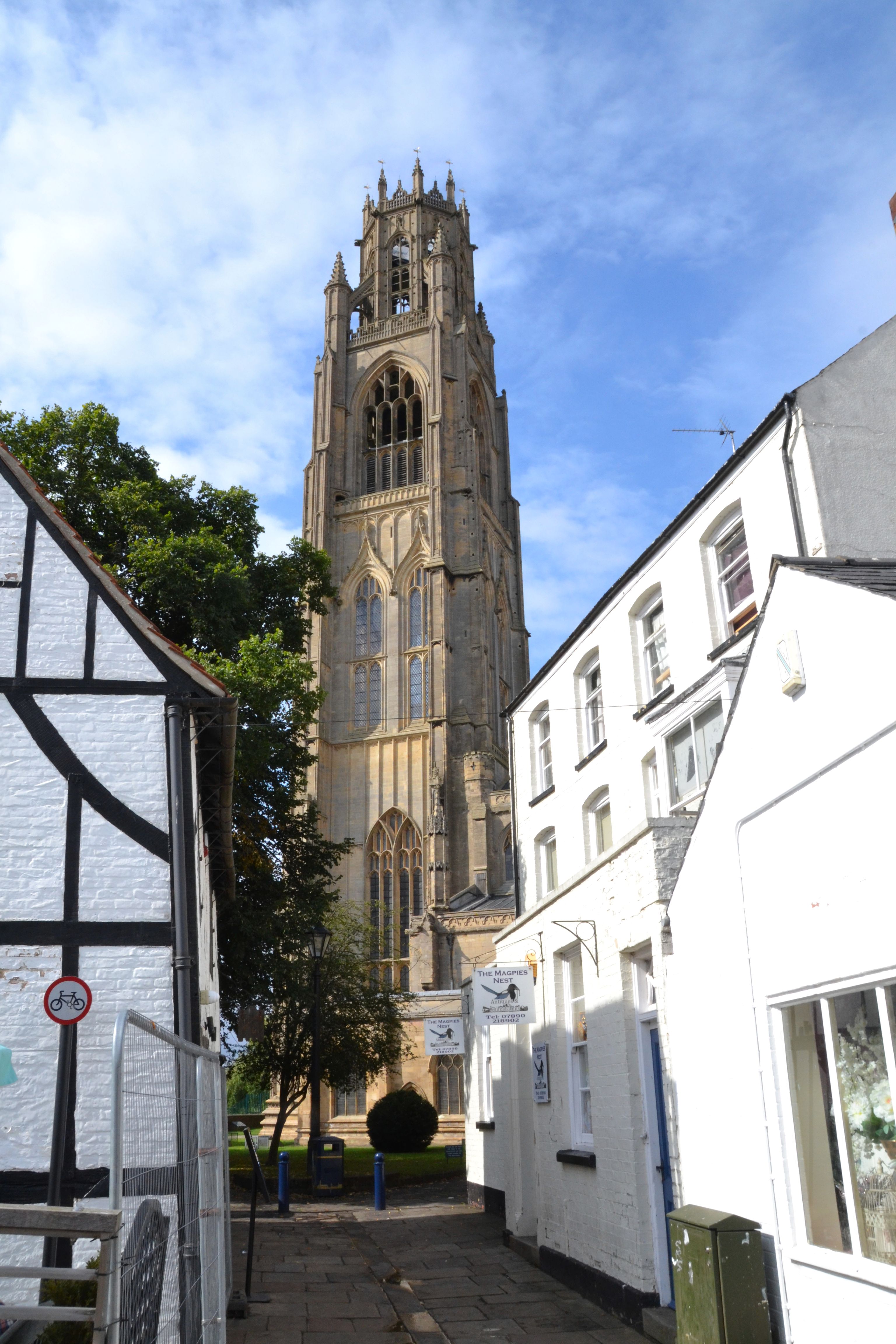
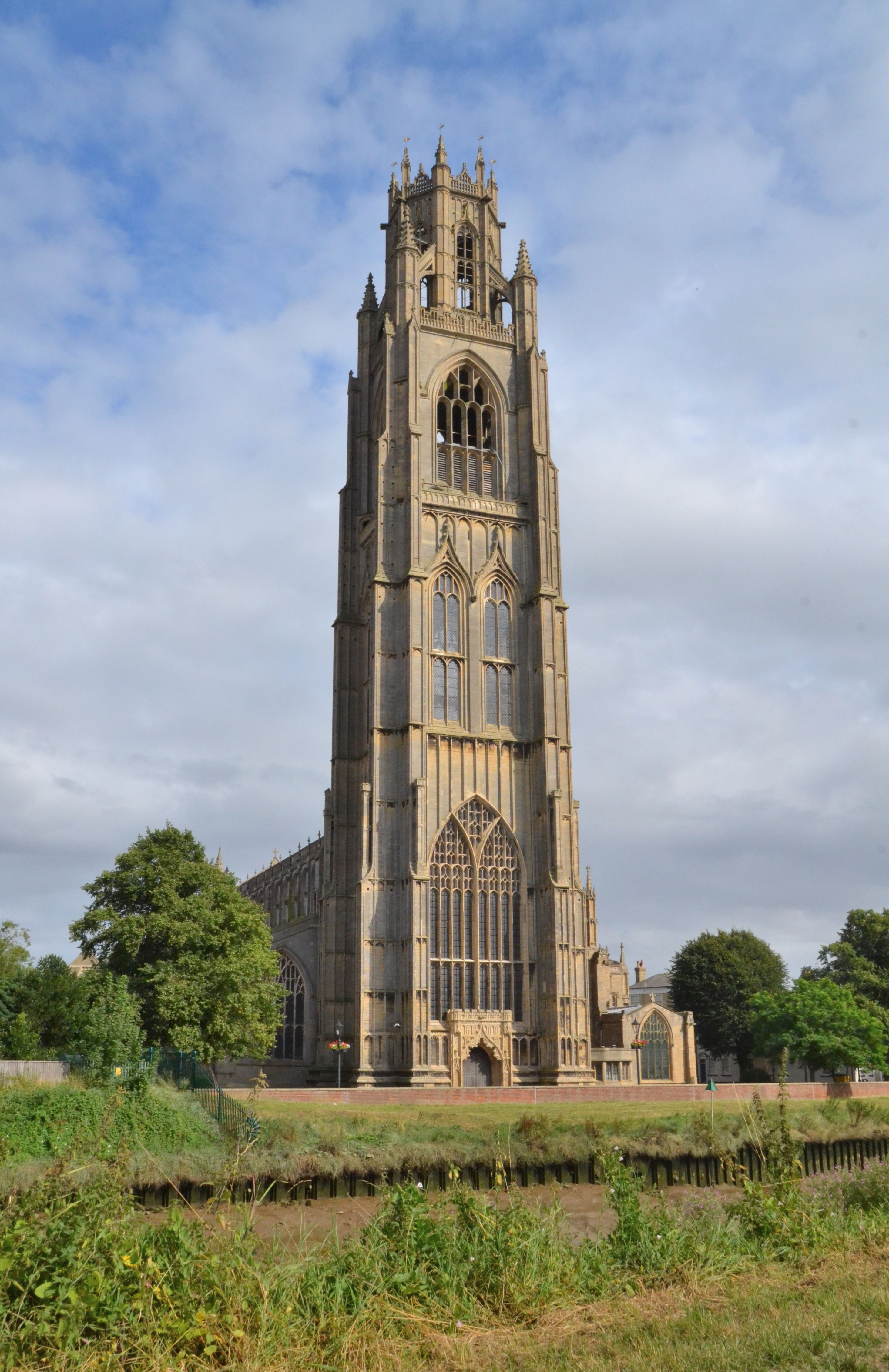
With two of my three latest bird twitches having ended in failure, the other being Western Sandpiper at Snettisham in Norfolk, the time seemed right to do a bit of history instead. At Frampton my attention was caught by the prominent local landmark of St Botolph’s Church tower in Boston that by road lies mid-way between the two RSPB reserves. I now resolved to get closer to and take pictures of the 83 metre structure of what is England’s tallest, non-spired parish church tower, popularly known as the “Boston Stump” (pictured above and below).
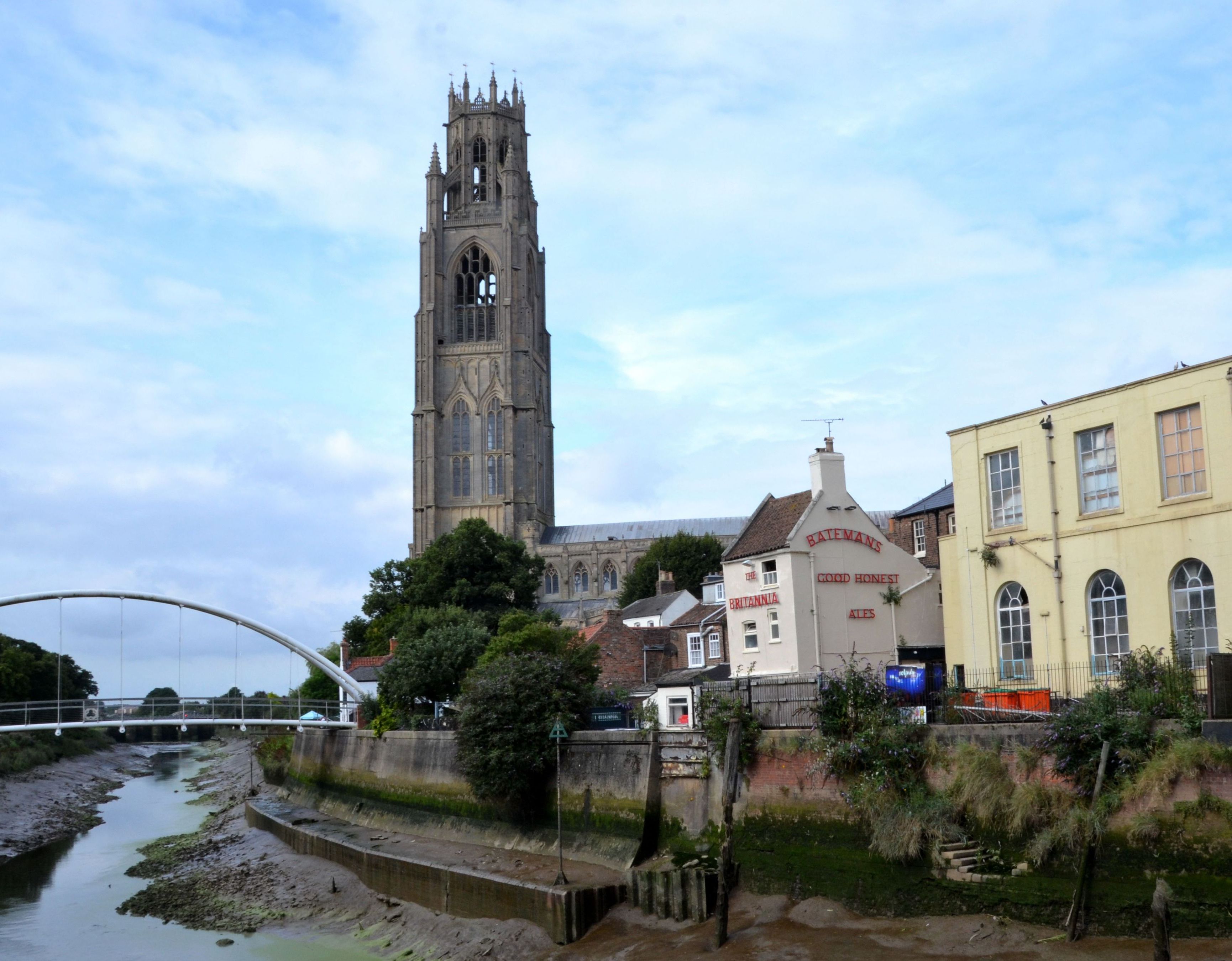
The ornate Gothic building dates from 1309 when Boston was a thriving commercial port, England’s second largest at that time. Construction of the tower began in 1452 and was completed by 1520 in the by then popular perpendicular style. The tower is topped with a highly decorated octagonal lantern ringed with pinnacles, one of very few surviving medieval examples in England. Standing at the foot of this magnificent edifice, looking upward and imagining the bygone effort and expertise involved in its construction was to my mind quite awe-inspiring. I have always held an interest in historic buildings and so now include the occasion’s different kind of uplifting experience in this mainly wildlife journal.
 Ramblings and Scribblings