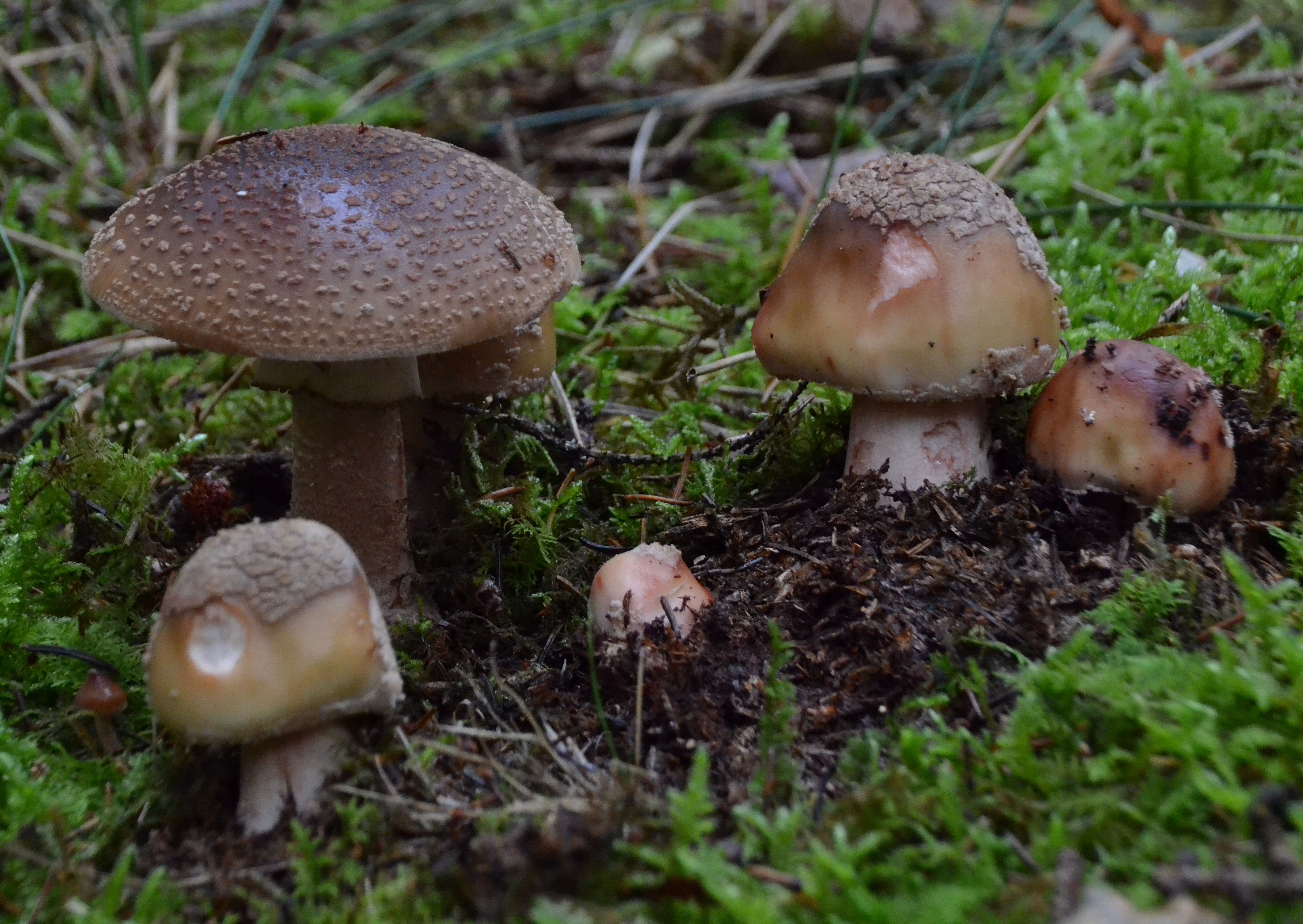
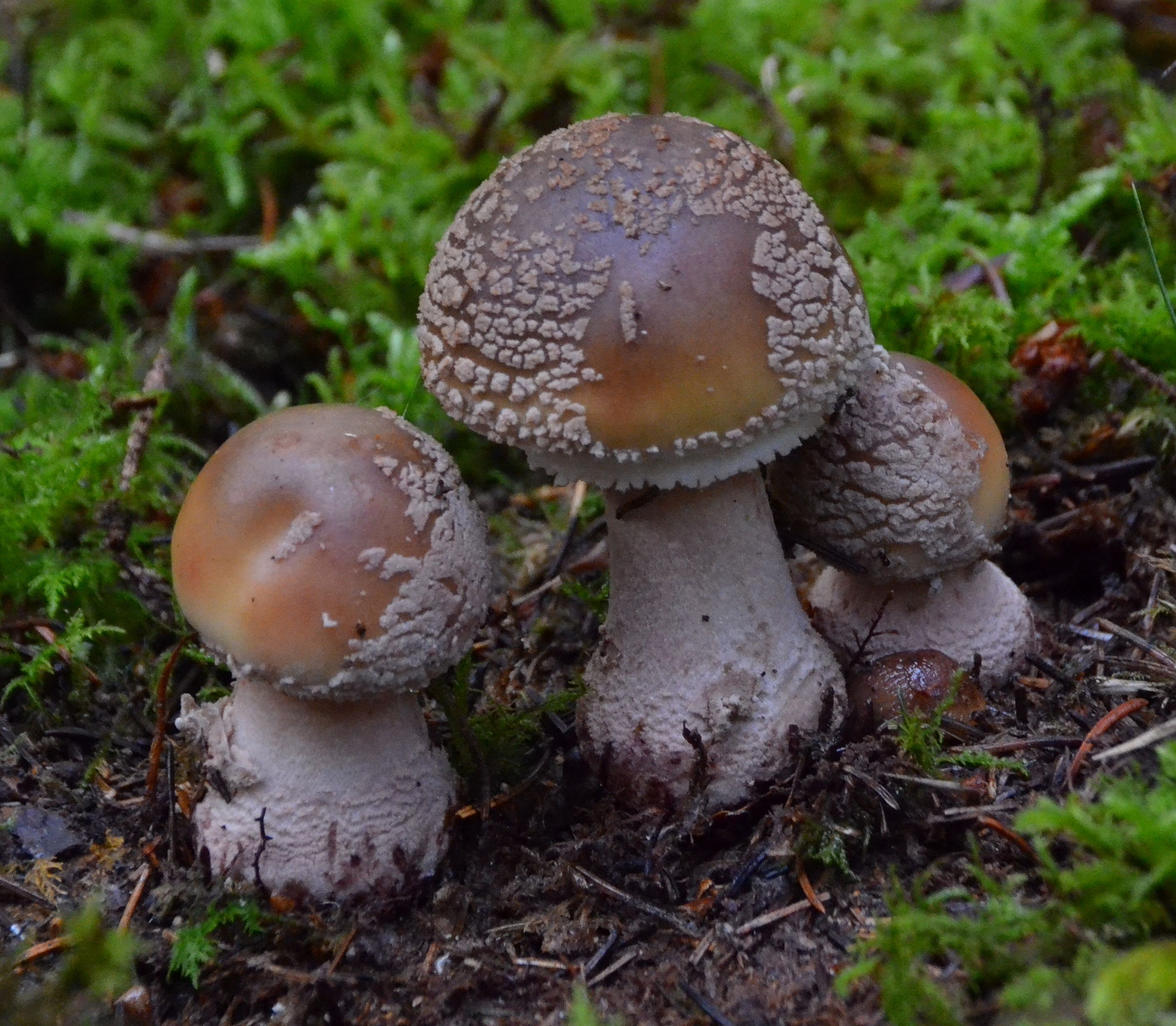
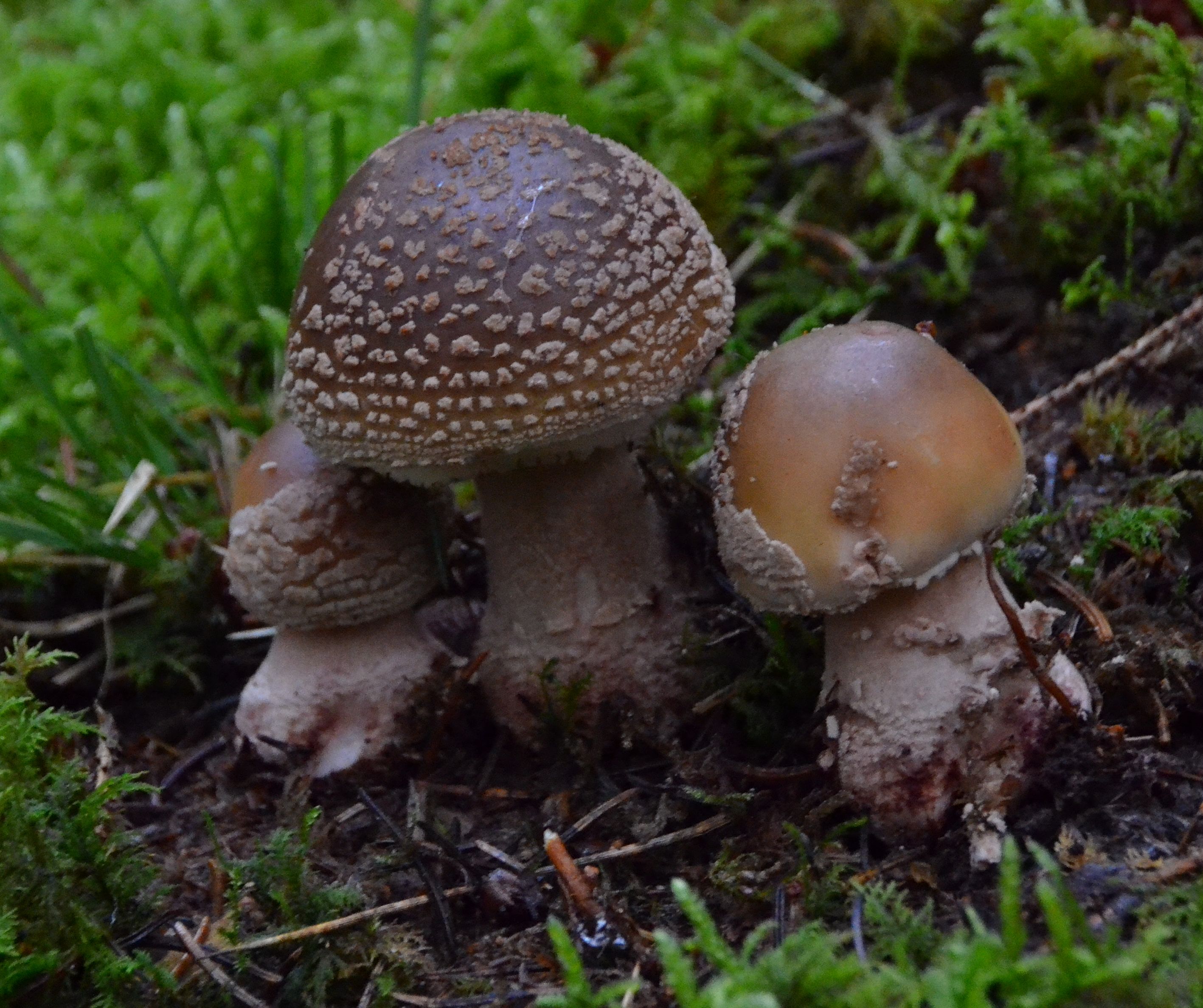
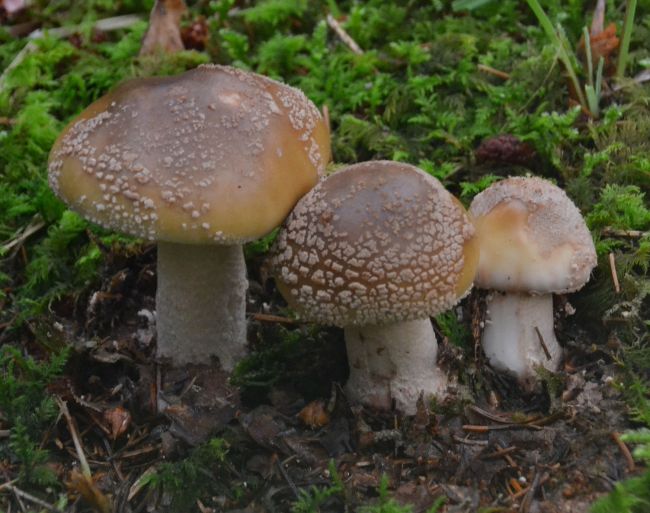
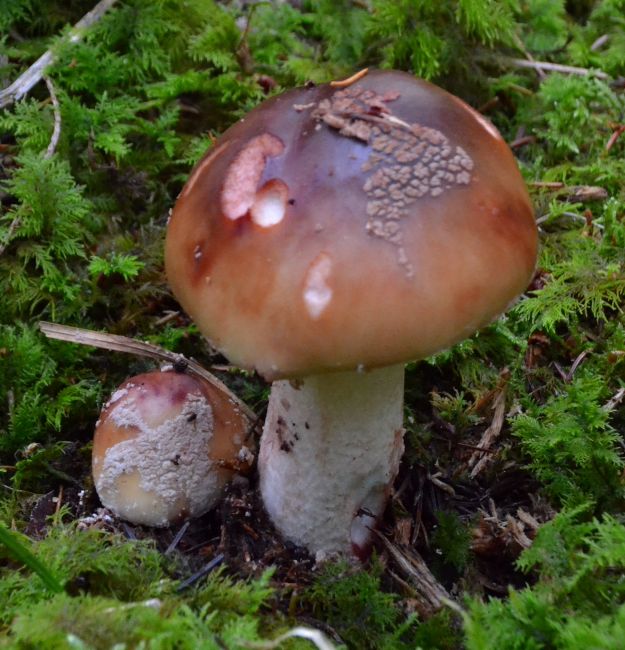
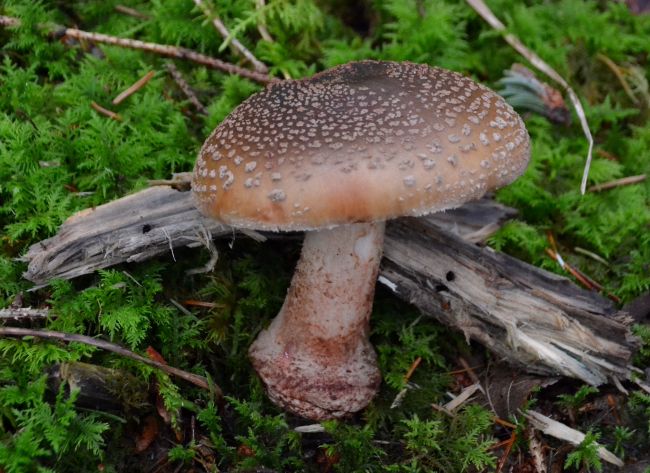
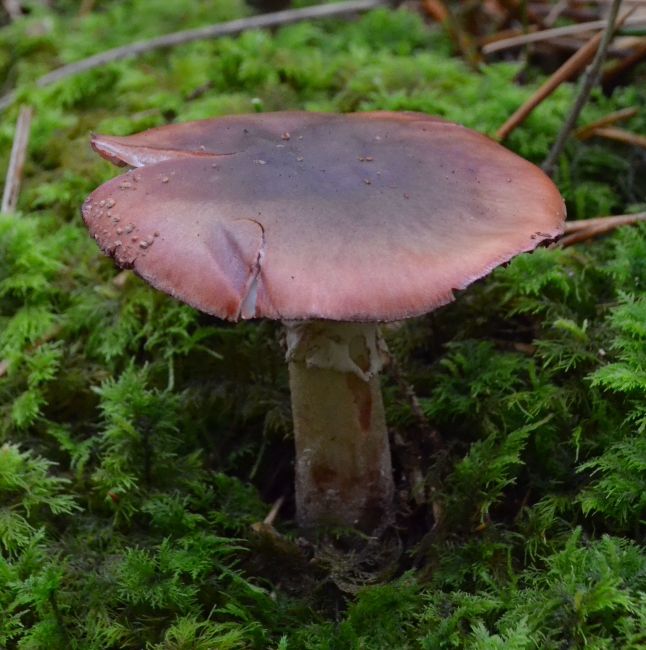
Another mushroom I have wished to experience in my debut fungi season is the perhaps rather quaintly named Blusher (Amanita rubescens). A member of the same genus as the previously featured Fly Agaric (A muscaria – see here), this post’s lead exhibits the same progression of shapes through it’s fruiting cycle and the multiple white warts that may be washed off by heavy rain. The Blusher’s cap colouration may actually be highly variable from near-white through various shades of pink and brown to almost black. What all forms share in common is that when damaged, bruised or cut the flesh turns deep pink or dull red, hence the colloquial name.
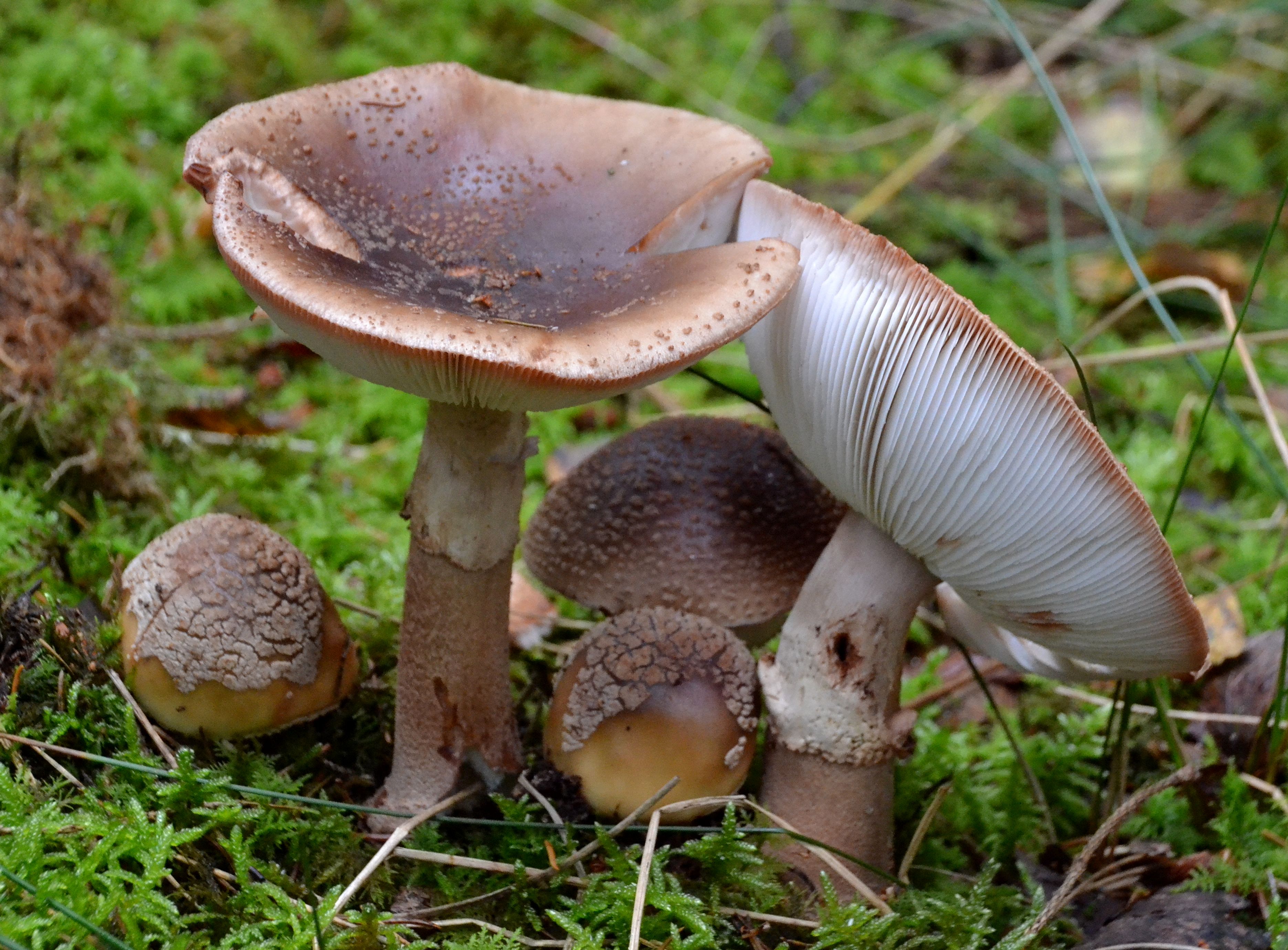
In my newest wildlife interest, as with birds and insects I need progression and to evolve. So having so far this autumn covered several Oxon sites I ventured just across the county border to Oakley Wood (SP612118) in search of things new and different. Having visited this part of the Bernwood Forest complex previously and quite regularly for high summer butterflies, it now felt good to be there again at a later time of year with evolved purpose. Most of the spaced out Blusher clump I located then re-found over these two days were caramel pudding-toned (pictured above and below), though some were pinker.
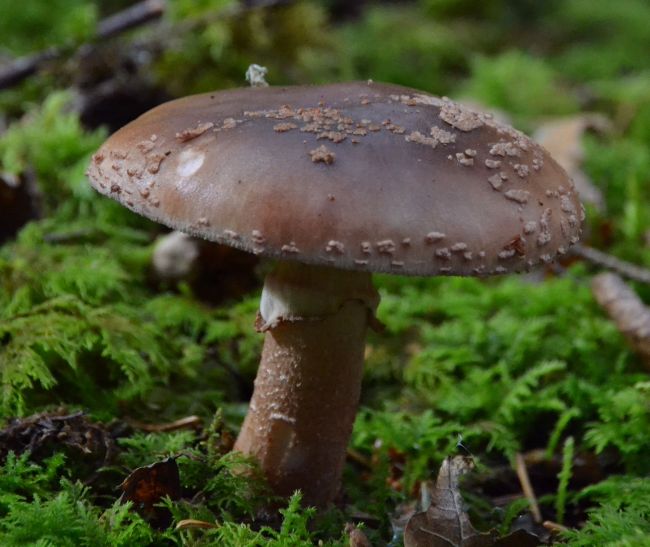
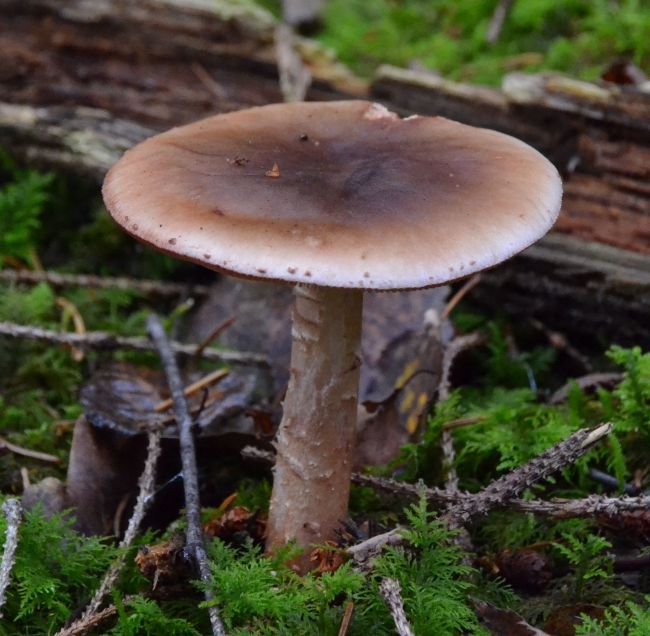
This mushroom is common and widespread for those who know where to look throughout the British Isles and mainland Europe. They are most abundant in Oak, Pine and other coniferous woodlands where they occur in small groups more often than singly. Blusher stems are usually between 7 and 15cm tall and caps range from 5 – 20 cm in diameter. From June to October is their main season, though in mild weather they may continue as late as December. The Amanita genus contains similar species some of which are toxic, but this one can always be singled out by its trait of bruising and staining reddish if scratched.
On Friday (5th) the larger fruits in the lead picture had fallen, so removing them I set about recording each individual and clump in the entire group (pictured below). It may now be possible to detect where I have been in any woodland by the gardened around picture subjects that might be found here and there. The images in this post capture the complete fruiting cycle of The Blusher, such as I have presented previously for Magpie and Shaggy Inkcap, Fly Agaric and other mushrooms.
In the continued absence of foreign travel, mushroom hunting has been a quite welcome substitute with which to bridge the transition into another detested dark season. In just the same way as during my past lone wanderings in southern Portugal, the south of France and Morocco I am getting out into wild places to enjoy total communion with the subjects of the pictorial records I collect. Having recorded every English dragonfly and damselfly and all bar two butterflies, fungi has become a fascinating and wonderfully occupying new wildlife group with which to get better acquainted.
 Ramblings and Scribblings