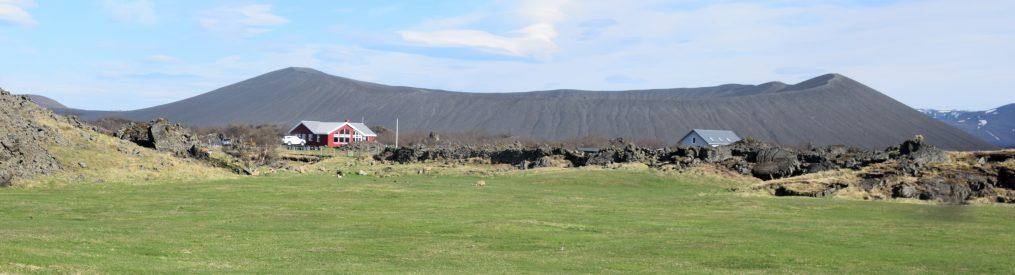
This all began back in the first lockdown of spring 2020. With local wildlife enthusiasts being limited to walking from home, an unprecedented number of Common Clubtail were recorded along the River Thames in Oxfordshire. These included at least eight sightings in Cholsey by a regular patch worker Alan Dawson. When Covid restrictions were lifted the emergence season for what is an iconic and especially sought dragonfly in Great Britain had passed. But my appetite had been whetted for an alternative Clubtail experience from the perennially frustrating classic sites of Goring and Pangbourne further downstream.
Cue more of the same. A year ago I visited BBOWT’s Cholsey Marsh reserve a number of times and guided by Alan learned where the hotspots were, but without success myself. After another patch regular alerted me twice to Clubtails he had found, then when I reached those spots they had flown I became disheartened and lost interest. This is a notoriously difficult dragonfly to connect with, since the opportunity usually occurs only in the brief “drying off” interval between their riverside emergence from the larval nympth and onward flight to the nearest suitable canopy. Once gone they’re gone, as discount supermarkets like to say.
I had played out that patient but unrewarding scenario time and again at Goring and Pangbourne, and the negativity so induced was heightened by some of the emergences I witnessed being deformed or failed. Indeed I only ever recorded two healthy specimens, one in each location (see here and here). Now, going into 2022 with a much-reduced insect agenda, converting the Cholsey site for Clubtails has been an early goal.
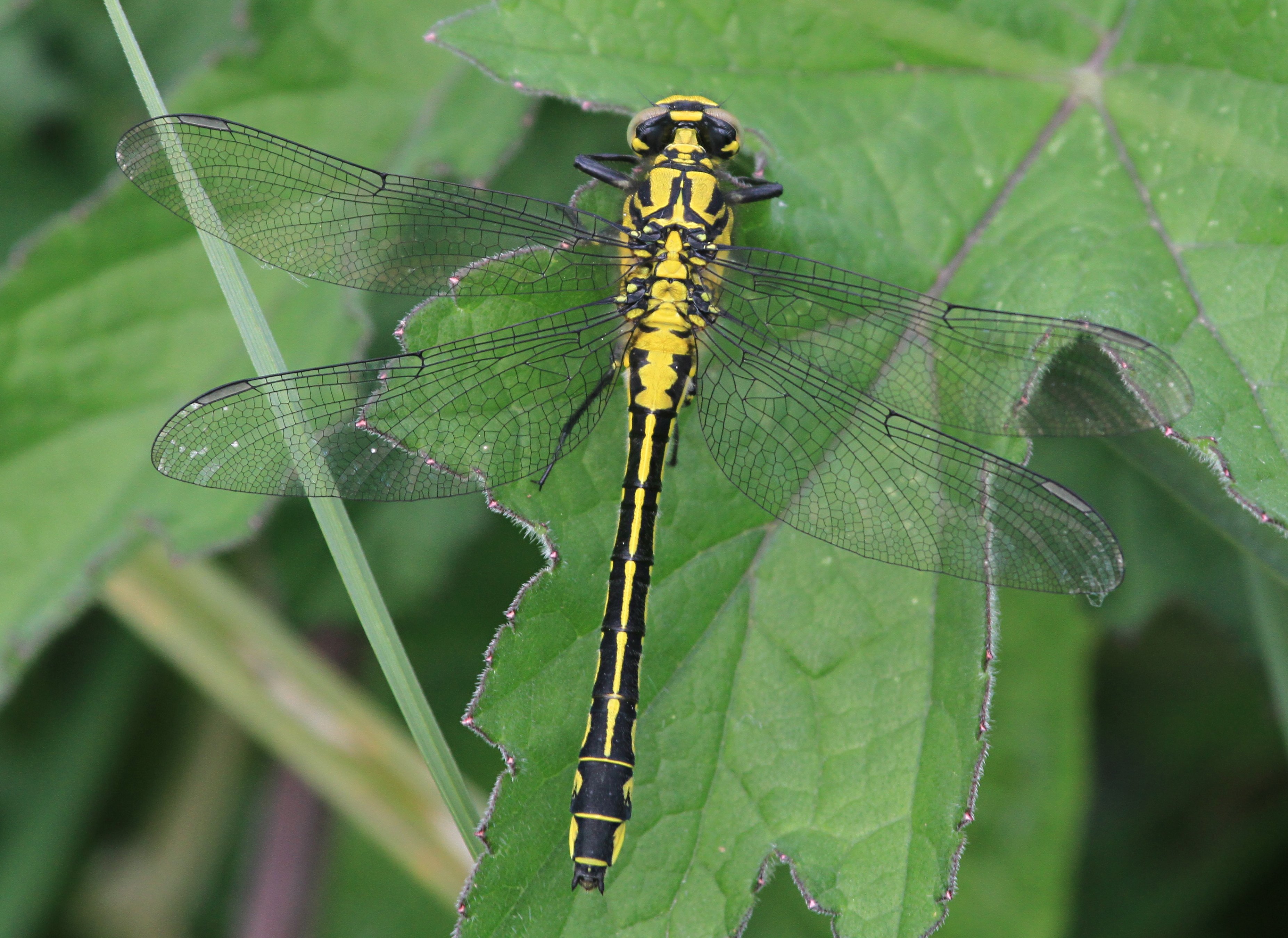
My first visit this season was three days ago on 9th May. Despite mingling on site with patch royalty in the personae of Alan, Ian Lewington and Geoff Wyatt I was once more unsuccessful. Alan had seen one before I arrived and Geoff saw two after I left, but none of those Clubtails were perched. So the objective on my second visit today (12th) was to gain what would be only the third pictorial record for the site this season. The other two were by Alan (see here) and Lew (below) on 5th.
Cholsey Marsh is a scarce remaining example of the kind of riverside marsh that was once common prior to large-scale drainage of such habitat for agriculture. The wet reed and sedge beds here – punctuated with patches of grassland, willow scrub and ponds – are home to a rich spectrum of plants, invertebrates and birds amongst which the very localised Common Clubtail (Gomphus vulgatissimus) is a site speciality.
The larval stage of these insects is thought to last for between three to five years. The nympths require silt in which to burrow, and so the species is restricted to slow flowing or meandering river systems with sufficient deposits. Another requirement is bankside tree cover for adults, as at Cholsey Marsh, Goring and Pangbourne. Emergence on the Thames starts in early May, beginning around 8am to peak in the early afternoon, and most of the population hatches within a tightly synchronised period possibly as short as one week (per Brooks and R Lewington).
Emergence occurs close to the river banks on suitable support, and most healthy tenerals make their maiden flight after around two hours, typically onto higher vegetation at a short distance before dispersing into woodland up to 10km away. This species makes extensive use of the canopy. Because of this, the majority of records each season are of immature Clubtails in yellow and black colouring. Sightings of green-toned mature males are much less frequent, though I know a man who has done so (below).
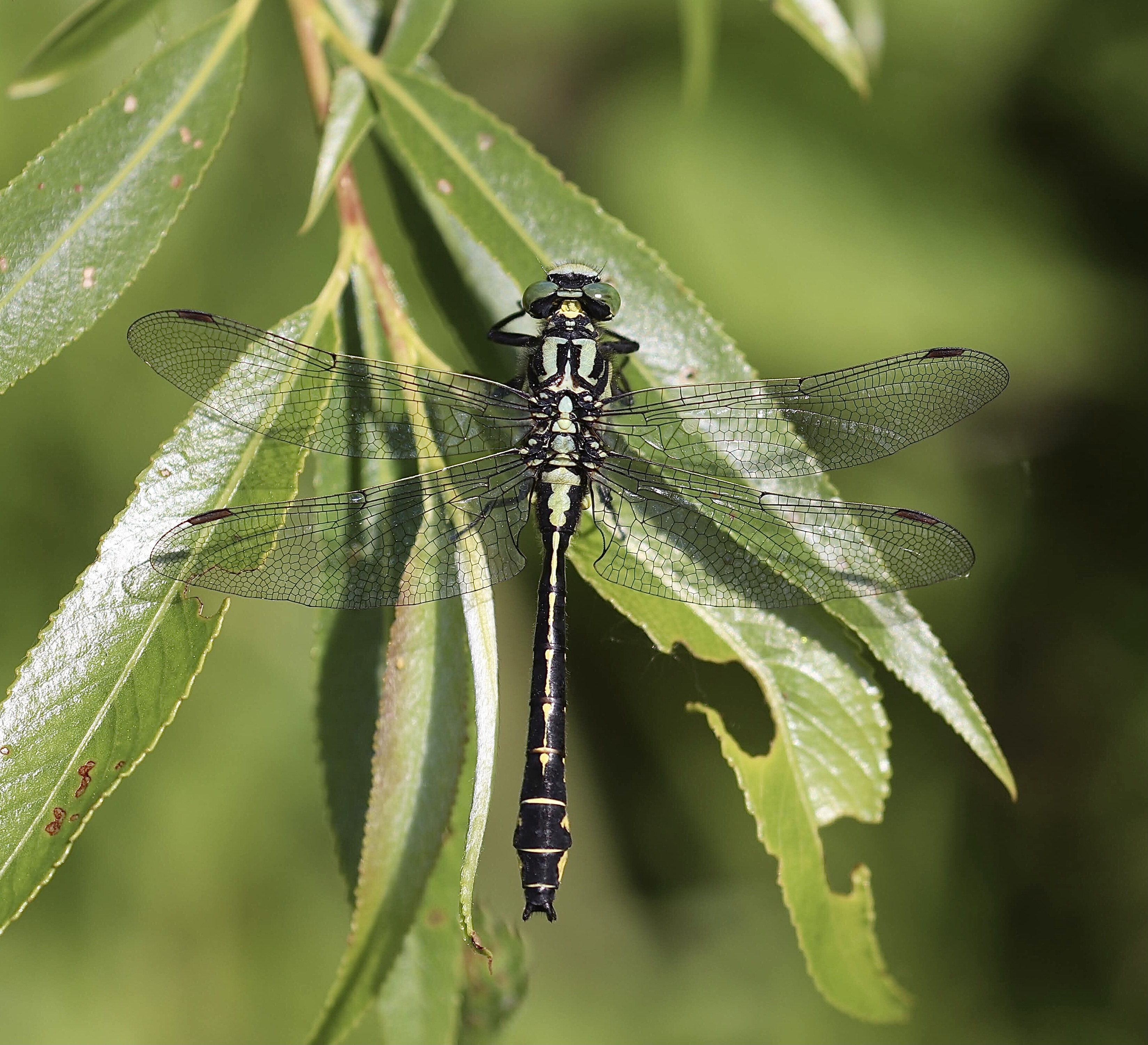
Such mature males may return to the river from a week later, where they can be observed perching on exposed bankside vegetation, especially steep banks with good tree cover. They are territorial and disputes occur over the water where flying close to the surface they search for females that descend from the overhead treetops. Their flight season continues until the end of June.
Today (12th) I arrived on site at around 10am and walked the tow path downstream from the end of Ferry Lane (SU601854) to the “four arches” railway bridge. There are several dense stands of brambles, nettles and other vegetation along this route that provide suitable staging posts for newly emerged Clubtails. Those are the hotspots where most sightings occur and the closer they are to the river bank the better.
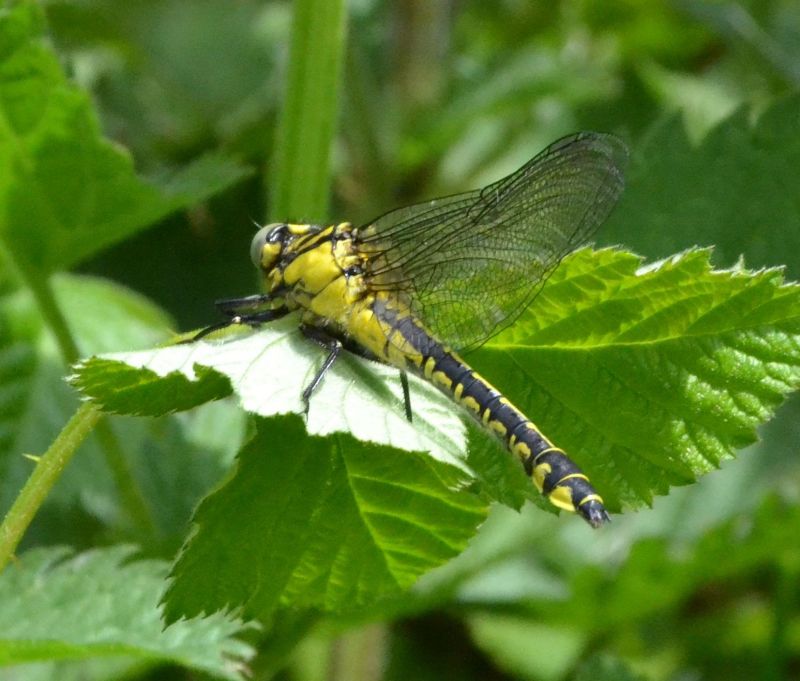
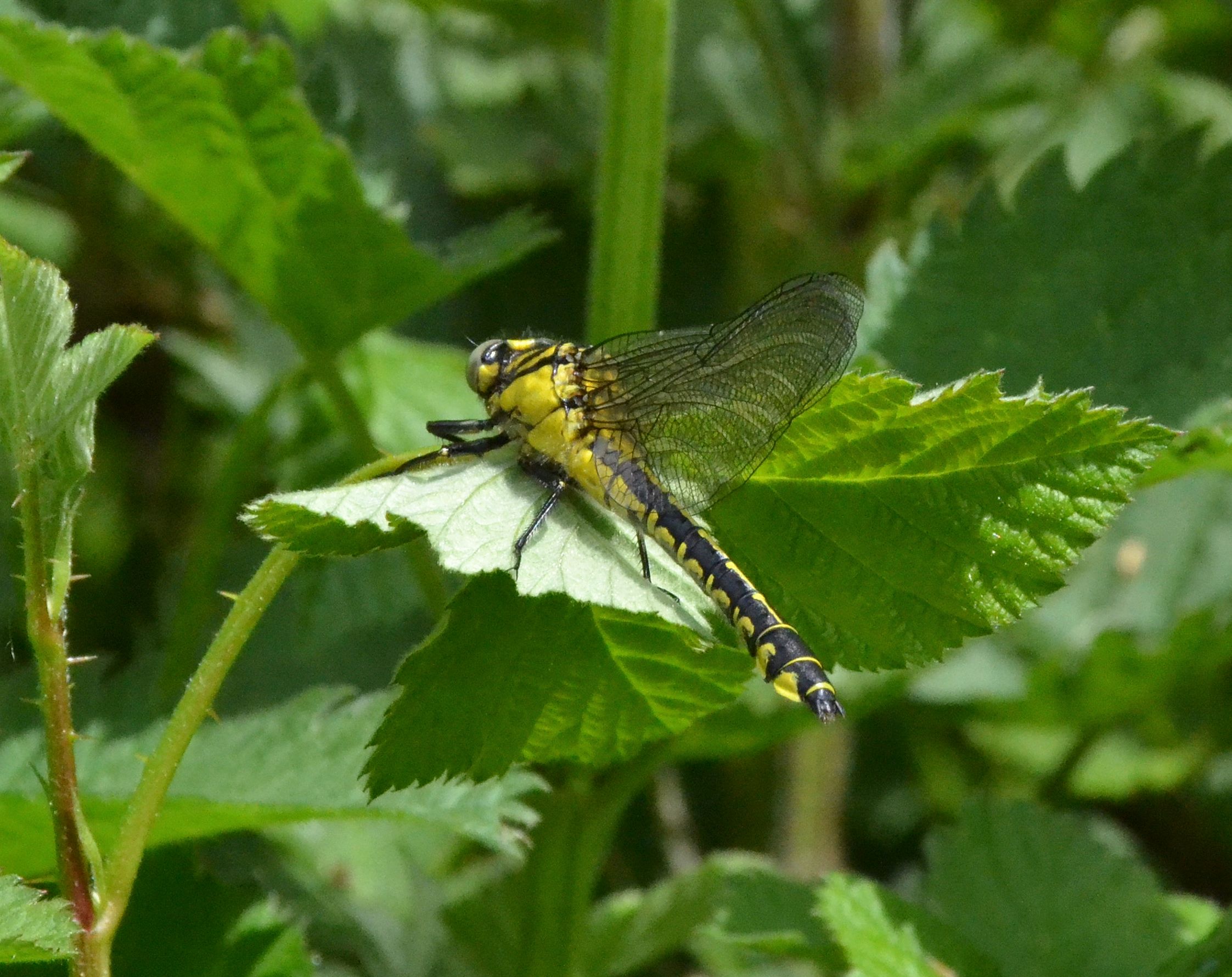
As three days earlier but this time alone I completed the outward leg then retraced my steps, and eventually there was what I sought: a very fresh, yellow and black Clubtail, perched at around head height. Facing away from the river (pictured above), this individual shows quite clearly how the species acquired its name – success at last! Cue celebratory exchanges of WhatsApps with my three earlier field colleagues, once the willing subject had flown off.
This item marks the first important conversion on my non-birding 2022 wildlife agenda. I made one further visit here before deciding that any chance of further success as the Clubtail flight season progresses was not worth the time that local patch workers can put in when they have other reasons for being there anyway. Trying to observe this dragonfly each spring remains a largely frustrating annual chore, but I have now cracked the enigma at Cholsey Marsh.
 Ramblings and Scribblings
Well done! Despite being a Cholsey resident and feel like I spent most of most May 2020 lunchtimes at the marsh looking for clubtails, the closest I got was seeing an exuvium. I now sit at work hearing about the other locals totting up their counts of clubtails. But one day I’ll see one in Cholsey… And until I do, I’ll keep enjoying the gorgeous hawthorn blossom along the footpath while I’m out looking at the weekends!
LikeLike