This is something I really should have done a long time ago. Each April numbers of visitors are drawn to a Thames-side nature reserve in central Oxford to witness carpets of up to 90,000 blooms of what has become considered an iconic Oxon wild plant. Since the cultivated equivalent is now flowering in my own garden at home, having woken early on this sunny bank holiday morning I went to take a look myself and was not disappointed.
Now a scarce and localised species, Snake’s head Fritillary (Fritillaria meleagris) is Great Britain’s only native member of the genus. It occurs naturally at fewer than 30 mostly wet meadow sites in southern England and the Midlands and within those is often quite profuse. Iffley Meadows and nearby Magdalen College grounds in Oxford are widely cited as hosting some of the top five national populations. When BBOWT took over management of the former in 1983 there were around 500 plants here, but now annual surveys count in excess of 76,000 and more still in best years.
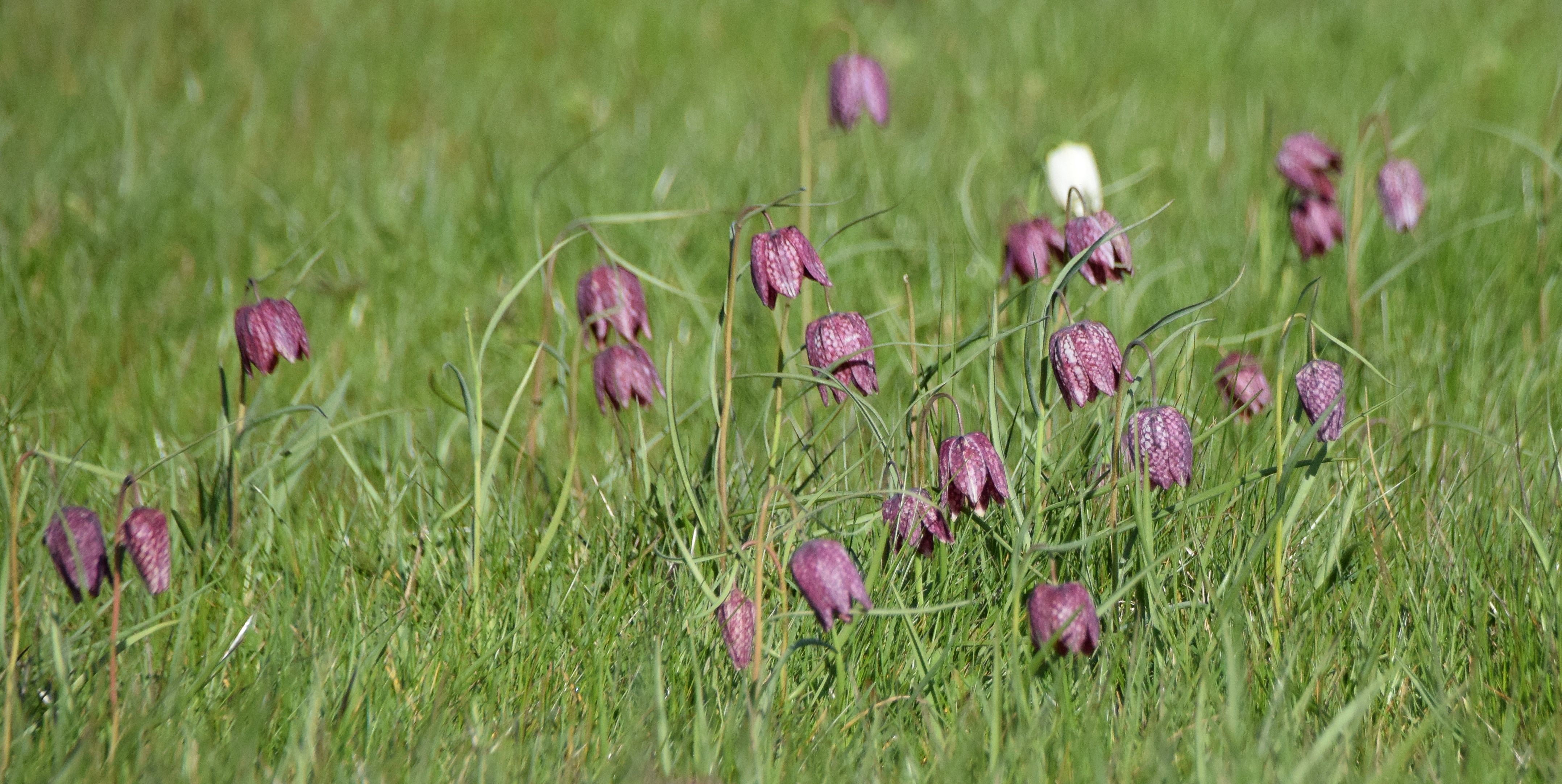
These 33 hectares of wet meadows (OX1 4UP – SP525039) crossed by old river channels with willow-lined ditches have a rich diversity of wildlife. Such old, unspoilt meadow land was once a widespread feature of native river systems, but much has been lost to drainage and farming. There can be few British cities through which a river flows where such wildlife habitat still exists just 2.6 km from the urban centre, or where so much original floodplain habitat remains undeveloped as here in Oxford, and for such reasons I have always felt quite blessed to live here.
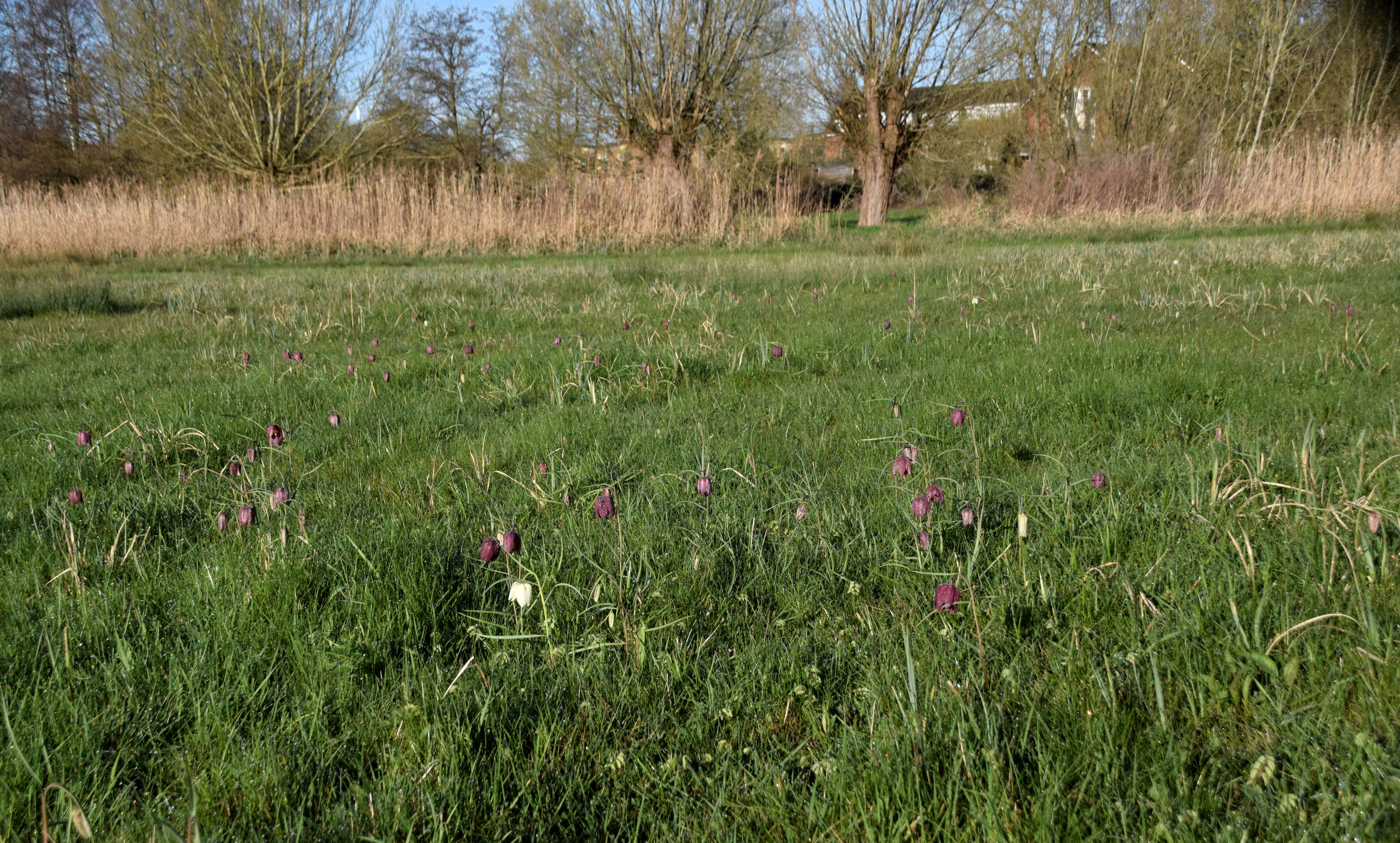
As I arrived on site the earliness of the hour seemed appropriate, as so soon upon the onset a week ago of English summer time and with it fair weather, I have found myself in an apparent phase of re-emergence and renewal. But more of that later. I wasn’t sure exactly where to look, but a dog walker called out, having noticed my camera and guessed my intent, and gave me directions. After a short walk onward I soon found what I was seeking (pictured below), though the display seemed some way from its annual peak.
This 15 – 40 cm tall bulbous plant favours damp riverside meadows that flood in winter, and BBOWT also maintains a regime of controlled grazing and July hay cutting at Iffley to optimise growing conditions. Botanists disagree as to whether it is a truly native species or a long-established and naturalised garden escapee. The first reference to it growing in the wild was in 1736, whilst it was known from gardens up to 150 years earlier. Though also native to continental Europe and western Asia it has been an endangered species in many localities and more often found as a cultivated than wild plant. But the fact that nationally it is usually confined to ancient hay meadows in the wild and rarely spreads to adjoining habitat casts doubt upon that theory.
By way of a little trivia, Meleagris is Latin for Guinea Fowl and the mottled pattern of the bell-shaped blooms is said to resemble those birds’ plumage. The likeness to snakes’ heads presumably comes from the nodding habit. Older common English names included Chess Flower, Frog Cup and Leper Lily since the flower shape was thought to resemble the bells once carried by the pariahs that were leprosy sufferers. In 2002 SHF was chosen as the county flower of Oxfordshire following a poll by the wild flora conservation charity Plantlife.
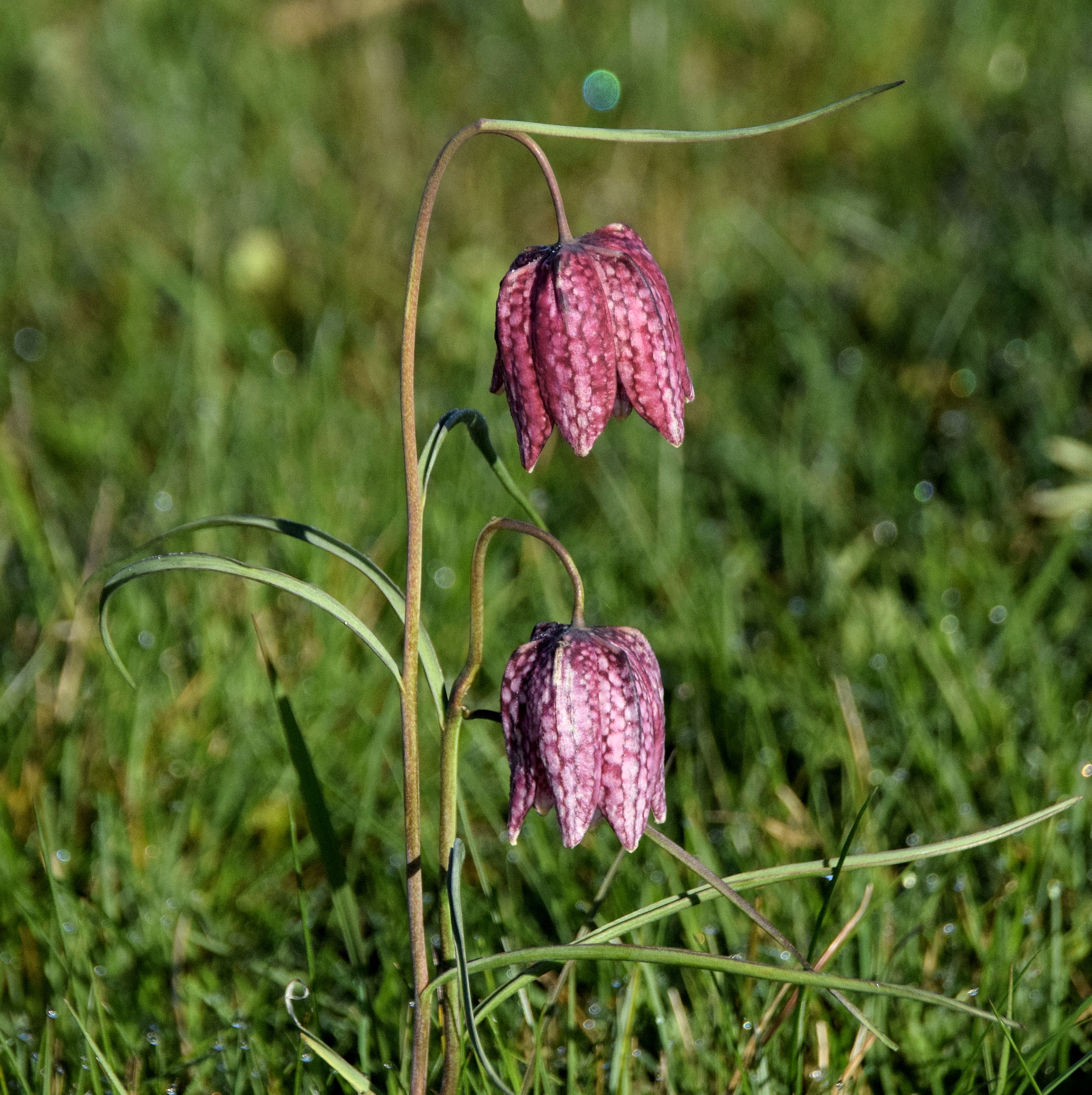
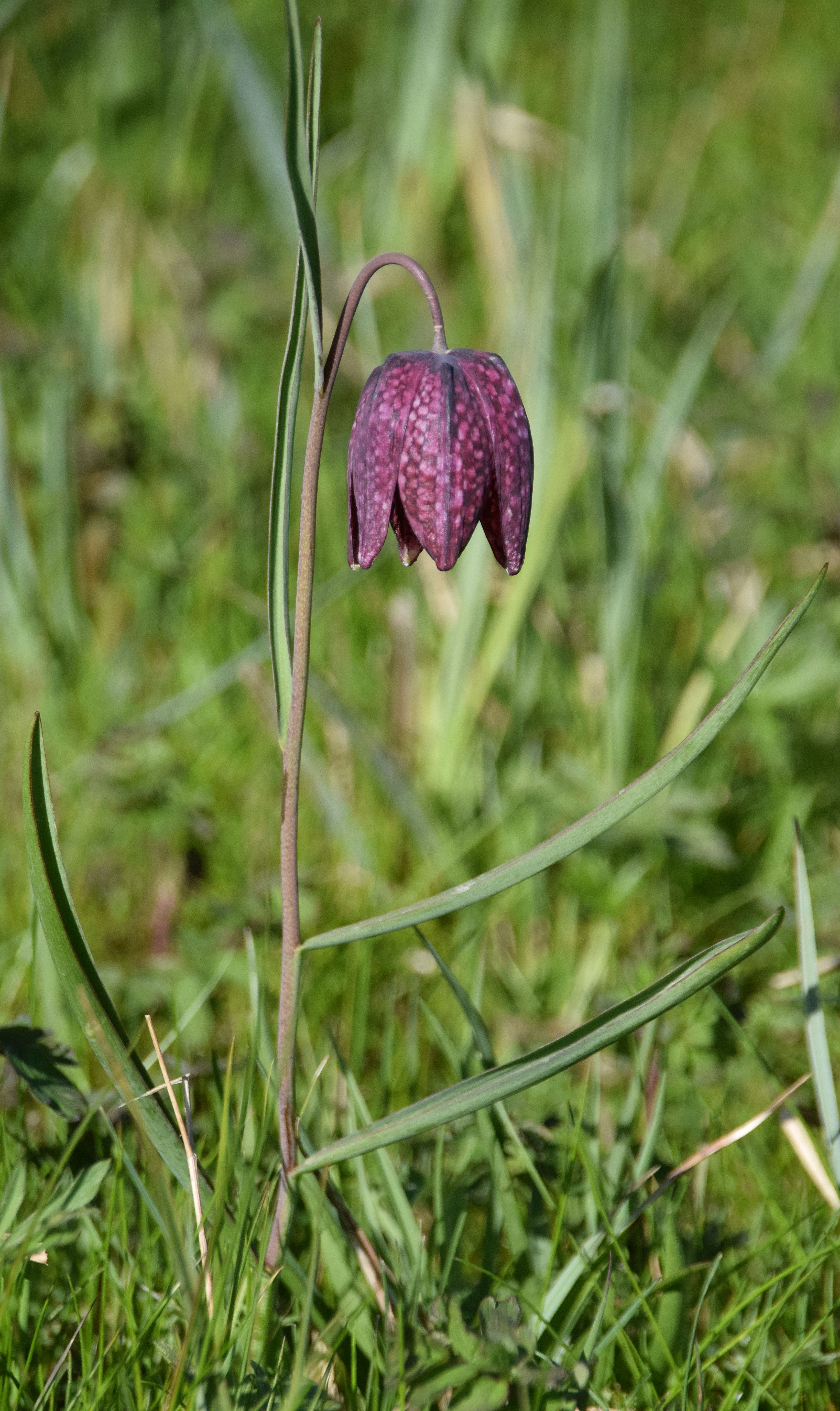
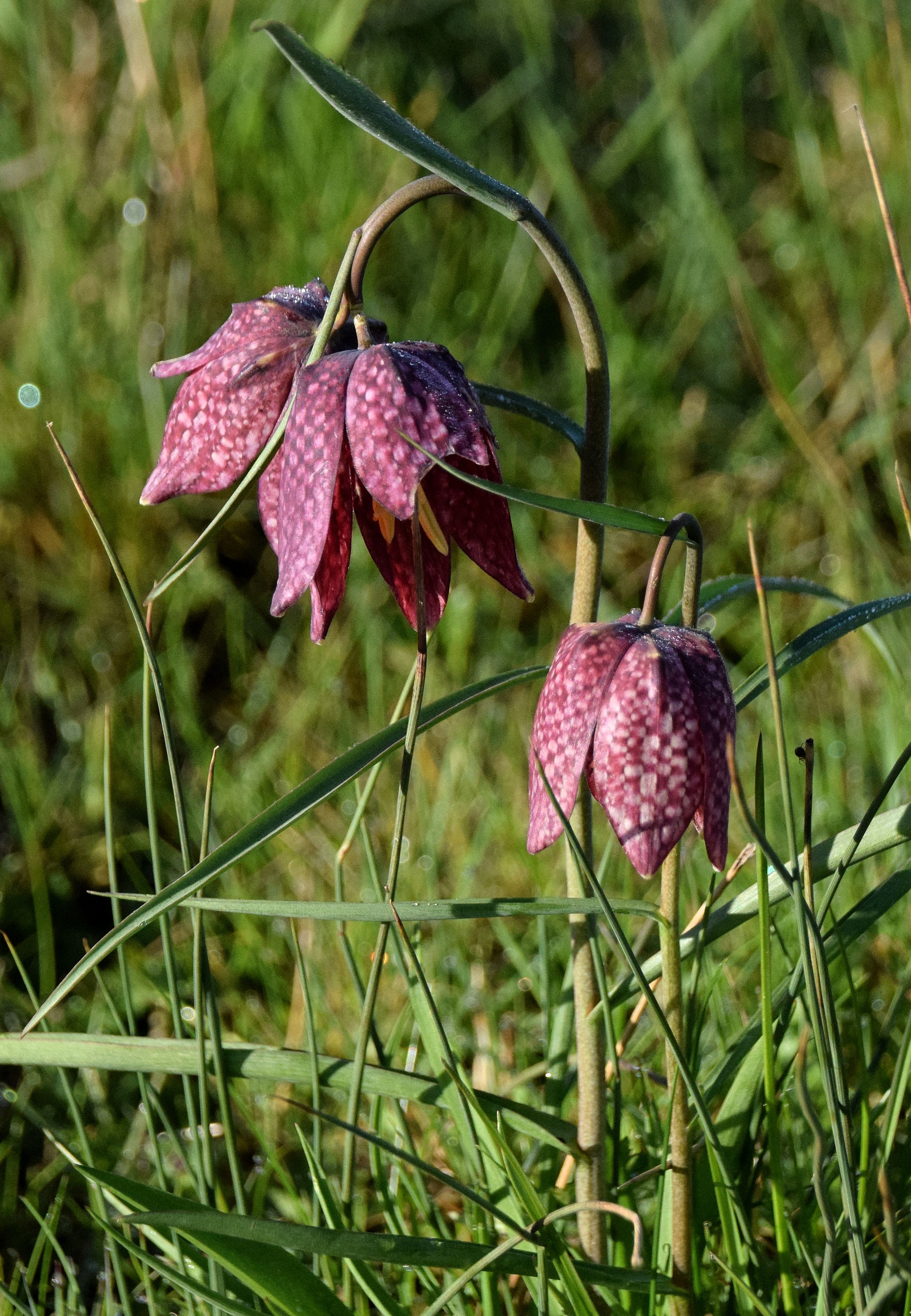
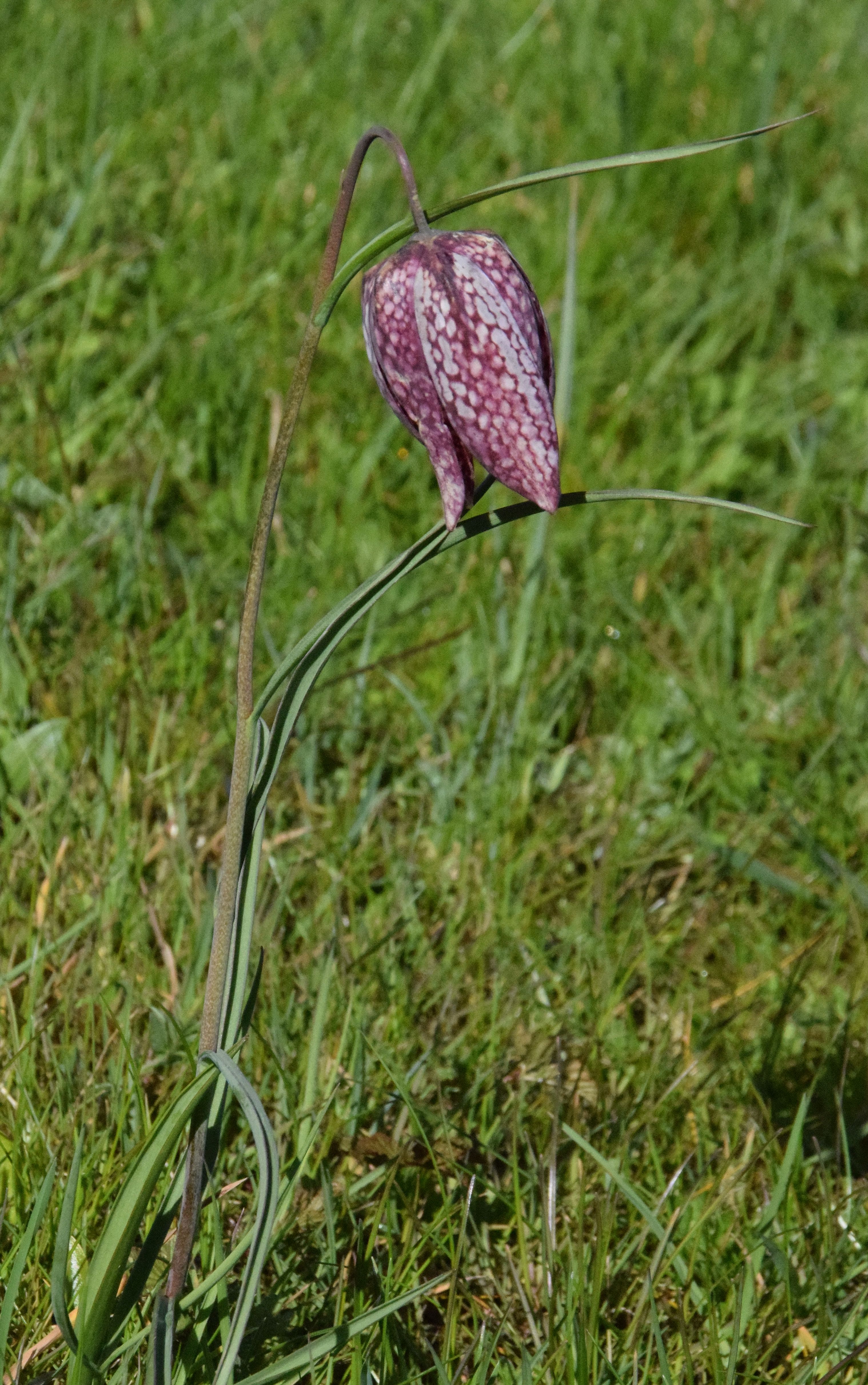
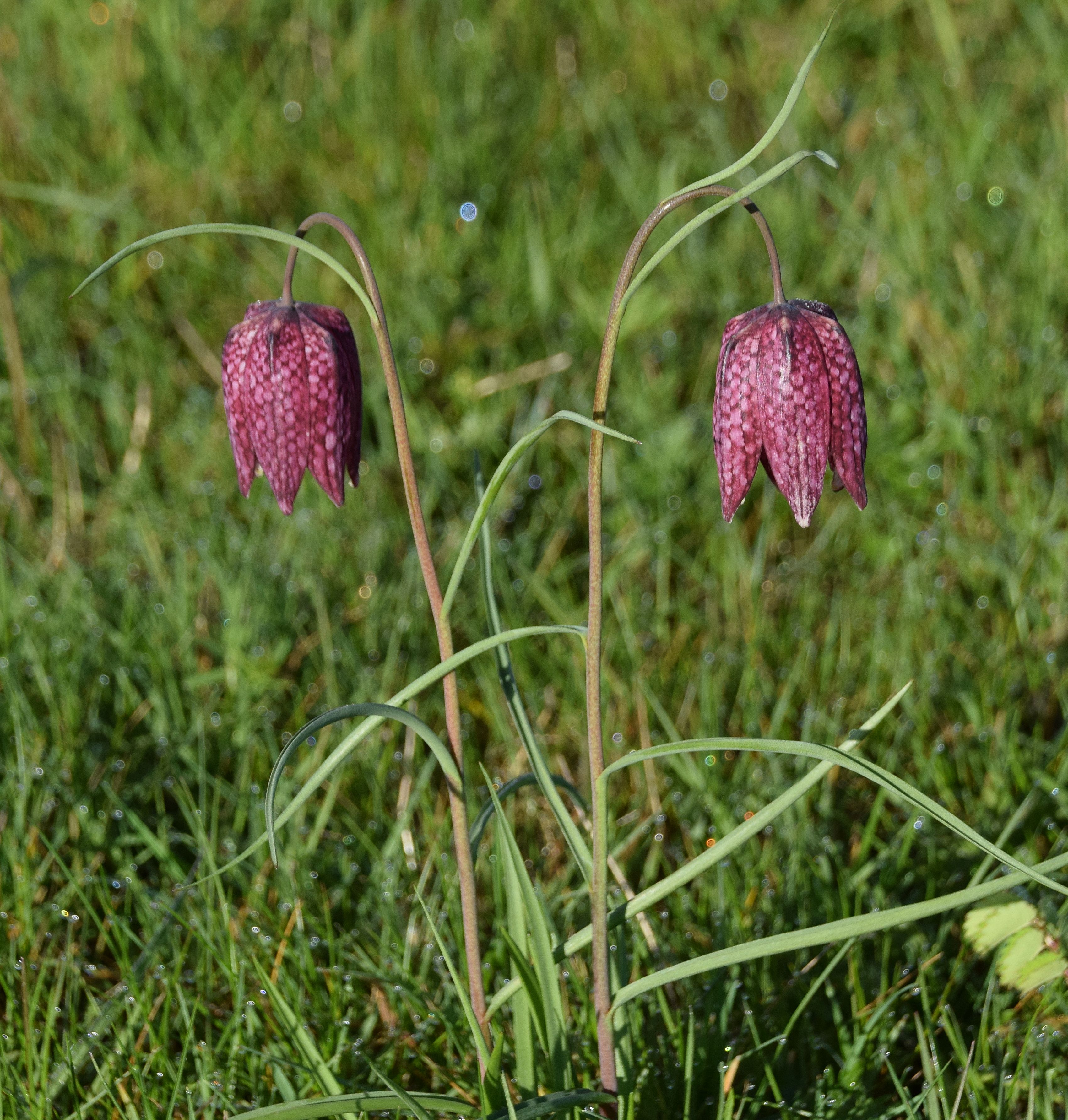

I spent around an hour here treading carefully amongst the sea of nodding, delicate, mainly purple, pink or berry-red chequered flower heads (pictured above), depending upon how the light caught them. These are said to look their best early in the day when backlit by the low spring sun. Smaller numbers are cream coloured with green highlights. Local residents I met all knew what I had come for, such is the reserve’s popularity with wild flower enthusiasts at this time of year.
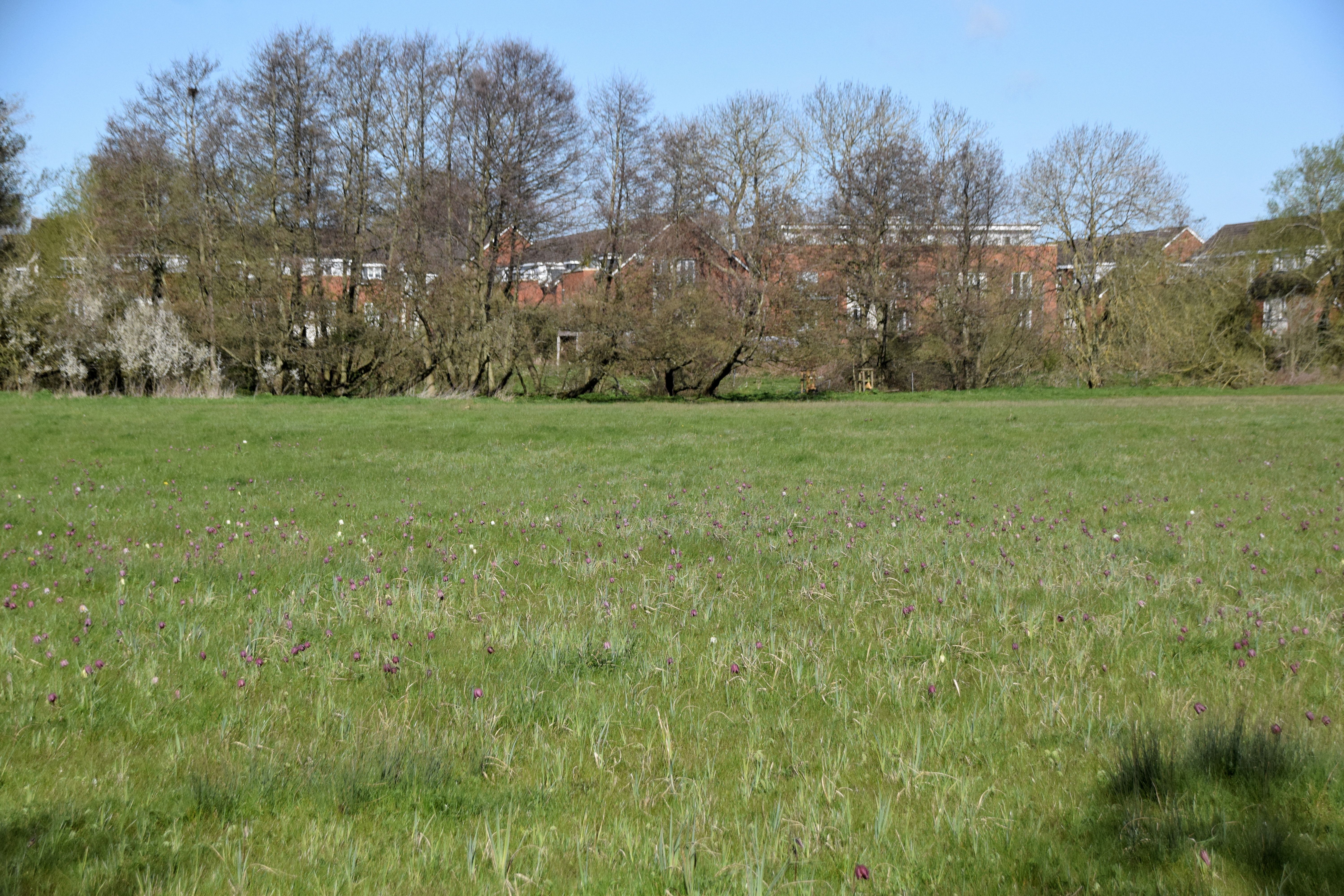
Six days later (13th) I returned to see if the display was any more advanced in numbers but found that first spot to be much the same since a lot of blind plants were just the same. Then walking away I met an Oxon birder who lives nearby and he told me the best field is over a stream beyond the reed bed in the second picture from top (above). So I went back to take a look and now recognised the scene of the survey video on the reserve website.

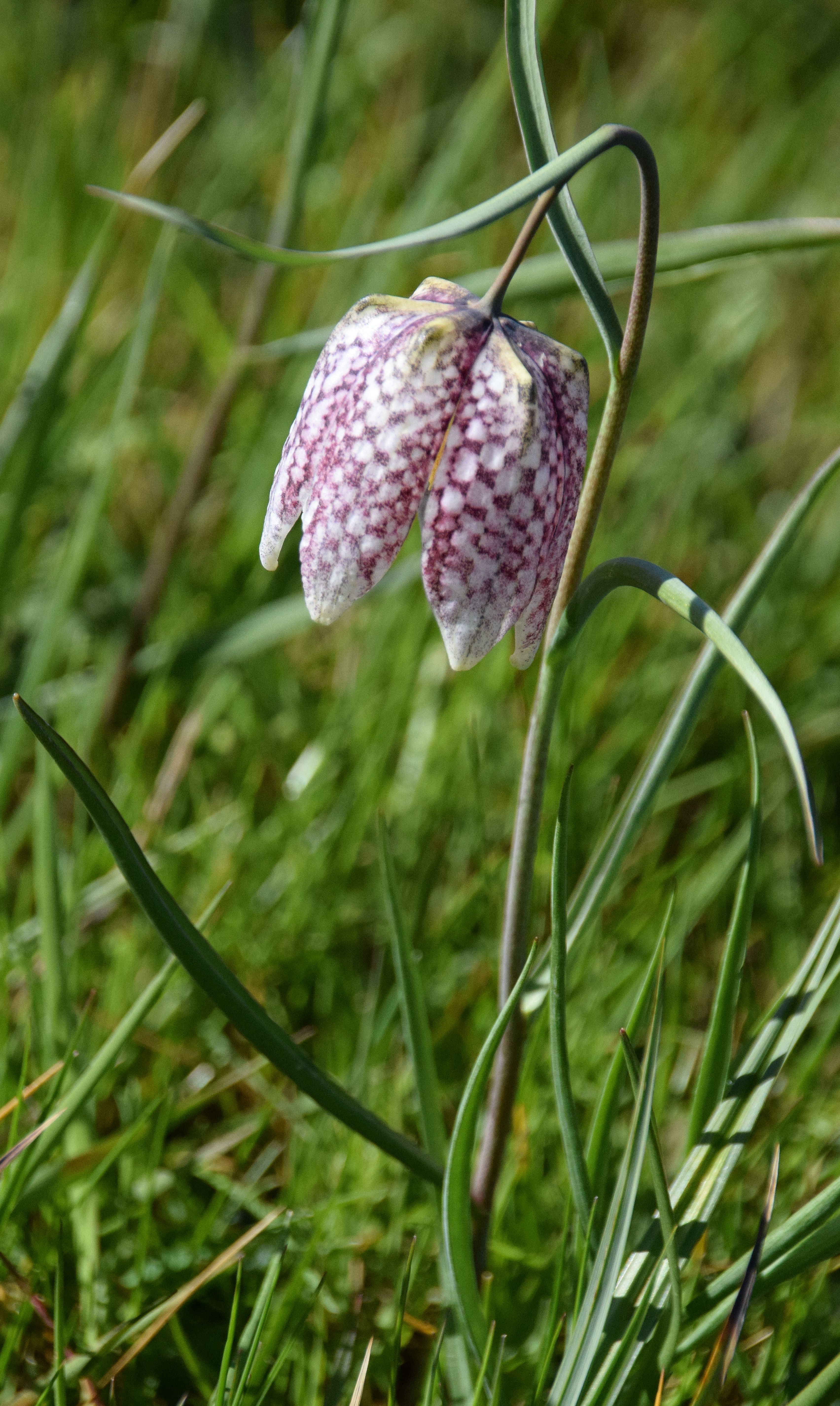
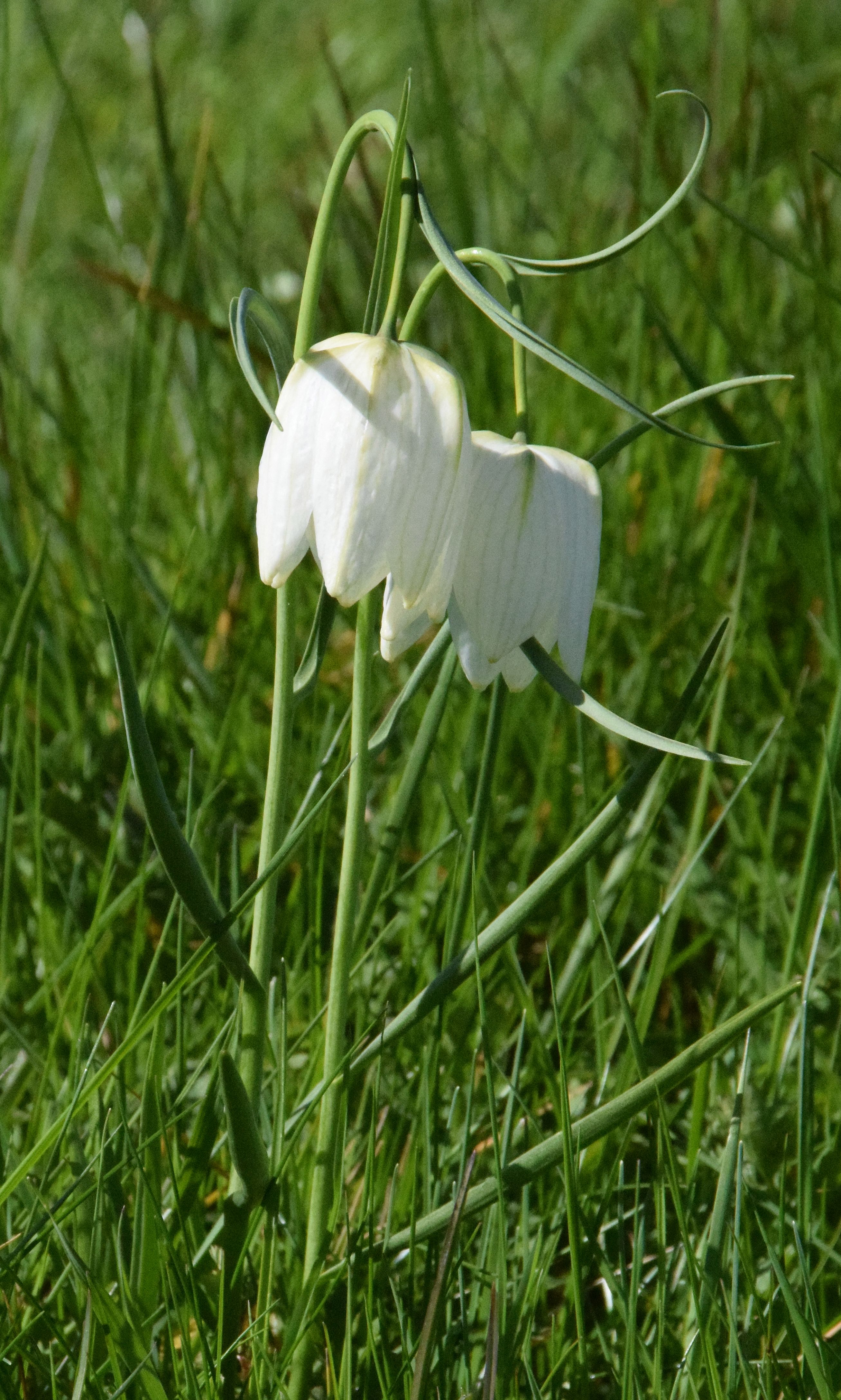
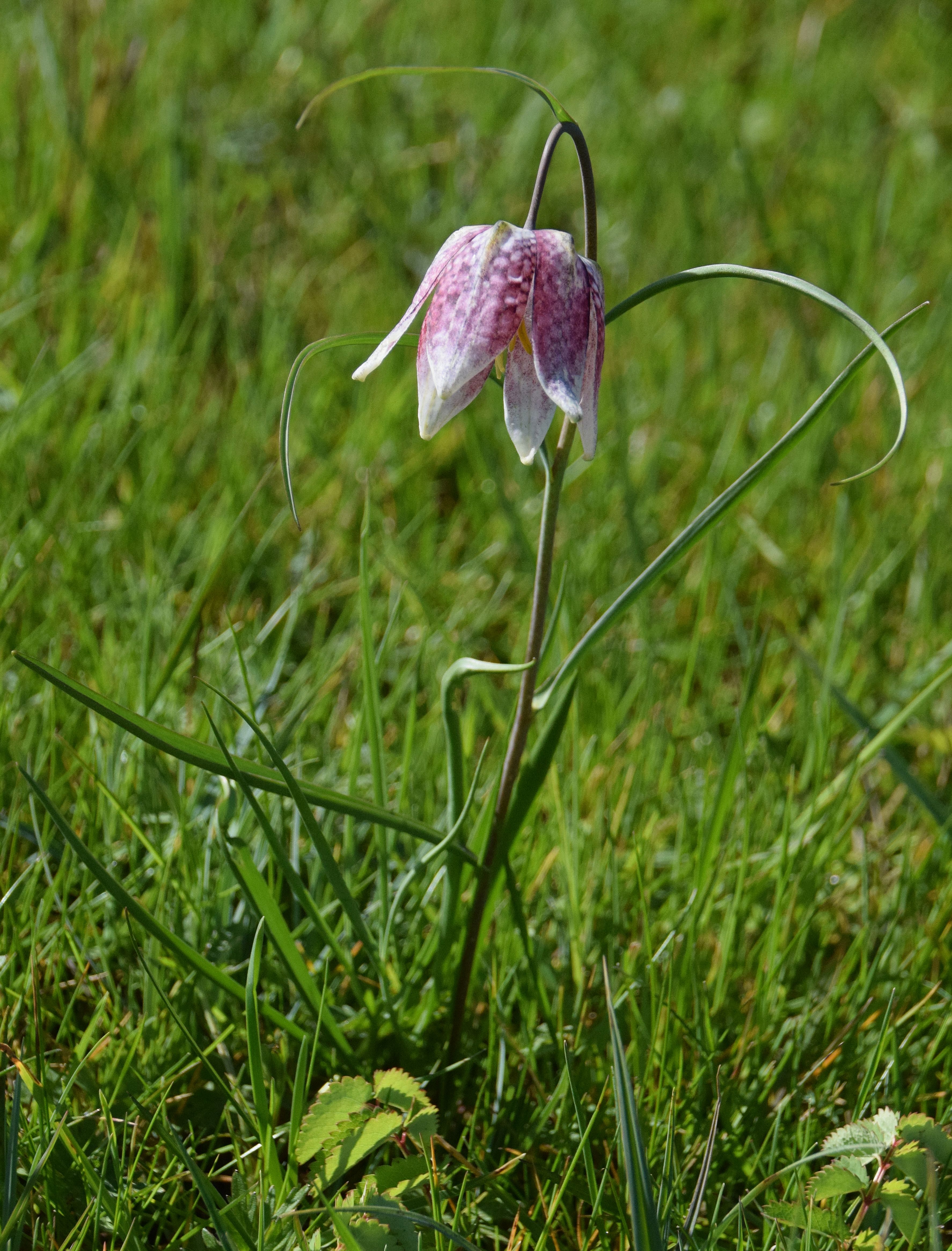
Here, adjacent to Weirs Mill Stream was indeed a greater density of Fritillaries though still many blind plants. Amongst them stood out a proportion of paler mauve blooms (pictured above) that I found especially attractive. Having gone into a new season looking as ever to evolve my wildlife interests I came across more botanical sites when researching new Orchids to seek out locally. So I feel pleased to have at length taken the opportunity to experience a true local treasure. Welly boots are essential when visiting this site.
 Ramblings and Scribblings
Thank you very much Peter – much enjoyed!
I have always got a sense that I am looking in the wrong place in Iffley Meads – so I’d love to pick your brains as where the right place to go to find the blooms is! If you’re entering the meadow from the gate on the river, nearest the Isis Farmhouse, where do you go to find the field you mention above?
Many thanks for directions!
LikeLike
Cross the field ahead of you then turn right and walk along the line of the reed bed. When you come to a gap cross the little book into the next field nearest the houses / flats and walk left to the far end.
LikeLike