After early second helpings at Iffley Meadows on this only fair weather day of the week, I moved on to the other of Oxford’s famous Fritillary sites in the parkland of the historic and august University district. The first of those experiences had been pleasing enough but I could in no way have imagined the superlative quality and sheer joy of the floral spectacle that was about to dwarf it.
Immediately east of Magdalen College there is an ancient wild flower meadow covering an island between two branches of the River Cherwell. Around it’s perimeter and flooded boundary ditches runs a series of paths, Addison’s and Magdalen Water Ways (SP521064) to which Oxford residents are not charged for admission. There is no public access to the meadow itself, which is surrounded by rather formidable and unsightly black iron railings. But it was immediately plain to see the scale and intensity of the Snake’s head Fritillary colonies lying within (pictured below).
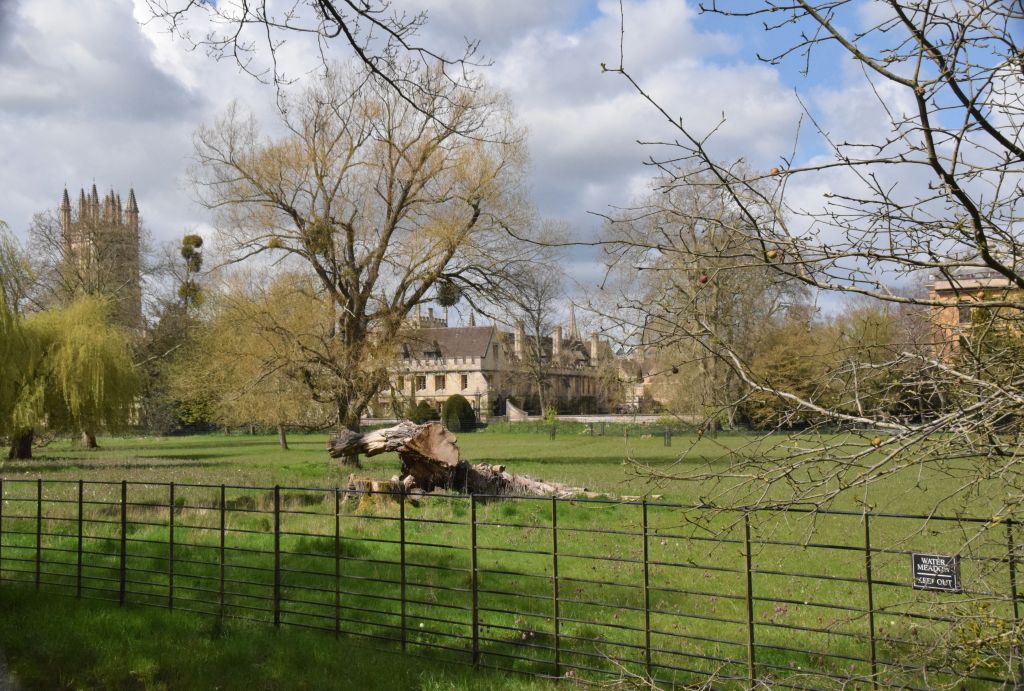
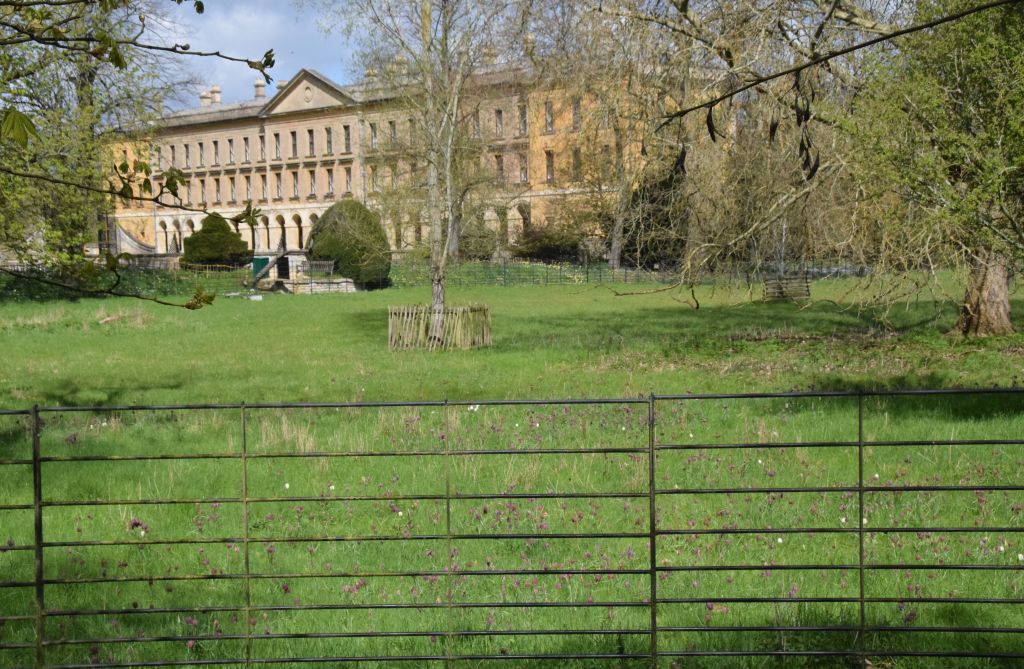
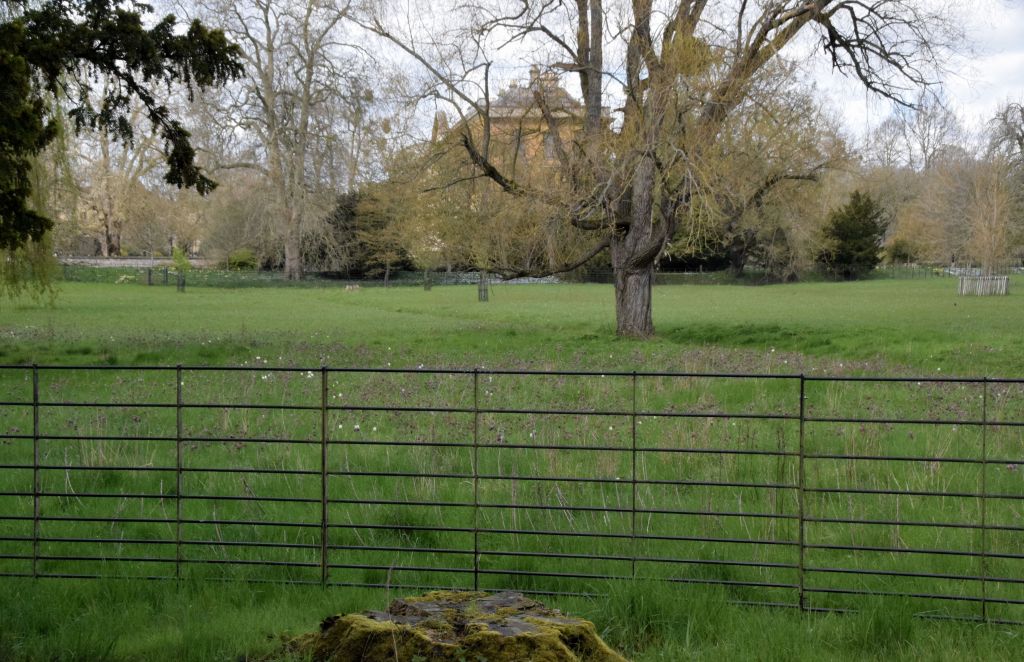
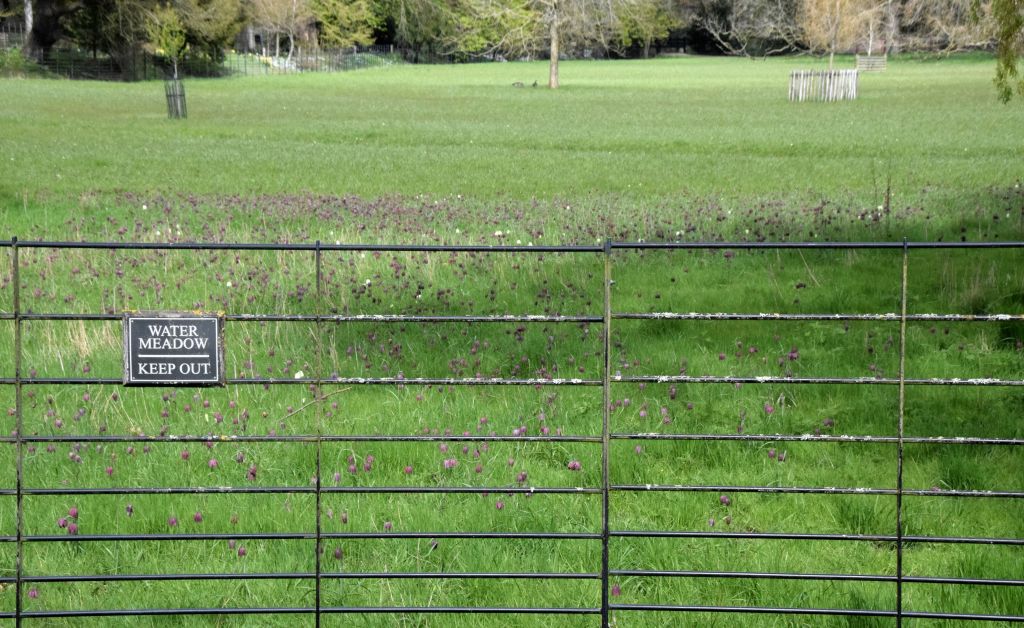
If Iffley Meadows has 90,000 plants there must be millions here. I believe the beautifully maintained park has changed very little since the late 17th century, and has been immortalised in literature and verse by Joseph Addison (1672 – 1719) and later C S Lewis (1898 – 1963), both former fellows of Magdalen College. Given such unending sympathetic management and lack of disturbance it is plain beyond measure how the spring wild or naturalised plants here must just have carried on multiplying to the present day.
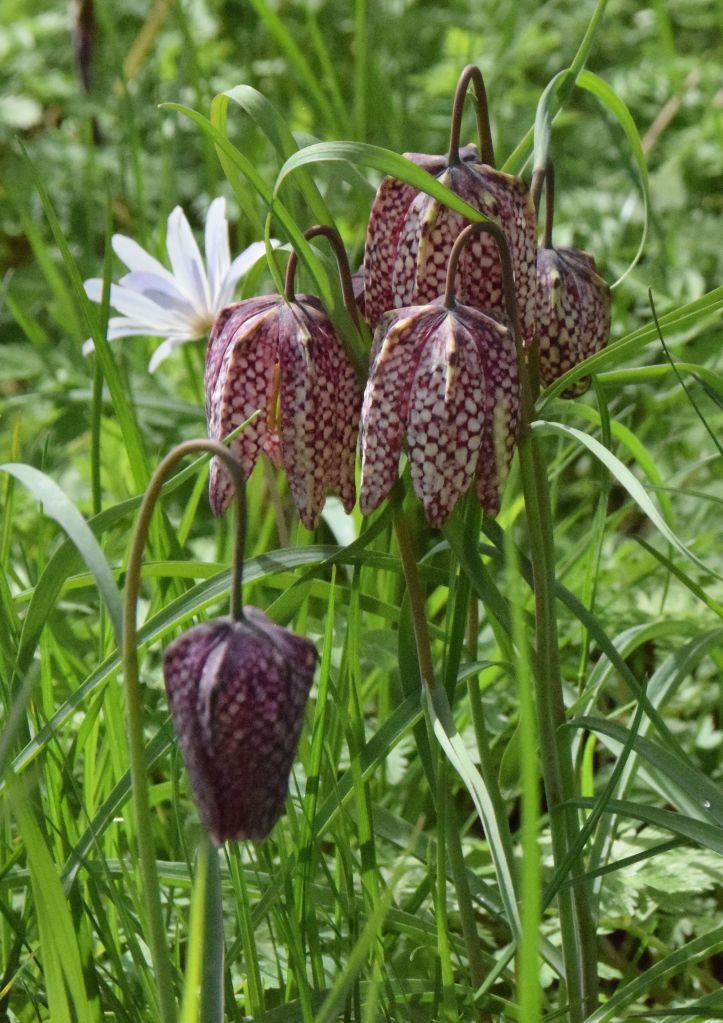
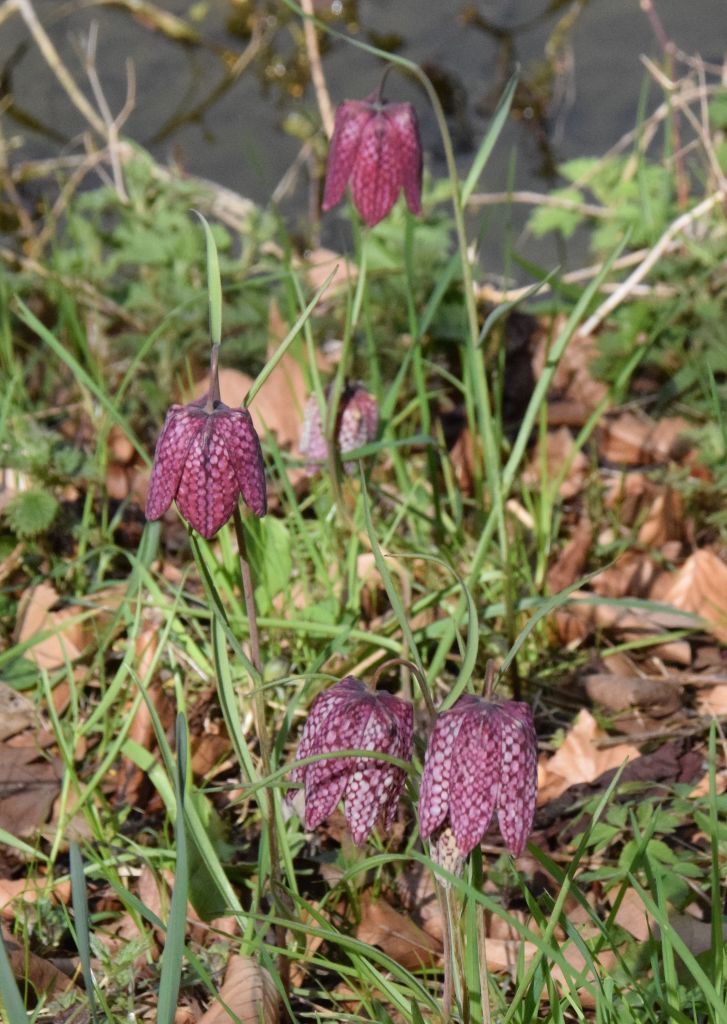
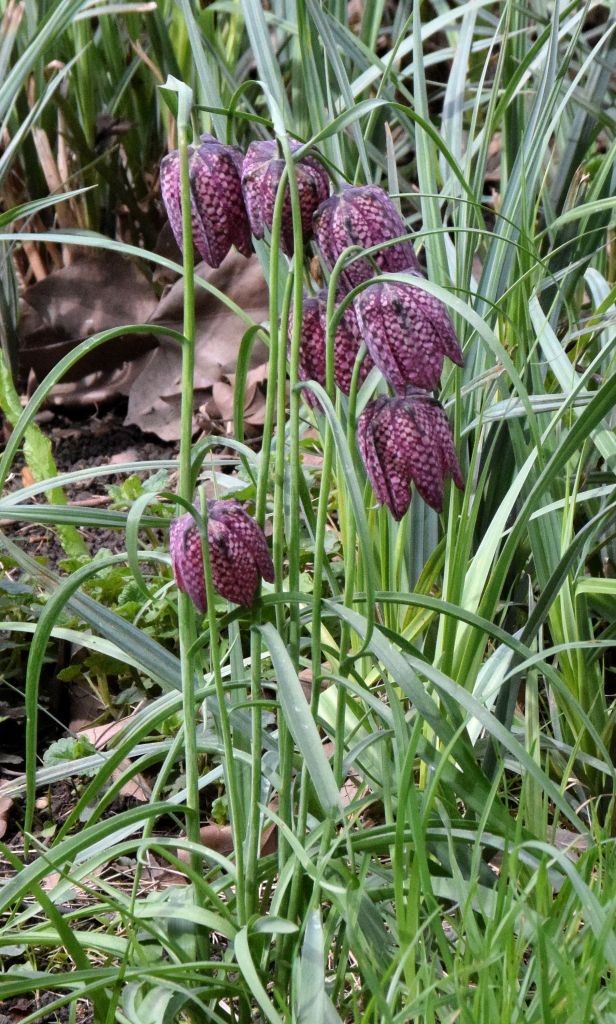
Where it is possible to get in amongst the Fritillaries is the adjacent Fellows’ Garden and that is where this experience went off the top of the scale. Between the hard path through here and the main channel of the Cherwell the nodding, swaying bells stretched before me as I walked on, mixed in with waterside plants, fading or gone over spring Narcissi and an even greater profusion of blue and white Anemones. The latter proliferate across the parkland and became very noticeable as soon as I started the waterside walk (below left). But in here there is a continuous dense carpet out of which countless Fritillary flowers rose all around in biblical quantities.
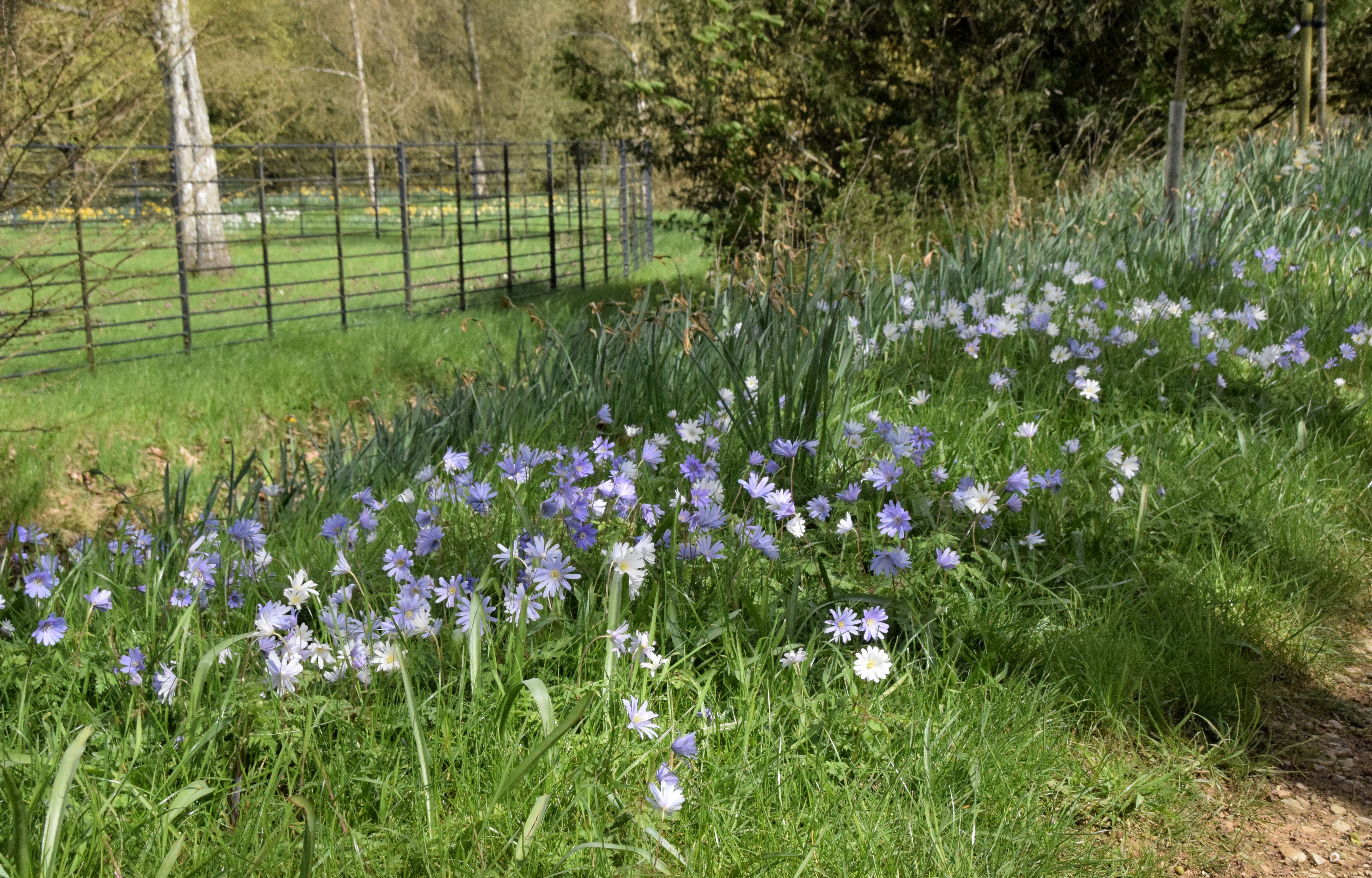
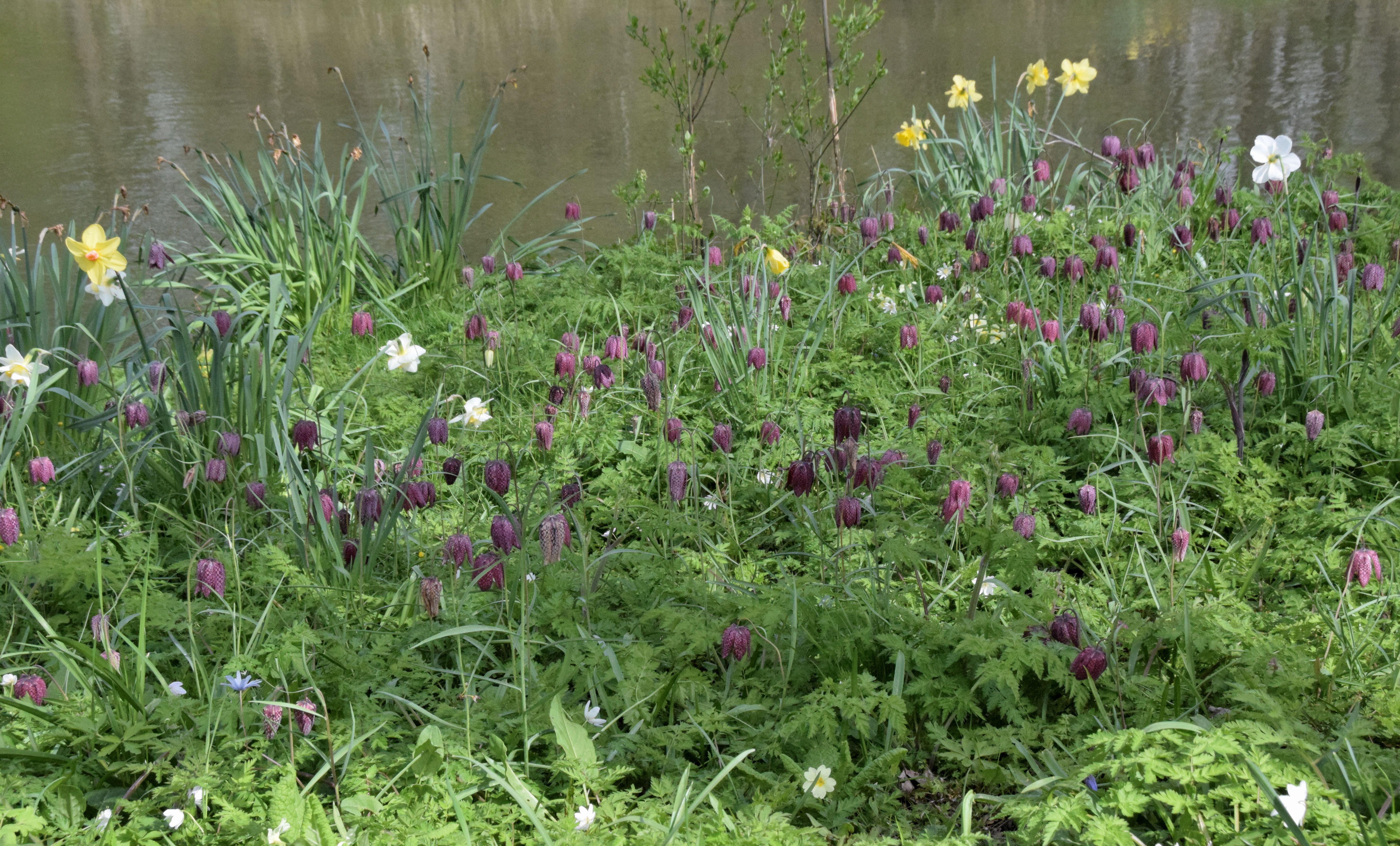
If there are millions of Fritillaries in Magdalen College grounds there must be trillions of naturalised Mediterranean Anemone blanda, and the visual juxtaposition and interaction of the two plants in such vast numbers was simply breath-taking. That quality peaked to the right of the path near it’s far end from the entrance where there is a circular walk around a bank covered in both species and that is where the following pictures were taken.
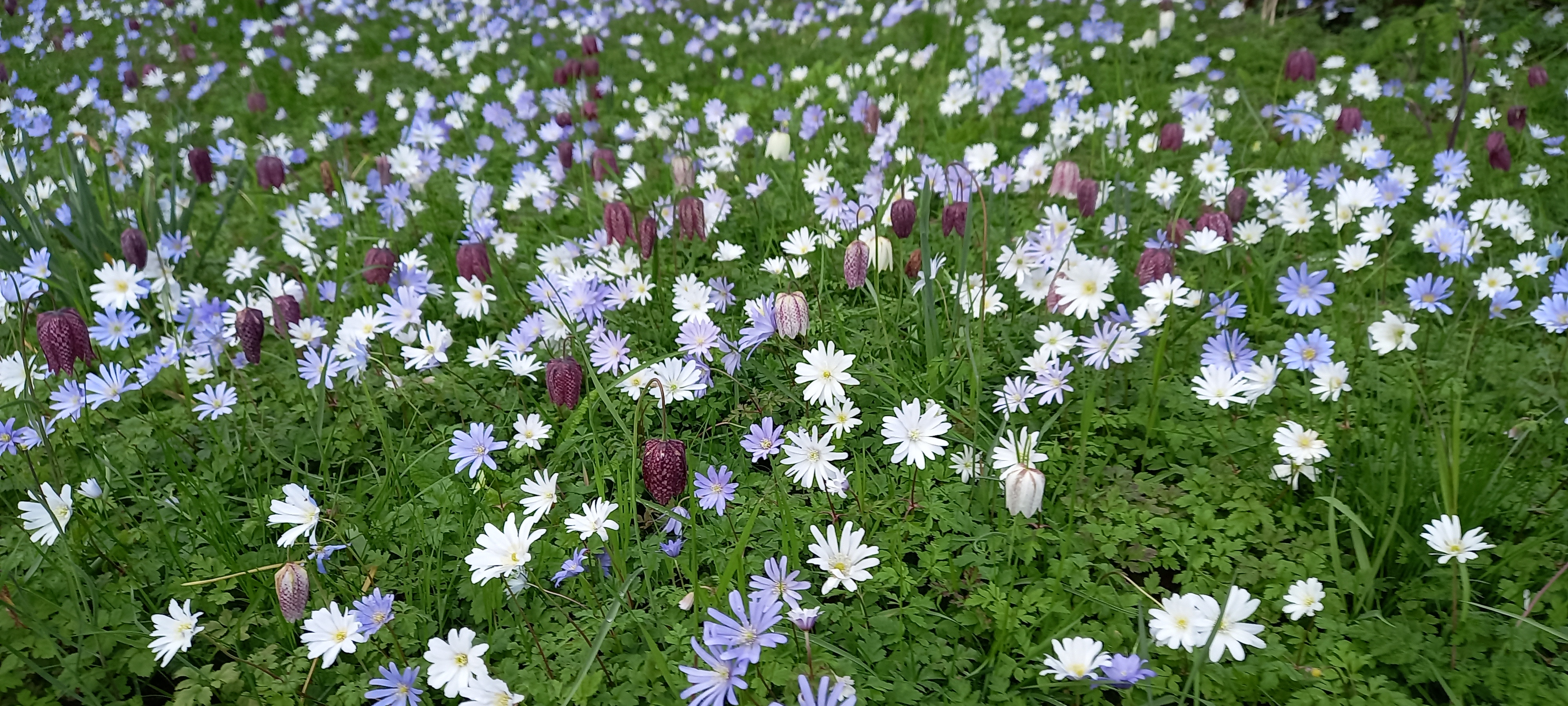
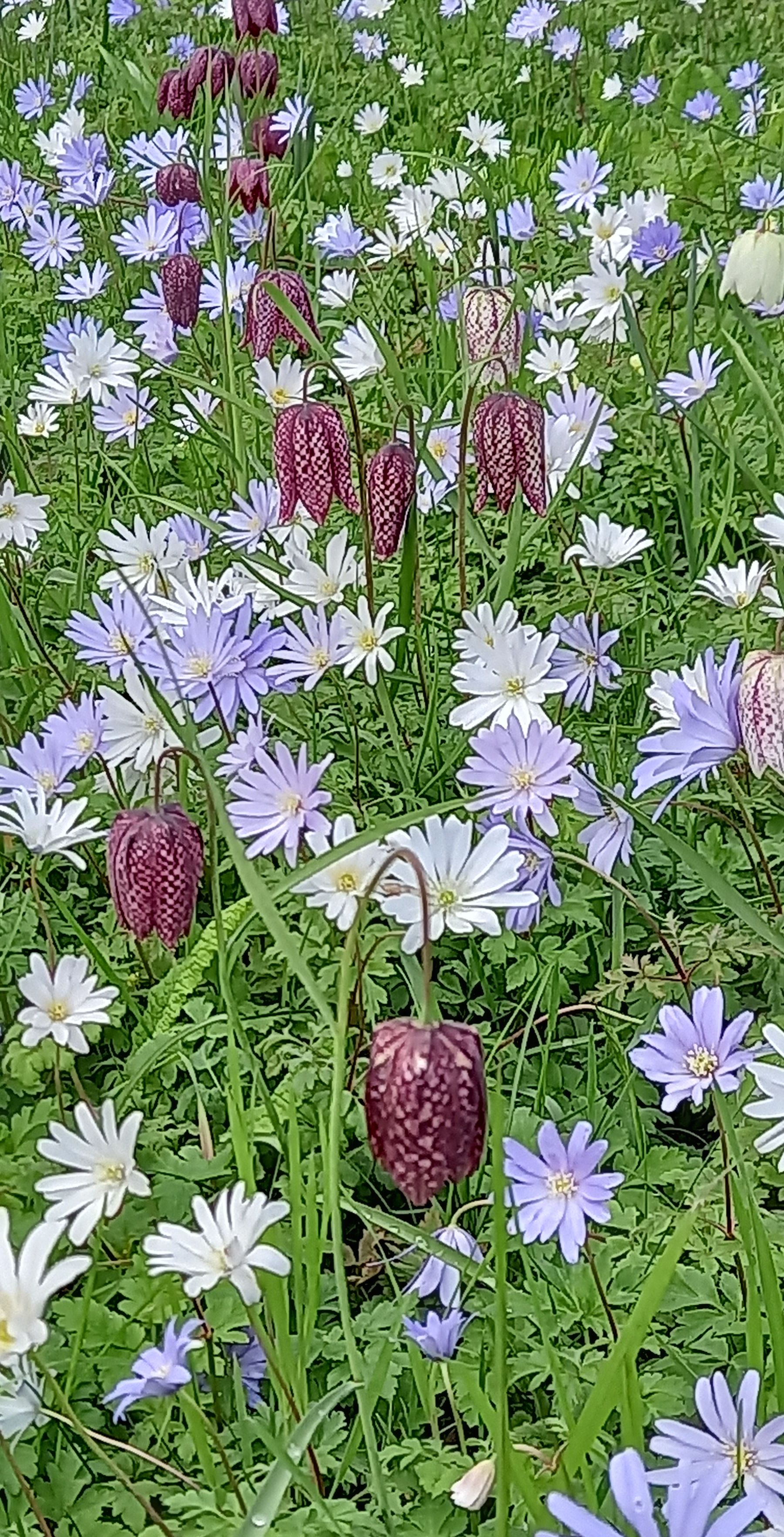
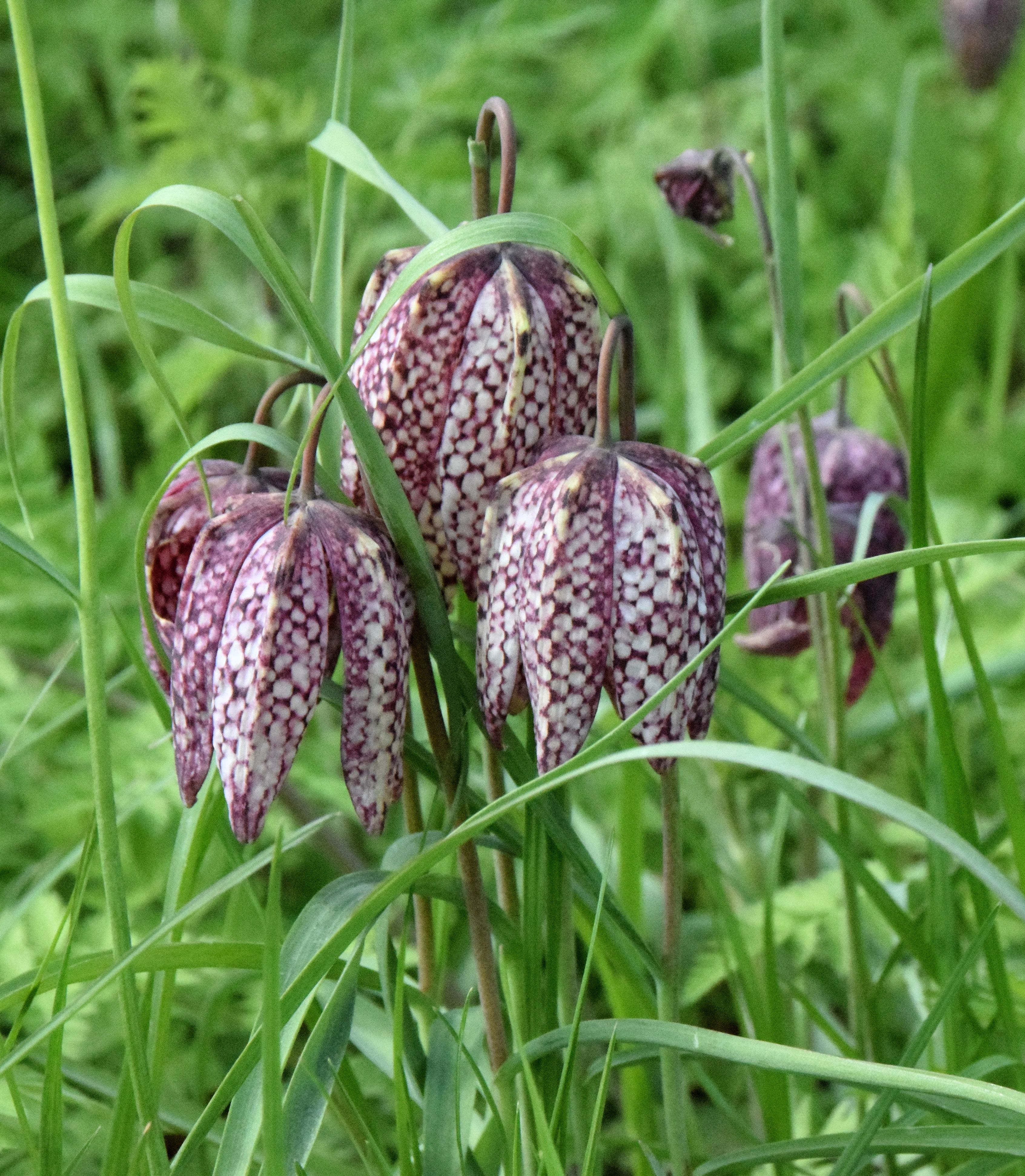
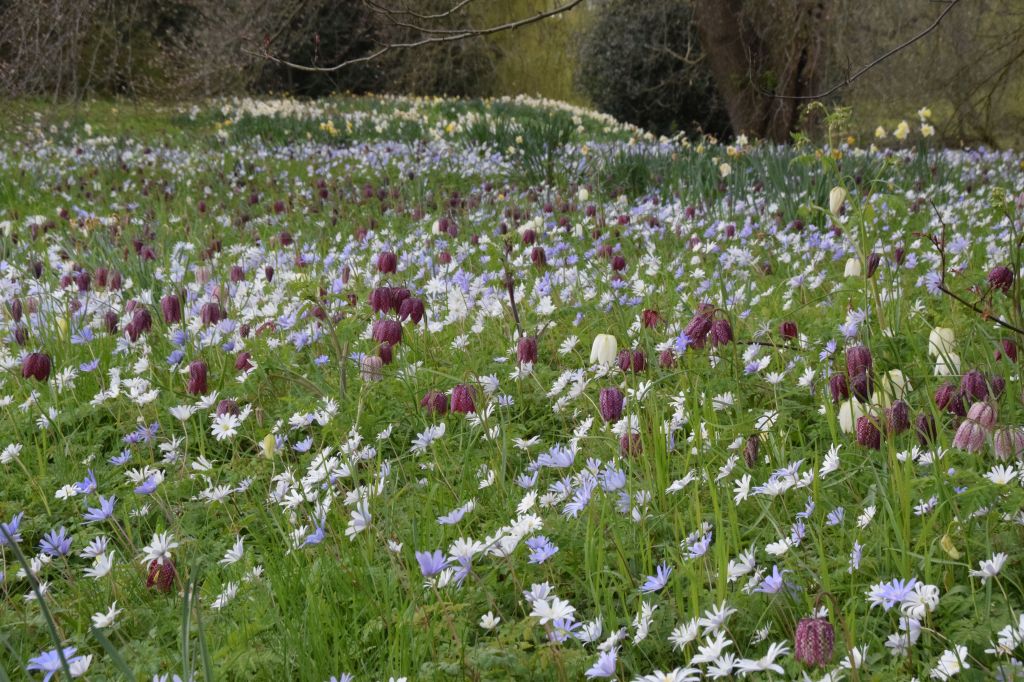

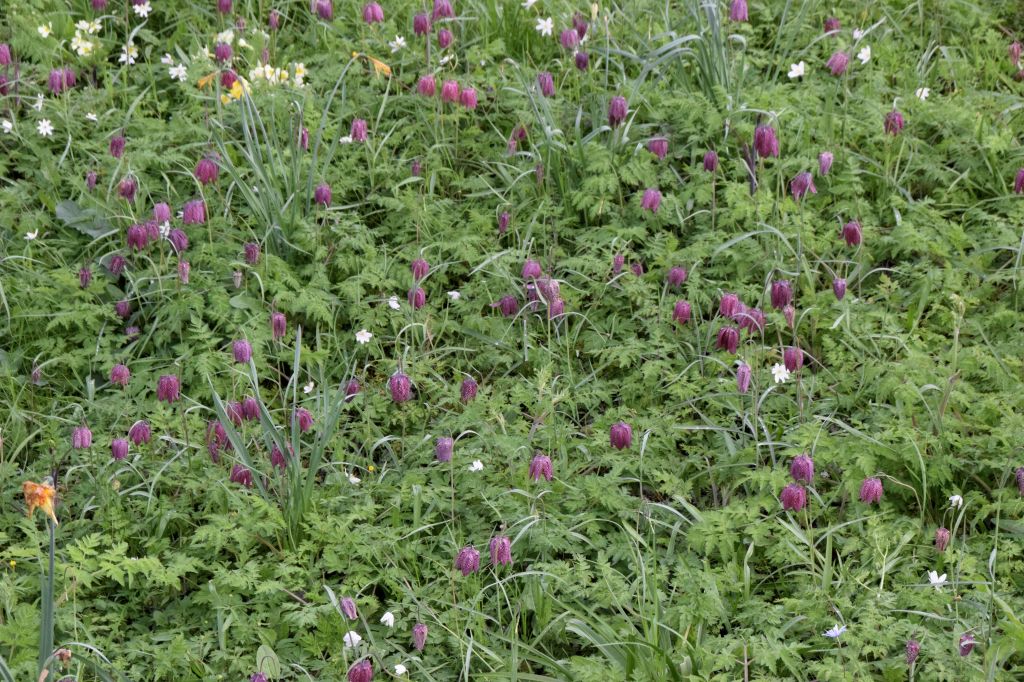
Having lived close to Oxford for more than 35 years and counting, how could I have not been aware of this until now? It is difficult to find words to convey adequately the spectacle I am attempting to describe, which is perhaps much better achieved in pictures. This was quite simply the most stunning and stimulating “wildlife” experience I have enjoyed and one of the best things I have done for quite some time … and it gladdened my heart.
 Ramblings and Scribblings