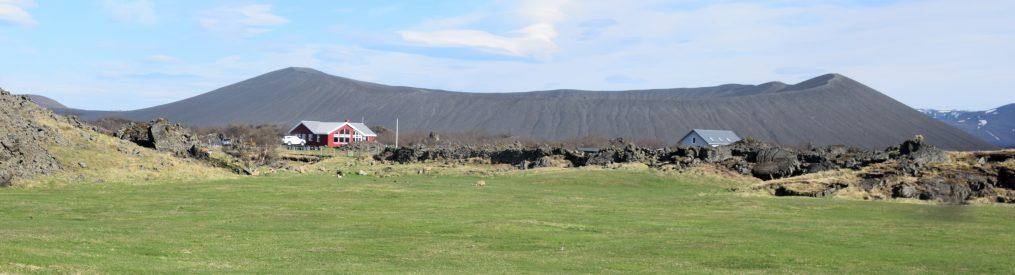
I had first planned a solo expedition to this region in the Covid spring of 2020, prompted by the large-part failure through foul weather of the previous year’s Greenwings False Apollo tour (see here and here). Back then I had opted to forgo the convenience company, cramped minibuses and end of day sit down meals of group tours in favour of attempting to self-find up to 15 more butterfly lifers. This year that challenge still appealed though after three intervening seasons of enforced British list re-working I reasoned just being out in the mountainous wild again amongst southern European butterflies could be sufficiently rewarding even if the more specific trip agenda is not achieved.
Such a compromise approach seemed sensible given the difficulty of most of the species on my wish list. Three tricky ones are Southern, Mountain and Krüeper’s Small Whites that may all be found in Nestos Gorge, which had been the most spectacularly washed out location of all on that 2019 tour. The next Greenwings group in 2022 logged 37 species in near perfect weather conditions. Hence I elected to give things two full days there, anticipating a lot of careful scrutiny of on the wing subjects should the weather oblige.
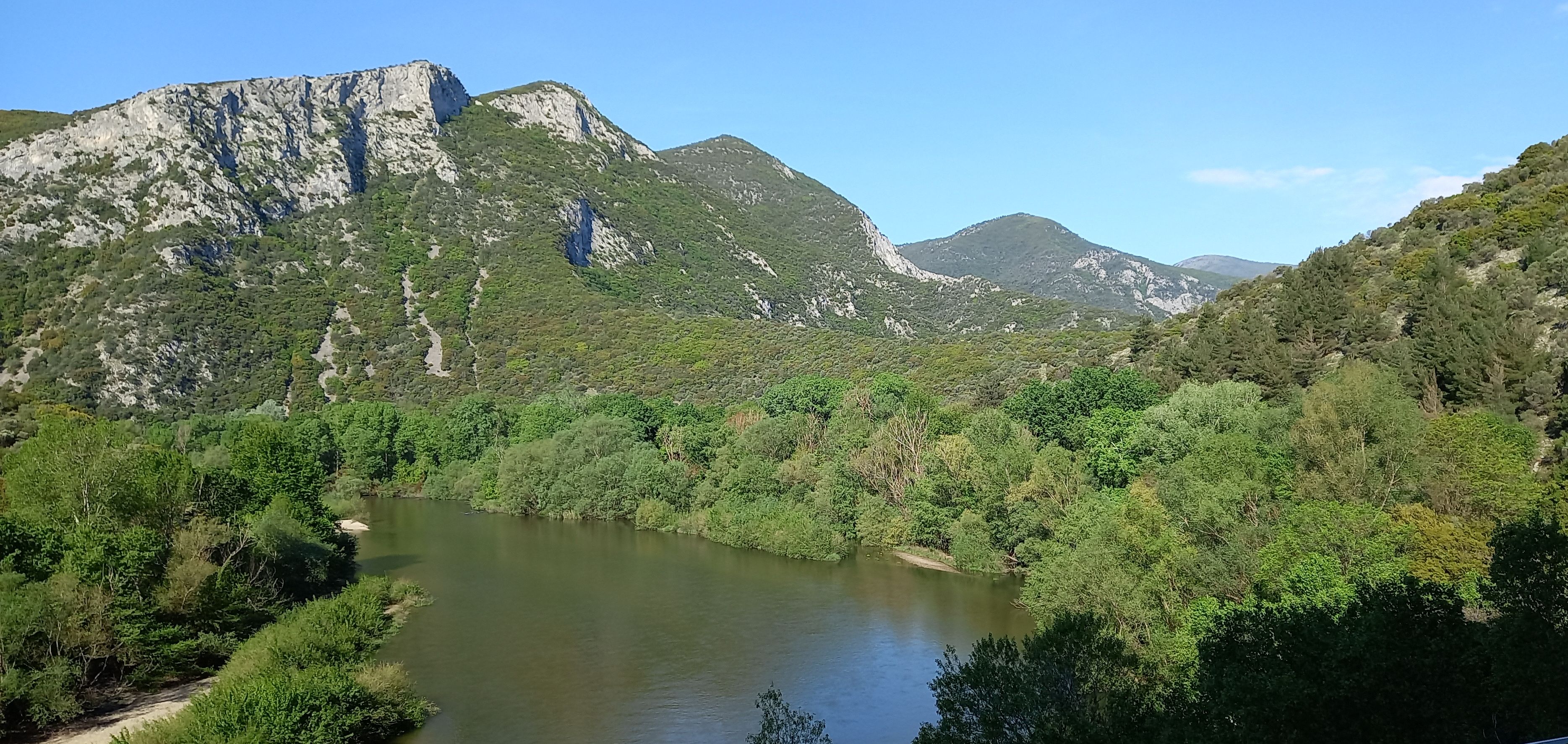
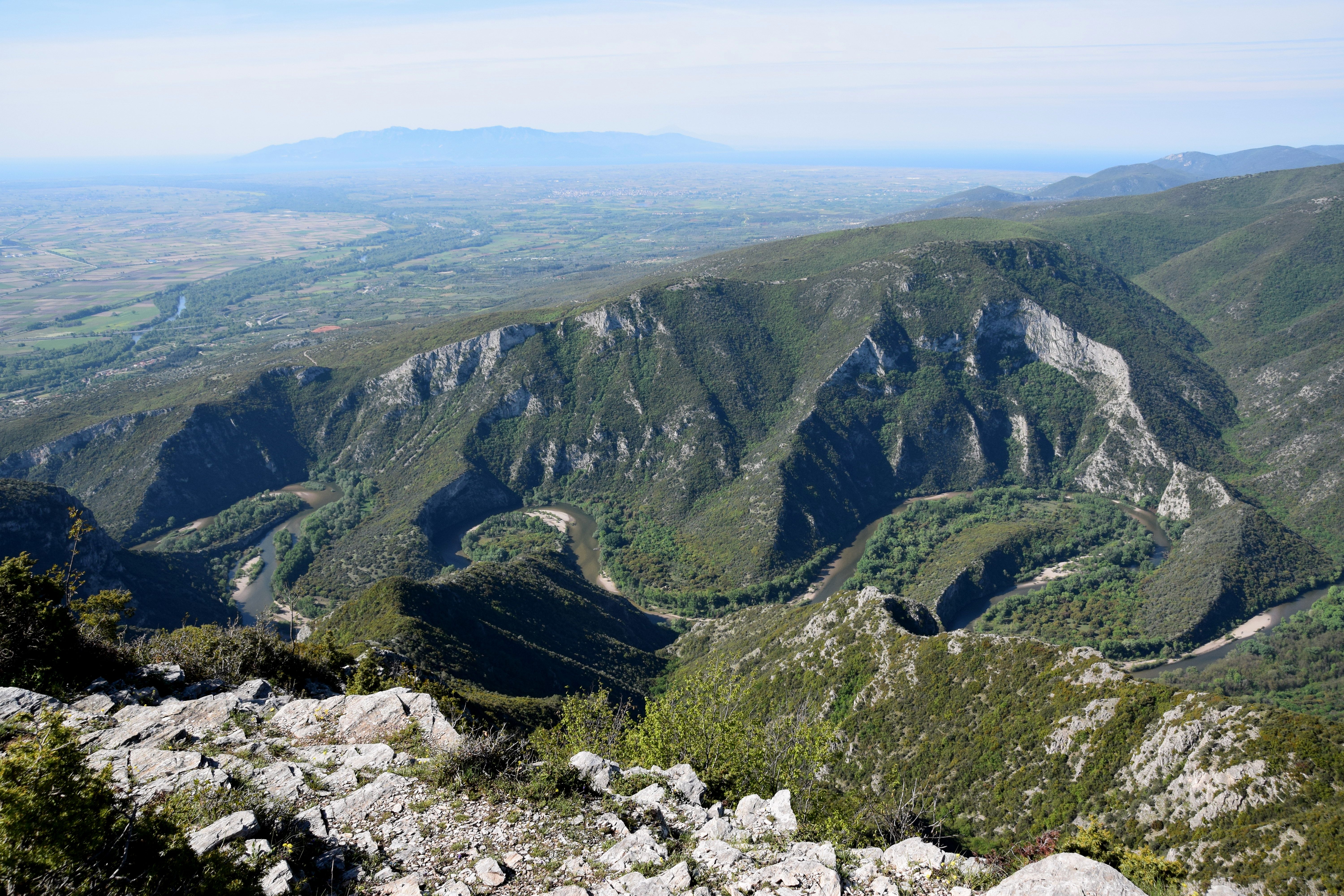
For my base I chose the nearby town of Xanthi, where upon arriving in the early afternoon of 30th April conditions turned showery, so I opted for a half-day of acclimatising after two days of travel. Nestos Gorge is accessed via an adventure park so I was mindful of that on a Sunday before embarking upon the serious wildlife agenda a day later. Monday morning (1st) was gloriously sunny but still cool as I walked out along 10 km of what is described as one of the most scenic and environmentally rich hiking trails in northern Greece (pictured above). When the sun rose above the cliff behind me as I approached a butterfly-friendly looking stretch they began to appear. Then the first Small White to cross my path was at once recognisable as a trip target.
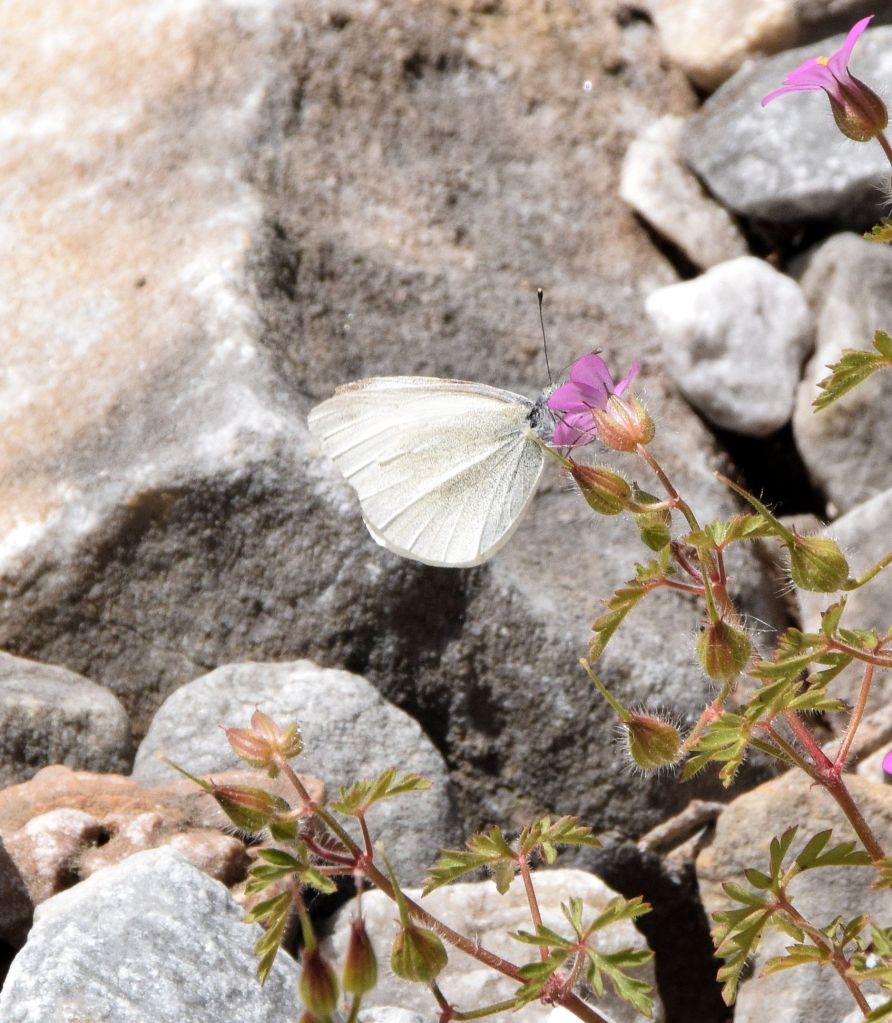
Mountain Small White (pictured below) is not as big as the regular variety and my first sighting had a delicate, bouncy flight style more reminiscent of Wood White. When this butterfly settled the diagnostic pale, square forewing tips were apparent at once. First brood males such as this also have much fainter black dots on the forewings.
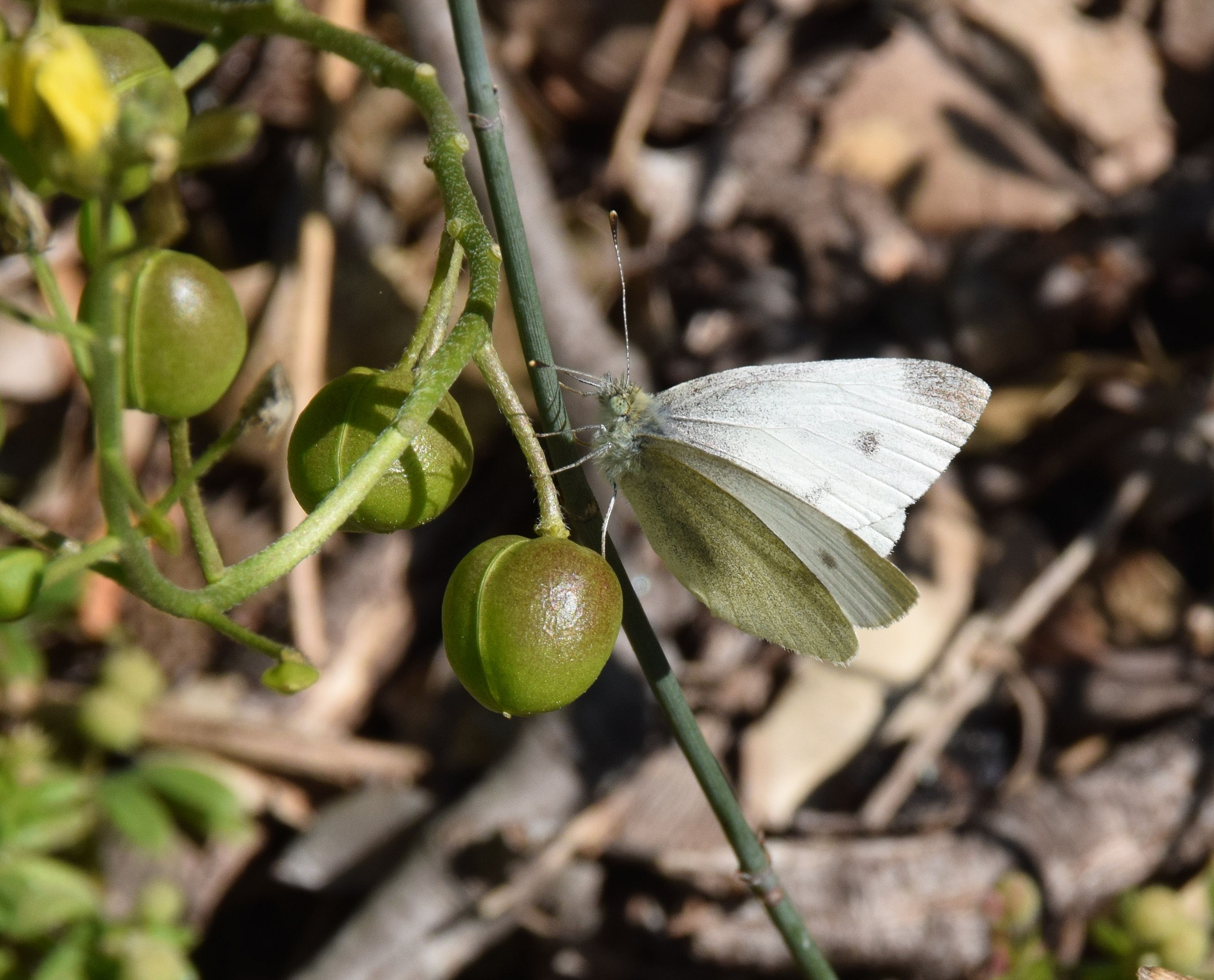
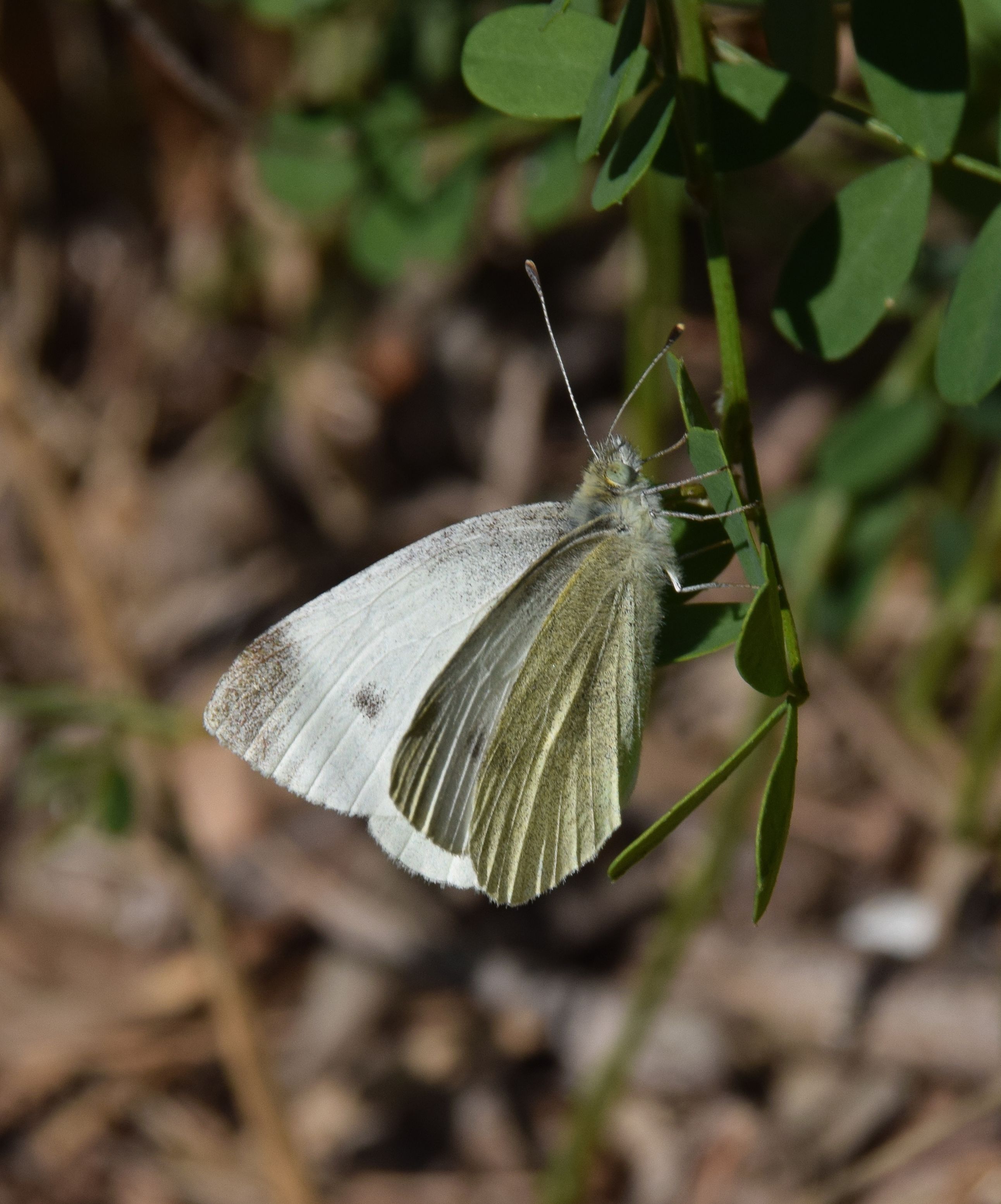
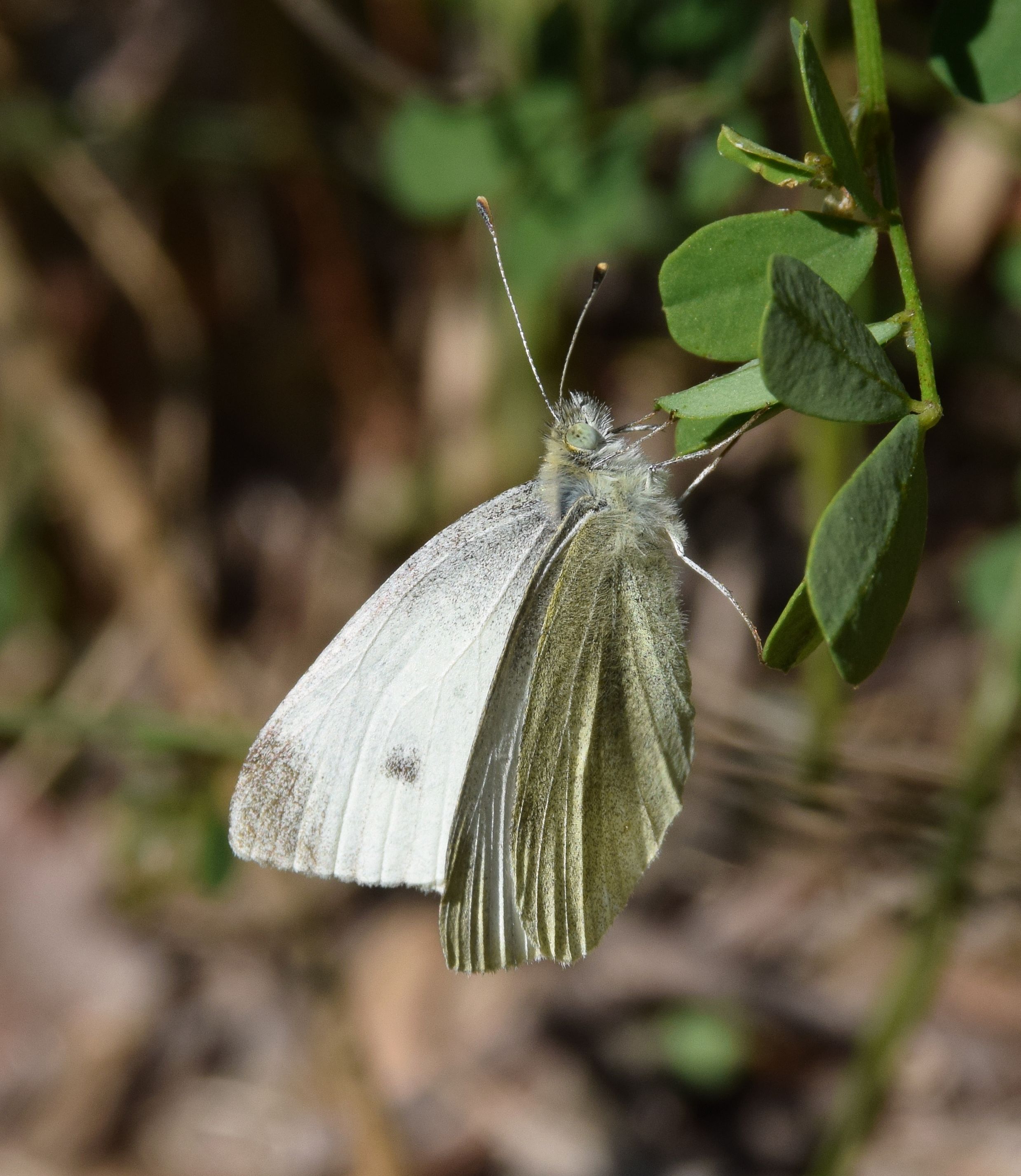
This Mediterranean and Middle Eastern species flies in a series of broods from April to August, favouring dry, open, stony places. Of the Small Whites encountered further along the trail I thought most were probably more of the same on jizz. There were two candidates for Southern SW, but each time other walkers passed at the moment when the butterflies allowed me to get close with the camera.
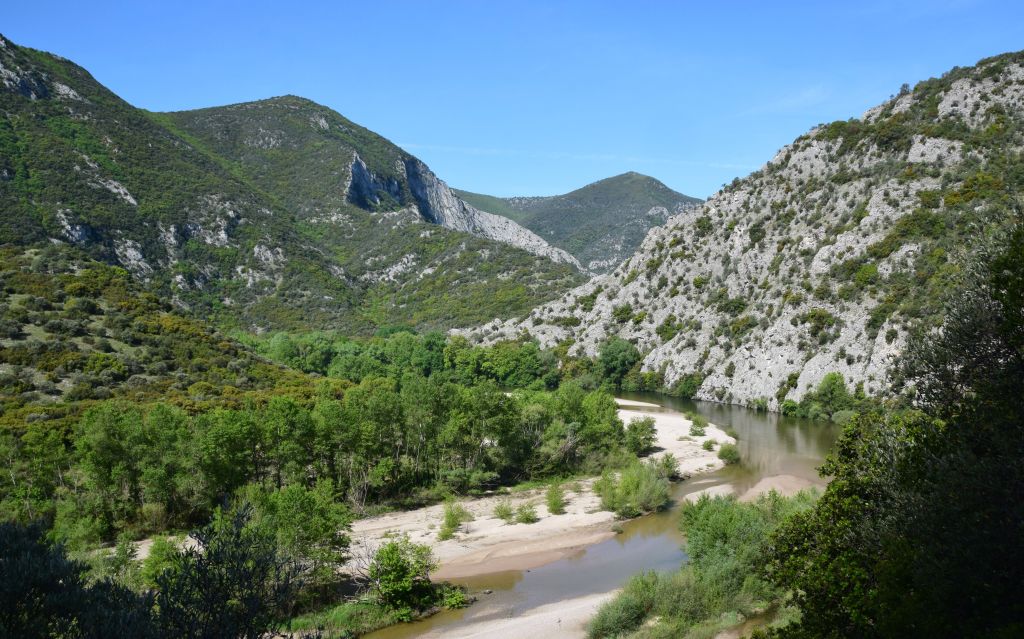
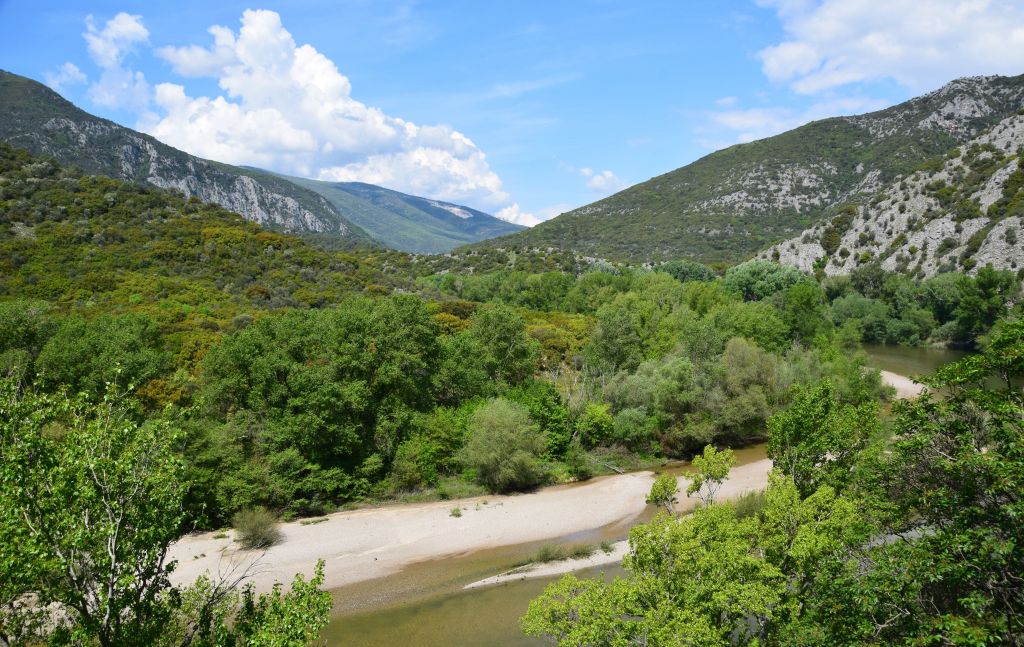
Nestos Gorge is a spectacular location and after the wash out of 2019 I was so pleased to be experiencing it in all its stunning glory (above). At around 12:30 I turned back to concentrate on finding the other two Small Whites in the better butterfly habitat. But my app had forecast early afternoon showers and a thundery build-up began right on cue. My luck held as I reached the adventure park just before it rained to be met by a sea of humanity, then I got out of there just in time. A huge May Day holiday event was in progress and with no marshalls the car park looked about to become gridlocked.
From the start of the entrance road to the Gorge runs a high road that winds its way up for 10km to a viewpoint from where it is possible to see as far as Bulgaria and Turkey on clear days. The Greenwings group had been there and the rain having soon passed I now went up. The habitat looked good for ground flying butterflies, so I sat in the car and waited for my app’s renewed sunshine.
But conditions remained largely cloudy and cool, so after an hour I resolved to come back in the morning and left. My Tuesday forecast was for wall to wall sunshine and the adventure park would be closed. Hence I could spend the rest of the day in the gorge and major on Southern and Krüeper’s Small Whites. Unexciting as those species might seem to others I would surely not have a better chance of finding them than here.
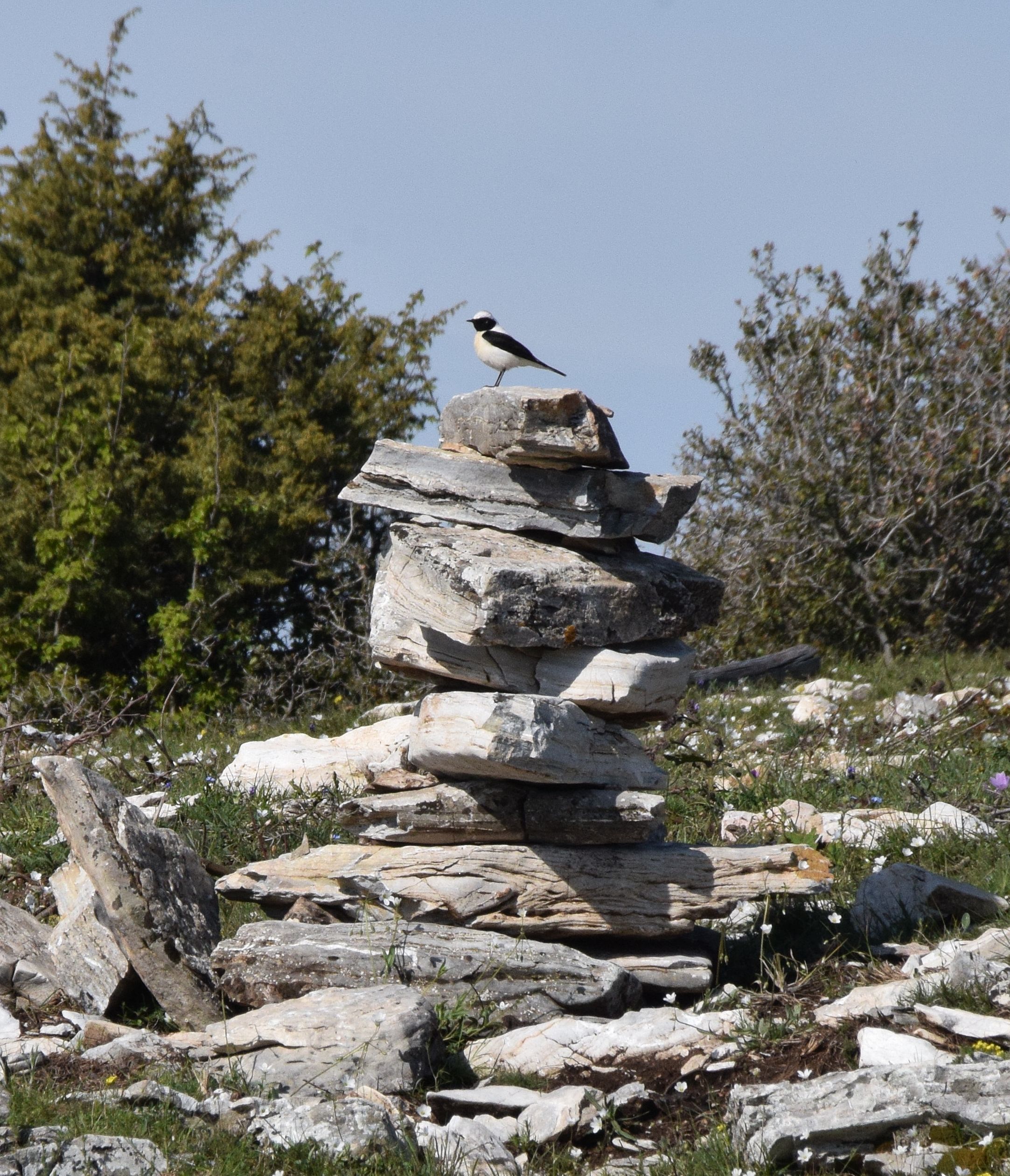
In my first hour on 2nd the sum total of butterflies seen at the high viewpoint was one Orange Tip. What looked like a resident pair of Black-eared Wheatear enlivened my search, while Dartford Warblers rattled away in the bushes and the lilting song of Woodlarks drifted through proceedings from the middle distance. Below to the west the grand scale of the complete route I had walked on Monday (pictured below) was viewable almost in miniature from where I was now standing.
When I went back down there appeared to be a similar lack of butterflies along the hiking trail. Eventually while I was watching this Balkan Wall Lizard (below left) a Krüeper’s Small White flew over my shoulder and landed right in front of me. But having confirmed the ID I was too slow with the camera and off it went again down the slope.
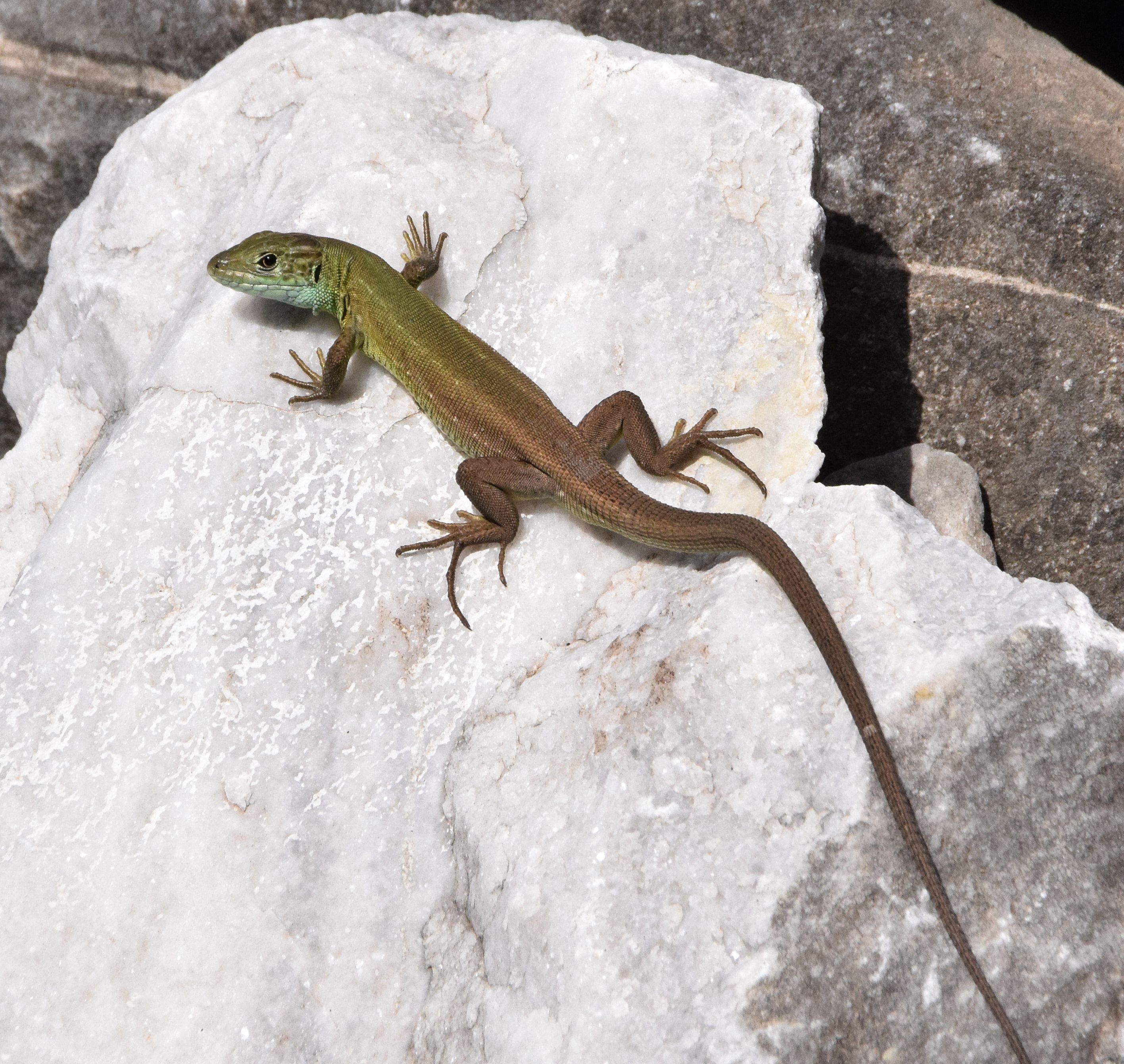
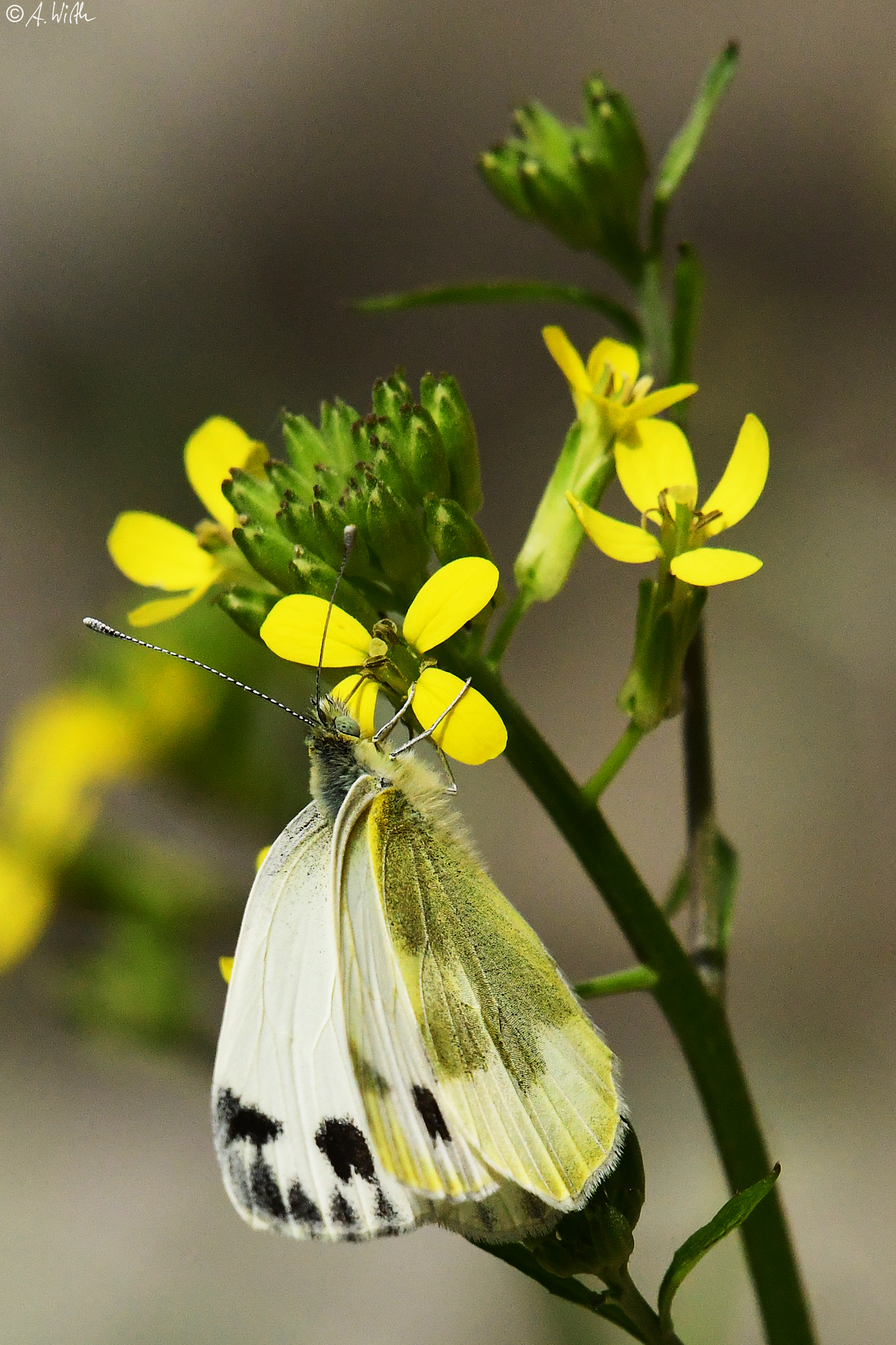
Balkan Wall Lizard (left) and Krüeper’s Small White (right) © and courtesy of Alex Wirth
Like the previous day’s lifer this butterfly was instantly recognisable, this time by the blotchy green underside hind-wing markings and the chequered topside wing tips. The first of those diagnostics is darker in the first brood and less pronounced than in Bath White. This multi-brooded species flies from March to August, in the southern Balkans and Greece where it is very localised and occurs in small numbers. The range extends through Anatolia and the Middle East to the northern Indian sub-continent.
When the butterfly did not return I walked on, but a German group I had passed on the trail caught me up and they had seen the Krüeper’s as well. Their leader showed me his own picture (above right) and confirmed that spring is late in Greece this year. Hence the paucity of butterflies being encountered by me, compared with last year’s Greenwings group.
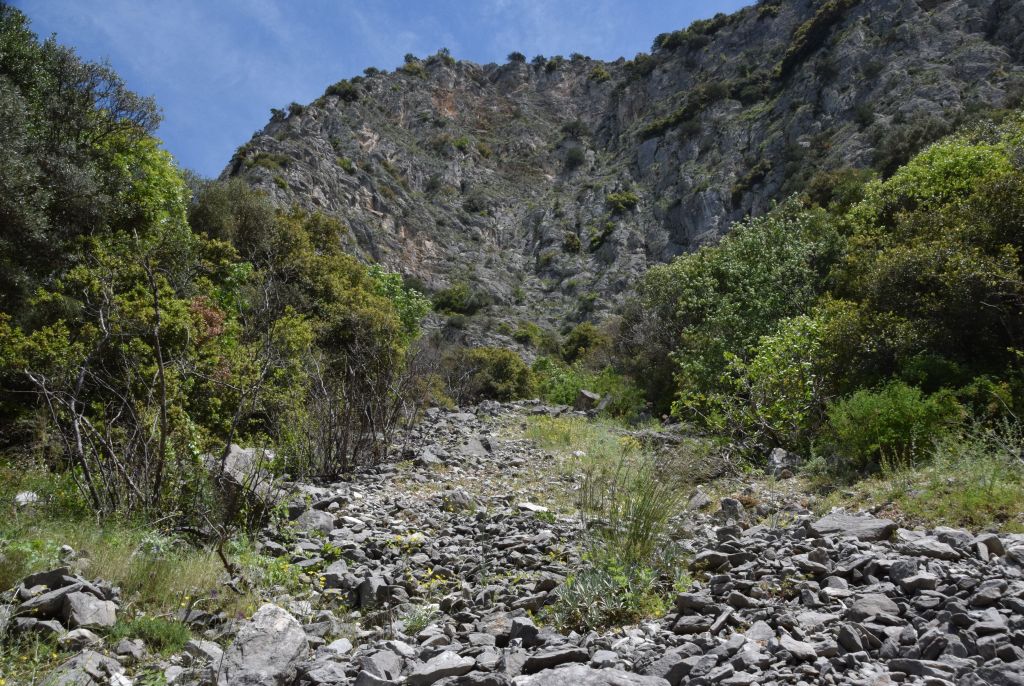

I then went back to what I dubbed “Krüeper’s corner” to re-try for my own pictures. Two small rival males and what appeared to be a larger one were now patrolling up and down the steep, rocky slopes above and below the trail (pictured above). The species is said to exploit air currents over hot, bare slopes such as this, as males search for females and the latter look for egg laying sites.
Two Mountain SW, one very worn were also in the mix and those were the only ones to co-operate for the camera. I returned here more times through the afternoon but the Krüeper’s though plain to pick out were just not inclined to settle. For the rest of the time I walked up and down the trail seeing what else I could find and being distracted by new (for me) Mediterranean Orchids (pictured below).
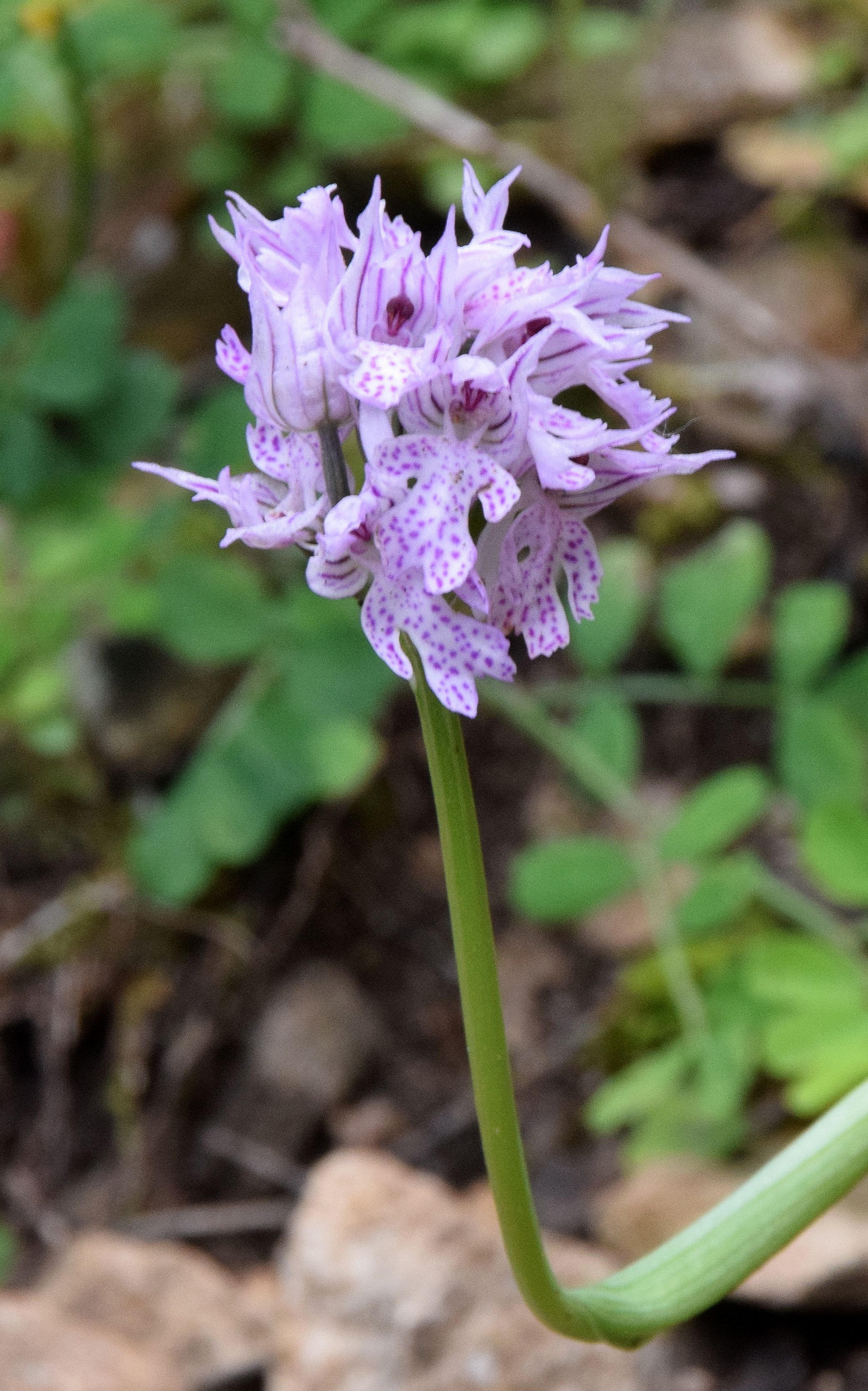
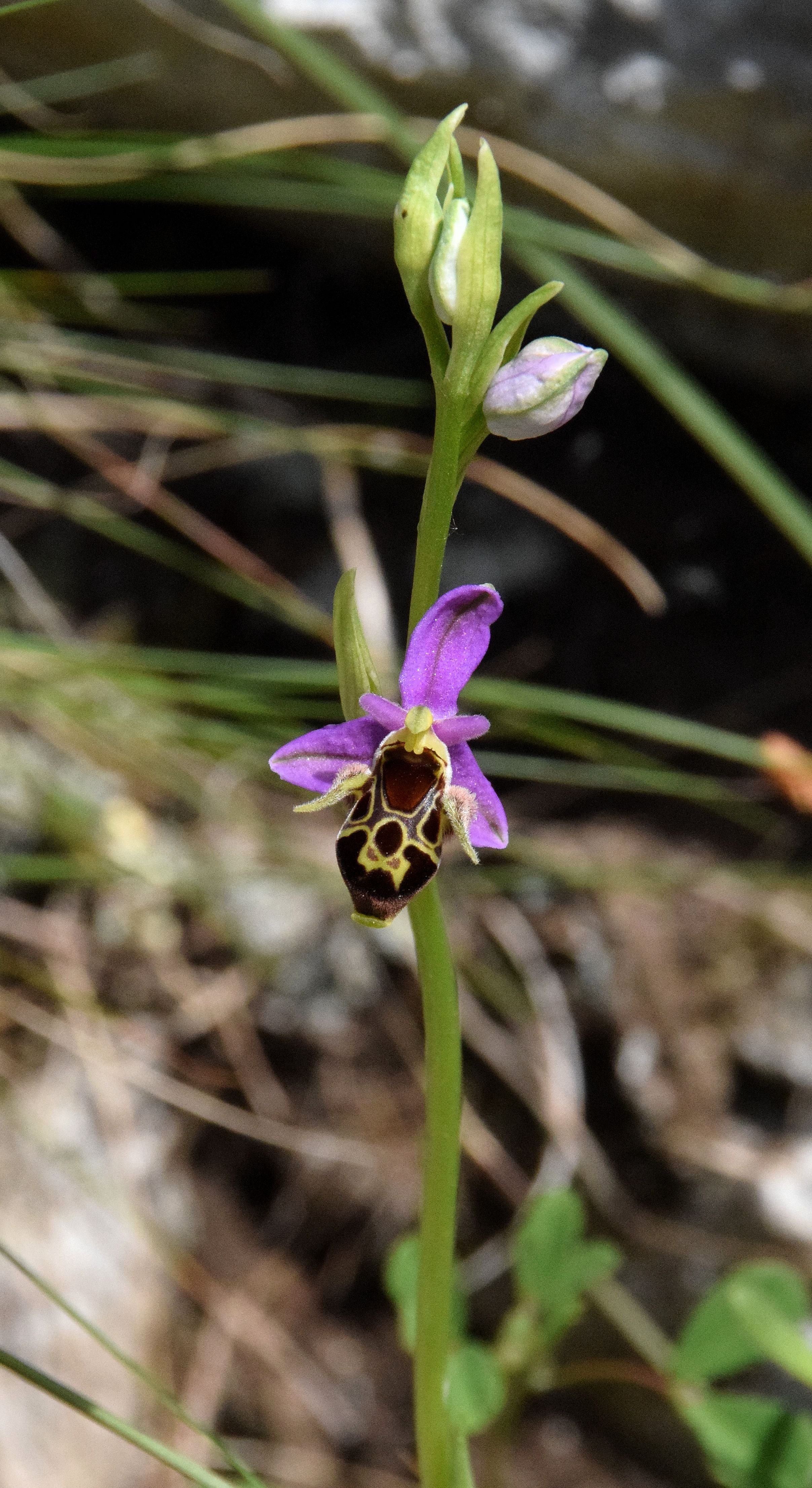
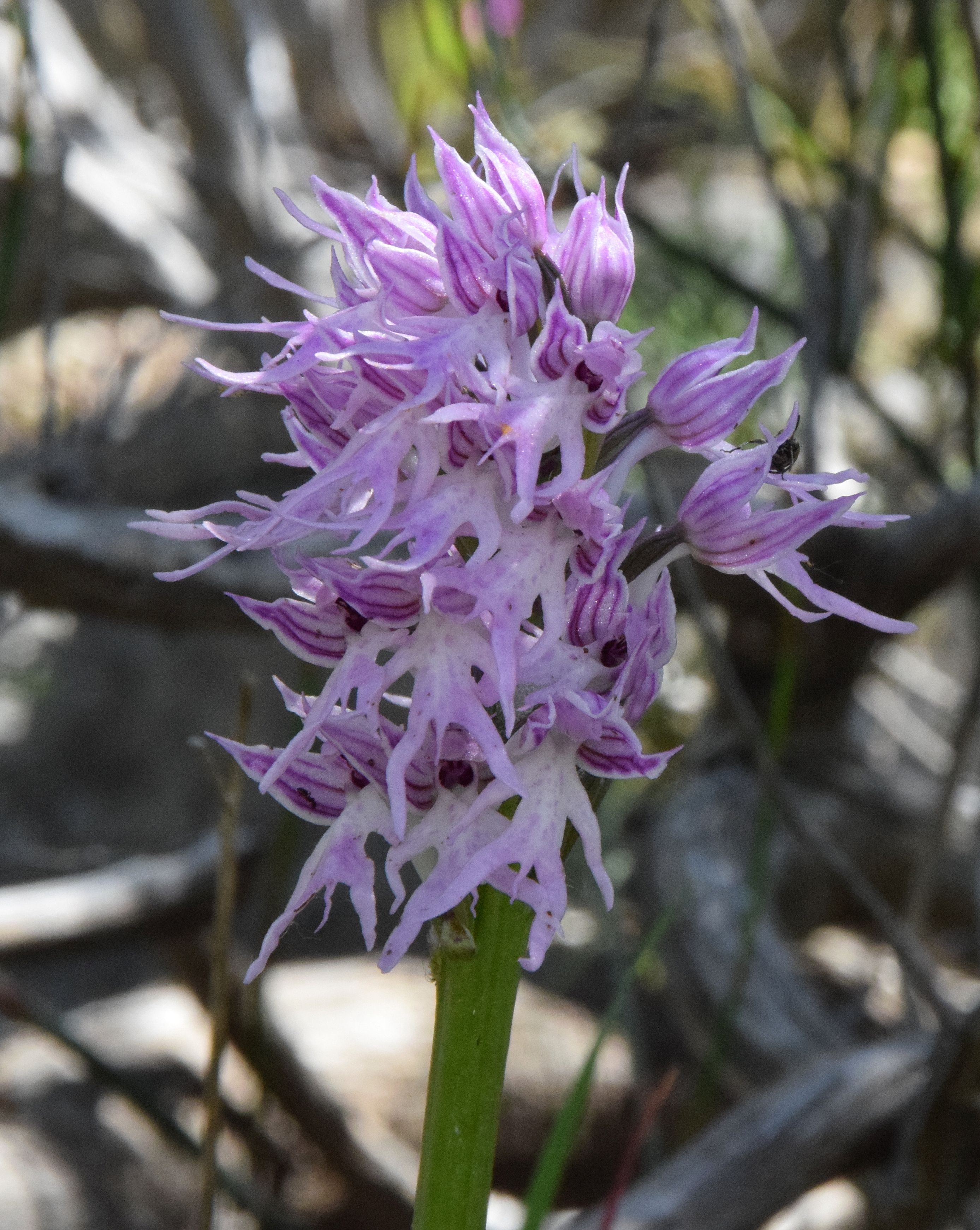
Nestos Gorge is not an easy place to butterfly given the steepness of the terrain that is impossible to move around without risk of serious mishap. So non-mountain goats such as myself are restricted to what can be observed along the trail path. And I couldn’t imagine being in such limited space with a wildlife group all jostling for pictures. When the lateness of this current season is added into the mix the task I had set myself here turned out to be quite difficult.
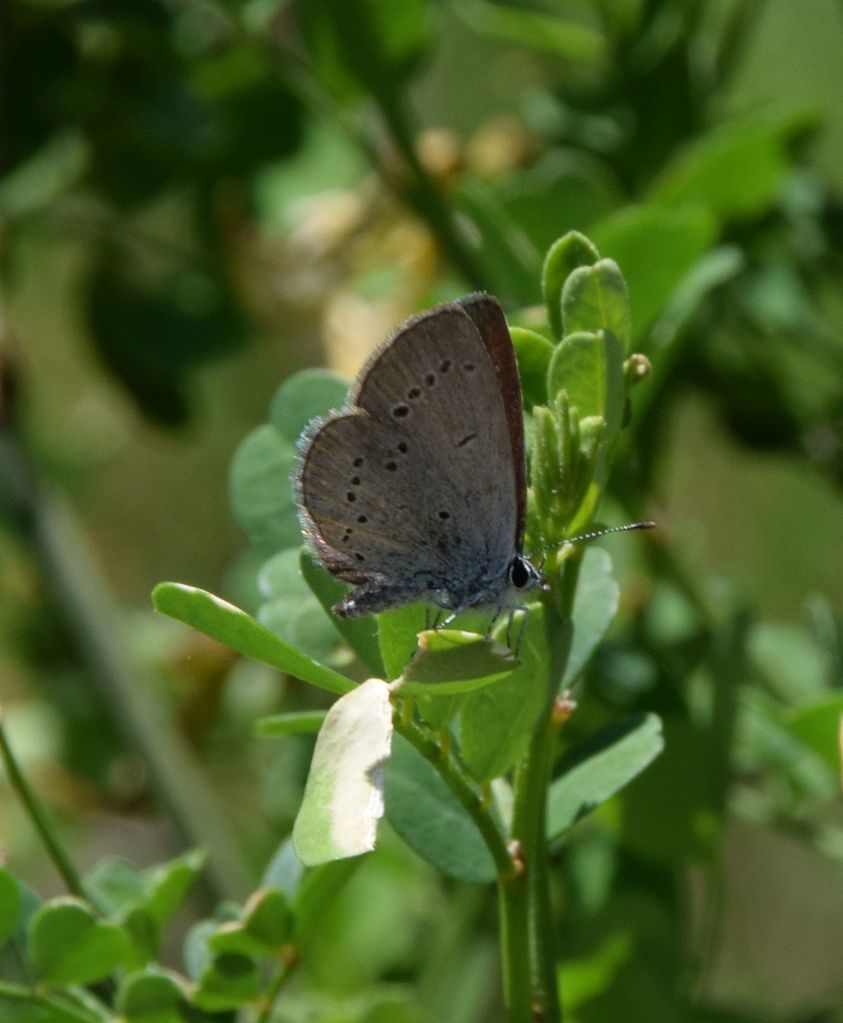
Apart from the two featured lifers there were meagre pickings through these two days. The only tiny Blues, rival males eventually revealed themselves to be nothing more than Small Blue (above left). Otherwise it was a limited selection of early season species: Wall Brown, Orange Tip, Clouded Yellow, Speckled Wood, Brimstone, Green-veined White, Painted Lady and Southern Festoon. But there could have been no better location in which to enjoy a little soul cleansing at the start of another butterfly season than Nestos Gorge.
 Ramblings and Scribblings