Having converted Pink and Parrot Waxcaps so well in the first two stages of this project, my next priority was to re-experience the original option that had first fired my imagination just under a year ago; but without a mountain bike track right through them (see here). After a quite grizzly weekend in differing respects, I needed to cleanse before doing anything else in the week ahead, and so headed back to Holy Trinity, Prestwood. And on walking through the main entrance on Monday morning, there before me was what I sought … an extensive, fresh and unspoiled expanse of perfectly formed Scarlet Waxcap (see here) mushrooms.
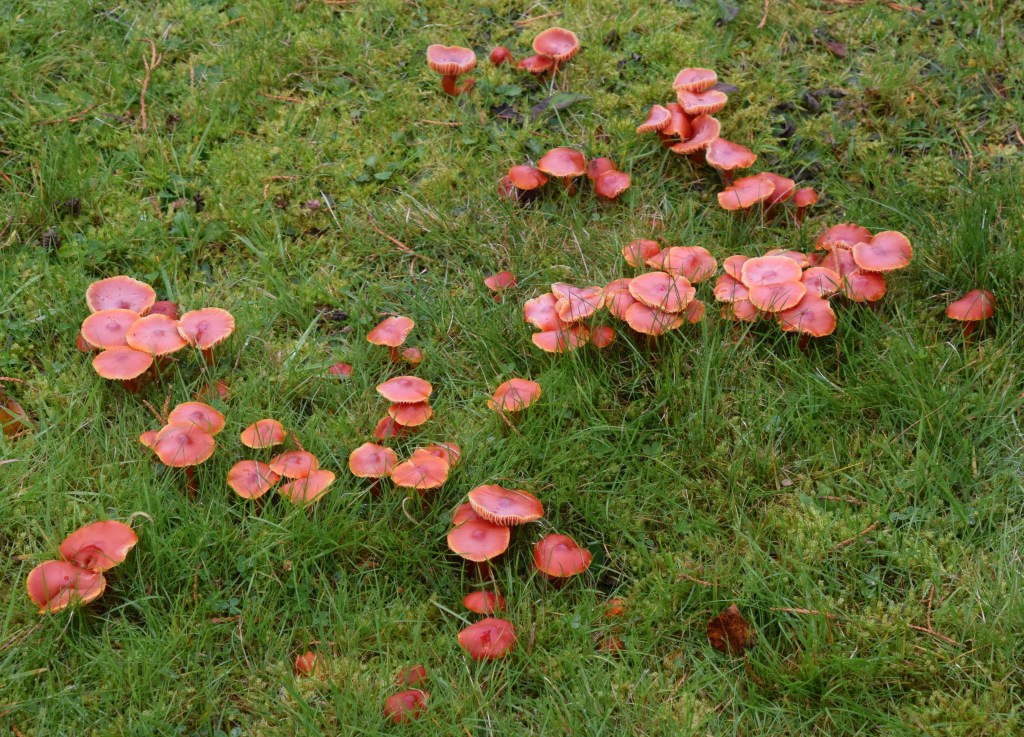
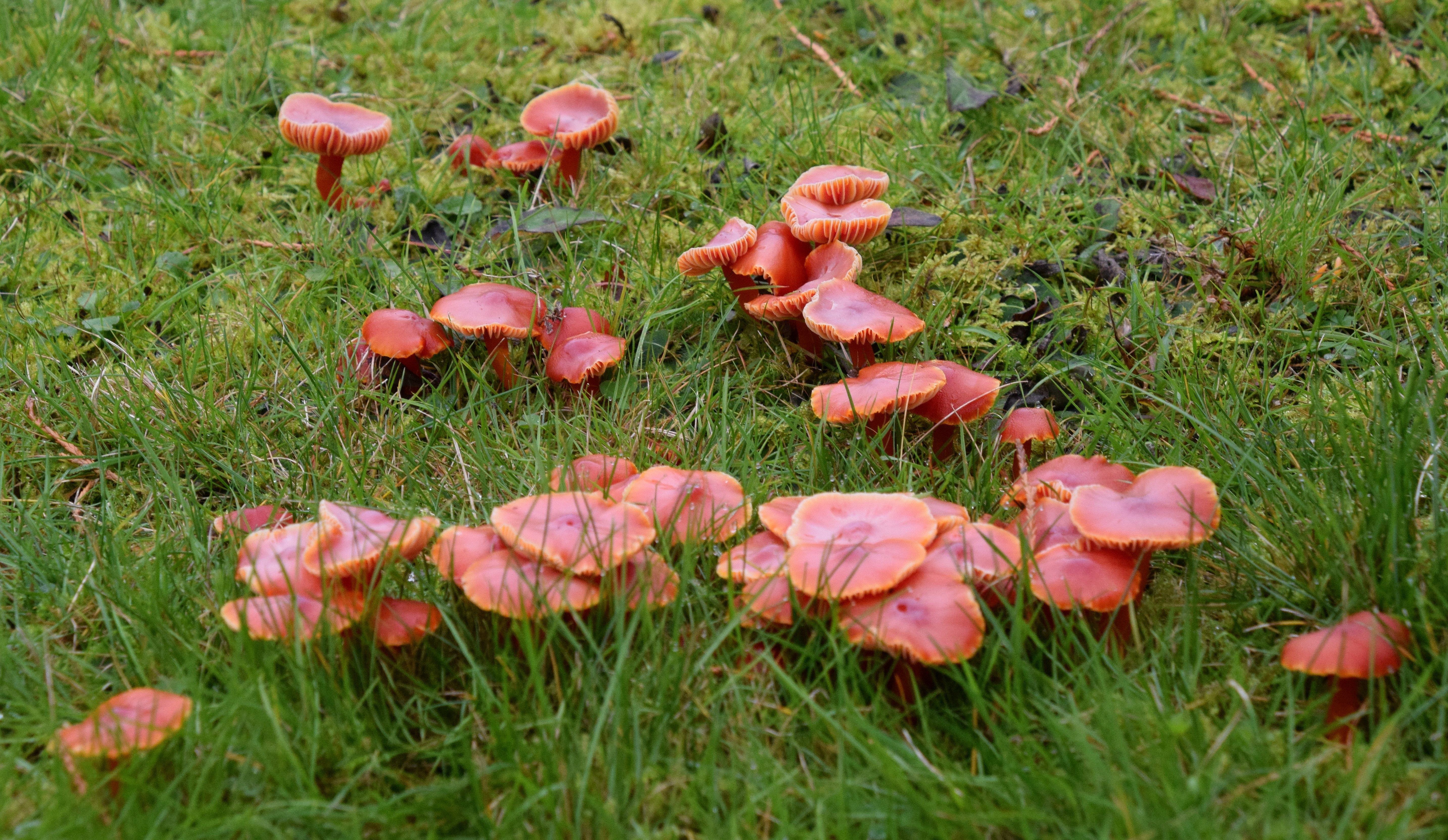
Also known as Scarlet Hood, this is one of the most prized Waxcaps amongst enthusiasts due to its rich colour tone. My first instinct was to grab my camera before anything could damage them, though despite a “bumps and babies” morning in the adjacent church hall my “anxiety” was unfounded. Going back in I met the vicar and some helpers who were clearing up after a weekend event in the church. He promptly went to retrieve his own phone then took pictures himself. The others also looked on approvingly as I gardened around this outstanding opportunity to record such a large and un-munched eruption.
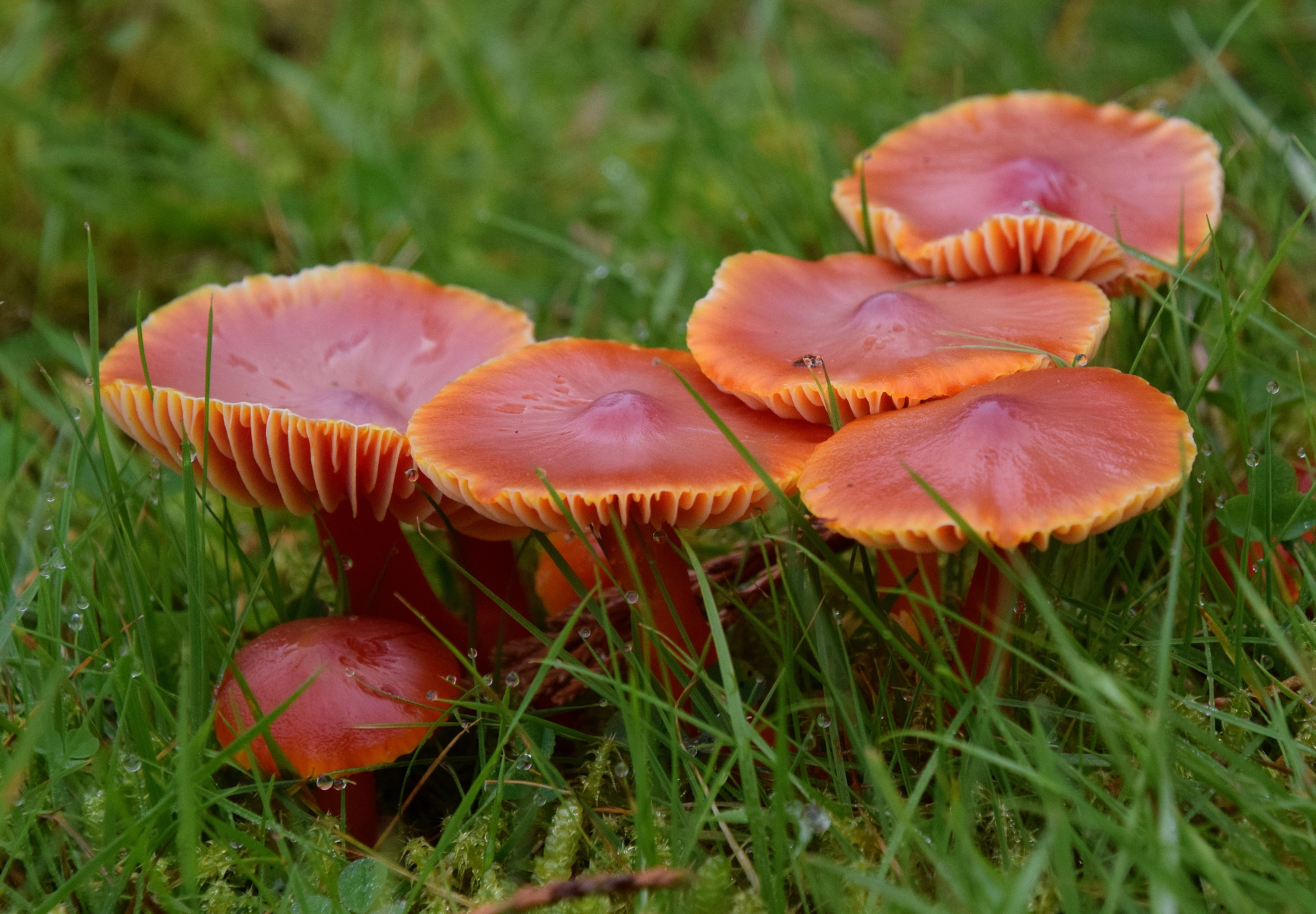
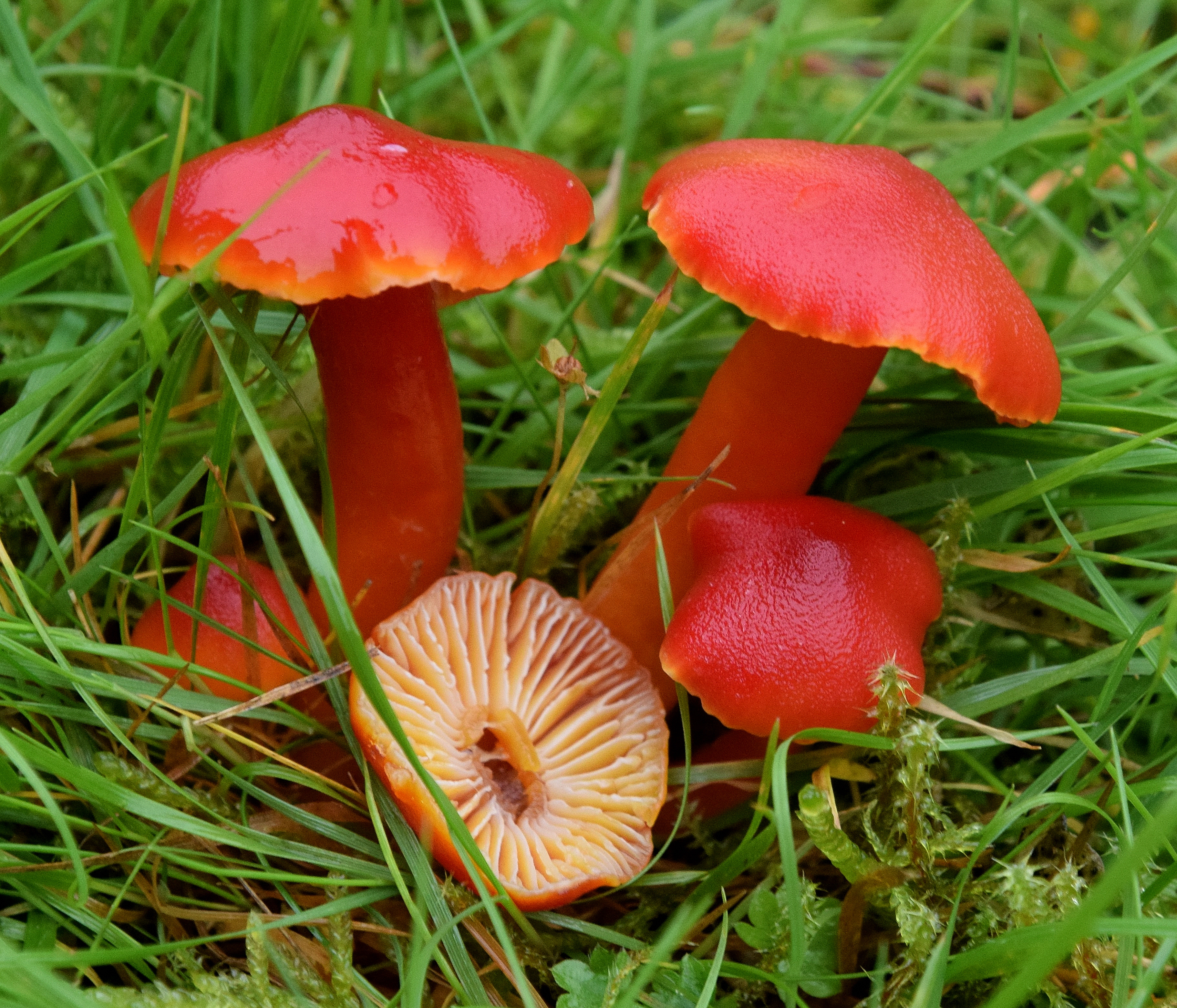
Scarlet Waxcaps (above and below)
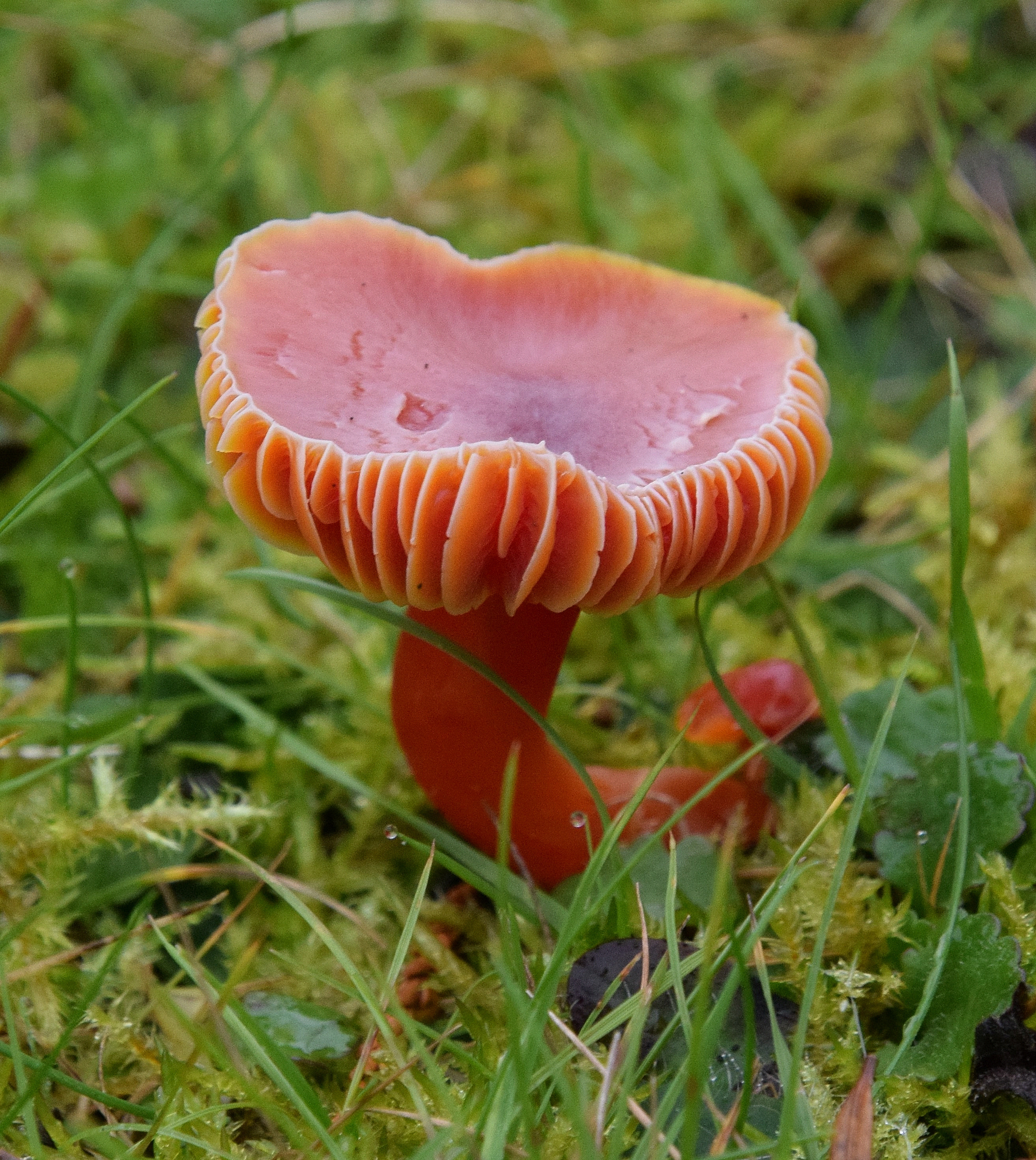
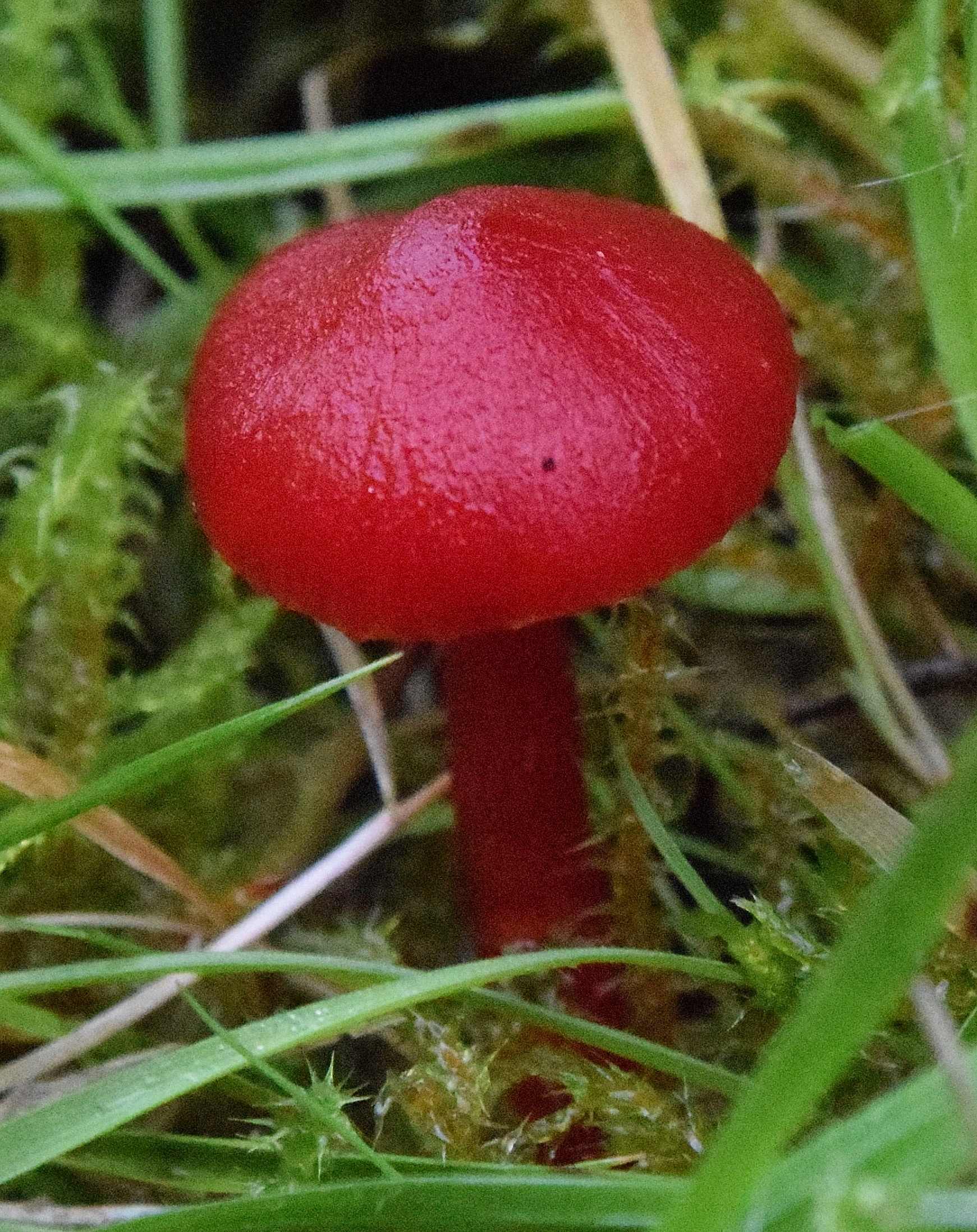

Ewan then joined me, who newly returned from an excellent autumn stint on Shetland was seeking a little fungi hunting as an alternative to re-acclimatising to local birding. I felt pleased to have drawn him to this day’s best choice from my own current wildlife agenda. Searching around we found more emergent Scarlets in another area of the churchyard, and throughout I appreciated this was as good an experience with the species as it may be possible to enjoy.
Most of the other Waxcaps of my autumn’s visits so far were also still performing to a greater or lesser extent. Of those I felt Slimy Waxcap (below – here) was the next most interesting to this post’s lead item. Though probably at the opposite end of the attractiveness and certainly the colour spectra, their weird shapes and contours accentuated by their shiny quality exuded a certain idiosyncratic allure of their own. I stopped by at Prestwood again three days later on 24th and the featured Scarlet Waxcap eruption was still intact.

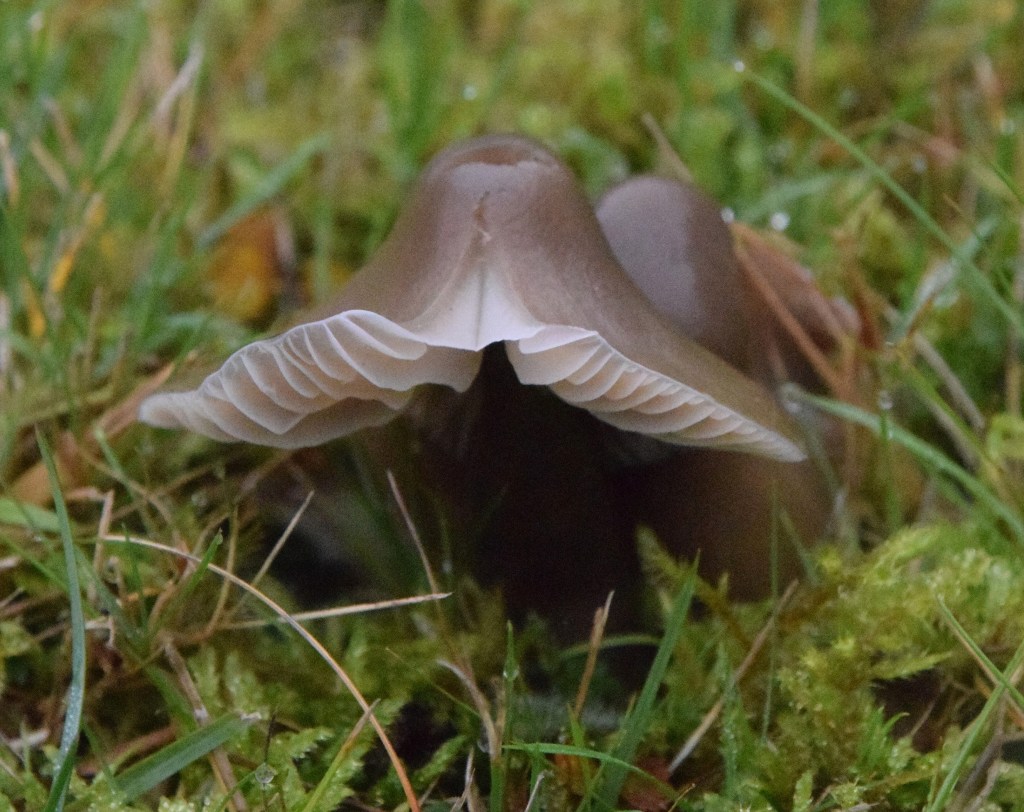
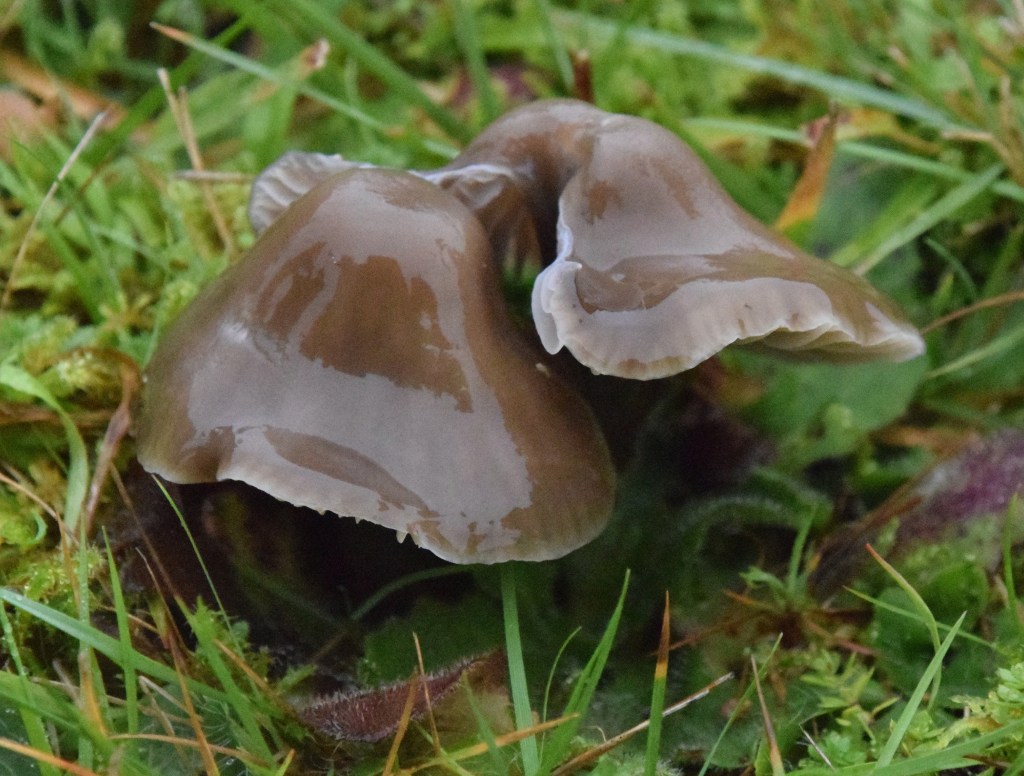
Slimy Waxcaps
An especially intriguing find there was the little gems pictured below, left. Yellow Fieldcap (here) is one of the shortest-lived of all mushrooms, completing it’s fruiting cycle in less than one day. It is saprobic upon (ie feeds from and breaks down) rotting hay, and may fruit at any time of year. A second extra I have included for interest is a magnificent Wood Blewit (right – here) at Nettlebed. It is unusual to encounter such a large fungus in an undamaged state. When I re-visited there on 22nd it had avoided munchers for four more days, under trees in an unkempt corner of that churchyard.
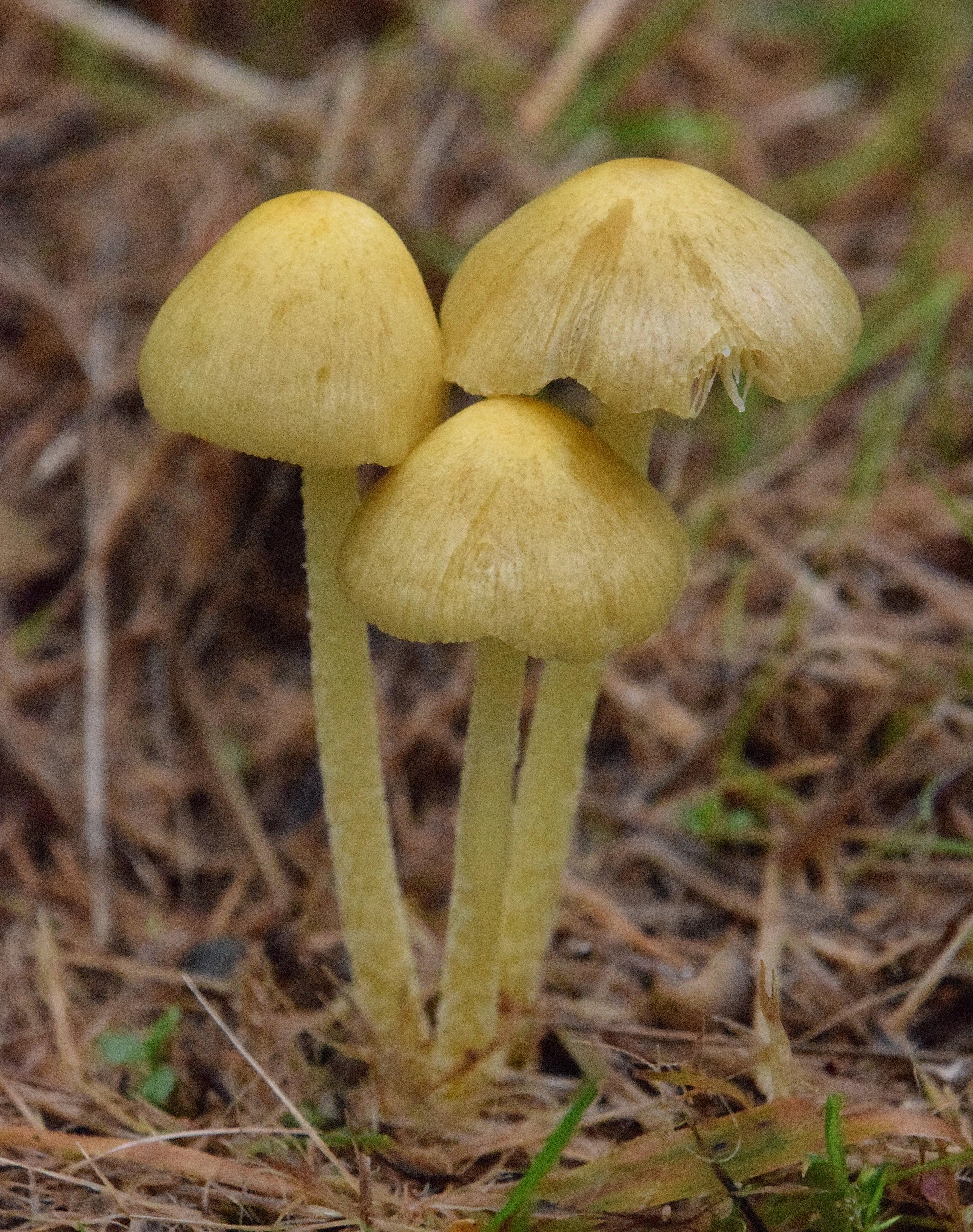
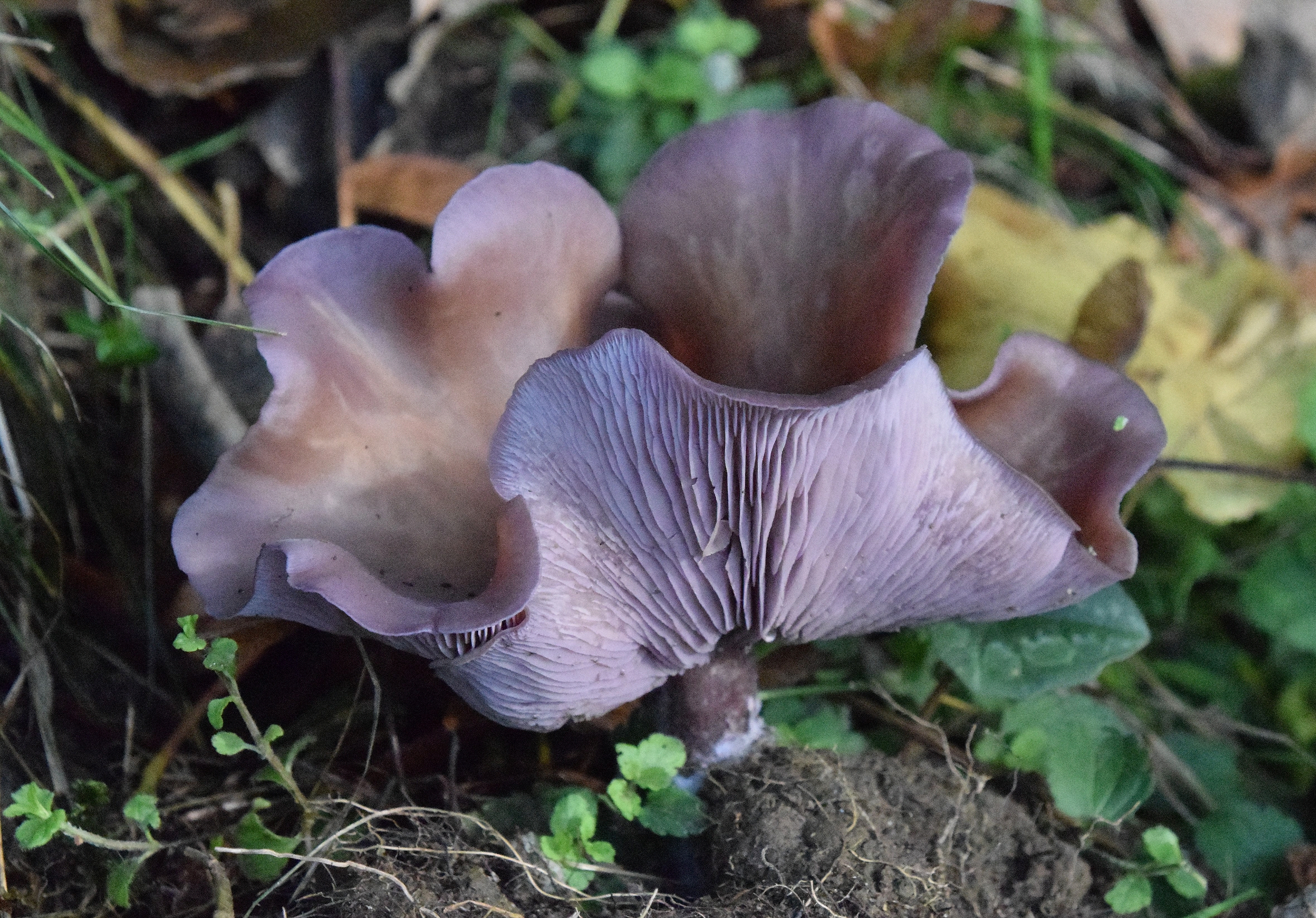
Yellow Fieldcap (left) and Wood Blewit
One item largely omitted from these three posts so far is Snowy Waxcap (see here), due to the difficulty of gaining adequate images of such a pale subject. That was finally attained (below) at Stoke Poges Memorial Gardens on 28th. This species became more and more plentiful at all four sites featured herein as the survey period progressed. So everything recorded has now been described and illustrated.
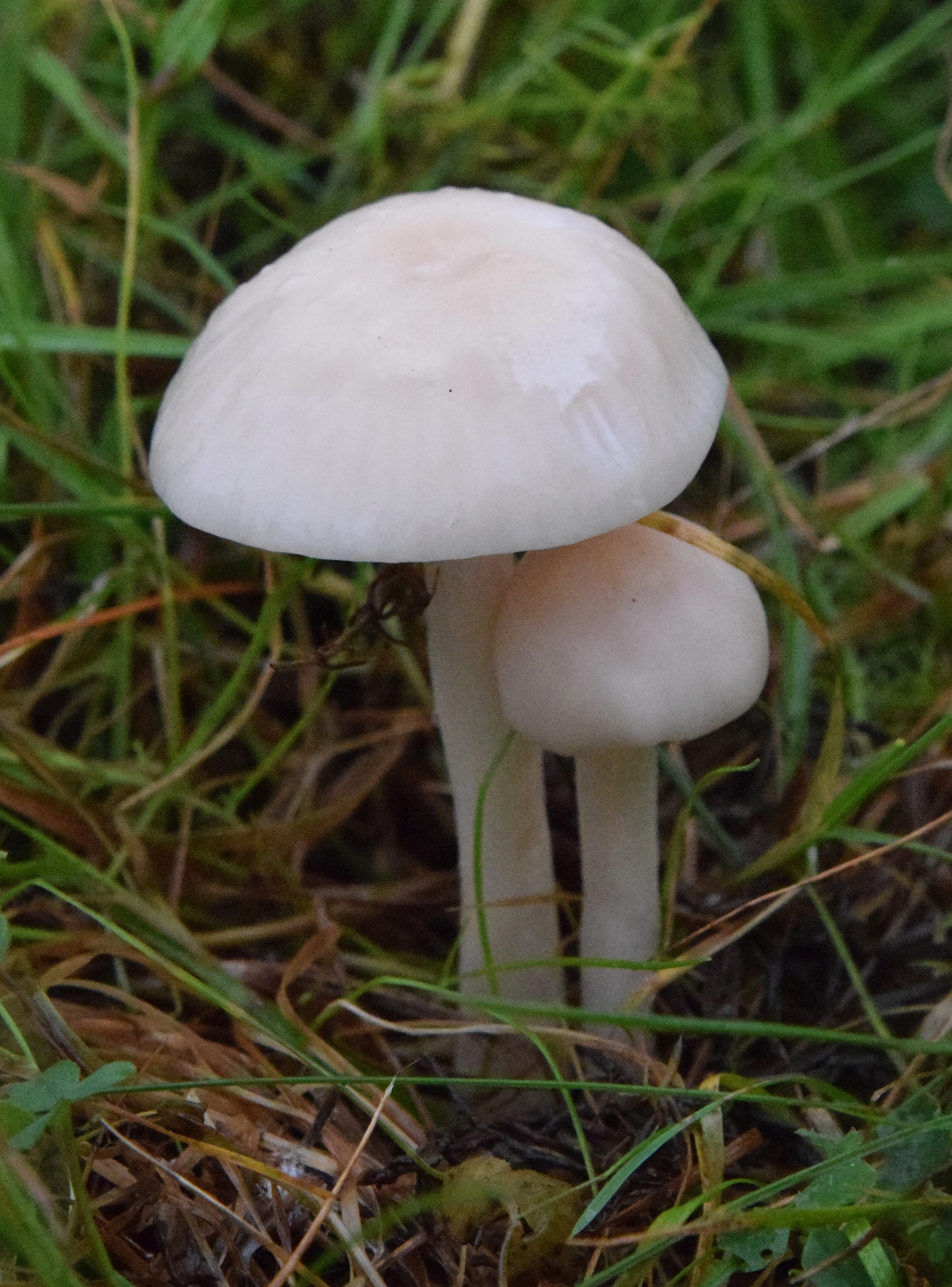
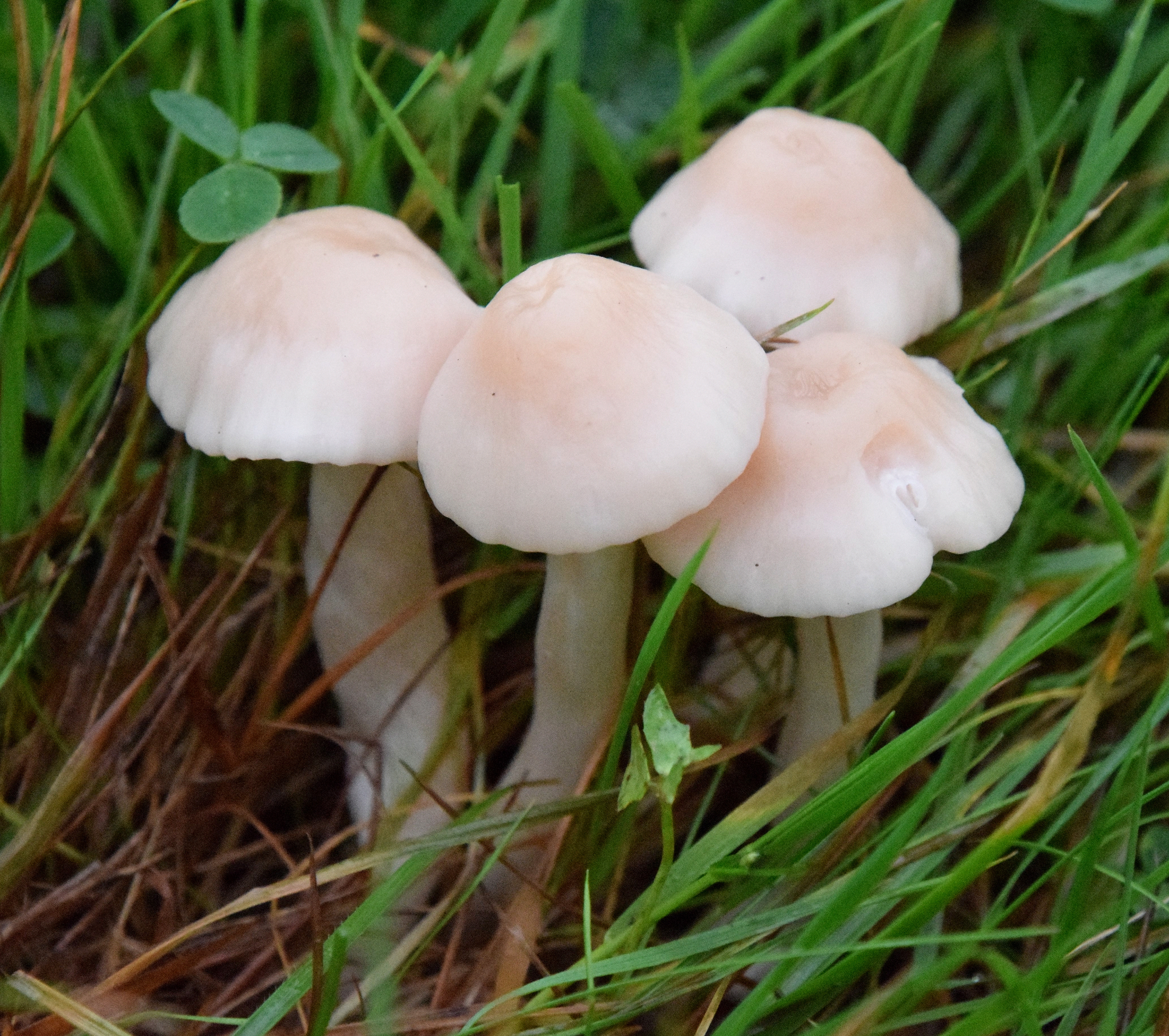
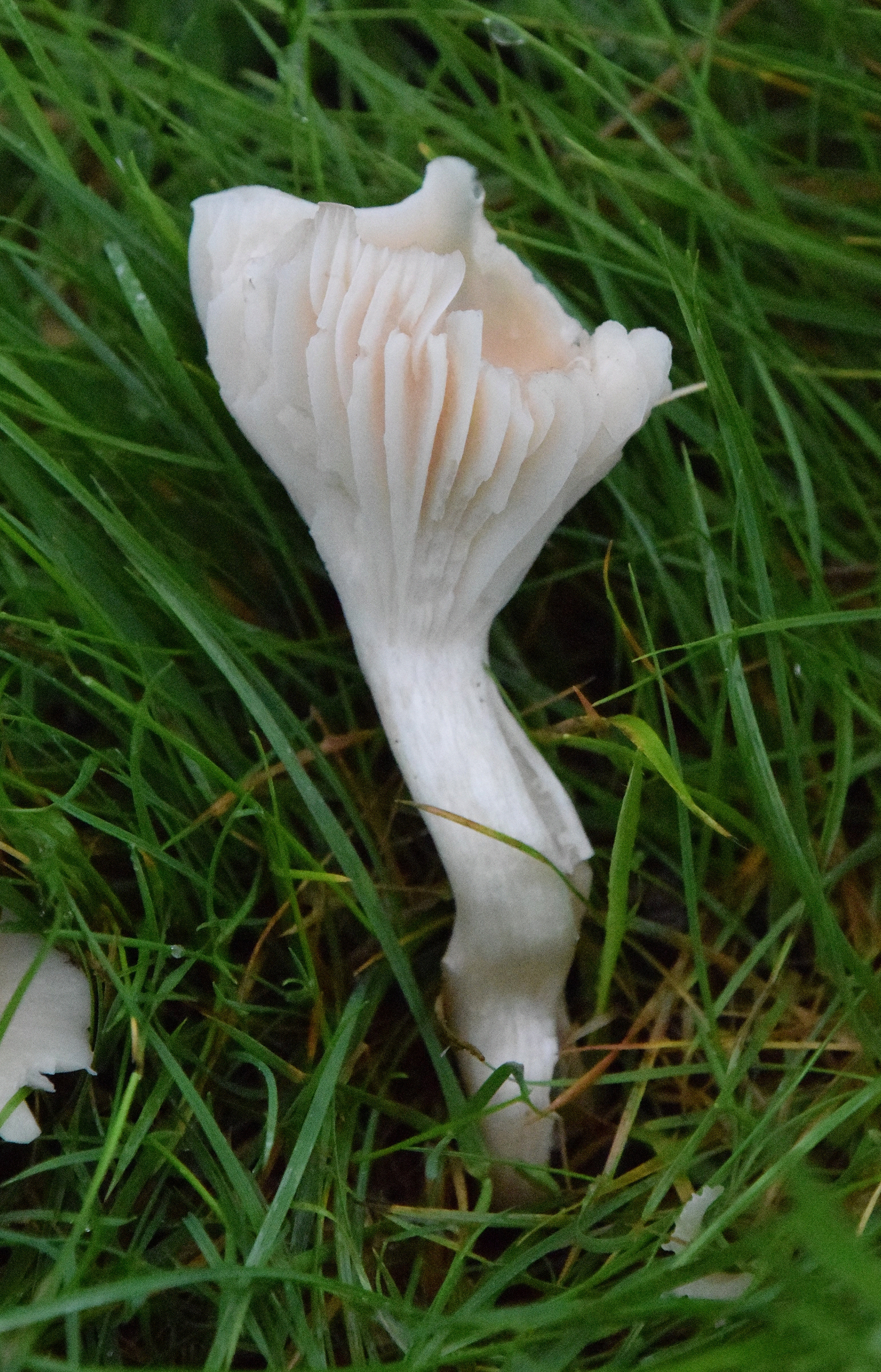
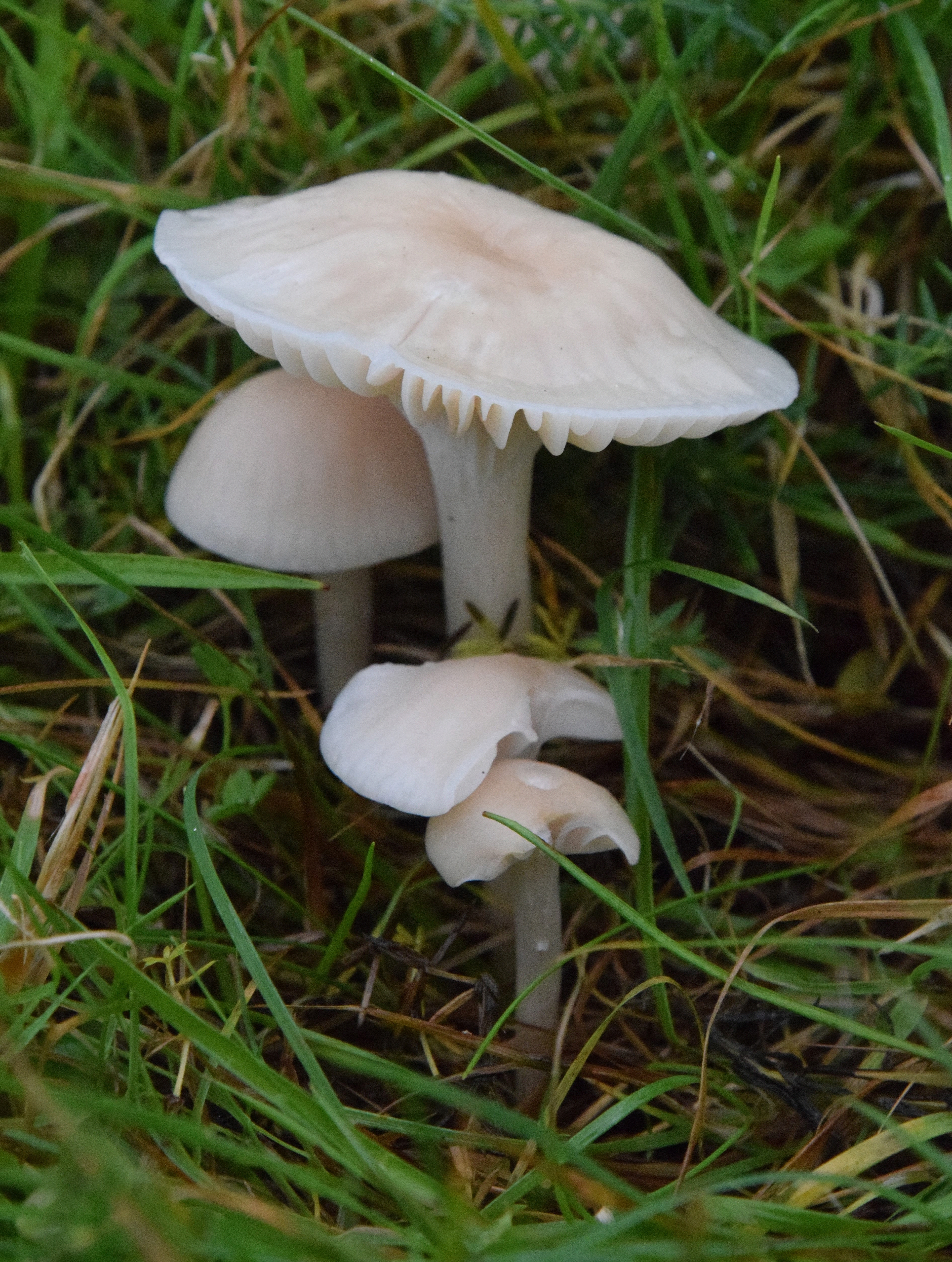
Snowy Waxcaps
Amongst all the varieties described through this three-post series, perhaps the next most intriguing for me after the subtly colour-morphing Parrots was Blackening Waxcap (see here). This is one of the most frequently encountered European Waxcaps though like all the others localised, and I found them at all four of my survey locations. Also known as “Witch’s Hat”, their conical caps and stems gradually blacken while also morphing through shades of deep orange, yellow and sometimes red. Eventually they become jet black and then may yet stand for some time. I was able to capture the entire fruiting cycle (pictured below) through the different days recounted in these posts, surely my longest such sequence ever.

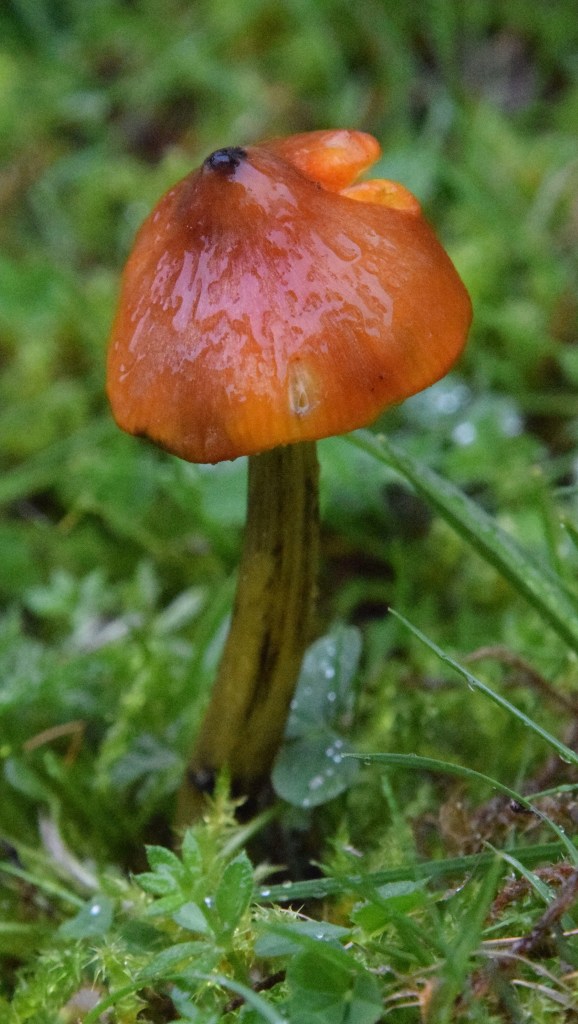
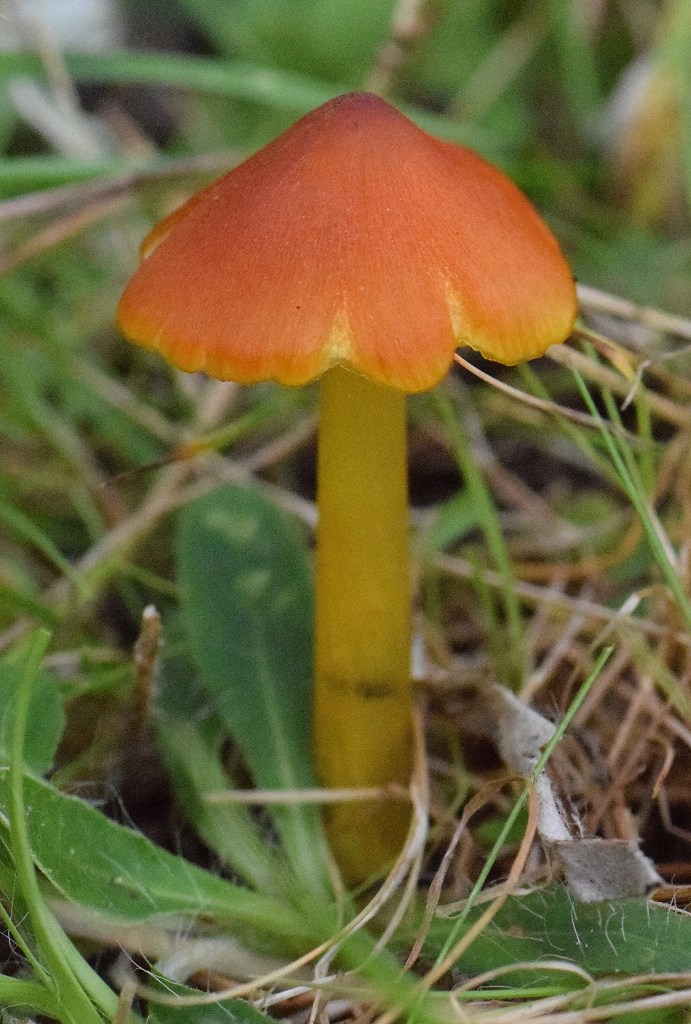
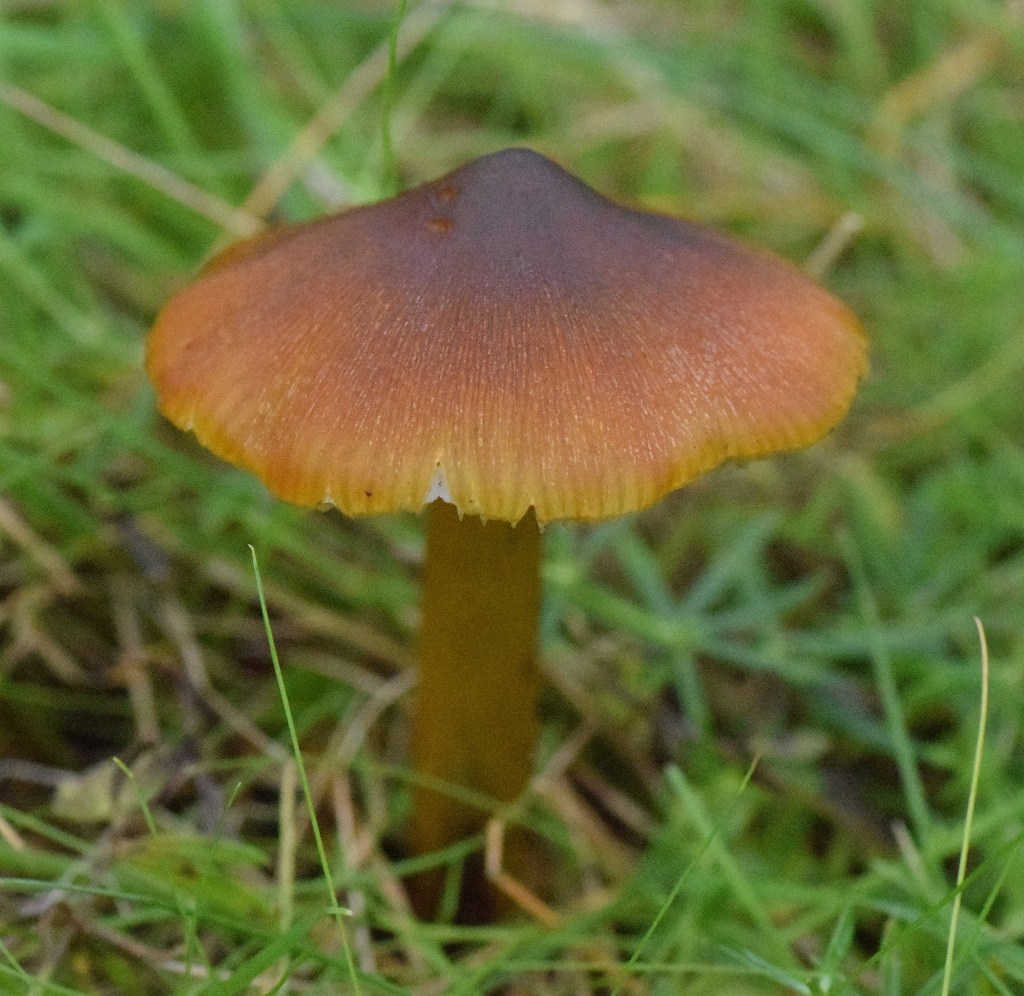
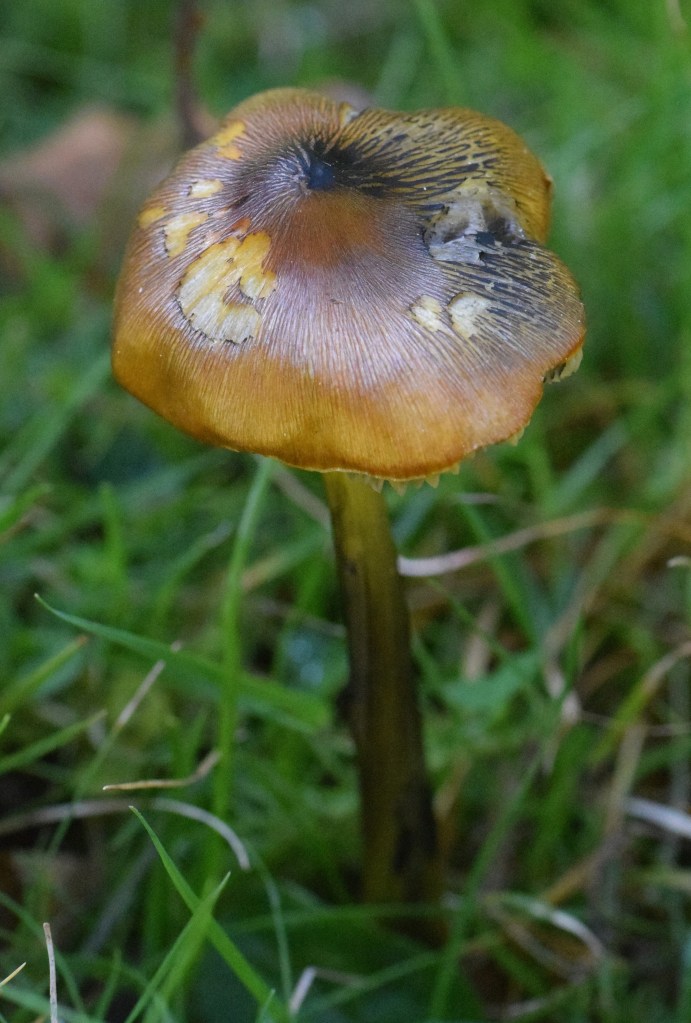

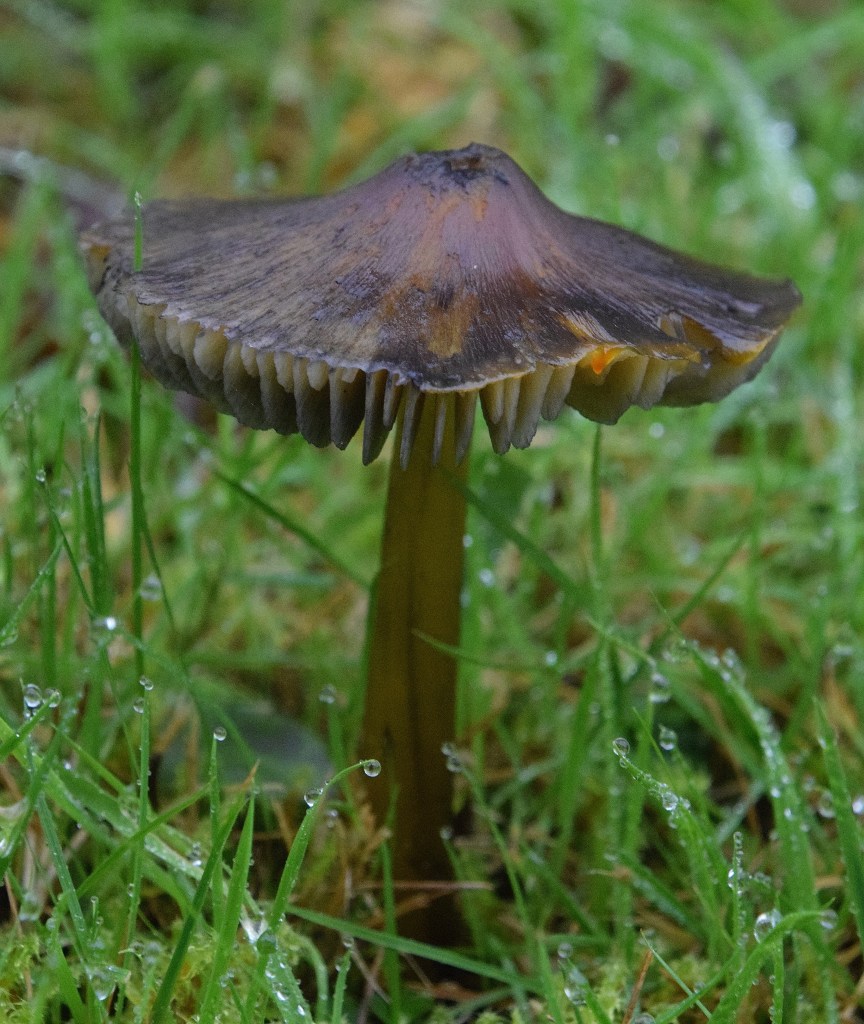

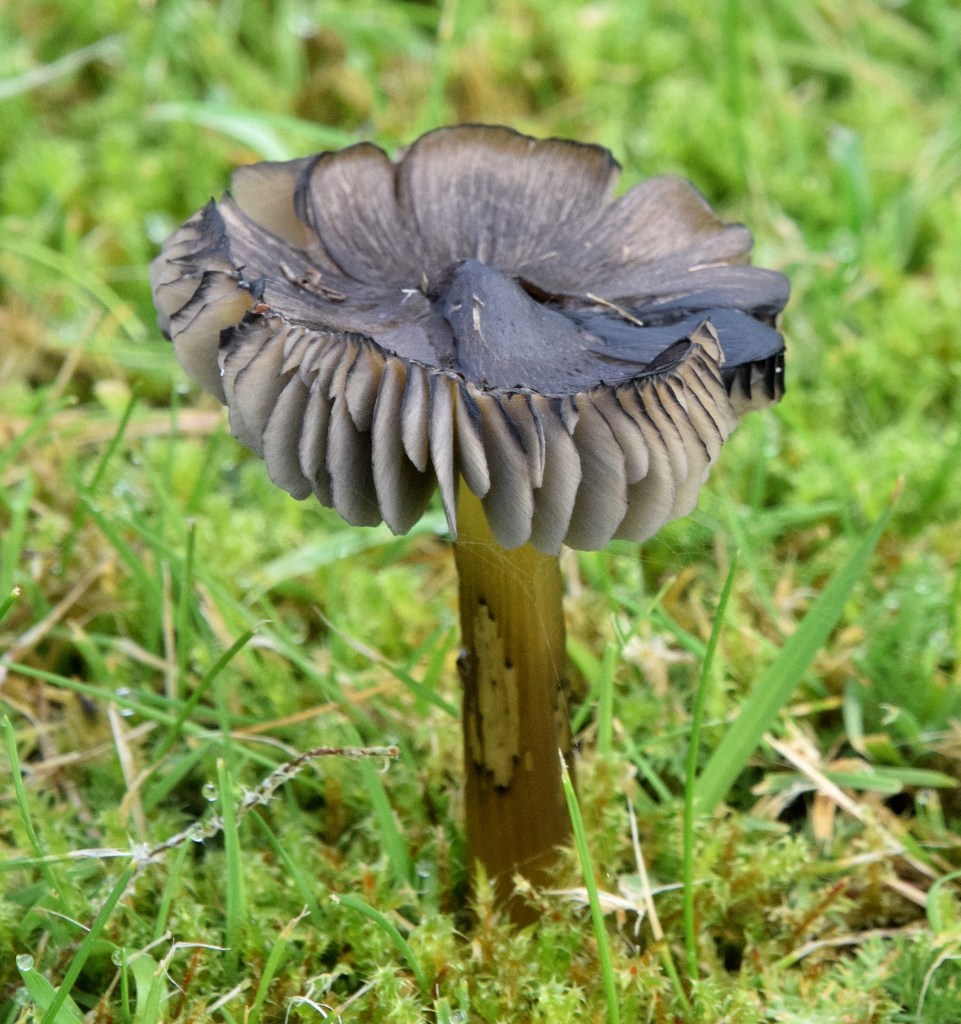
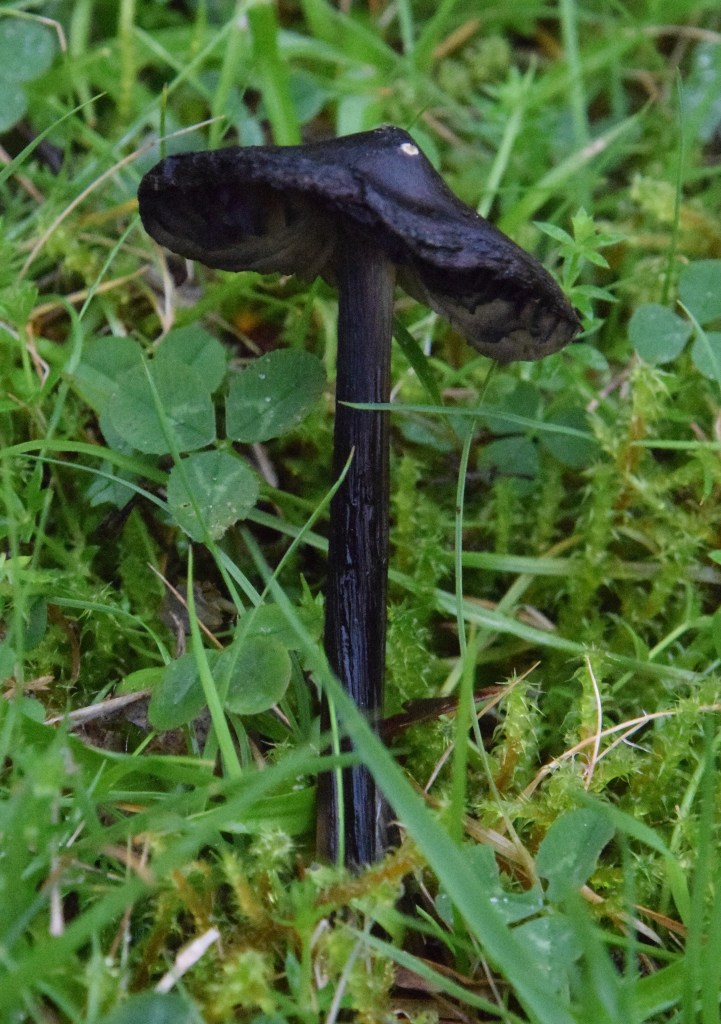
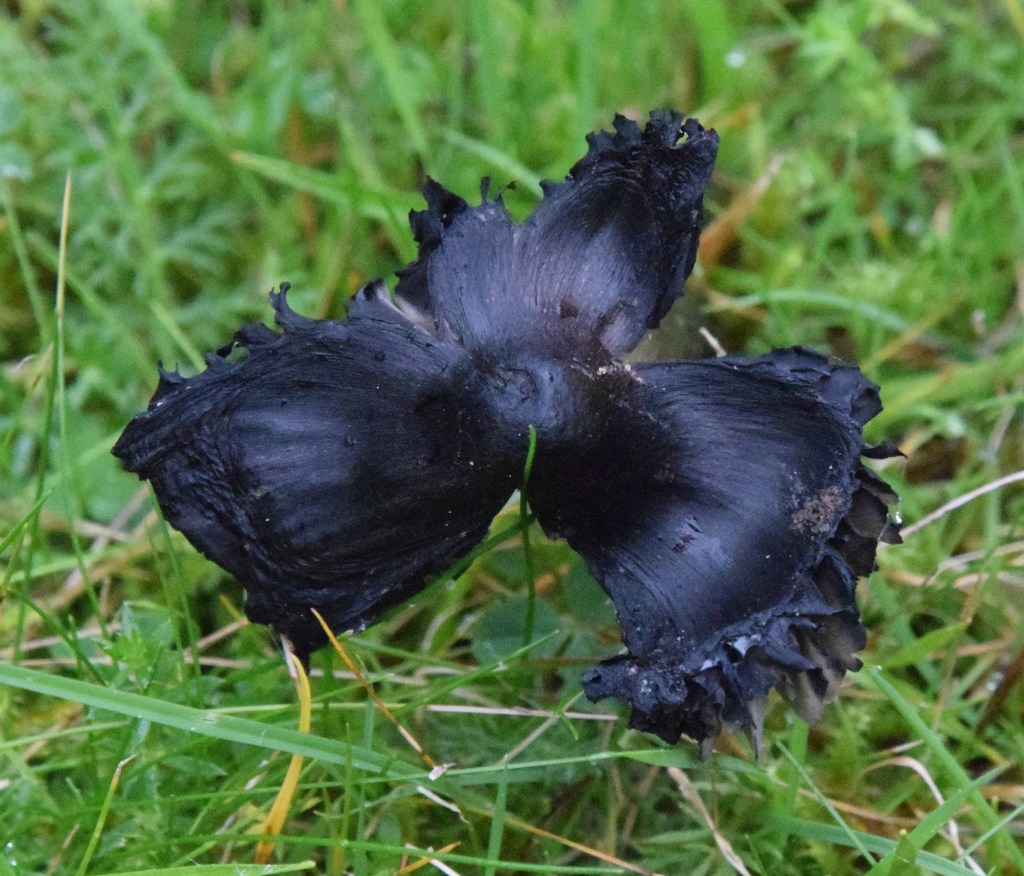
Blackening Waxcaps through their ageing process
The topic of “Waxcap grasslands” has been my autumn presentation herein as it has given me a different and evolved perspective on fungi from general mushroom hunting in ancient woodlands. I attempt to write entertainingly about stand-out fungi, rather than to present numbers of randomly recorded species or scientific detail that I am not qualified to interpret. This has been an immensely rewarding project.
 Ramblings and Scribblings