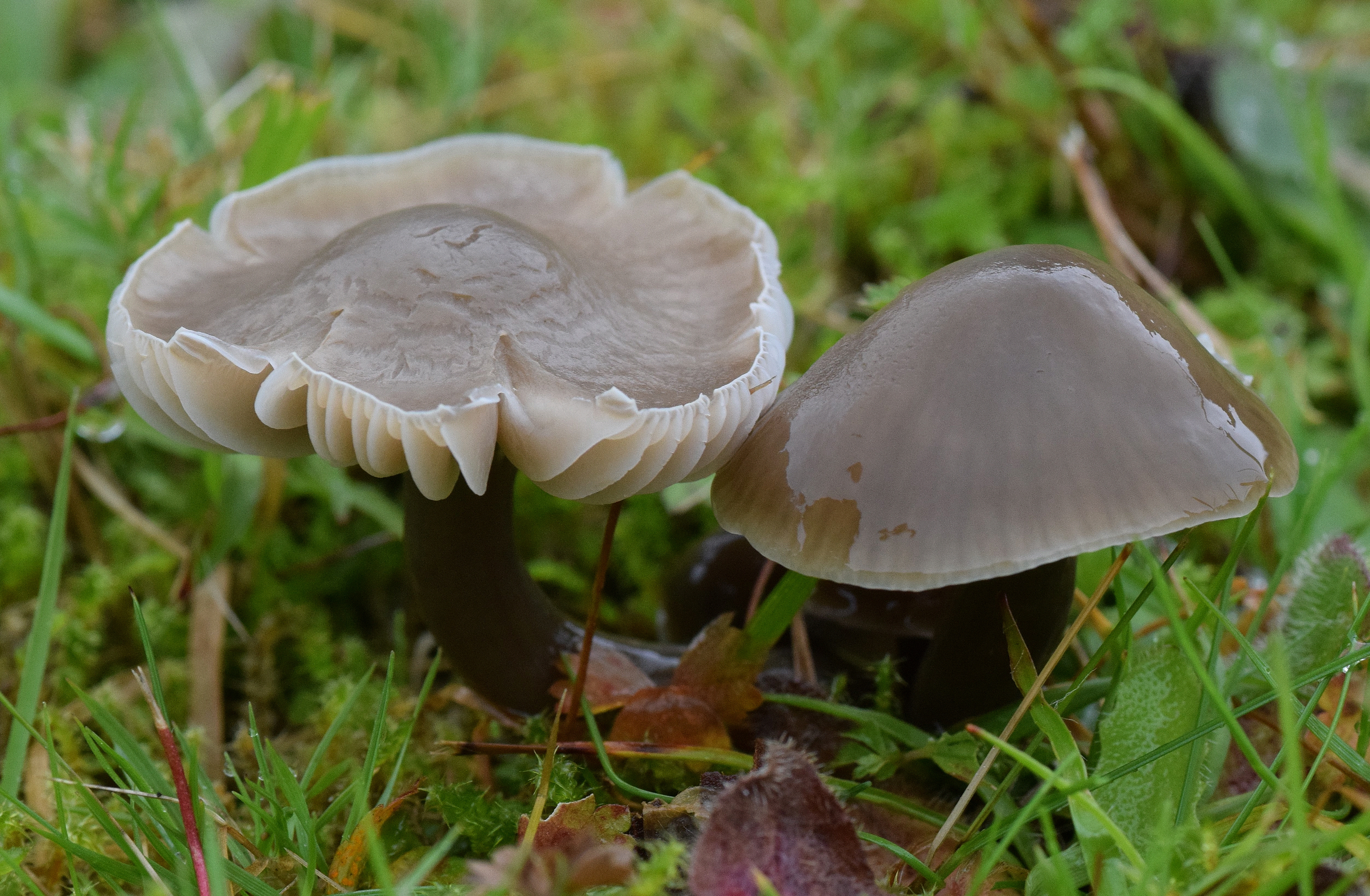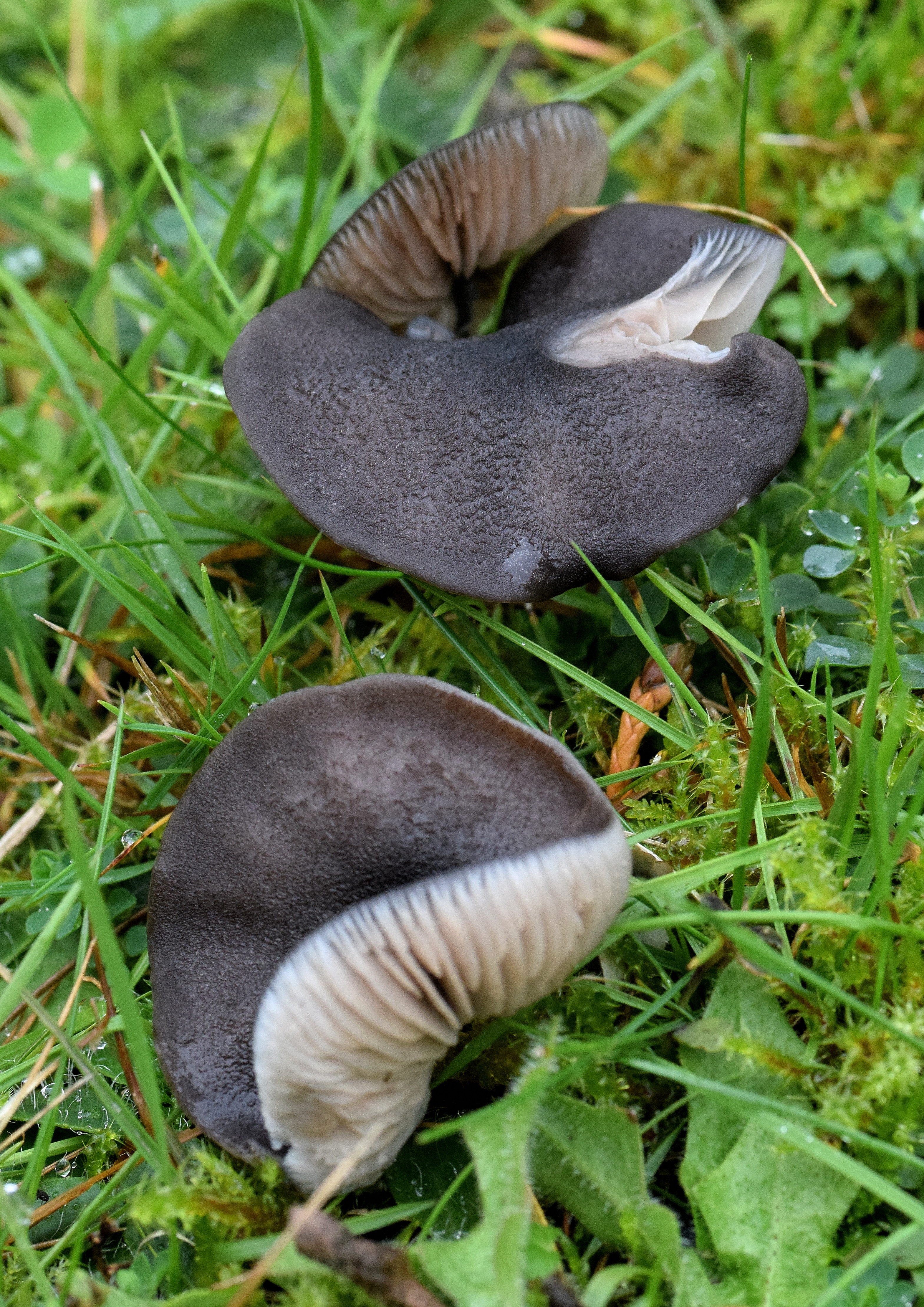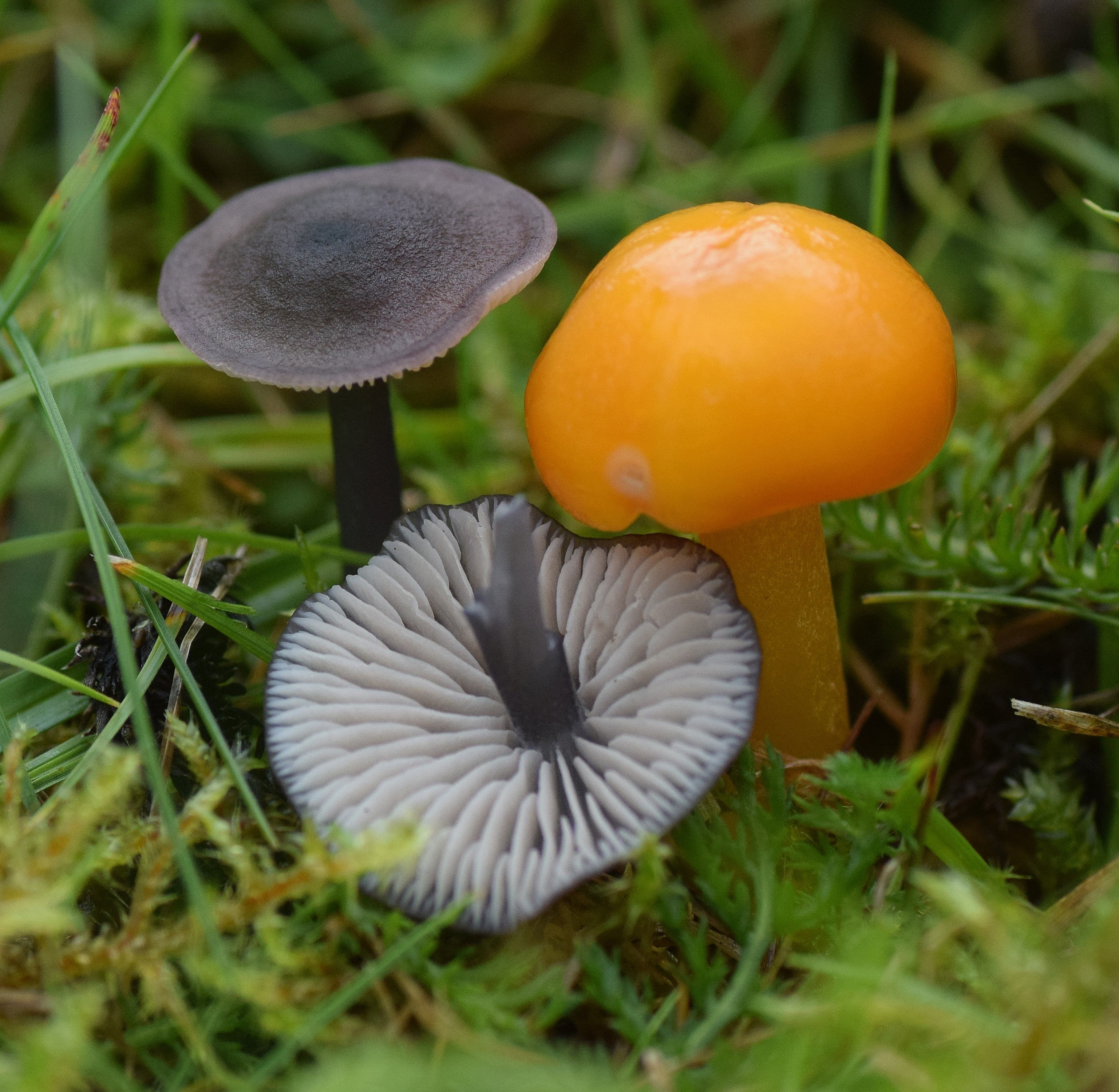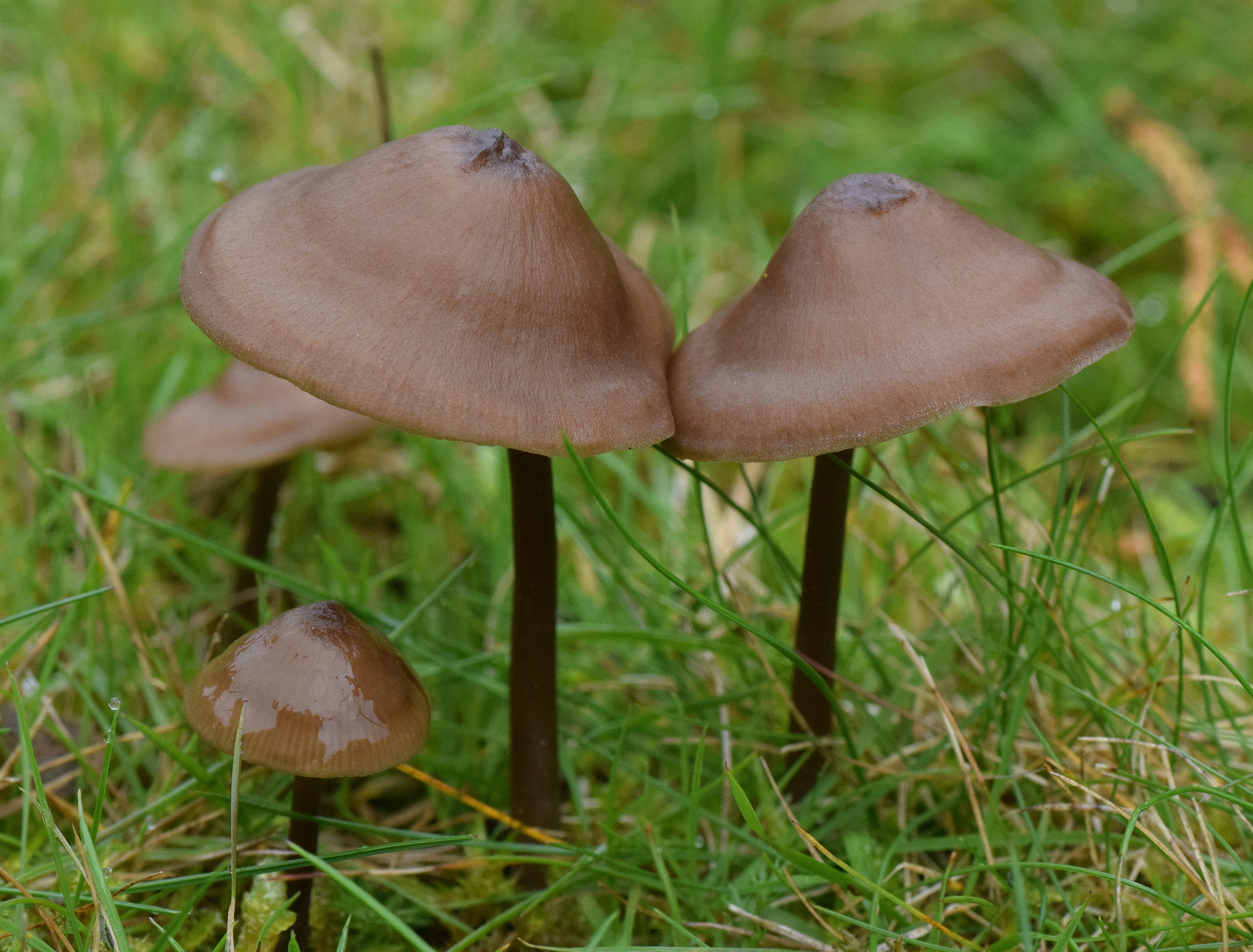
A travelling party of Lesser White-fronted Geese at Snettisham, Norfolk – 30th Jan

The subject of this post has this winter shown quite a partiality for eastern English shores. It is an item that has lingered long within the dwindling wish-list of “more regularly occurring” birds I might still seek nationally. And though almost all records are now placed within category E (non-sustaining) of the accepted British list, the recent spate of occurrences has represented a best chance of adding another straggler to my own, non-purist British and life totals.

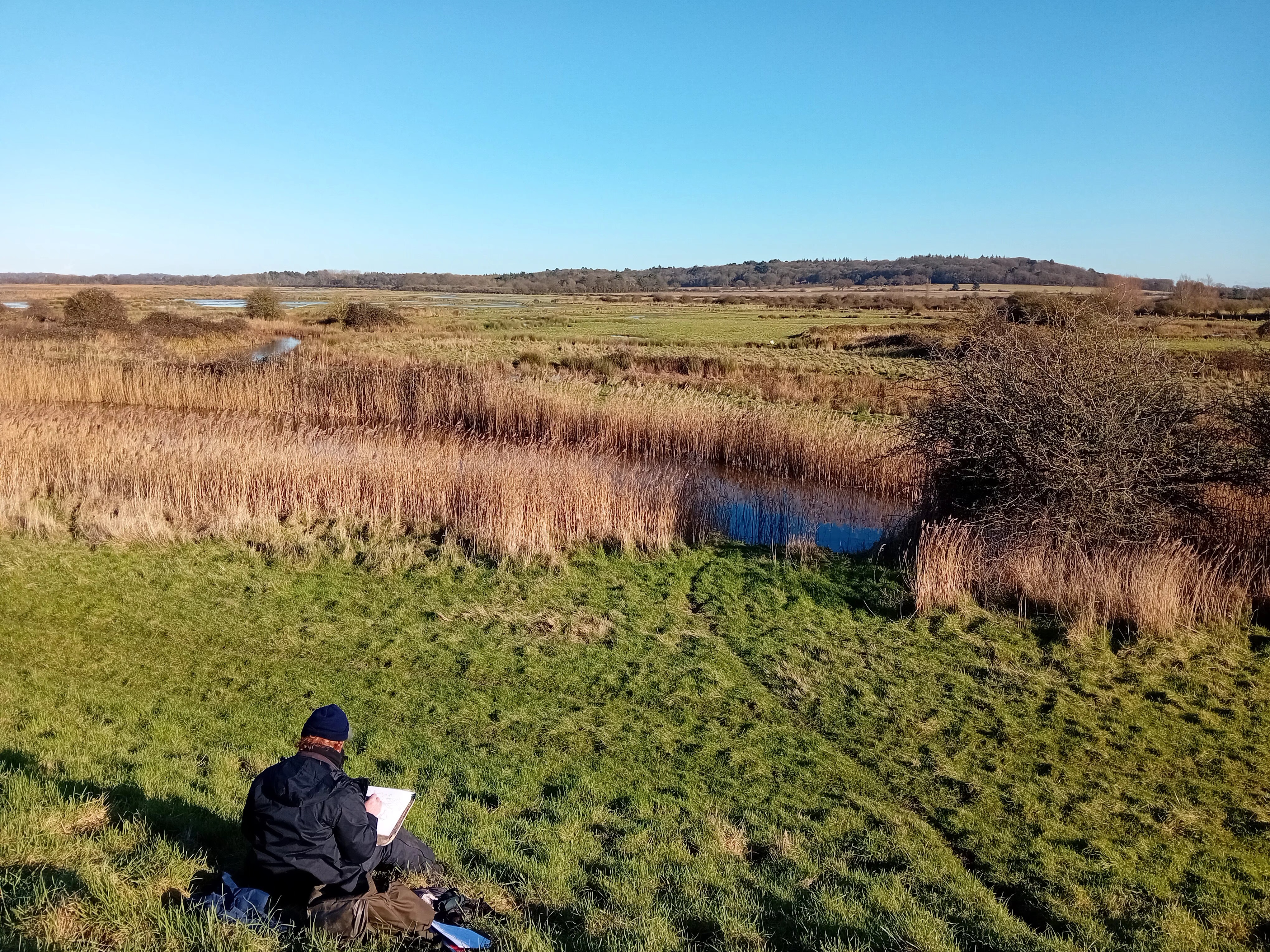
The latest, 24-strong group has been settled at the site featured herein since 21st, having passed through RSPB Titchwell a day earlier. Today was a sunny, crisp, clear winter’s one such as I value most at this time of year, and so I found the desire and energy to hit the road. In the event the connect was straightforward, a 400 metre walk north along an embankment just past the entrance to RSPB Snettisham, and there these appealing little Geese were: out in the middle-distance inland, serenely going about their business in the as attractive habitat of Ken Hill Marshes (TF 652338). Their small size was readily apparent given the feral Greylags they were associating with. Four what are now named Russian White-fronted Geese were also reported from here on this day a little further to the north, but I didn’t seek them out.

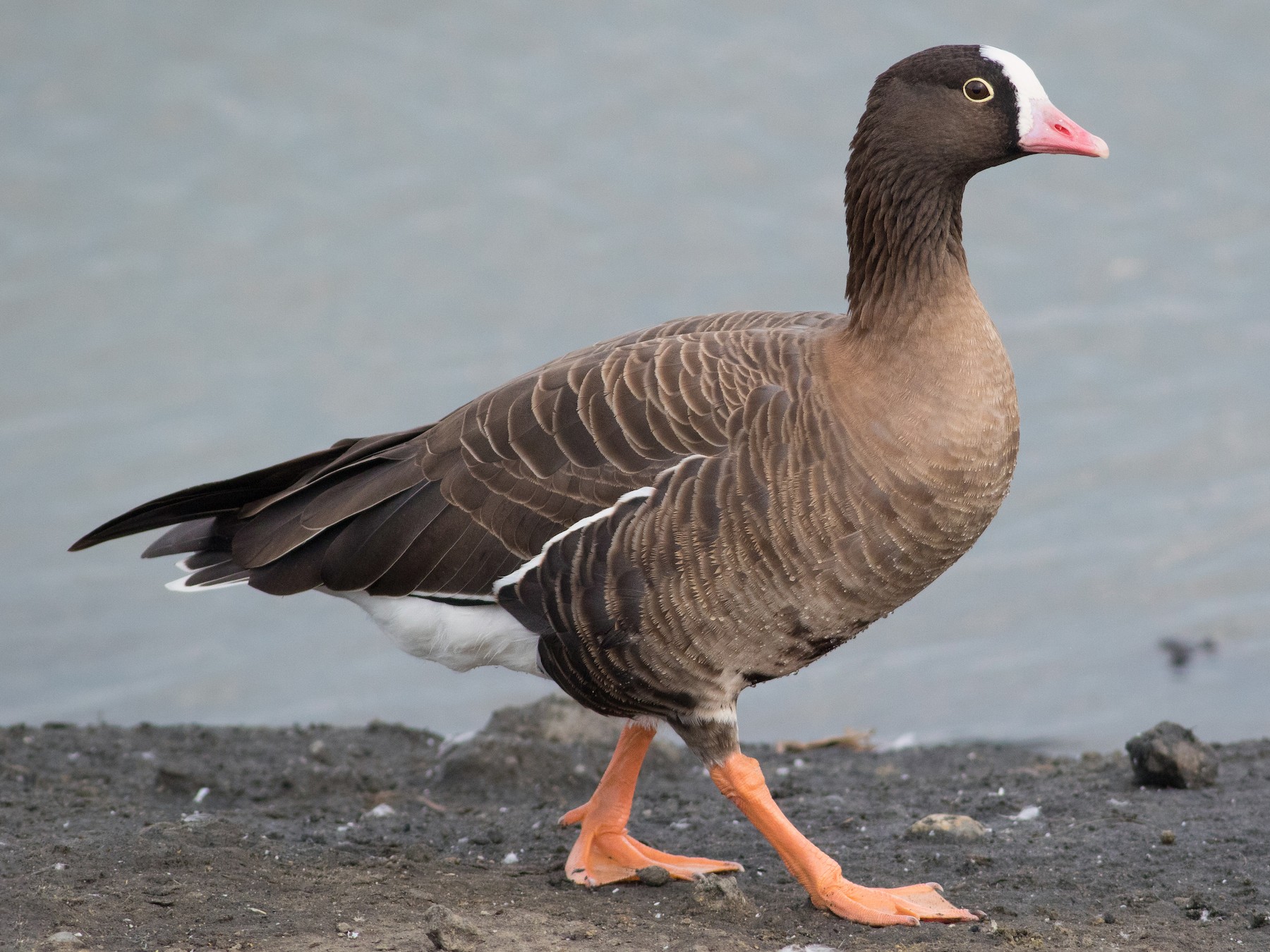
Lesser White-fronted Goose © Macaulay Library, rights of owner reserved

I had previously either been frustrated or dithered in this quest for Lesser White-fronted Goose through much of the current winter. First a family party of seven arrived in Yorkshire at Flamborough Head back on 9th November. The dominant bird of that subsequently itinerant group bears a ring establishing he was released as a juvenile in Swedish Lapland in July 2018, and has since been tracked regularly wintering in Holland. Though it cannot be proven scientifically, his current six companions are unlikely to hail from any other source. In the newer, remarkably large Norfolk group, seven adult birds carry rings from the same re-introduction initiative, whilst five more are first winter birds.

It was thought the Yorkshire LWfGs would over-winter, so given the distance involved  I intended to record them over the Christmas holiday period, before my attention was distracted by the Yellow Warbler in Kent. But by then they had moved on, to suddenly re-appear at Spurn for just two days on 13 and 14th January. That group has not returned to Blighty since.

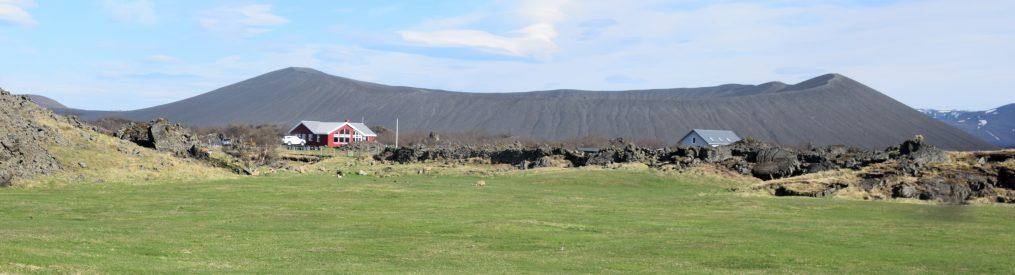
Ken Hill Marshes

LW-f Goose is classed as endangered on the IUCN Red List, with a worldwide population of around 16,000. The likelihood of observing a genuine vagrant in the British Isles is now slight. When I first started birding in the 1980s they were still expected regularly in very small numbers. But such occurrences have dwindled since then in parallel with the species’ long-term decline due to habitat deterioration, human disturbance and shooting. 

The core population breeds in Siberian Russia and over-winters in east Asia. There is also a discernible breeding sub-population of just over100 individuals in Norway. The latter winter at Lake Kerkini in northern Greece and can be connected with on an organized field trip that offers little else in an evolved (for me) sense. It may also be possible to observe them on passage through Hungary and Bulgaria. This year’s mid-winter count of 104 birds is cited as the highest for several years. Another former fragment cluster in Finland became extinct.

Geographically between the two existing populations, a re-introduction scheme in northern Sweden since 1975 has aimed to guard against LW-fG becoming extinct in the Fennoscandia region (see here). This group has maintained numbers of around 15 breeding pairs that usually winter in Germany and Holland. The project’s dynamics are a matter of debate amongst Scandinavian birders, amongst whom some maintain the introduced geese pose a threat to the Norwegian sub-population’s own survival. Others as vigorously oppose such a stance.

All recent British records, if not more plainly escapes from wildfowl collections, are presumed to be from that source. These included, most notably:

  • Four birds at North Warren RSPB, Suffolk in 2014 -15 that I failed to connect with
  • A juvenile that spent six weeks on Mainland Shetland in 2015
  • An individual that ranged quite elusively around Norfolk amongst Brent and Pink-footed flocks through the winter of 2019 /20, without settling in any location for long. I attempted to connect with but dipped it on 10th January (see here)
  • A candidate bird at Potter Heigham, Norfolk in April 2019
  • An adult at Walpole St Peter, Norfolk in January 2020
  • An adult at Oare Marshes, Kent in January 2023
  • Another individual of unknown provenance amongst Pink-footed Geese in the Kings Lynn area during the current, 2024/25 winter.

For the RBA gallery of today’s birds see here. And for a detailed species comparison of Greater and Lesser White-fronted Geese see here.

Whilst awaiting any future national occurrence of scientifically proven, wintering individuals from the core Siberian/east Asian, or Norwegian/Kerkini sub-populations, what transpired today must suffice to fulfil my career objective for this species. The only LW-fG I had ever set eyes upon previously was in a pen at WWT Slimbridge, longer ago than I now care to recall.

Footnote: Through to the end of March, 16 more LW-fG from the Swedish scheme were recorded in two groups at a number of north-Norfolk locations. This brought the total number to have wintered in eastern England to 47. The single bird seen around King’s Lynn relocated to Lancashire in early March and looks set to be accepted as a genuine wild vagrant into category A of the British list.

My national 400 career goal edges closer with a Yellow Warbler in Kent – 27th Dec

As things have transpired, this wildlife year has concluded as it began (see here), with twitching a vagrant Nearctic passerine. It has been a number of mid-winter seasons since something truly diverting in the birding sense has been available over the festive period, but now a probably storm-blown and surviving earlier autumn migrant had announced itself on 24th just under 100 miles from home. I imagined I was giving things a couple of days to calm down, but could not have been more wrong.

During the former time when I started birding in the 1980s, I recall there was a thing called the ‘UK 400 Club’ of people who had recorded that total of species nationally. Nowadays such leading twitchers are well into the 500s, amongst them some close birding colleagues. But I have never been hard-core and so have retained 400 as a lifetime’s ambition, whilst keeping largely to a 150-mile or exceptionally greater driving distance from home. There remains a small wish list of Westpal lifers I might yet travel to see, but stray megas from either east or west within manageable range can also mobilise my interest.

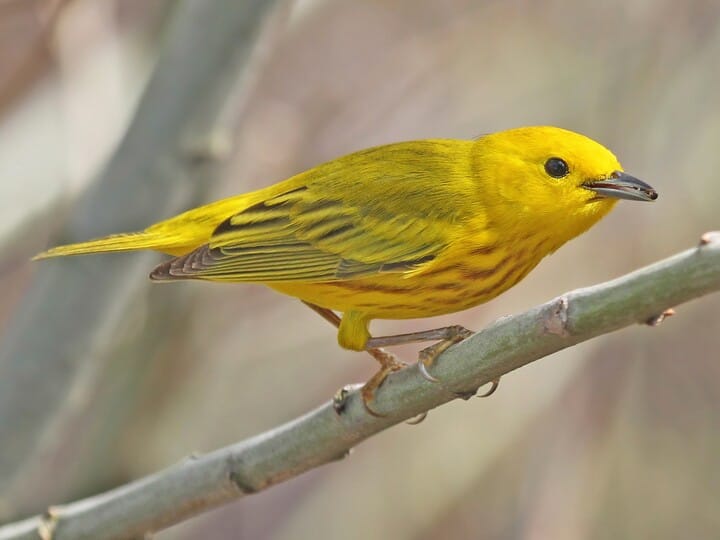
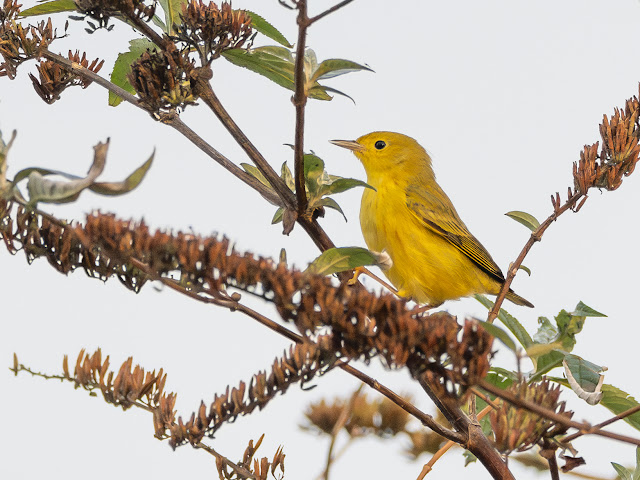
Yellow Warbler © Macaulay Library, rights of owner reserved

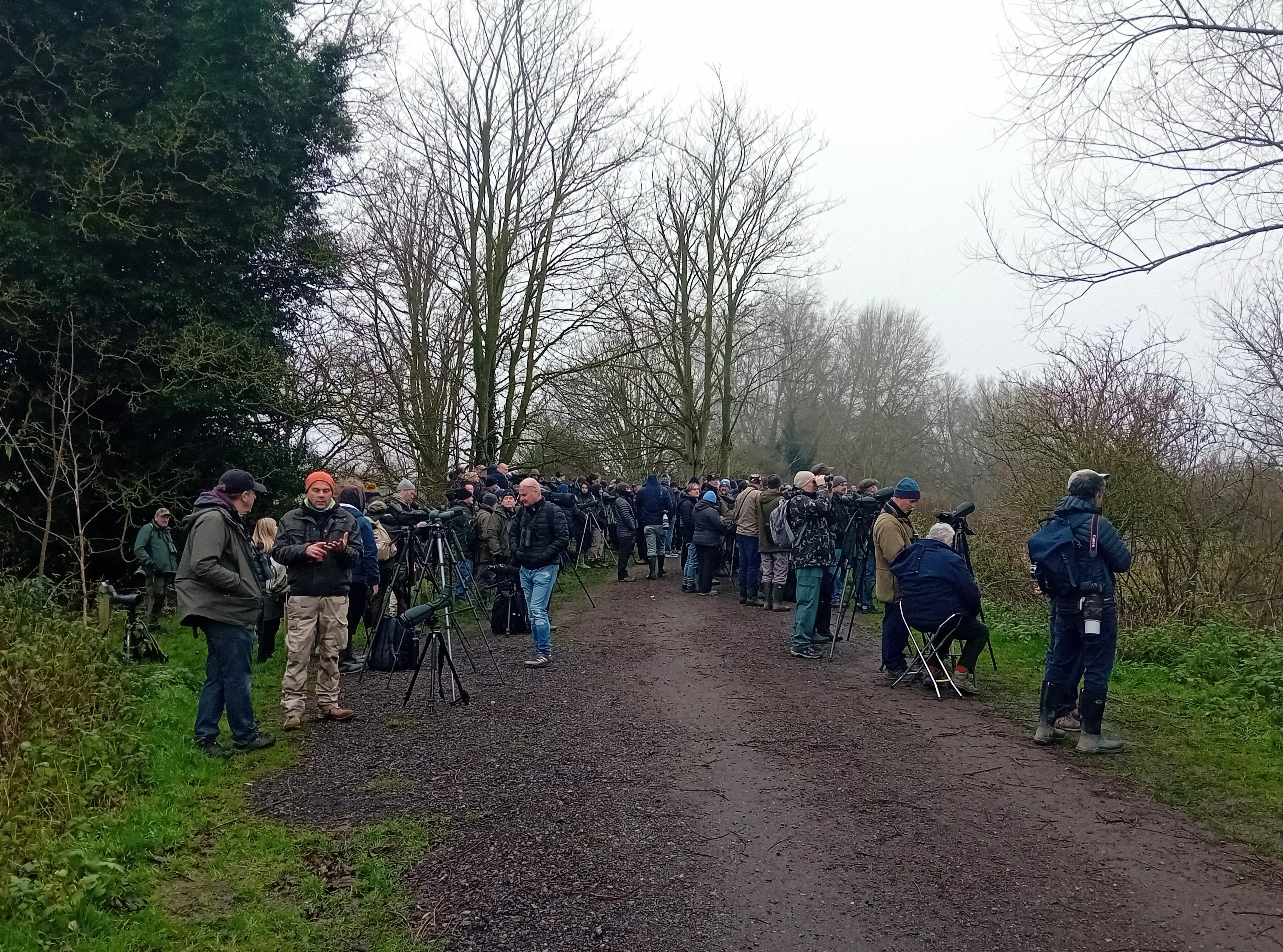
Hence on the appointed morning I arrived in an industrial estate at Snodland (51°19’35.4″N 0°26’56.8″E) to the south-west of Rochester at around 11am, and stopped amidst a tell-tale accumulation of parked cars. Then I walked out along a track by a stream between a former gravel pit complex and a modern-day sewage facility. Seasonal family duty and the wish to avoid divorce had clearly held sway up until today, but as things turned out this was to be one of the biggest twitches I have ever attended (pictured below). As has become customary since we usually go for the same birds, I kept in touch with Adam who had been with relatives more locally and so went out to connect on the previous day (see here). Another Oxon birder had quite fortuitously been even closer on 24th (here).

Just the top of the twitch line

I timed my own arrival to coincide with when the bird had become most active in each of the preceding two days. Then it had also been seen once earlier in the day, but not this time and some of the 300-strong assembly had been present since first light. I took up a good position opposite a group of five Alders across the stream that was cited as the most reliable spot on my quest’s feeding circuit. Around 90 minutes later there was a sudden rush further along the path which I followed, getting there to mutters of: “Someone says he heard it.” Then the focus of attention switched immediately back to where I had hitherto been waiting.

I should have stayed put. Now the Yellow Warbler was in the Alders and various people around me were issuing directions as to its movements. I was standing behind someone who was actually on it, but I couldn’t pick it out. All was over in a matter of seconds as the bird flew into the sewage works. Someone else remarked it would be warm in there with lots of insects, and that is why the vagrant was here. My understanding is that conditions needed to become suitably benign for it to emerge from that comfort and fly-catch in the surrounding trees. In the immediate aftermath human numbers seemed to swell to possibly double those on my arrival.

This was not my scene at all, and a situation I usually seek to avoid. Waiting for almost two hours more, I reflected ruefully on why I prefer to be butterflying alone on southern European mountainsides, or as engrossed crawling around on all fours taking macro pictures of fungi or wild plants. I didn’t doubt I was in A-list twitching company, but actually saw very few familiar faces. Then at 14:20 several people behind me as one pronounced: “It’s calling.” The Yellow Warbler was back in the Alders, and directions were issuing from all around. Fortunately I was positioned next to someone who was very good at it, and the familiar surge of relief that comes when a long, frustrating wait ends soon coursed through me.

Today’s bird on 24th © and courtesy of Thomas Miller

Despite being a very common Warbler throughout the Americas this is an extremely rare vagrant to the British Isles. Though there are said to be five historic records, it was added to the British list only in 2017 when an individual was located for less than one August day on Portland, Dorset (see here). I remember the occasion well having been on site with Oxon colleagues Ewan and the Wickster at first light the following morning. The major Nearctic landfall of 2023 brought three more to Shetland and Argyll. This post’s far more accessible bird is the first ever in winter, and making up for a previous dip is always satisfying.

My initial views had been good enough but better was to follow. The crowd moved back up the track, and hence in my direction out of there, stopping before a particular tree. Then at close range in my bins I re-found this male bird, perched momentarily in all its bright yellow and green-tinged finery against the trunk. It flew off to one side, some people followed, while others like myself headed for the parking area. By the time I got back to my own car a little further on, a steady stream of birders were leaving site, all smiling and chatting with the satisfaction of a successful twitch. A newly discovered Scops Owl around 50 miles further east at Broadstairs was no doubt awaiting some of their collective attention, but the night drive home from there was not something I wished to consider.

In the event the journey back to Oxford was horrendous enough. Google Maps announced two hours and 40 minutes for the mere 98-miles, so I headed for the Dartford crossing instead to encounter a six-mile tailback. As I escaped and turned back at the A2 interchange traffic was stationary beyond it. Things were then not too bad until I reached that familiar stretch of the M25 parking lot where the M3, A30 and M4 successively disgorge quantities of traffic onto the London orbital; while the ‘savvier’ leave the main carriageway before those junctions and rejoin afterwards, which perhaps might be a little quicker at least for them. Once I gained the relative sanctuary of the westbound M40, the sheer volume of slow moving traffic in the opposite direction served to speed me on my relieved way home; as so often seems to be the case when I might venture out on a Sunday.

Someone had yet contrived to break down in the outside lane as I passed through the Chiltern escarpment on re-entering God’s own county Oxon, to offer the day’s final obstacle. All this reminded me of why I no longer do much twitching, but hey … my 384th British bird was in the bag and that result was all that now mattered. I can easily make up my career goal’s remaining 16 records if I perhaps get around to and find suitable company for a Scilly pelagic and more productive Scottish highland experiences than my 2019 trip. Or I can just carry on picking off randomly occurring and realistic targets such as this day’s.

Scarlet Waxcap the top prize at Prestwood and more from the project churchyards, also ft Blackening Waxcap: 21st – 28th Oct

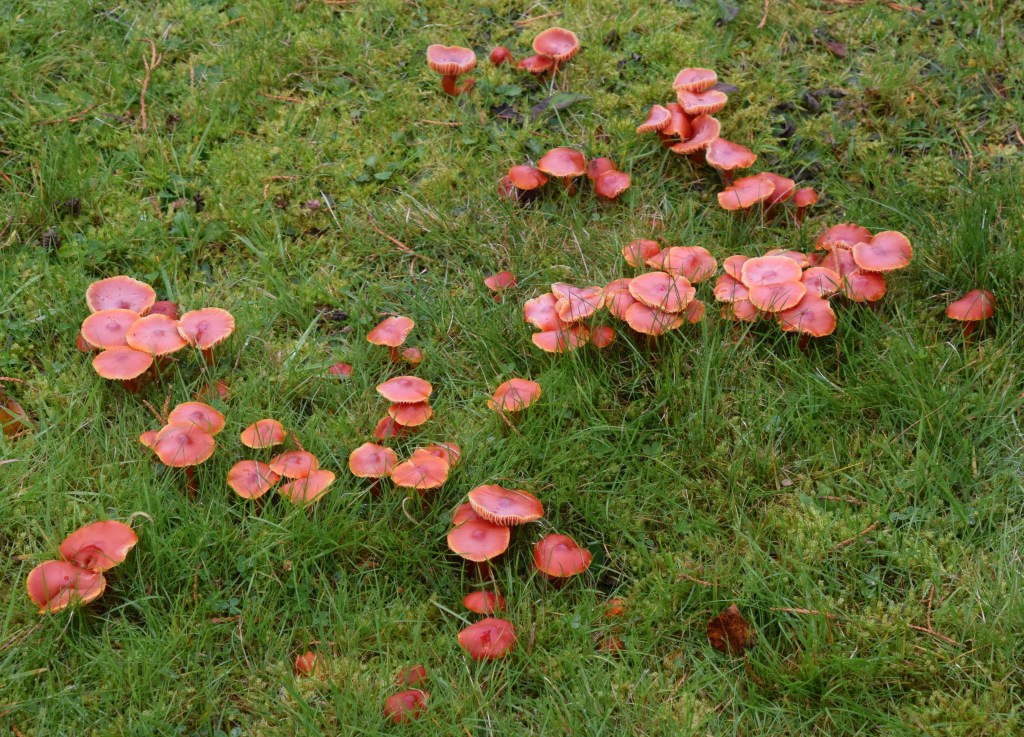
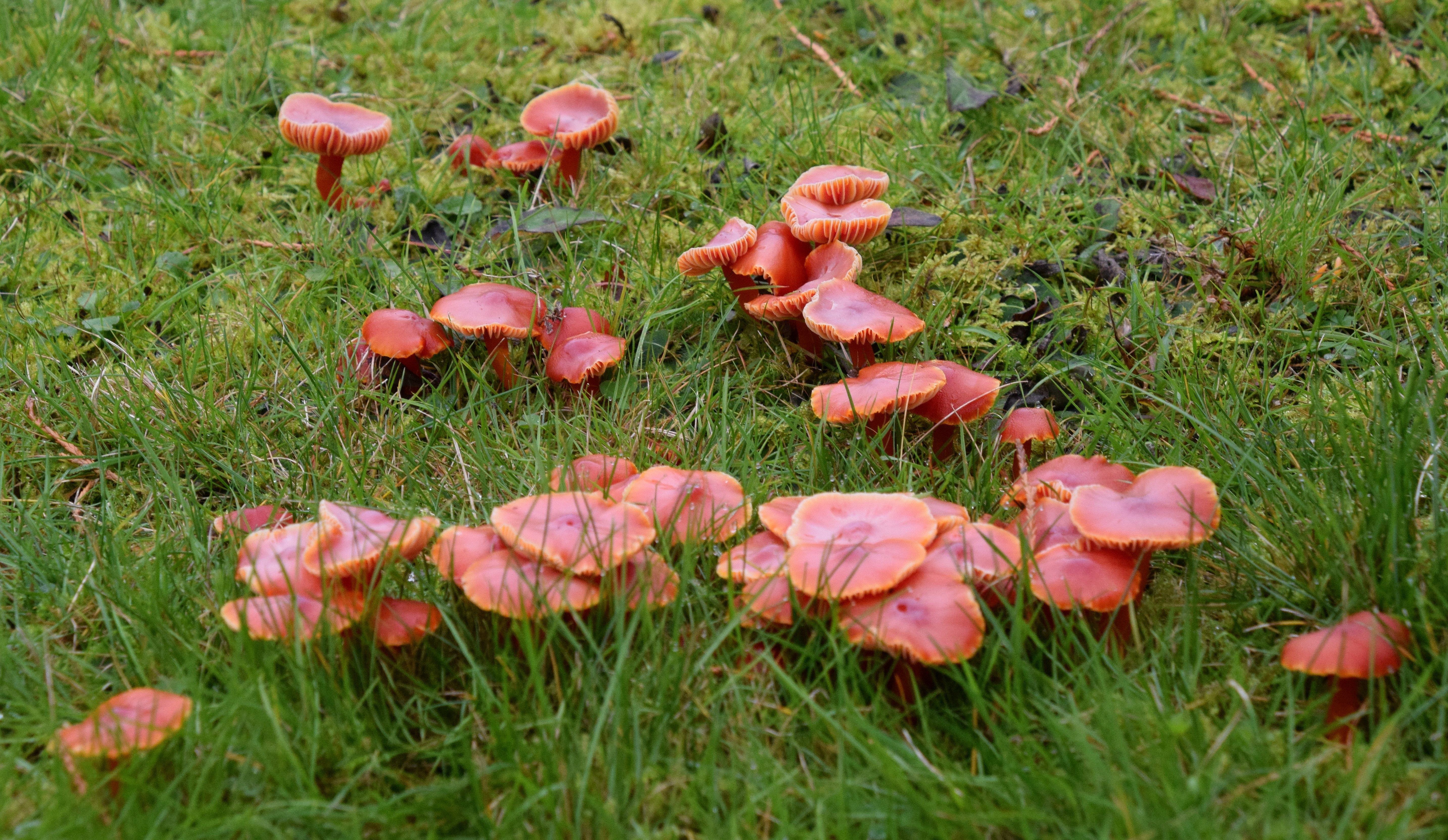
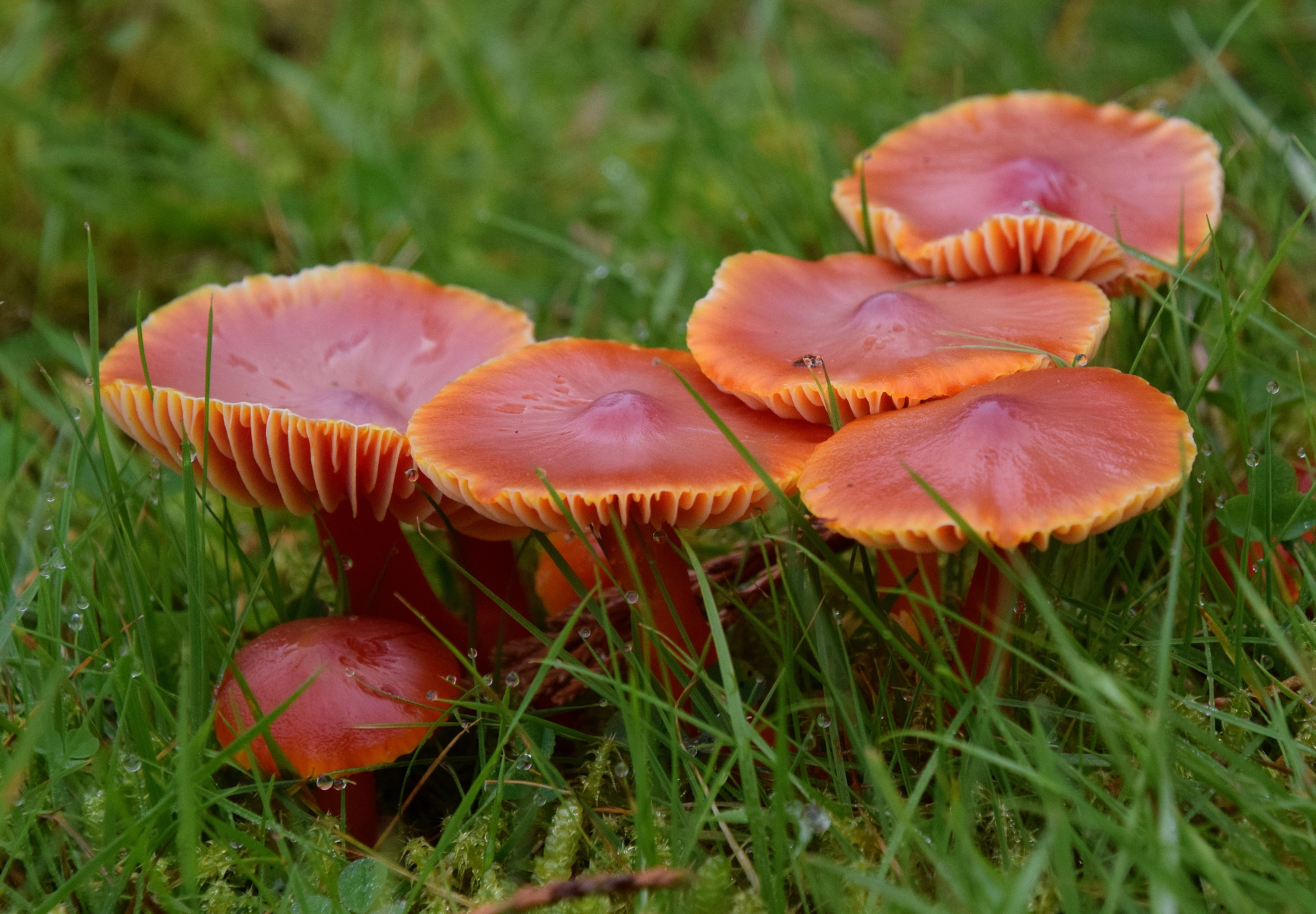
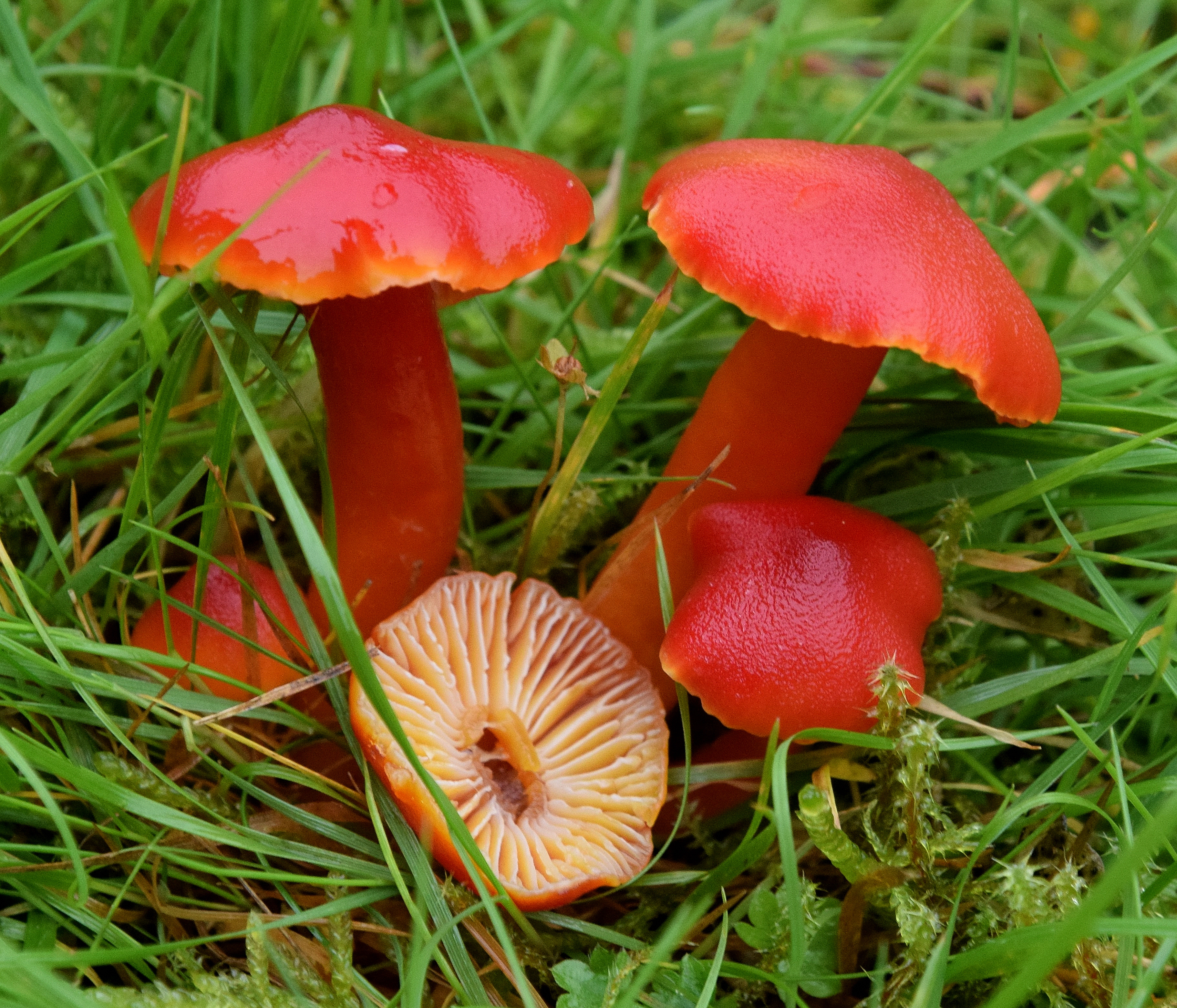
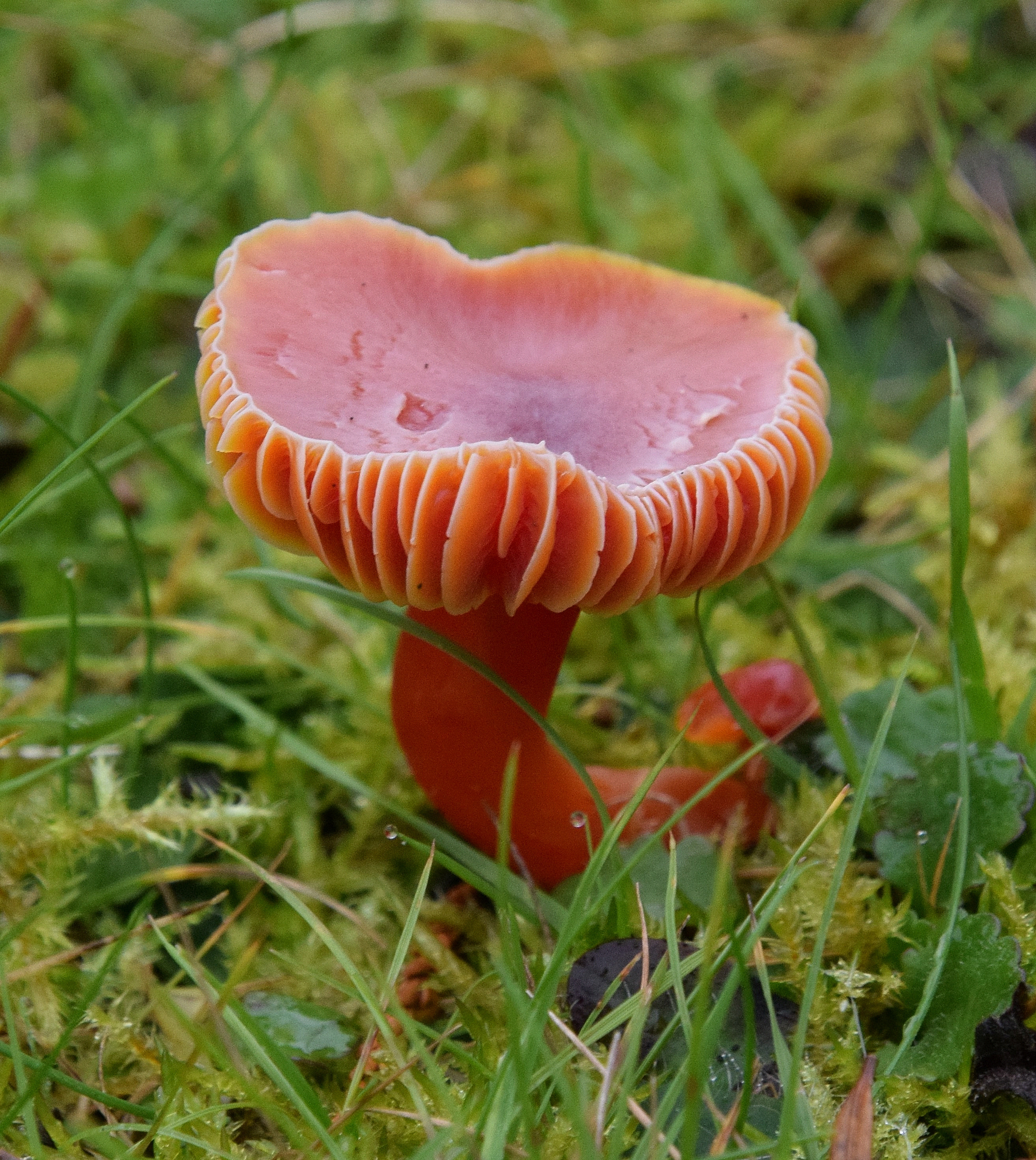
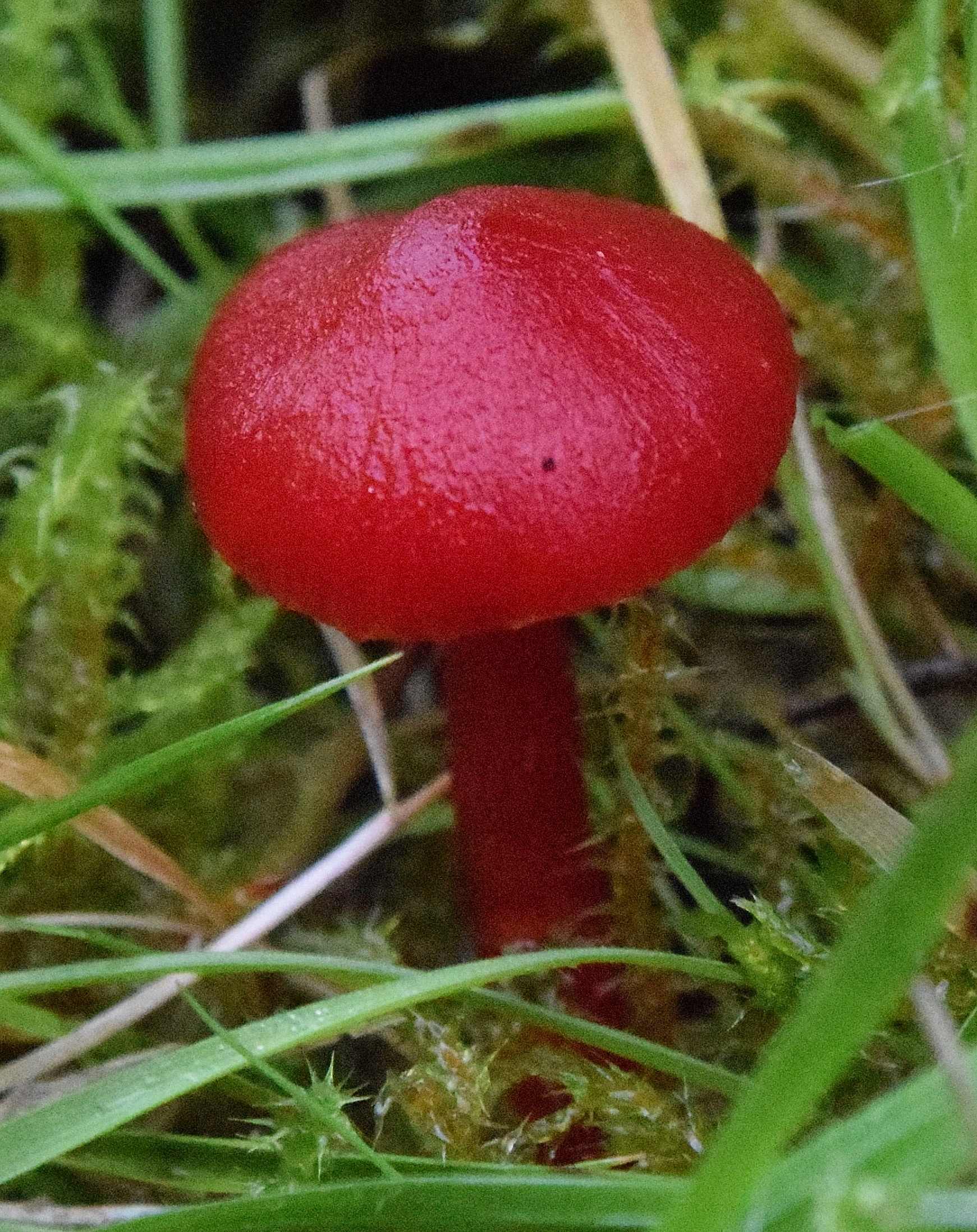
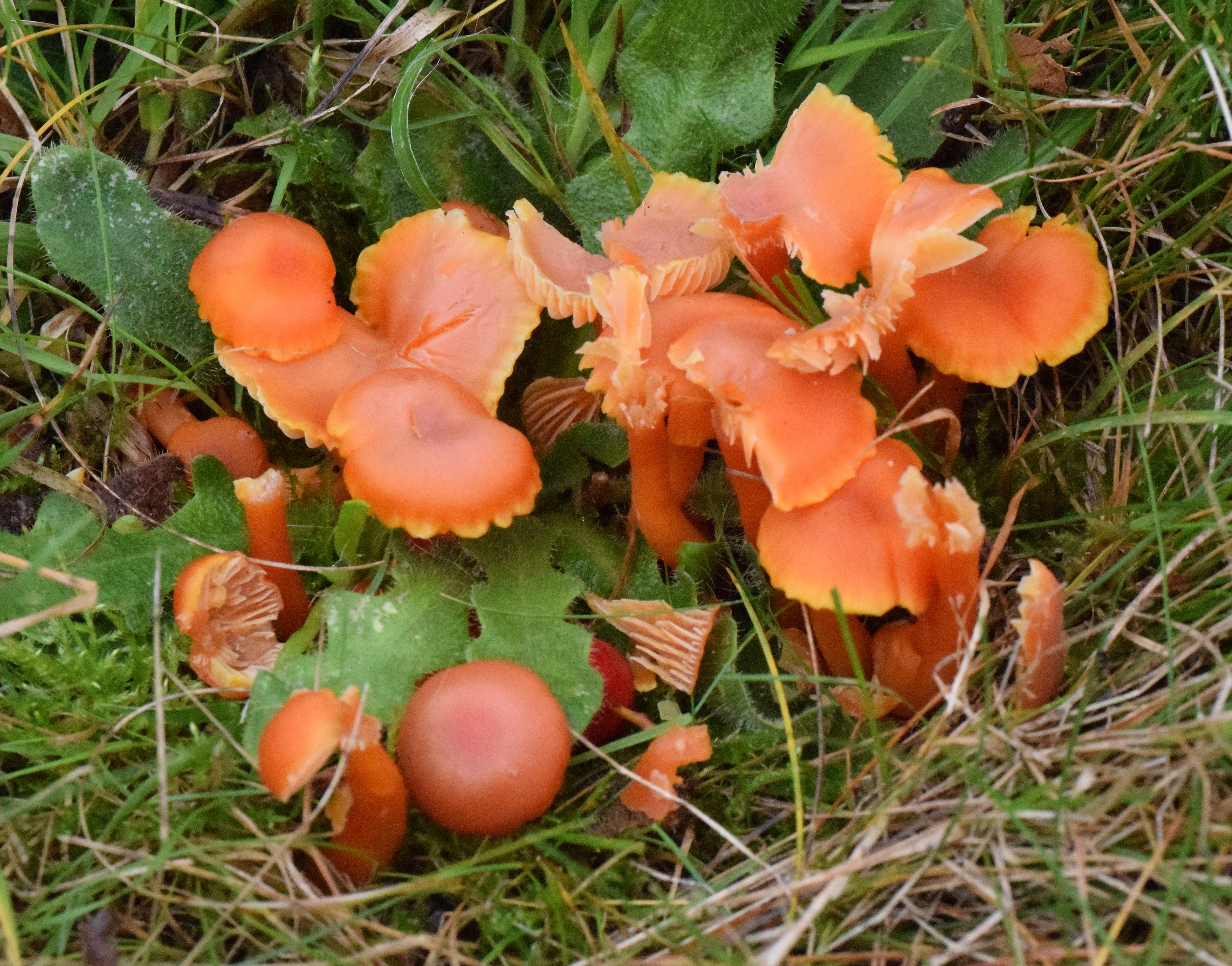
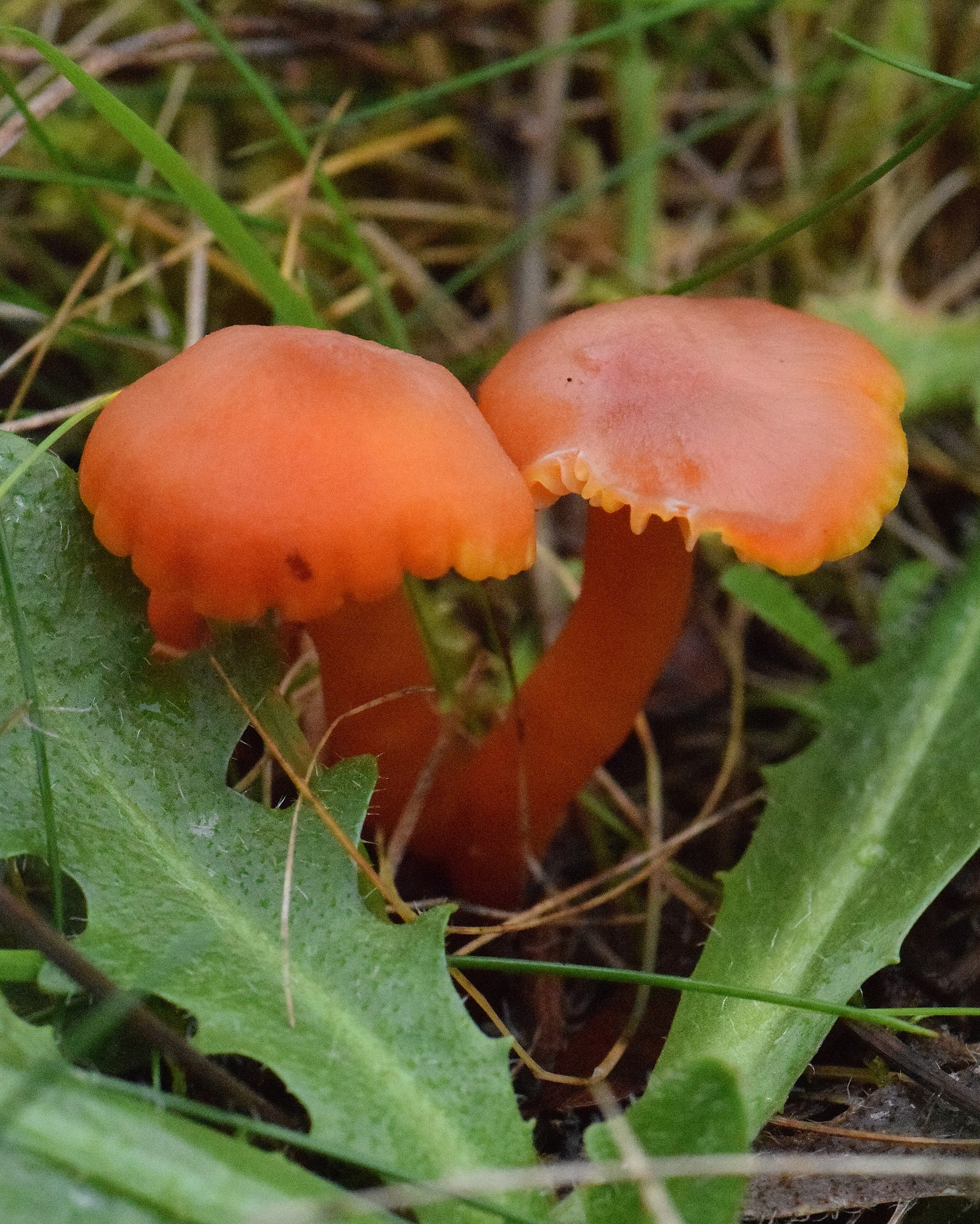
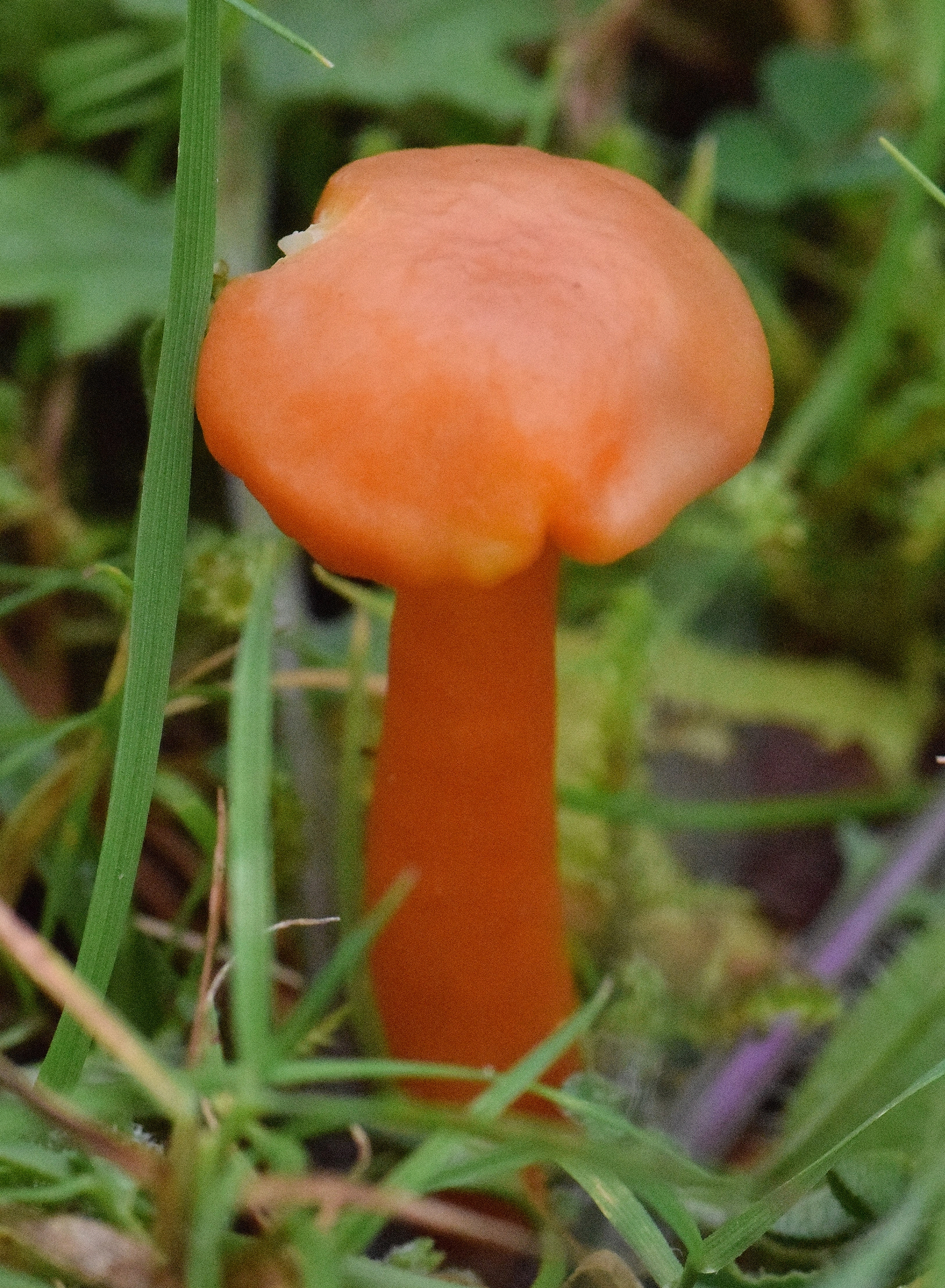
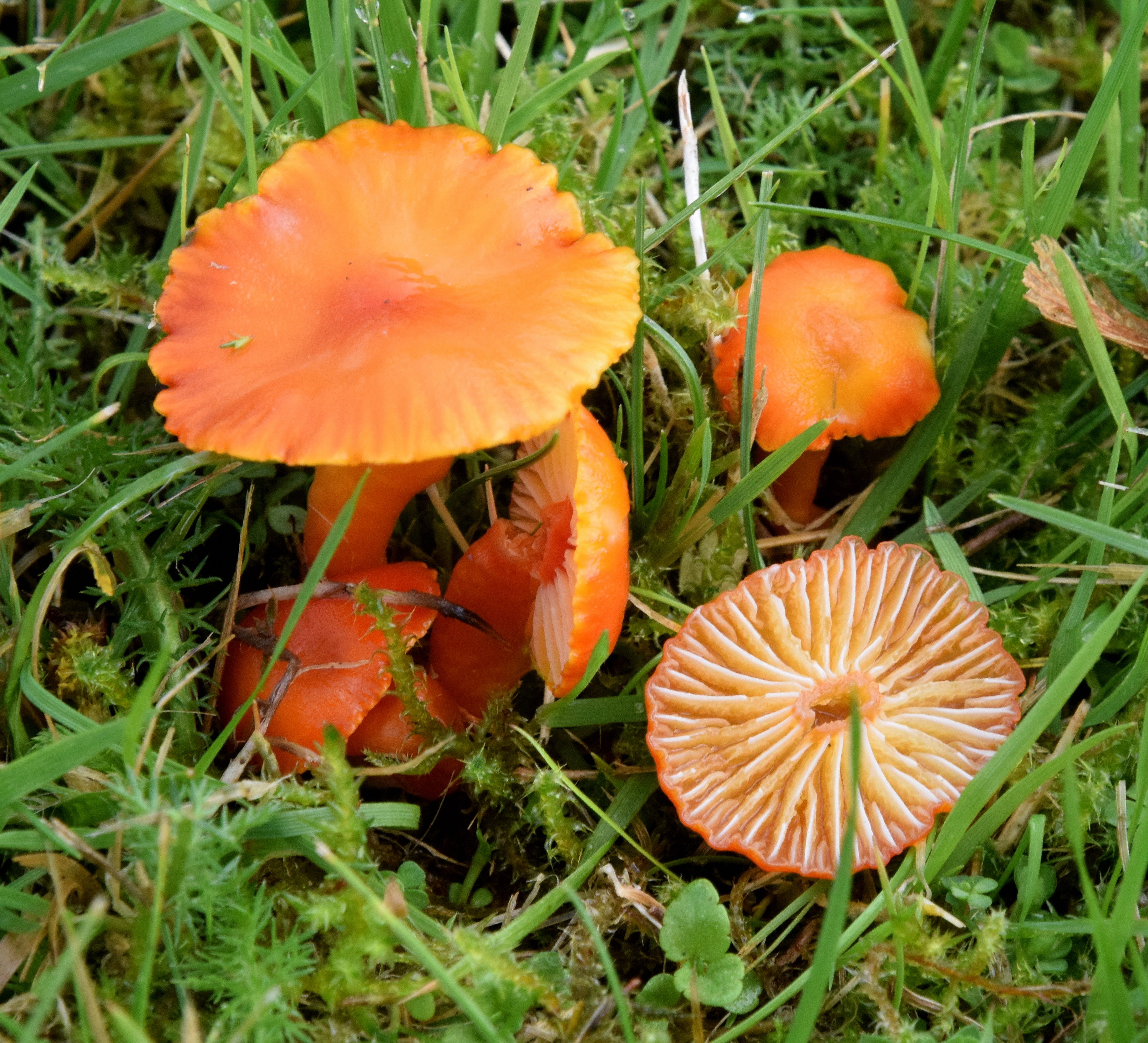
Having converted Pink and Parrot Waxcaps so well in the first two stages of this project, my next priority was to re-experience the original option that had first fired my imagination just under a year ago; but without a mountain bike track right through them (see here). After a quite grizzly weekend in differing respects, I needed to cleanse before doing anything else in the week ahead, and so headed back to Holy Trinity, Prestwood. And on walking through the main entrance on Monday morning, there before me was what I sought … an extensive, fresh and unspoiled expanse of perfectly formed Scarlet Waxcap (see here) mushrooms.

Also known as Scarlet Hood, this is one of the most prized Waxcaps amongst enthusiasts due to its rich colour tone. My first instinct was to grab my camera before anything could damage them, though despite a “bumps and babies” morning in the adjacent church hall my “anxiety” was unfounded. Going back in I met the vicar and some helpers who were clearing up after a weekend event in the church. He promptly went to retrieve his own phone then took pictures himself. The others also looked on approvingly as I gardened around this outstanding opportunity to record such a large and un-munched eruption.

Scarlet Waxcaps (above and below)

Ewan then joined me, who newly returned from an excellent autumn stint on Shetland was seeking a little fungi hunting as an alternative to re-acclimatising to local birding. I felt pleased to have drawn him to this day’s best choice from my own current wildlife agenda. Searching around we found more emergent Scarlets in another area of the churchyard, and throughout I appreciated this was as good an experience with the species as it may be possible to enjoy.

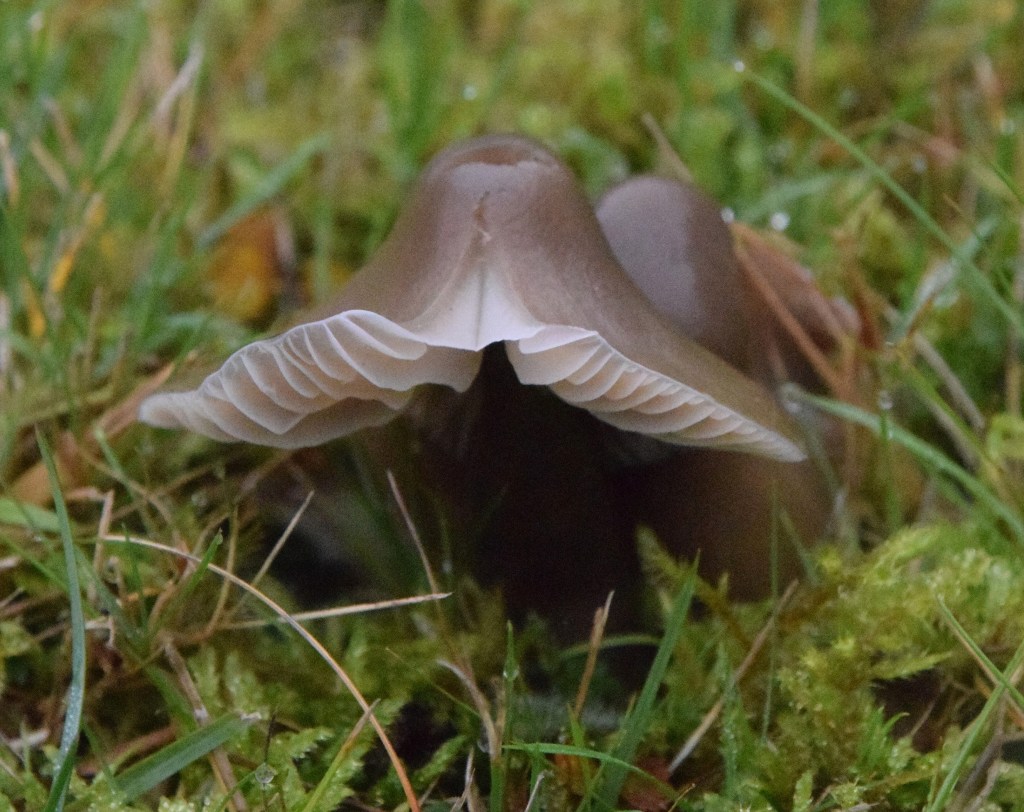
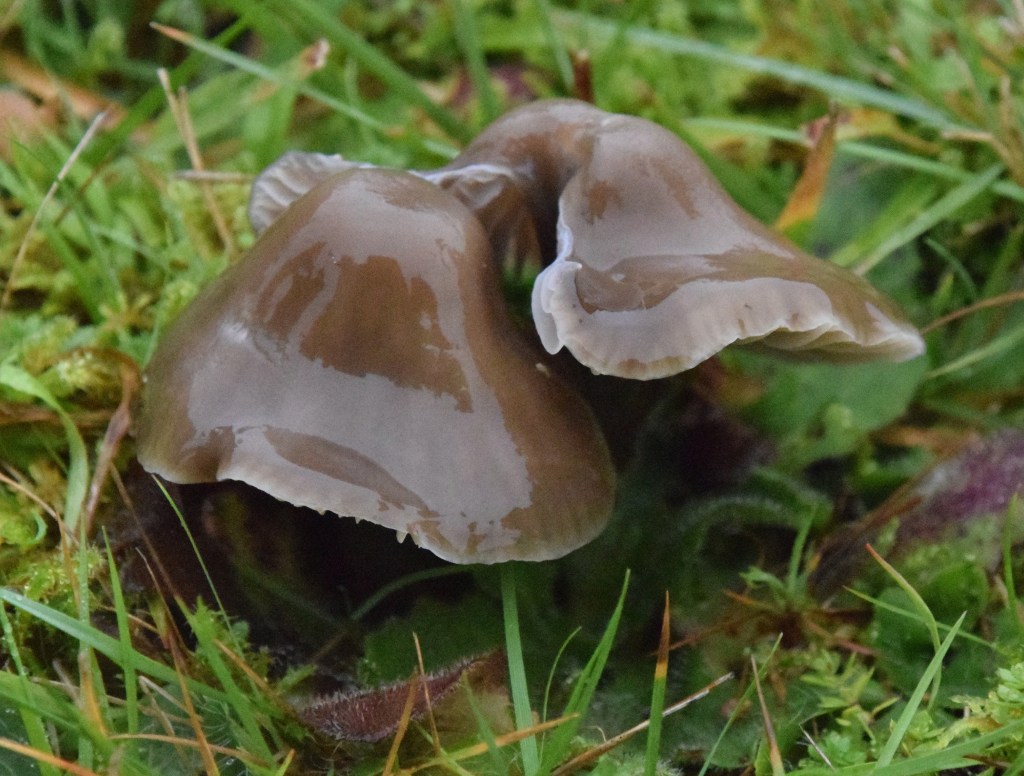
Most of the other Waxcaps of my autumn’s visits so far were also still performing to a greater or lesser extent. Of those I felt Slimy Waxcap (below – here) was the next most interesting to this post’s lead item. Though probably at the opposite end of the attractiveness and certainly the colour spectra, their weird shapes and contours accentuated by their shiny quality exuded a certain idiosyncratic allure of their own. I stopped by at Prestwood again three days later on 24th and the featured Scarlet Waxcap eruption was still intact.

Slimy Waxcaps

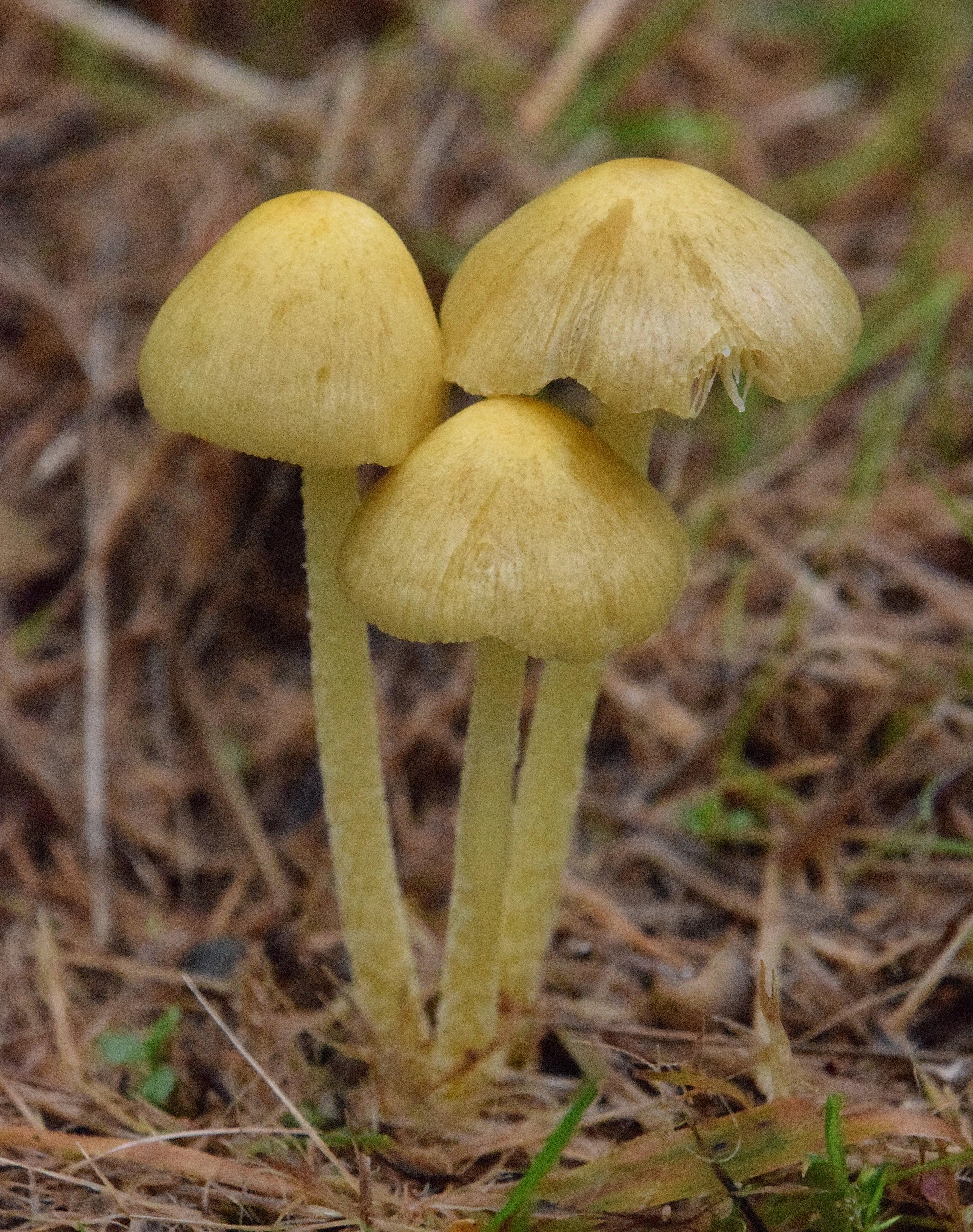
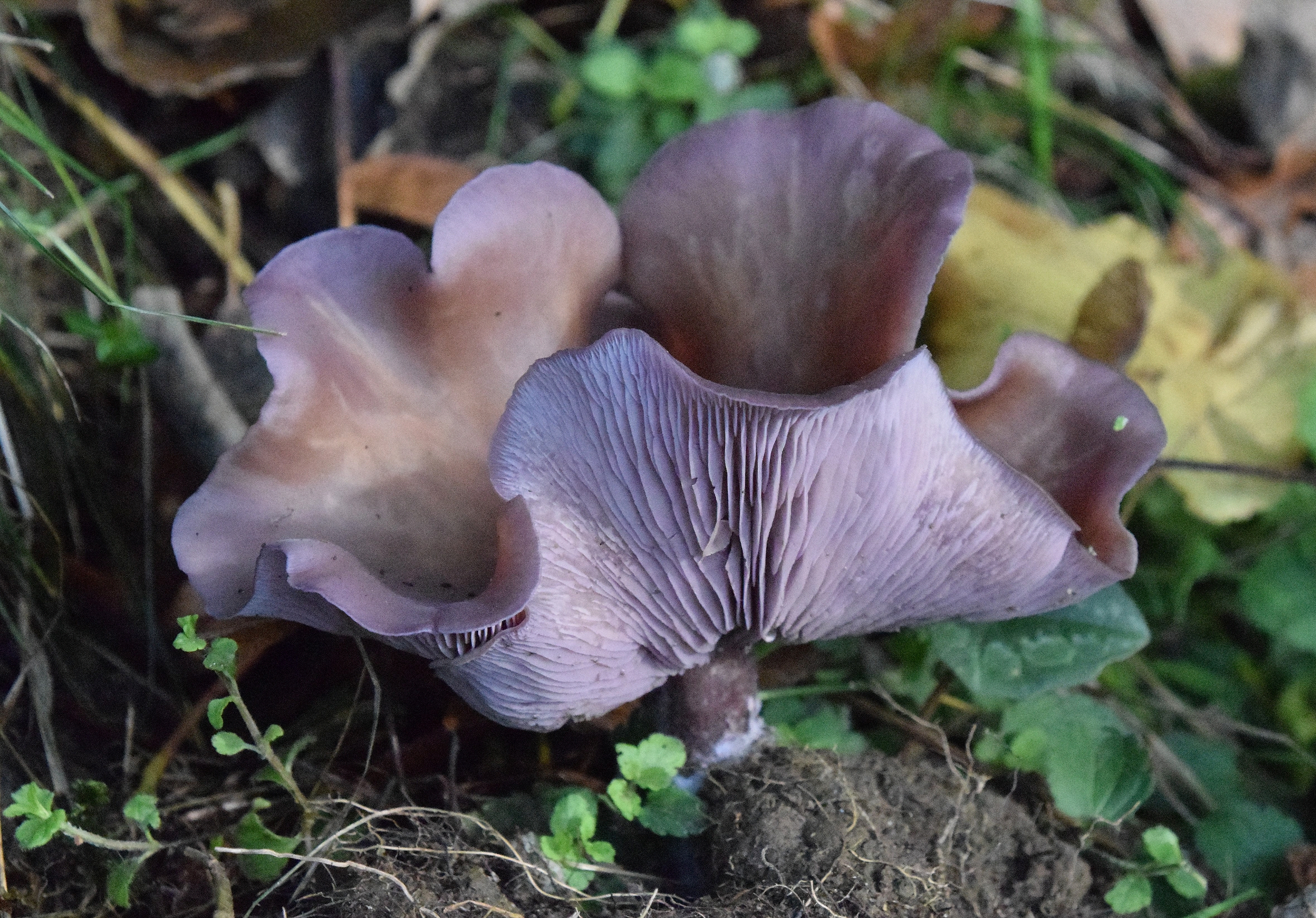
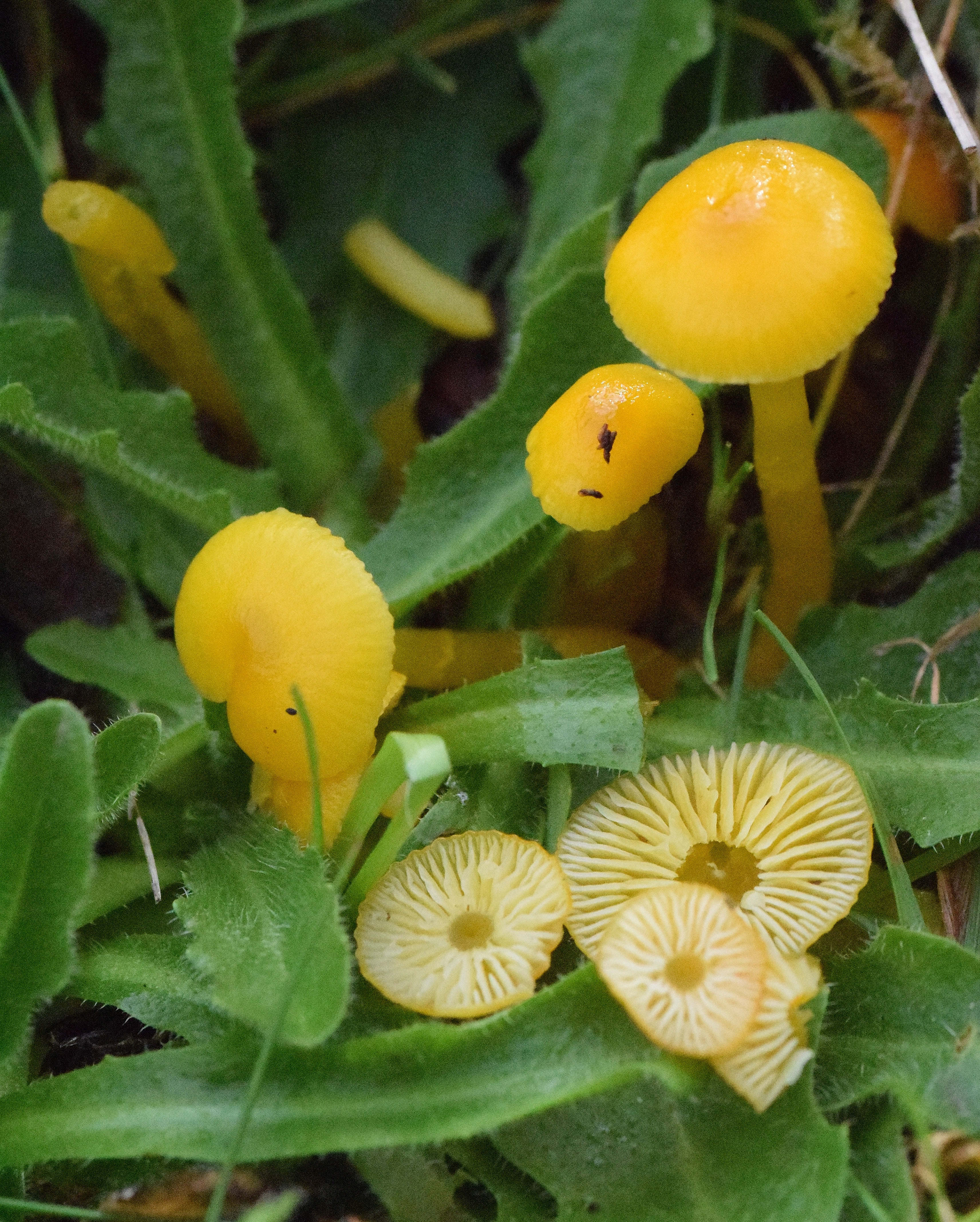
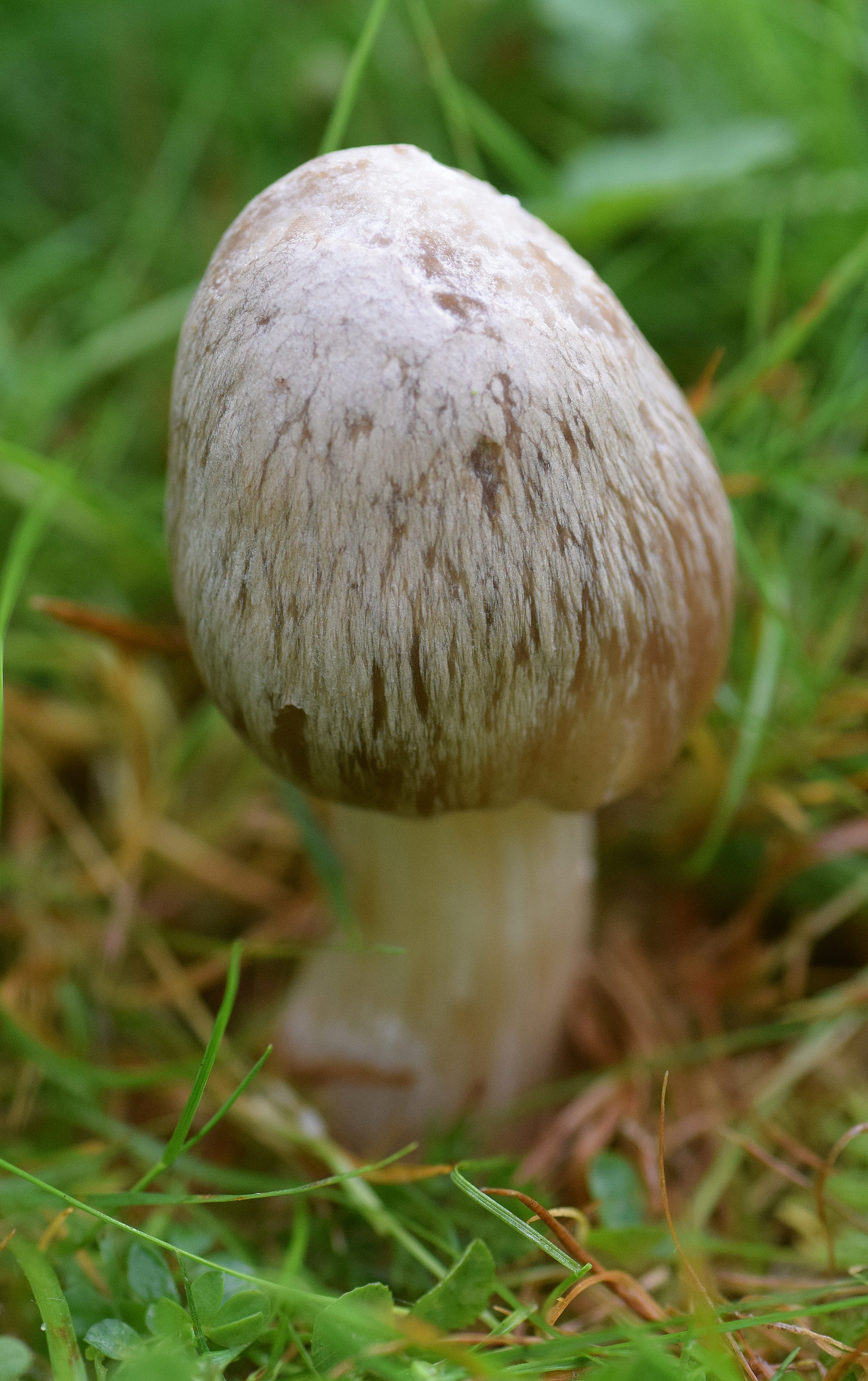
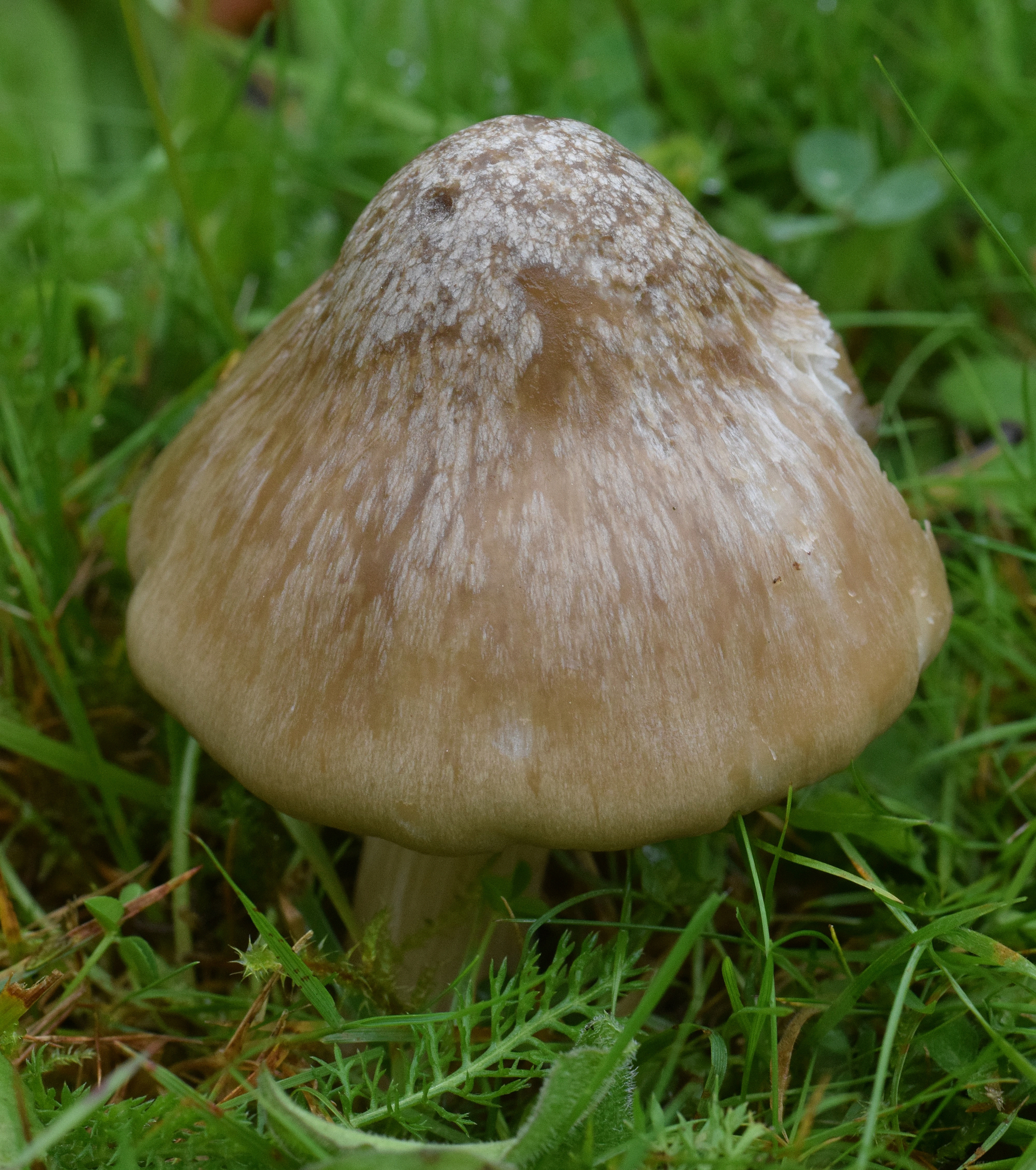
An especially intriguing find there was the little gems pictured below, left. Yellow Fieldcap (here) is one of the shortest-lived of all mushrooms, completing it’s fruiting cycle in less than one day. It is saprobic upon (ie feeds from and breaks down) rotting hay, and may fruit at any time of year. A second extra I have included for interest is a magnificent Wood Blewit (right – here) at Nettlebed. It is unusual to encounter such a large fungus in an undamaged state. When I re-visited there on 22nd it had avoided munchers for four more days, under trees in an unkempt corner of that churchyard.

Yellow Fieldcap (left) and Wood Blewit

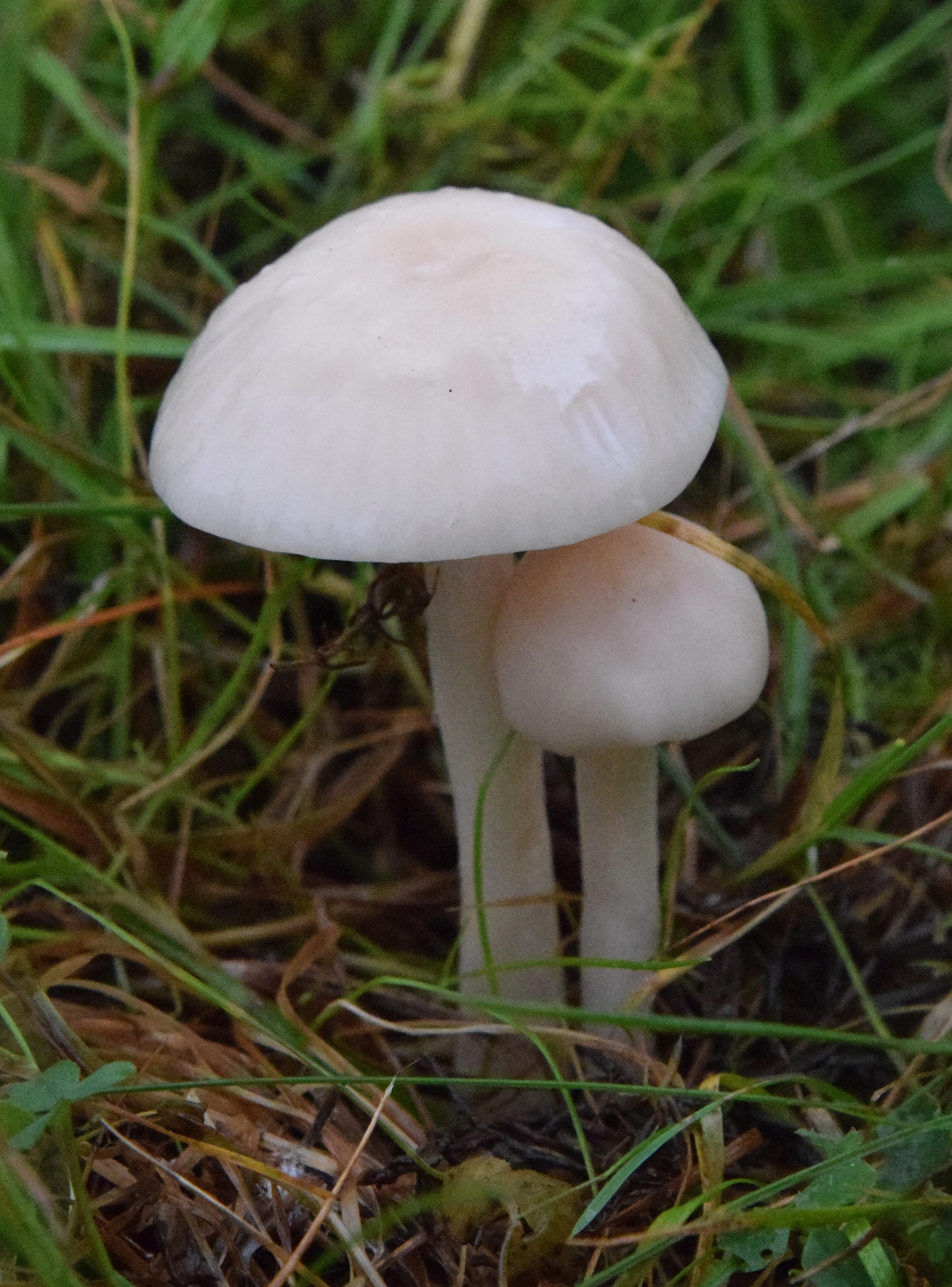
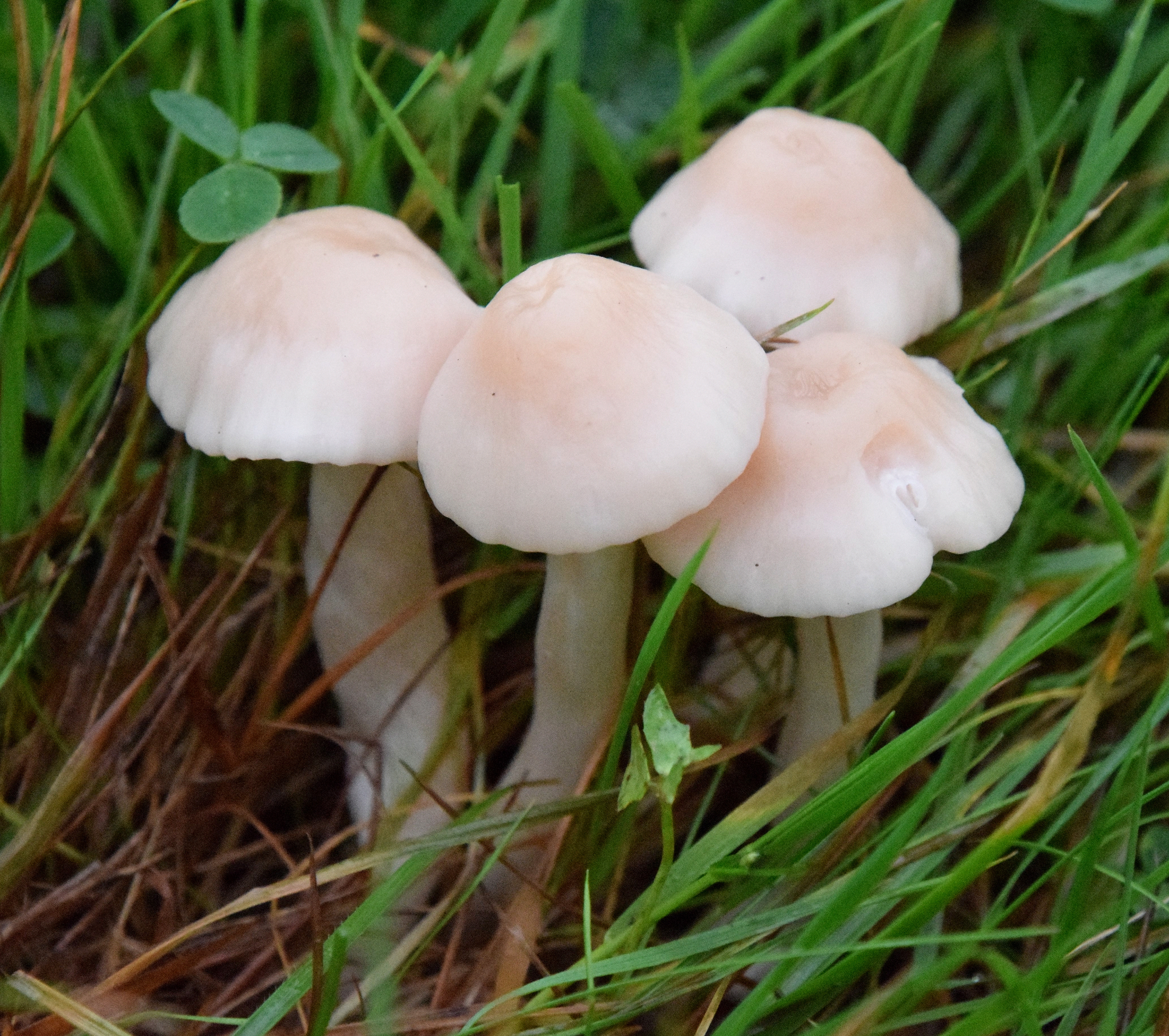
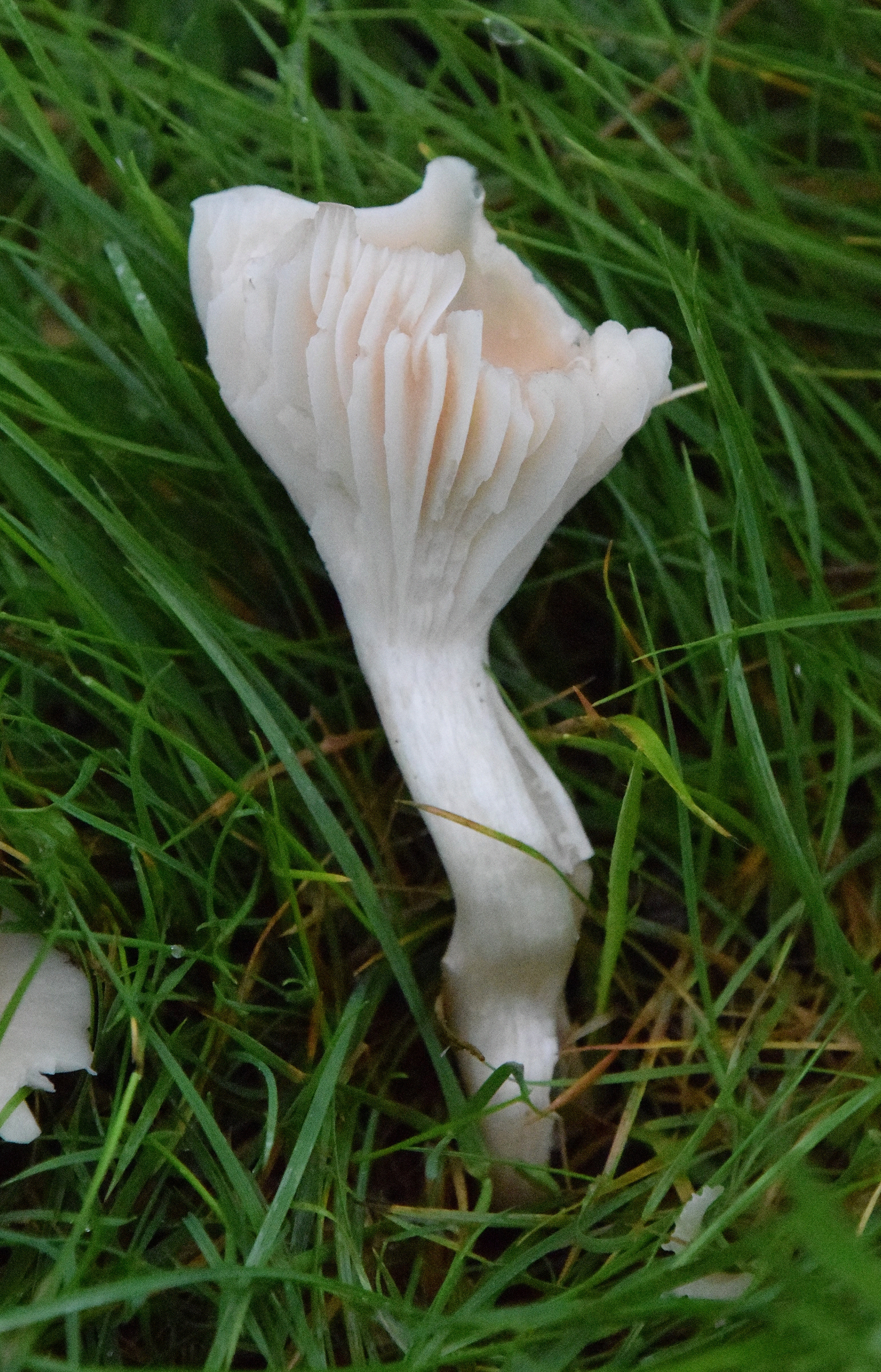
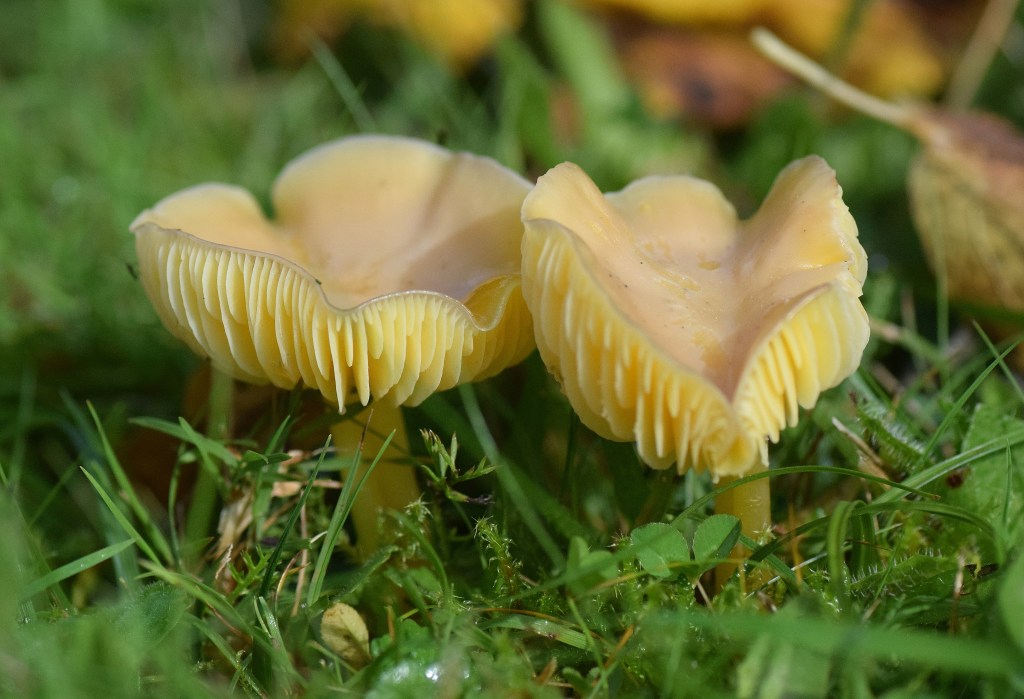
One item largely omitted from these three posts so far is Snowy Waxcap (see here), due to the difficulty of gaining adequate images of such a pale subject. That was finally attained (below) at Stoke Poges Memorial Gardens on 28th. This species became more and more plentiful at all four sites featured herein as the survey period progressed. So everything recorded has now been described and illustrated.

Snowy Waxcaps

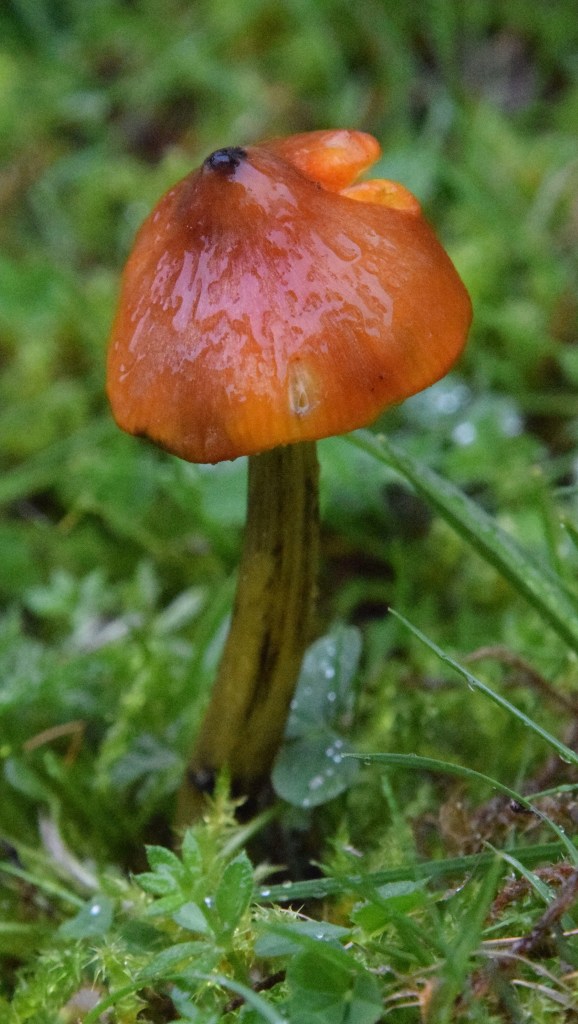
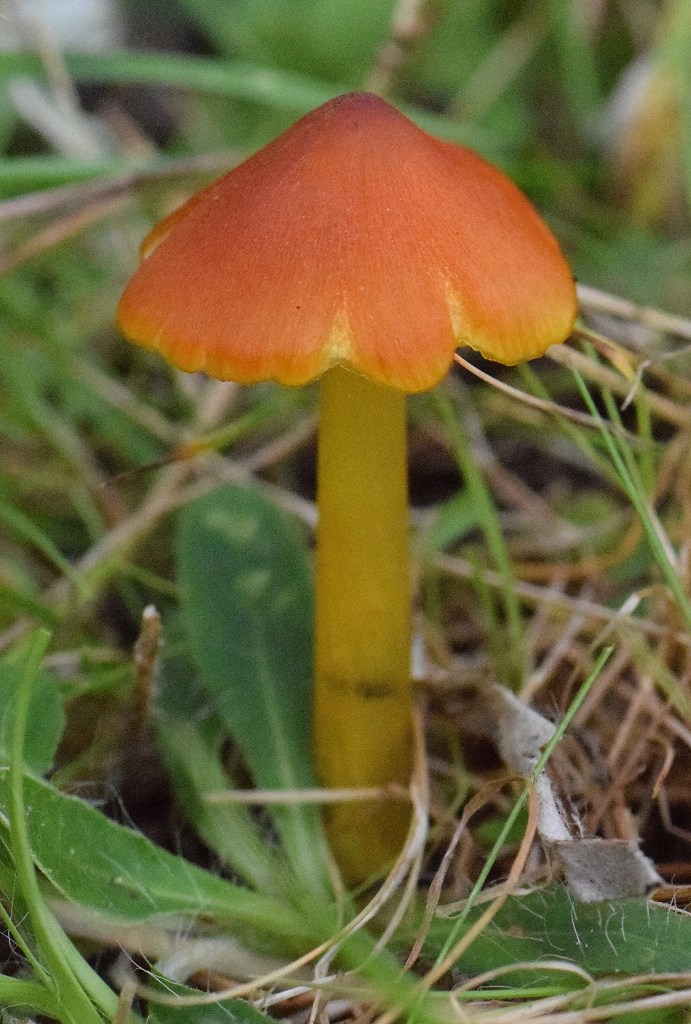
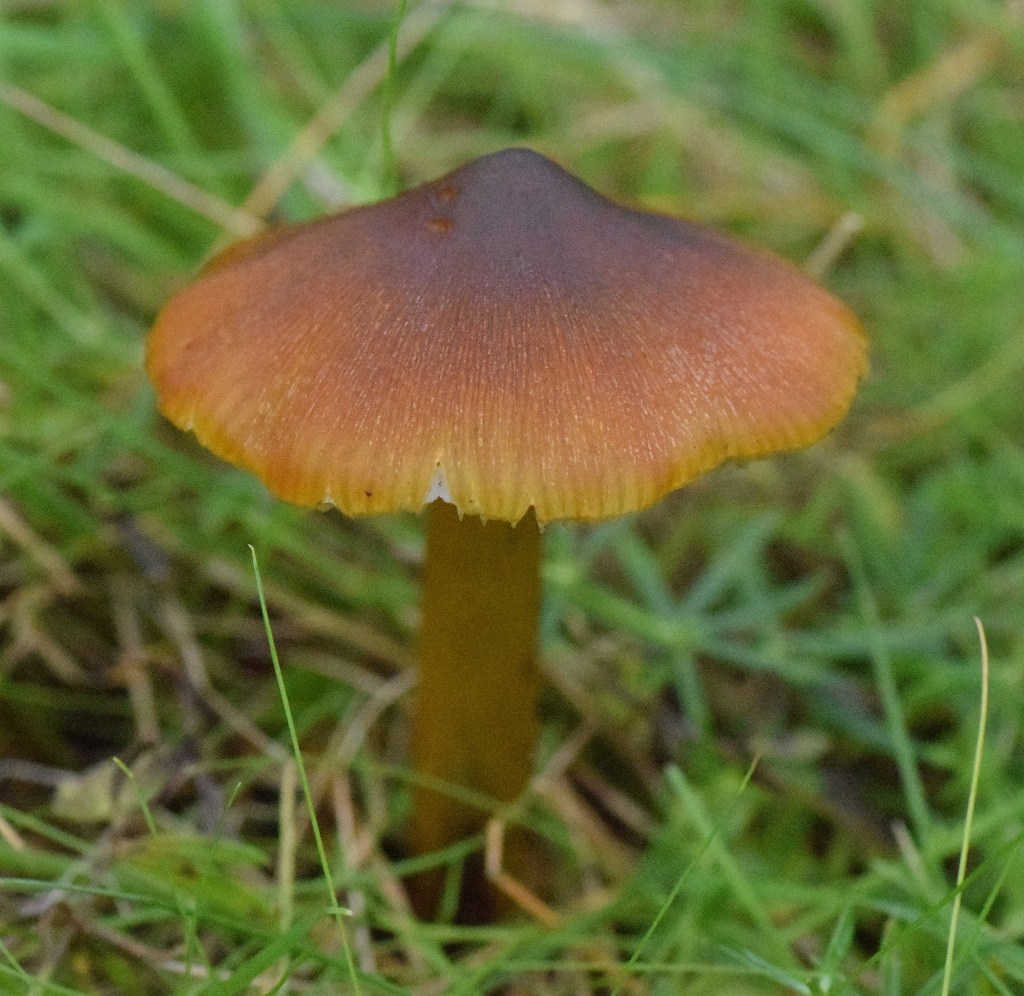
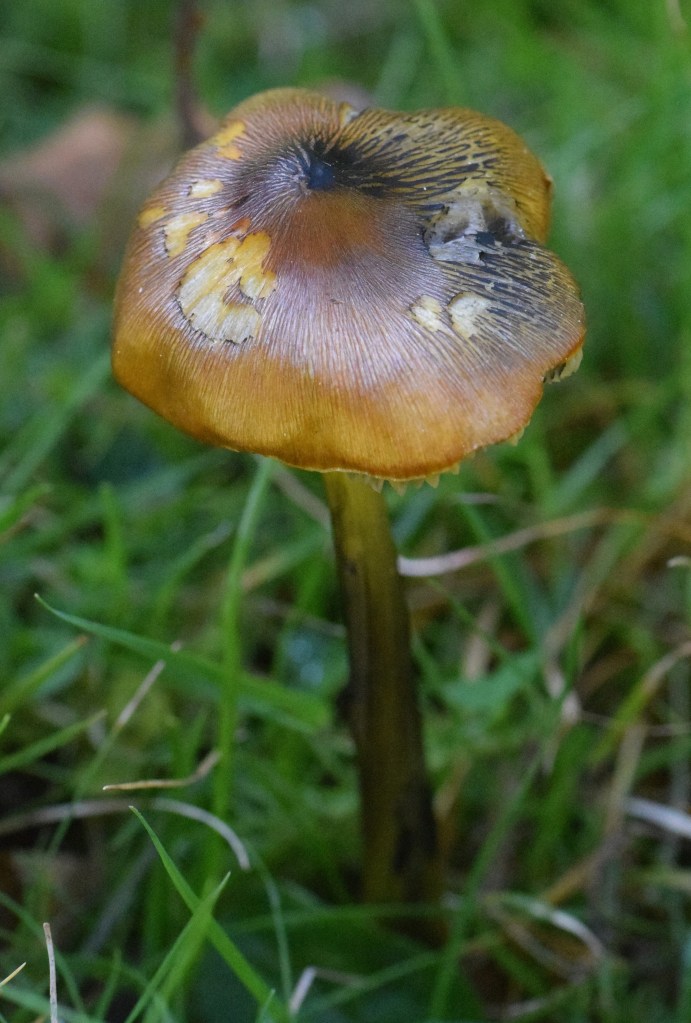
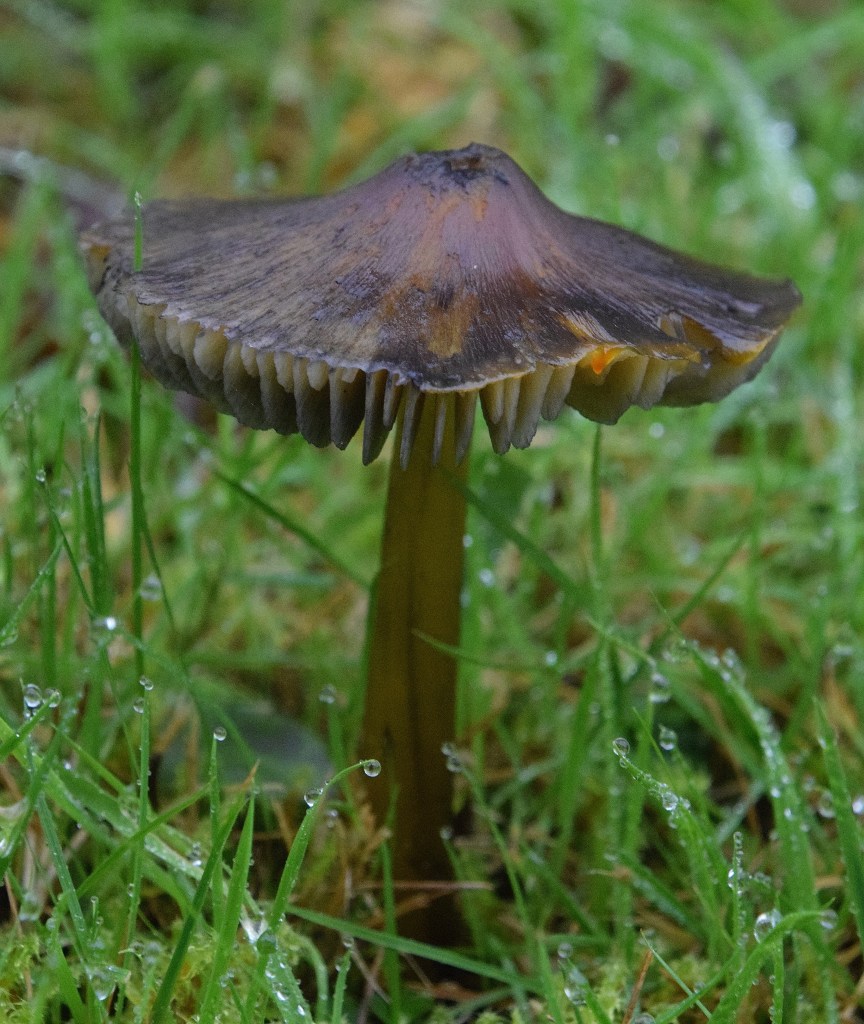
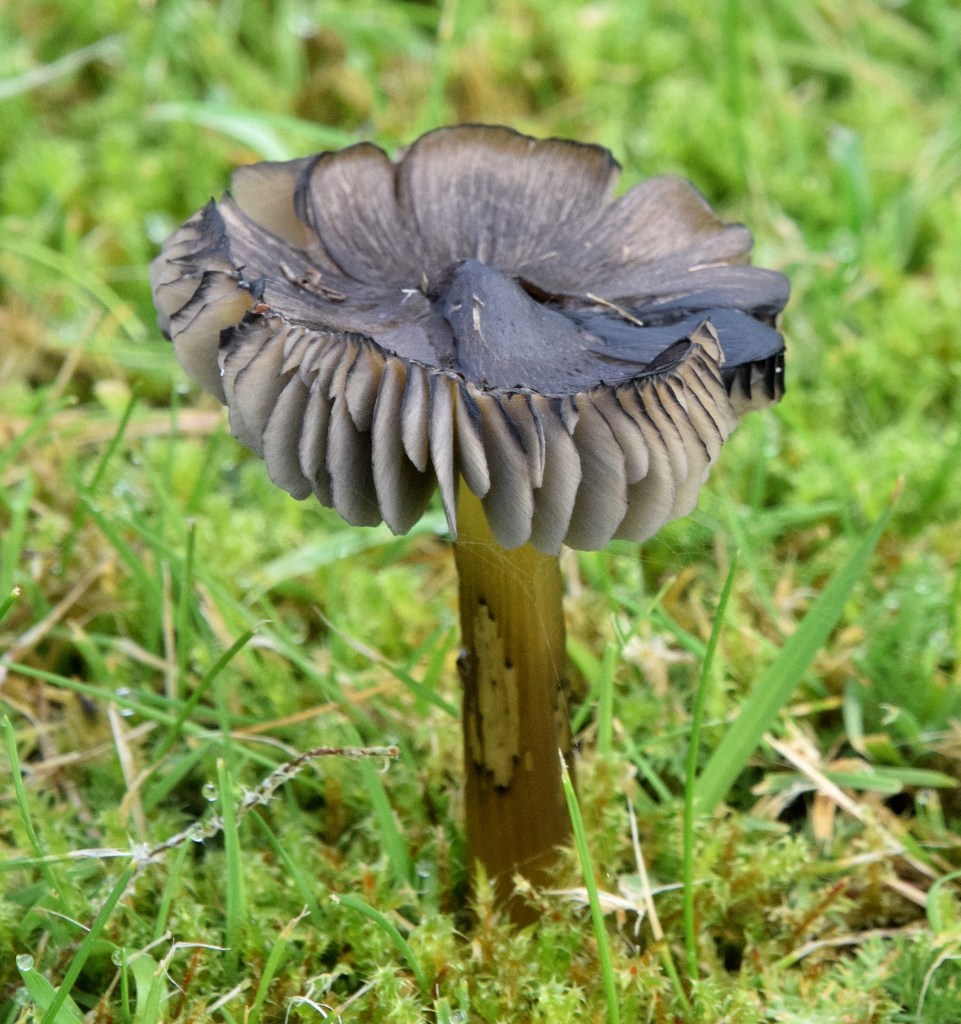
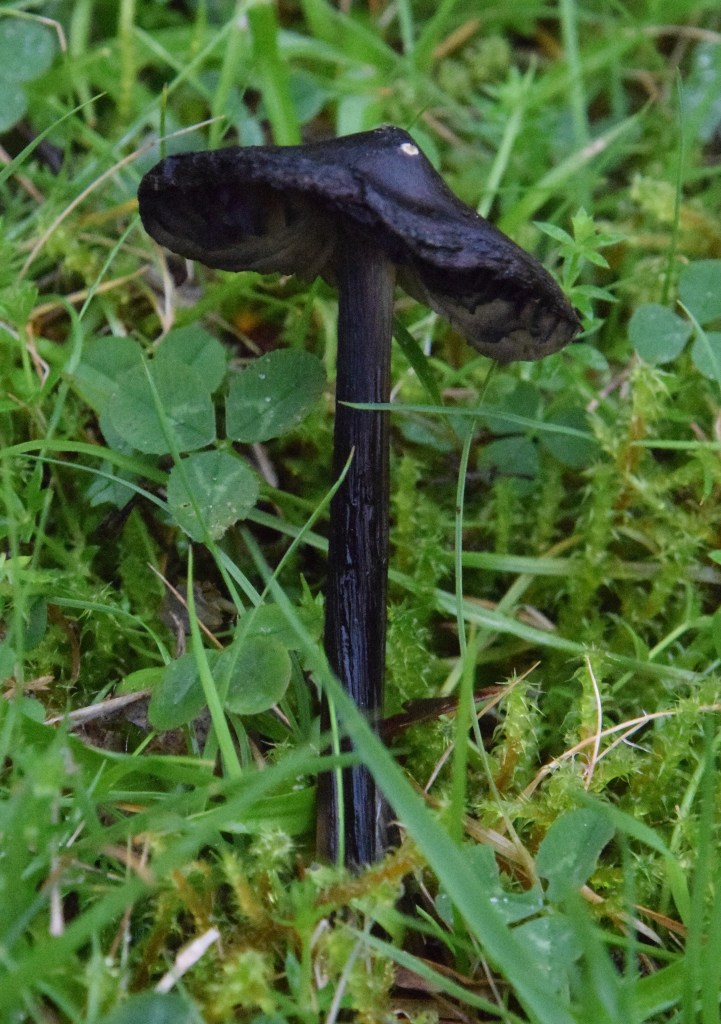
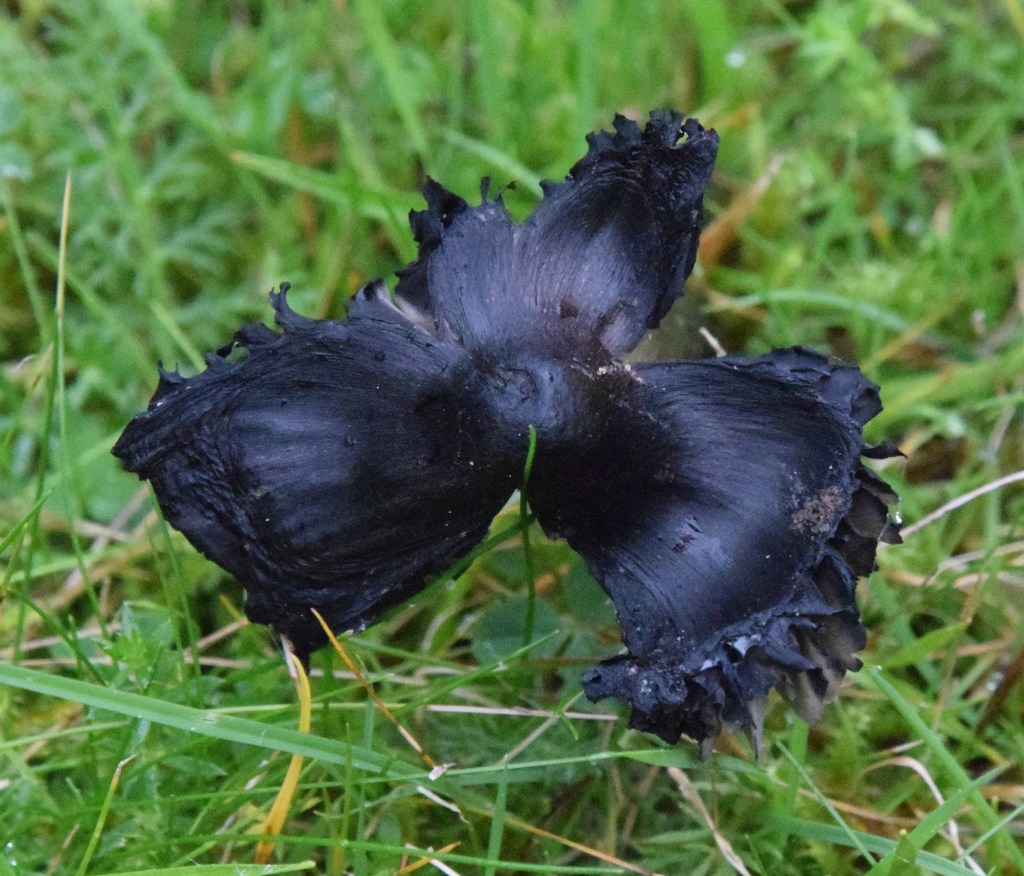
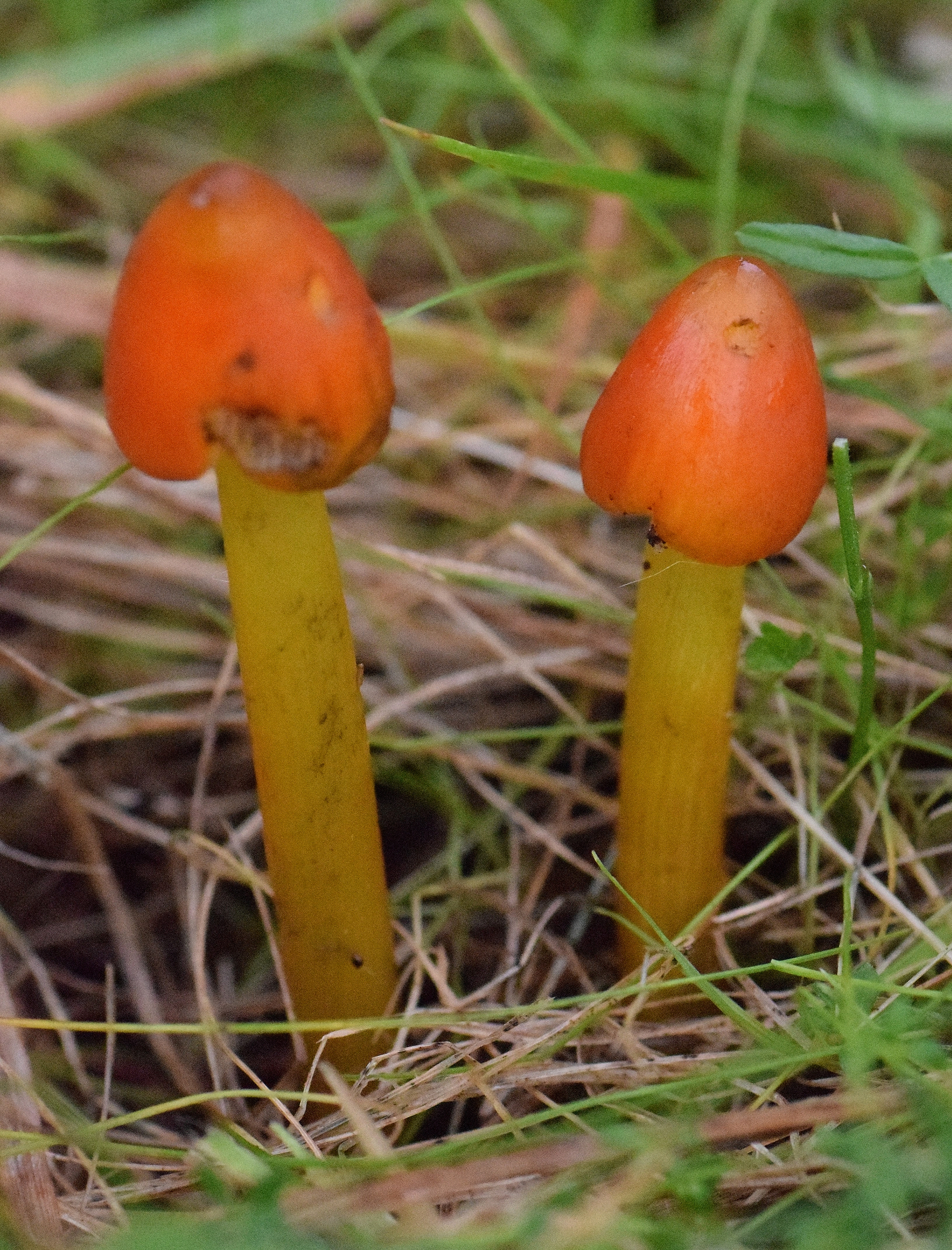
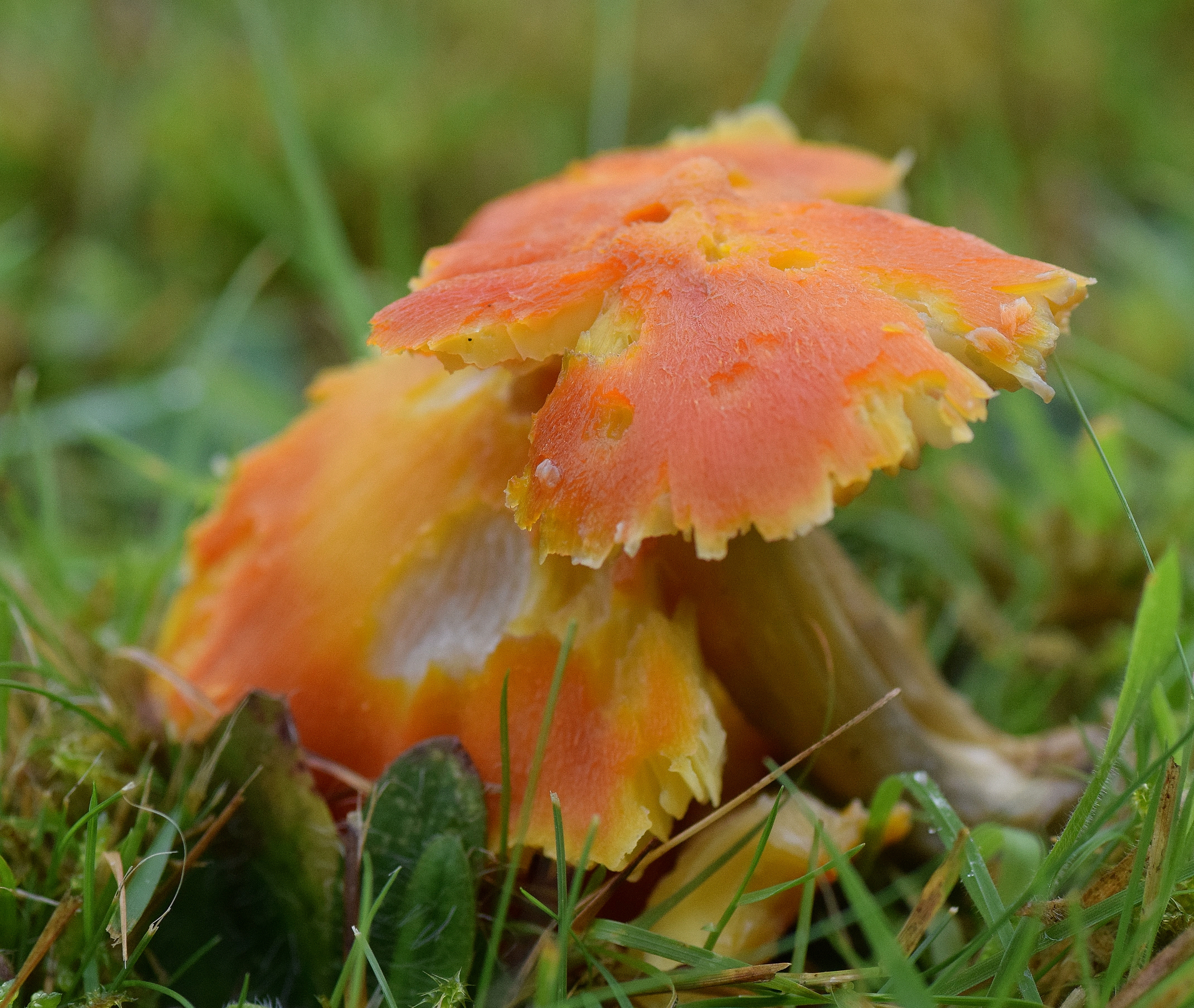
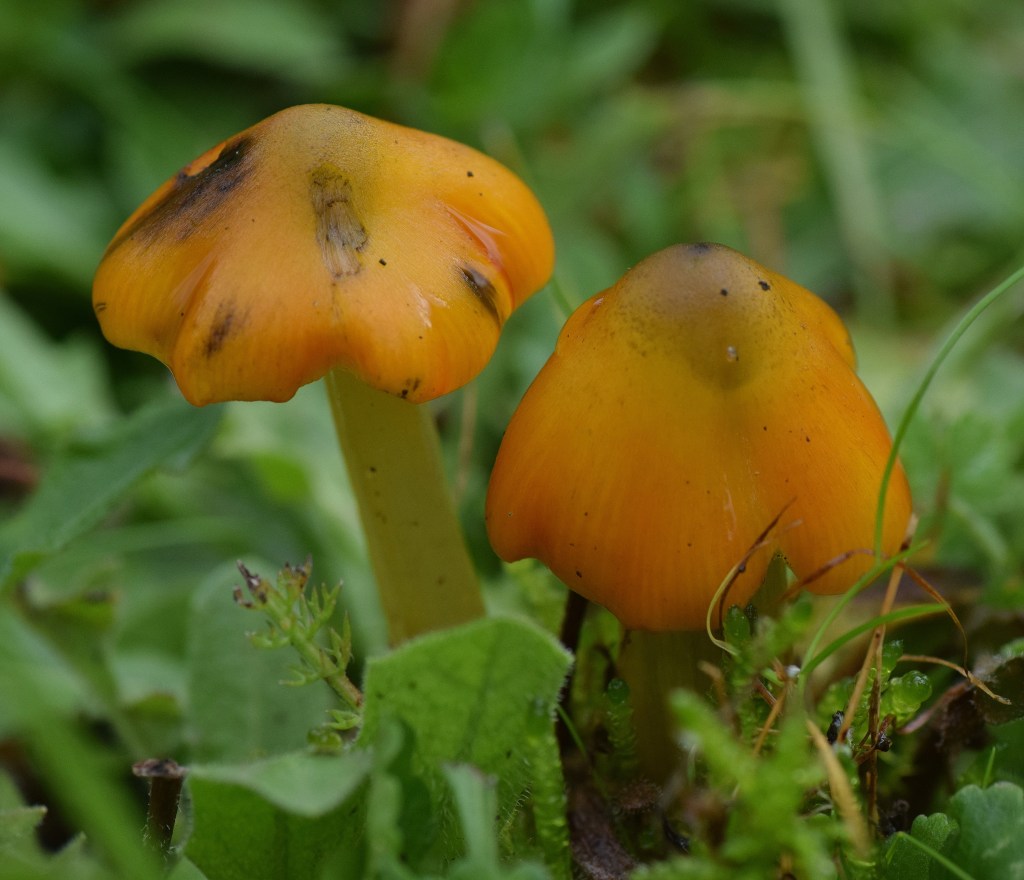
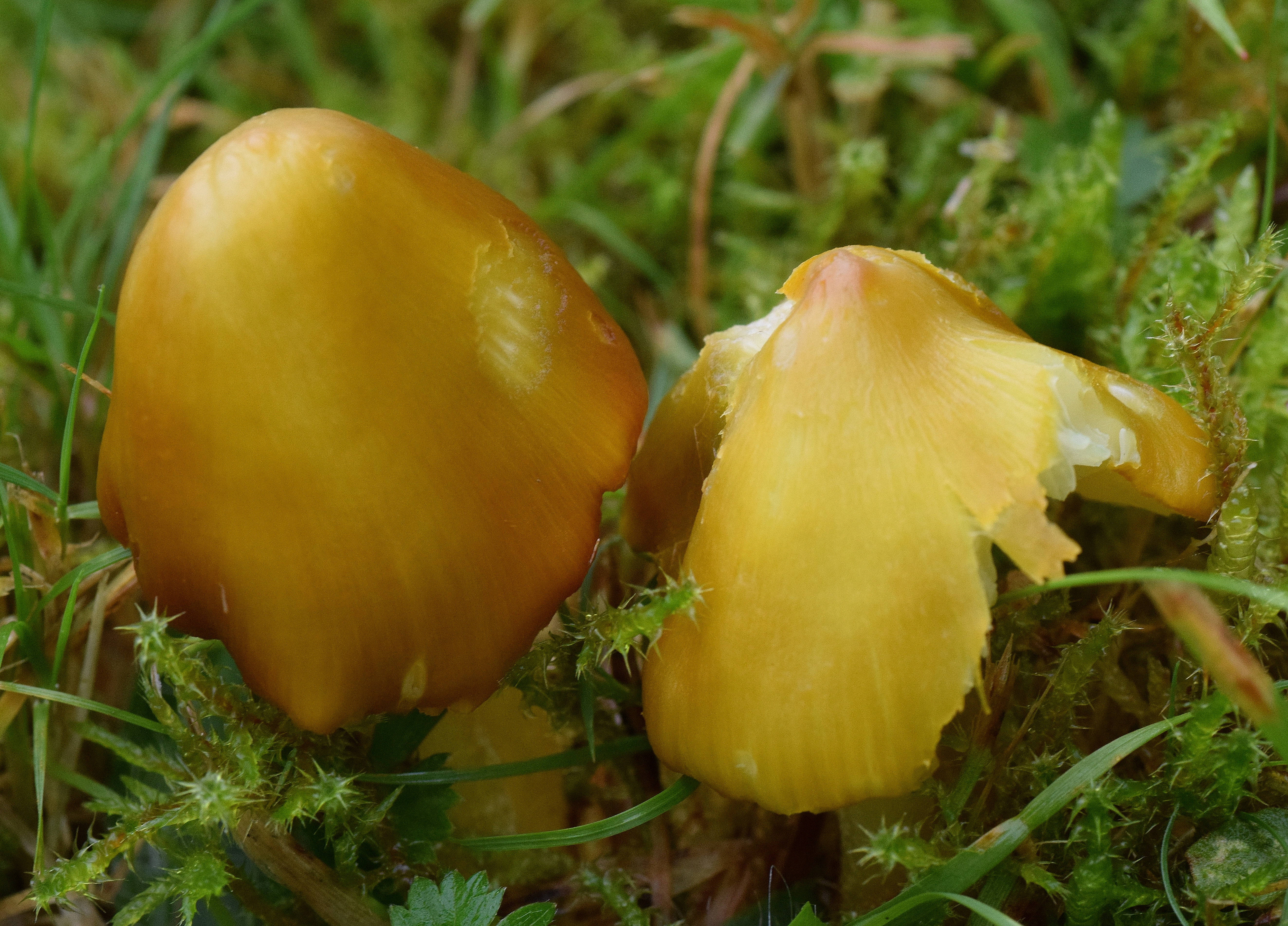
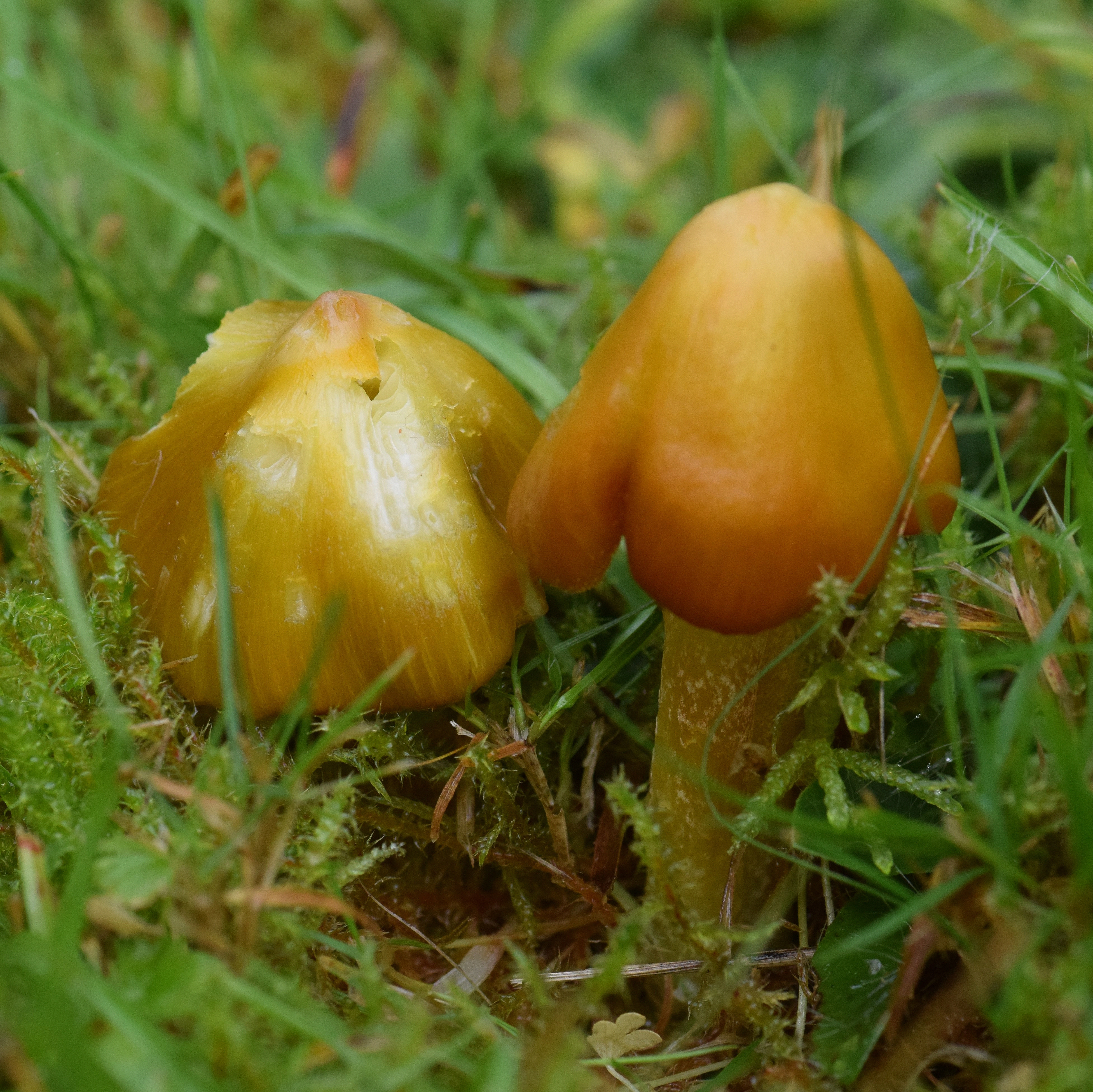
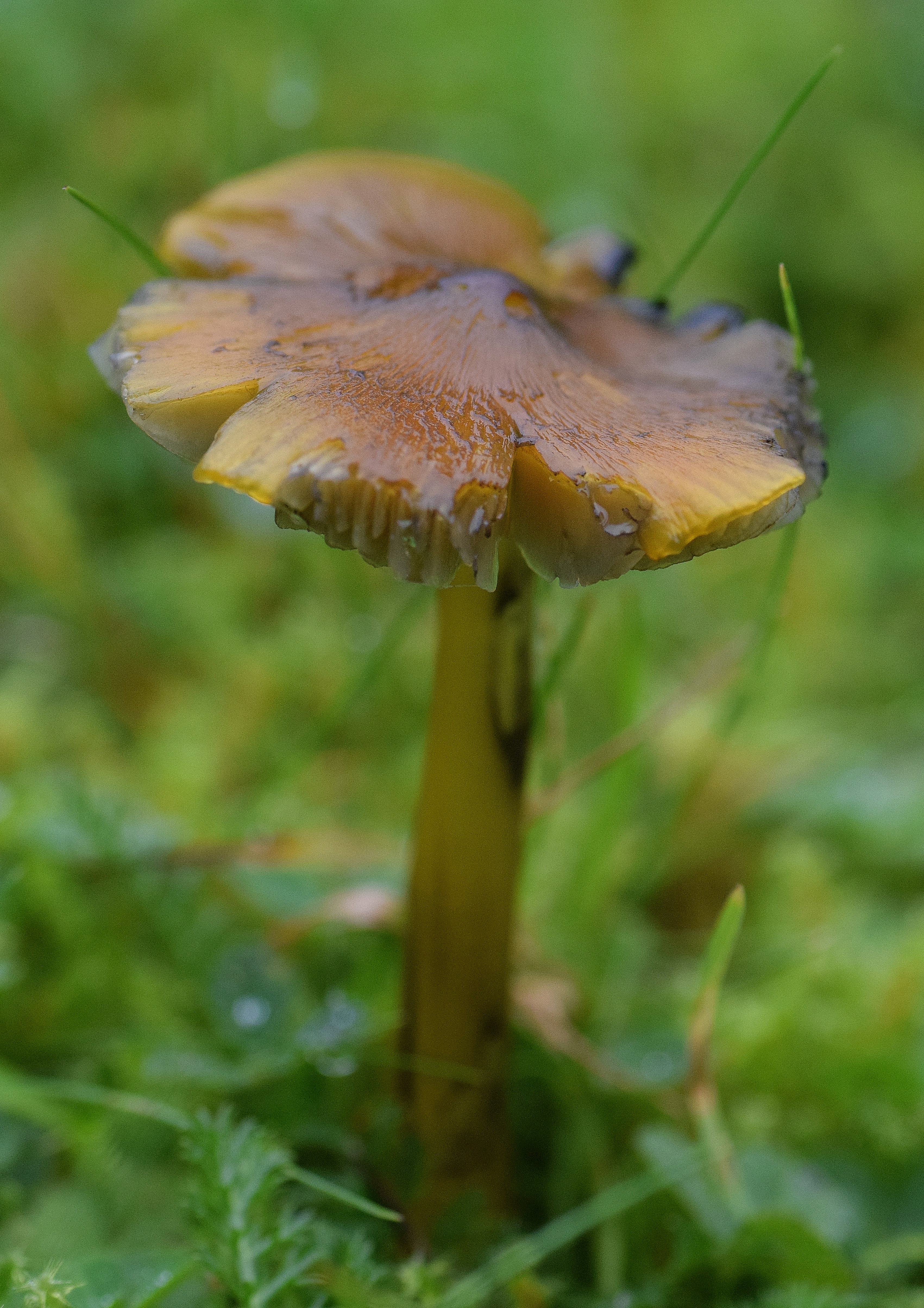
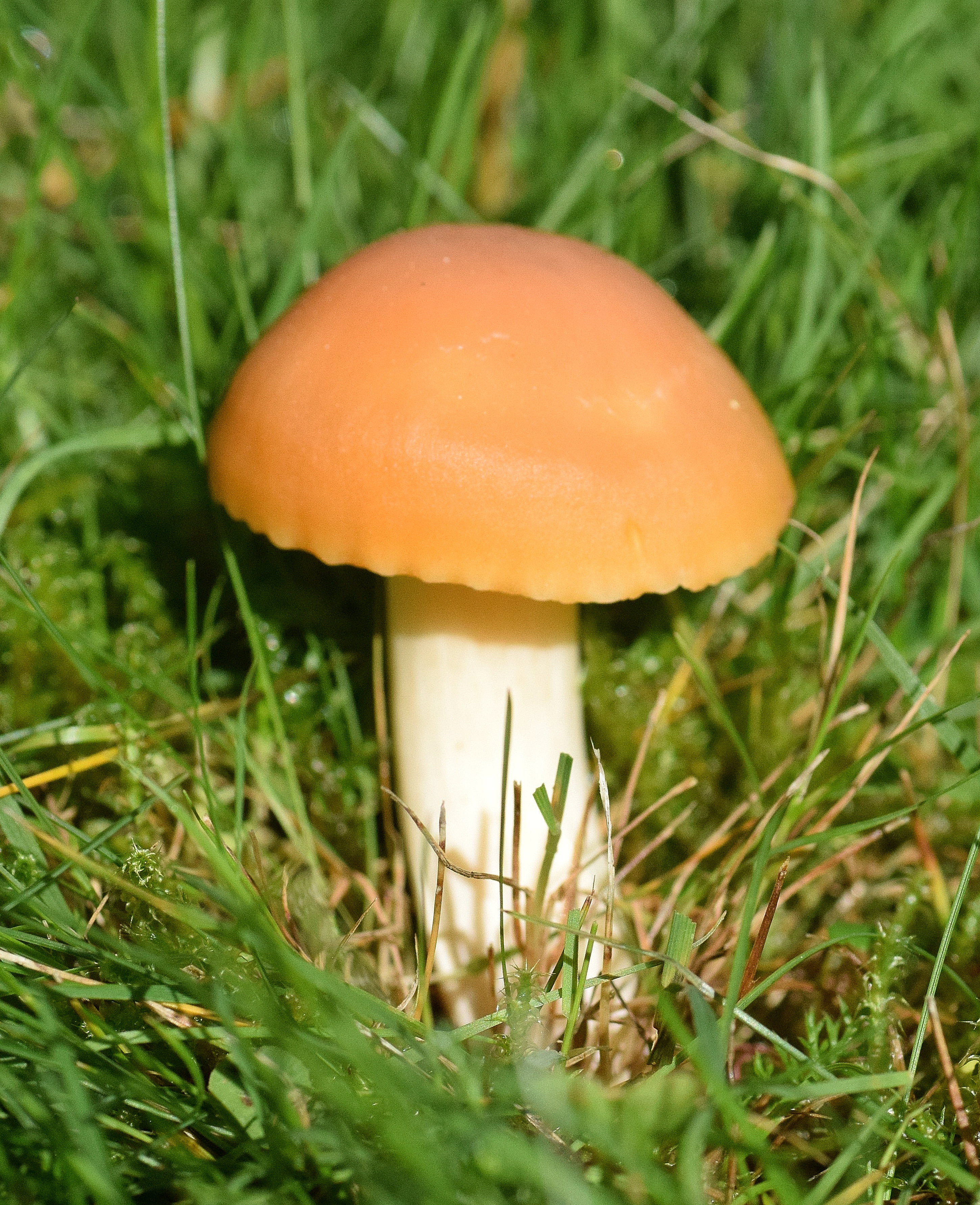
Amongst all the varieties described through this three-post series, perhaps the next most intriguing for me after the subtly colour-morphing Parrots was Blackening Waxcap (see here). This is one of the most frequently encountered European Waxcaps though like all the others localised, and I found them at all four of my survey locations. Also known as “Witch’s Hat”, their conical caps and stems gradually blacken while also morphing through shades of deep orange, yellow and sometimes red. Eventually they become jet black and then may yet stand for some time. I was able to capture the entire fruiting cycle (pictured below) through the different days recounted in these posts, surely my longest such sequence ever.

Blackening Waxcaps through their ageing process

The topic of “Waxcap grasslands” has been my autumn presentation herein as it has given me a different and evolved perspective on fungi from general mushroom hunting in ancient woodlands. I attempt to write entertainingly about stand-out fungi, rather than to present numbers of randomly recorded species or scientific detail that I am not qualified to interpret. This has been an immensely rewarding project.

Colour-fluid Parrot Waxcap and more of the genus at three Bucks and Oxon churchyards, and Stoke Poges Memorial Gardens: 14 – 30th Oct

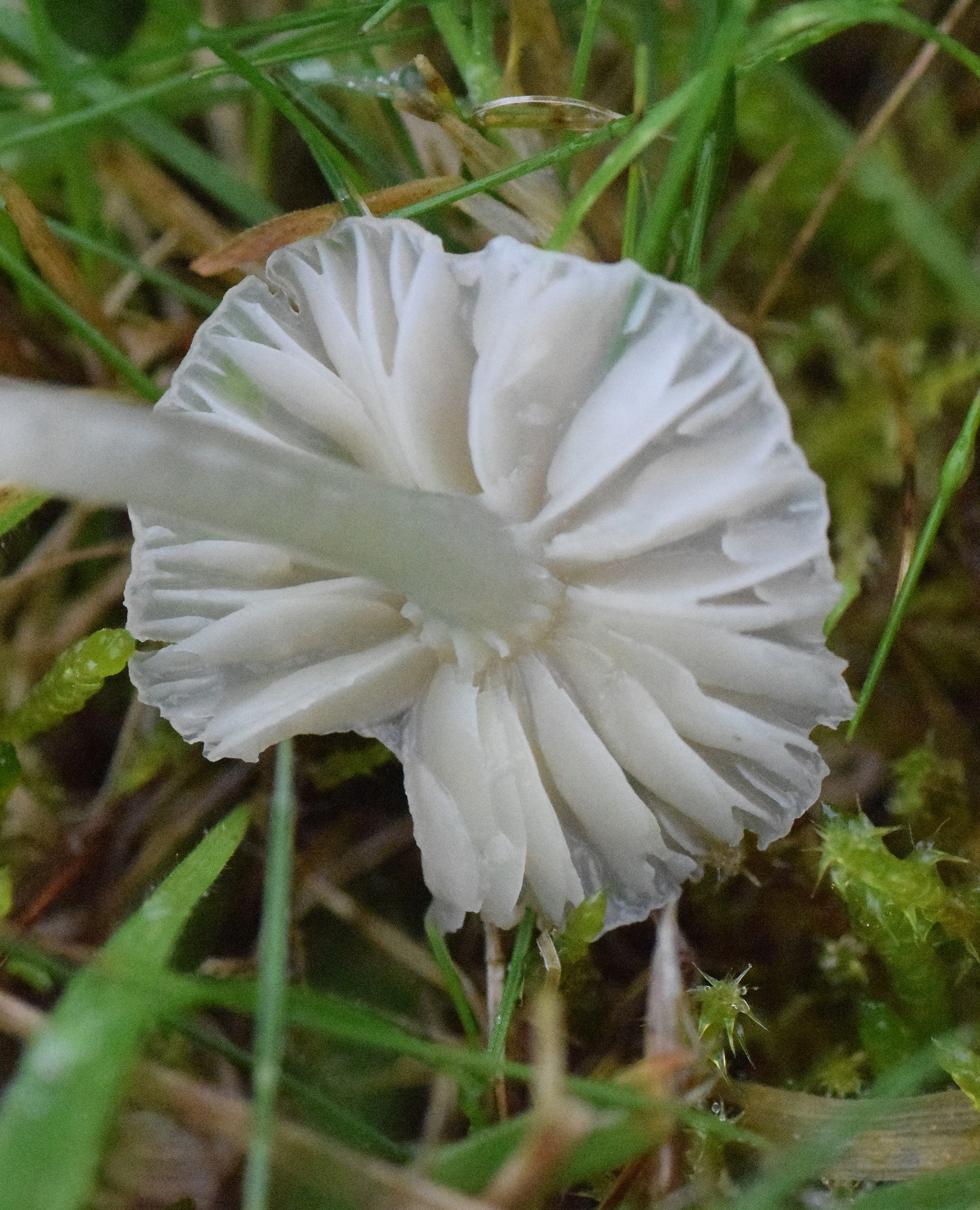
Eager to progress my autumn Waxcap project in the Chilterns, I checked the Bucks Fungus Group sightings page on the opening day of this post. That source contained a picture of a highly attractive and diminutive Waxcap that I had missed on my previous visit to Prestwood Churchyard. More challenging was it presented the green, slimy and shiny emergent phase of that species’ fruiting cycle that I had yet to encounter in the field.

Emergent Parrot Waxcaps at Stoke Poges

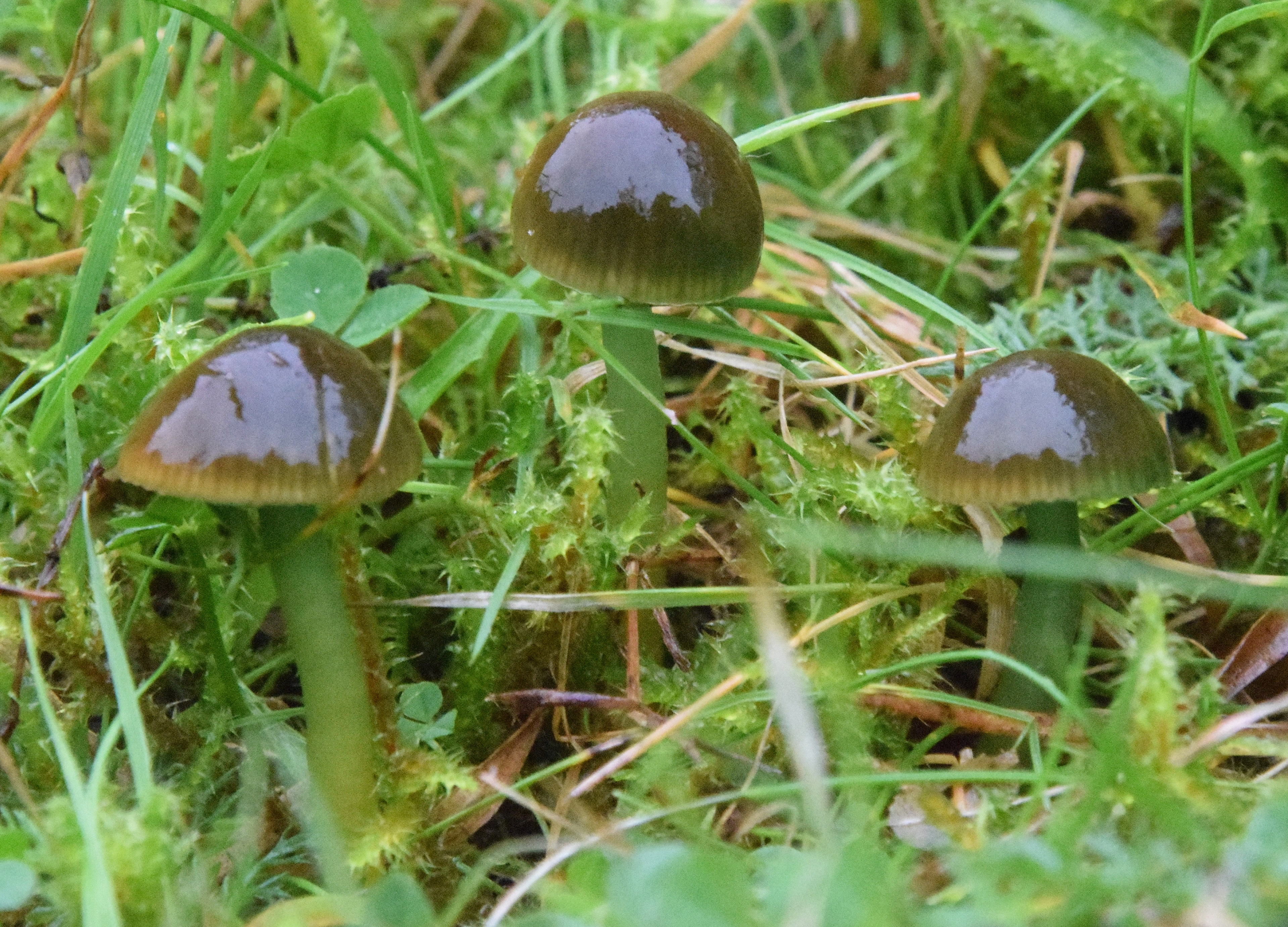
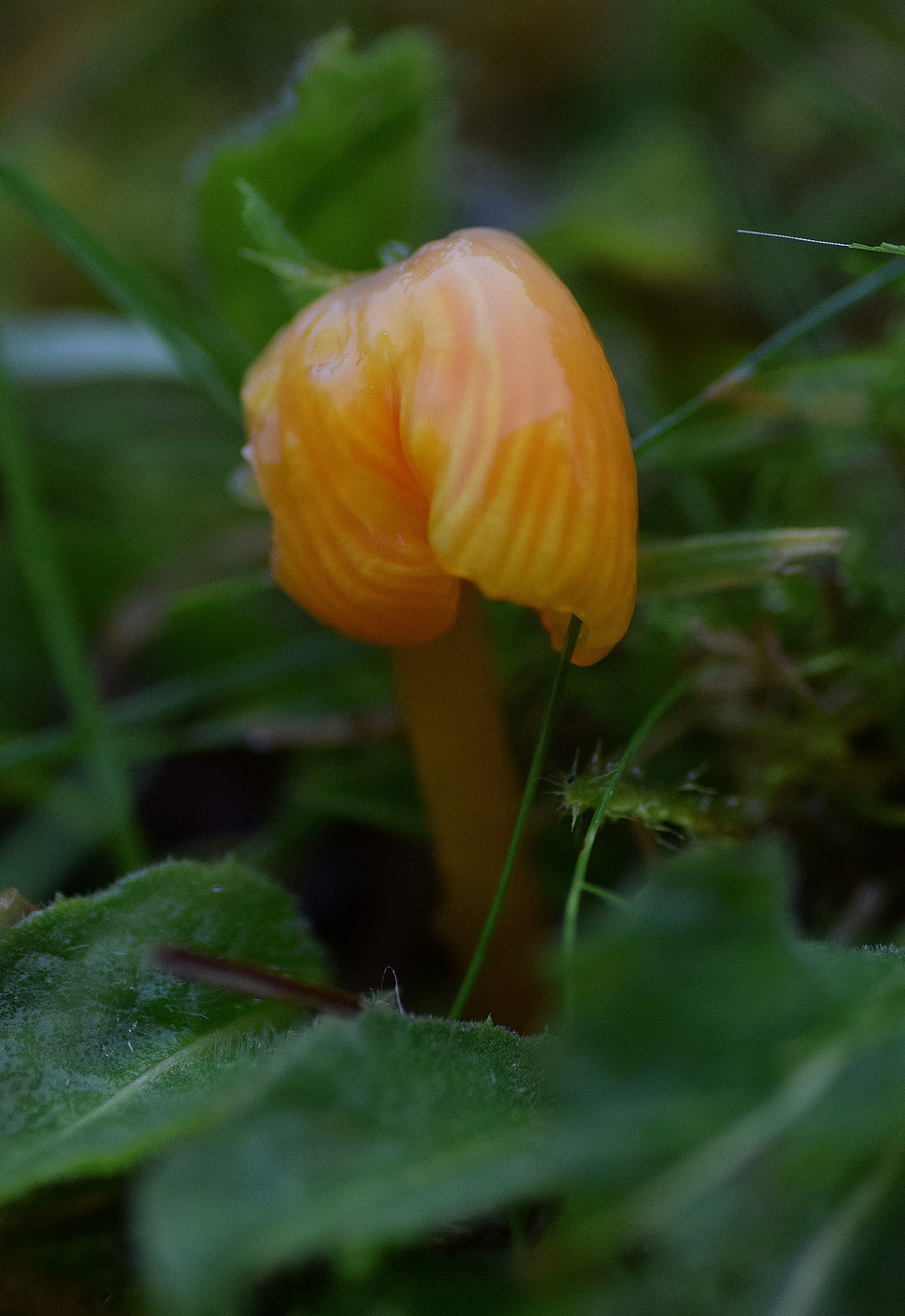
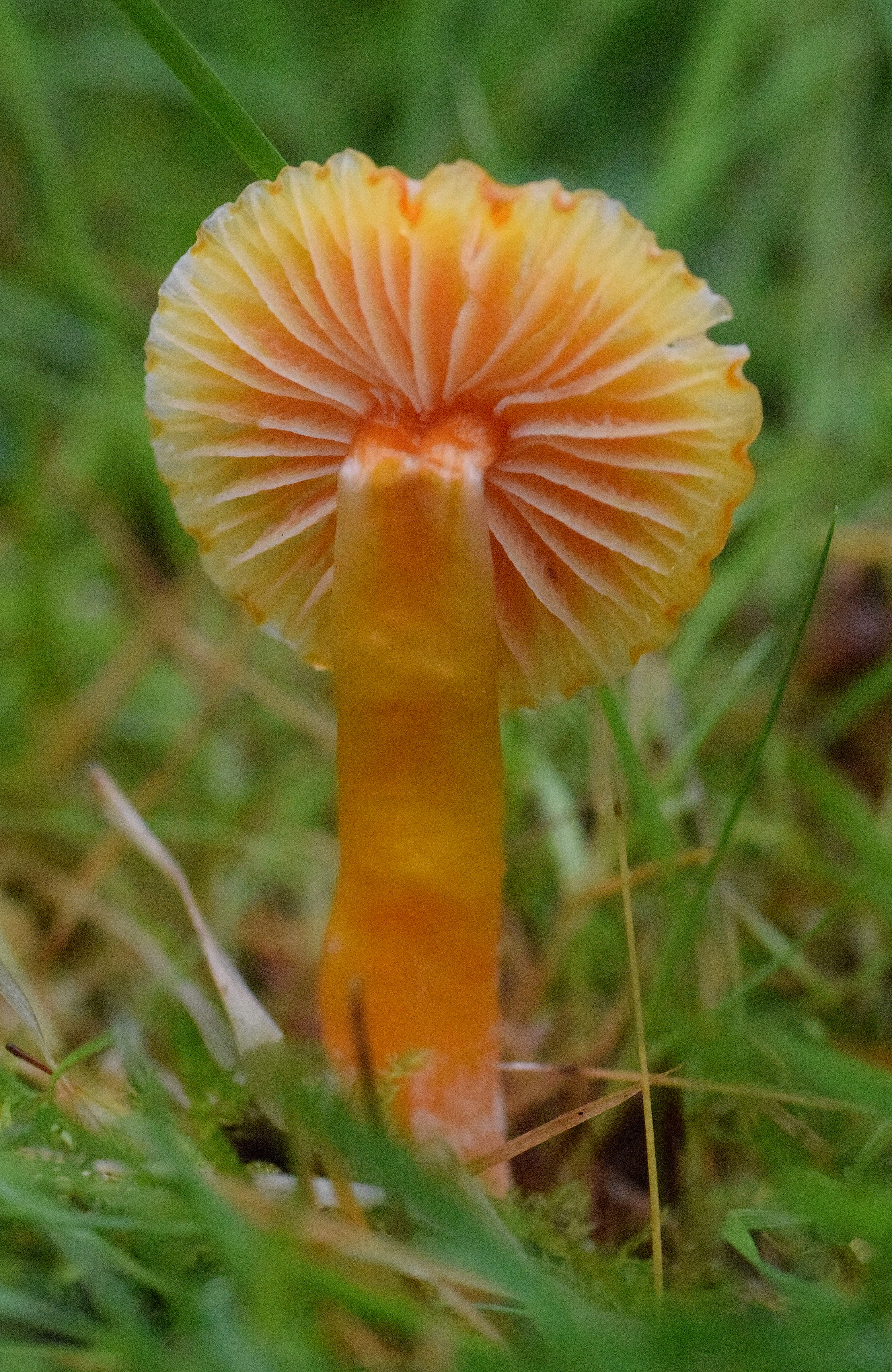
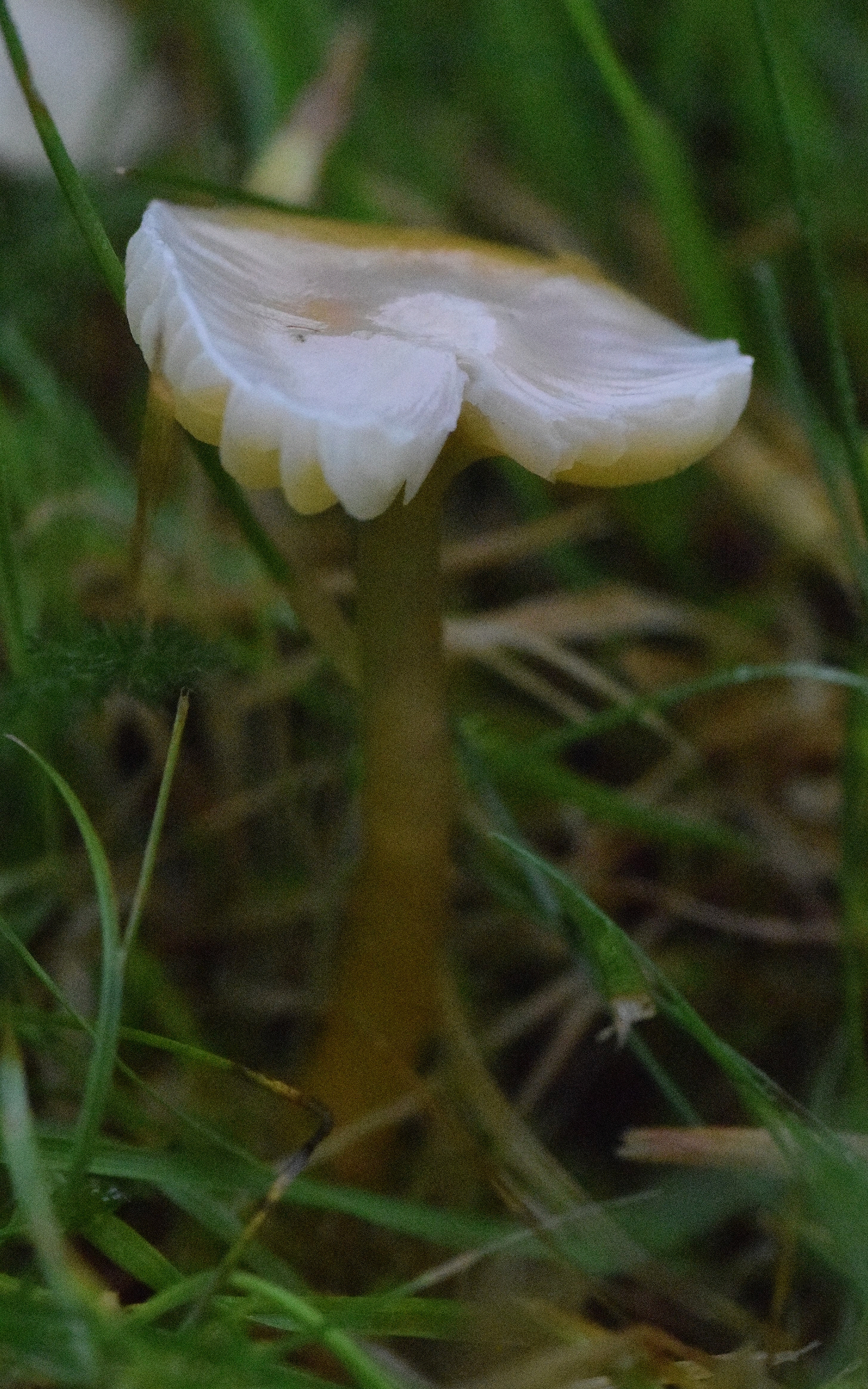
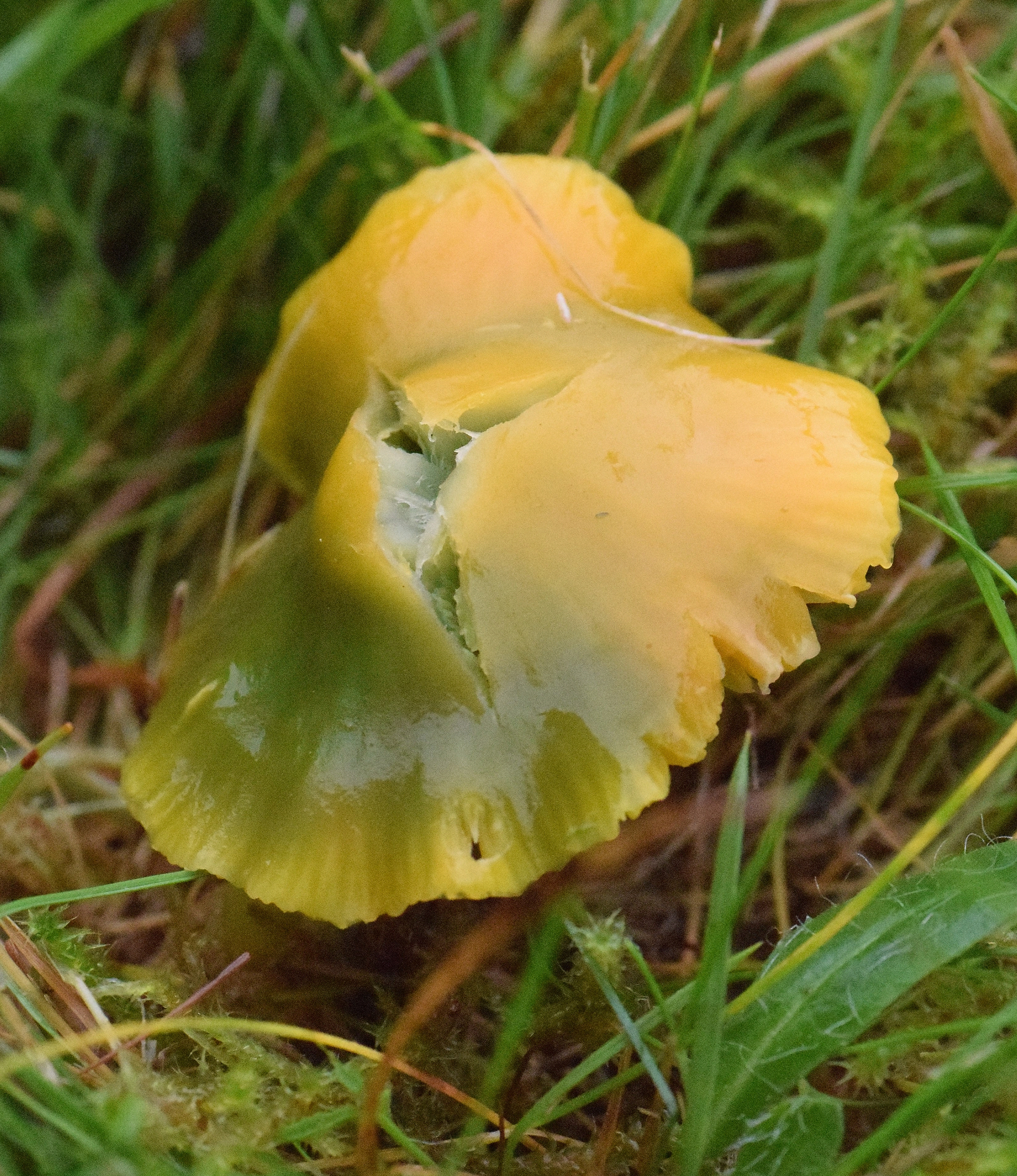
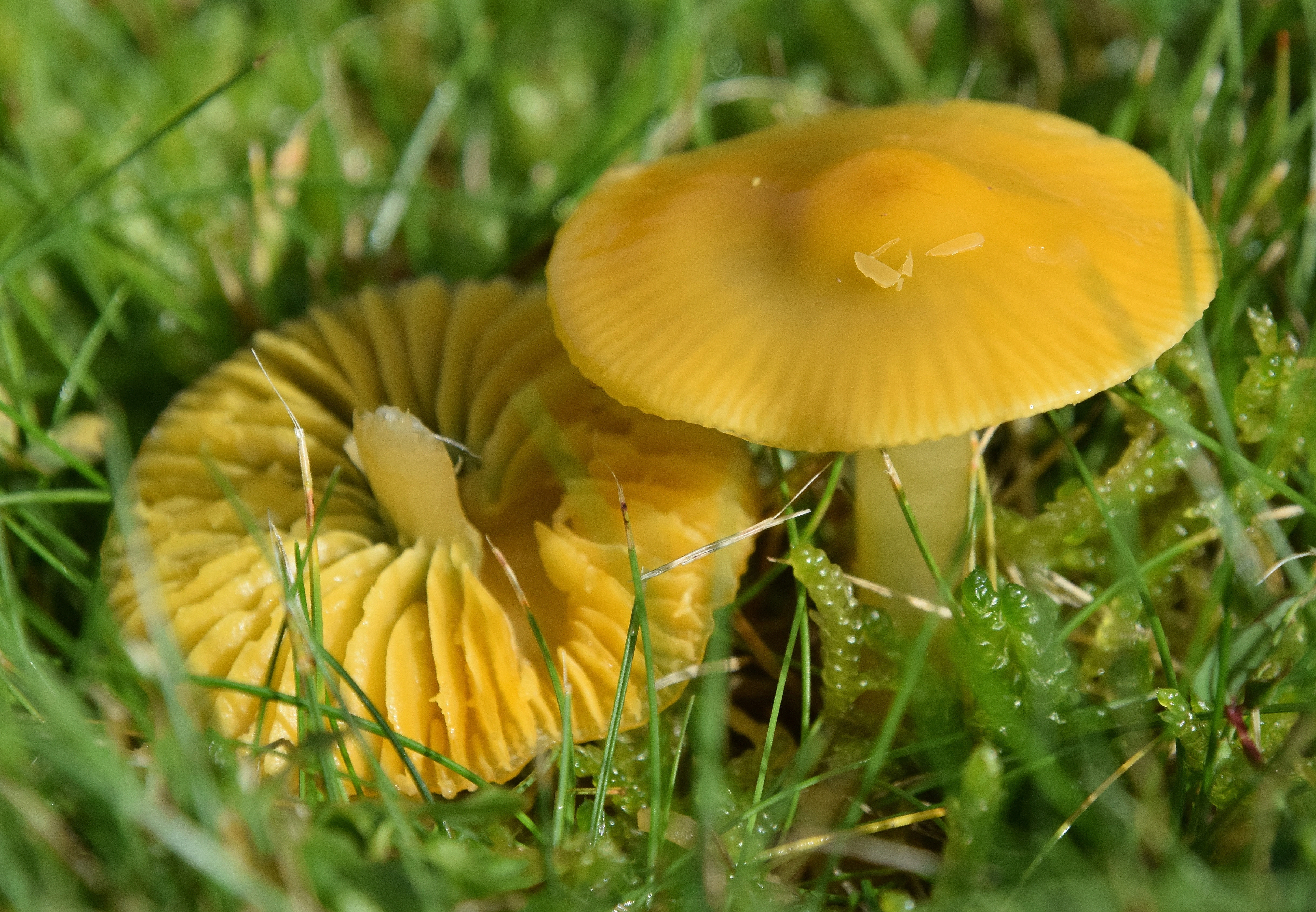
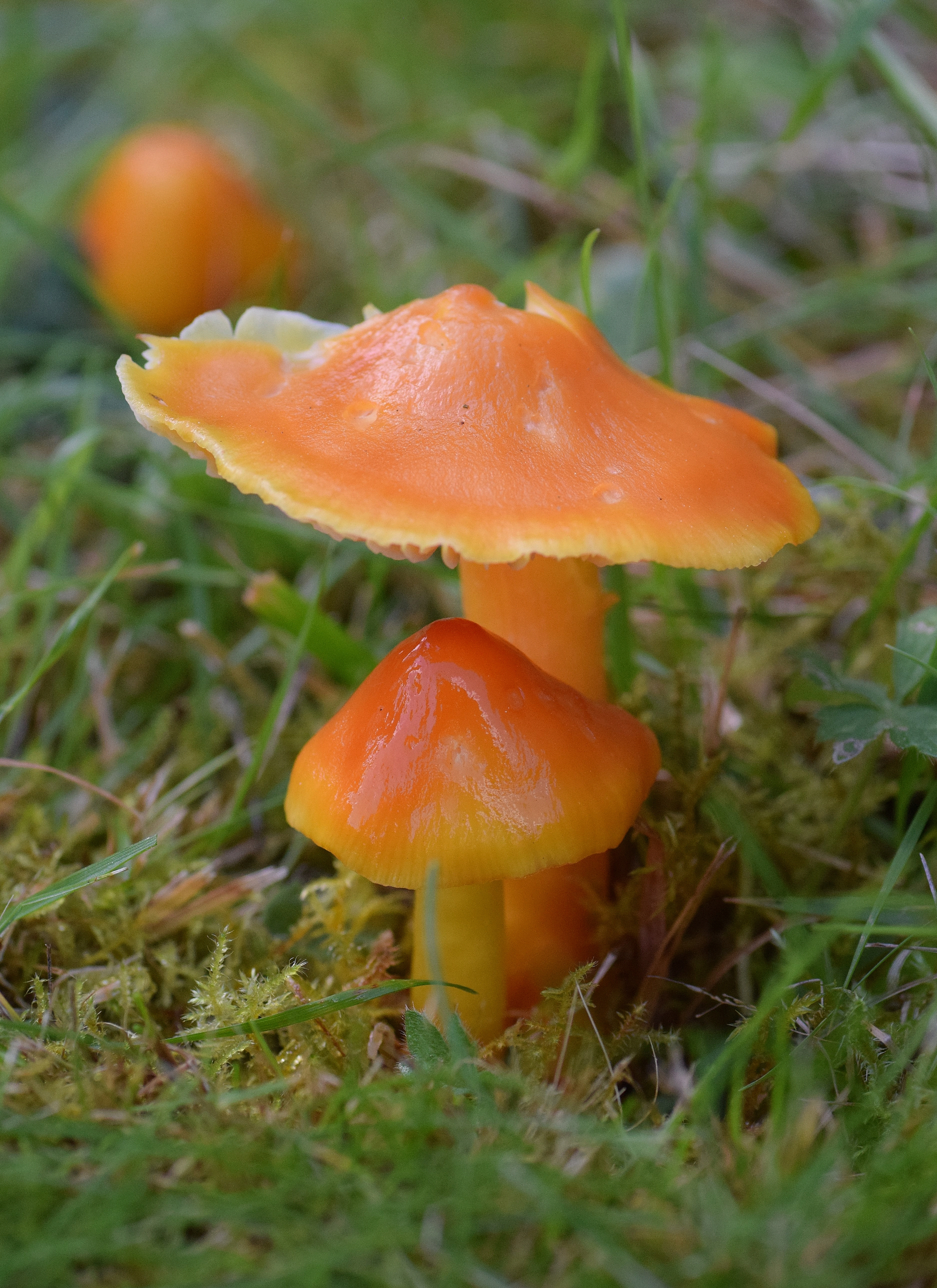
Arriving on site, my first instinct was to check out the Pink Waxcaps of six days earlier. Three had gone over but there were still two emergent items, while the previously noted Smoky Spindles clump lay ruined in a large boot print. My new quest took some time to locate, then it rewarded rather well. Parrot Waxcap (see here) has the particularly appealing quality of morphing through various colour tones during its fruiting cycle. At first the bell-shaped caps are green and slimy, before becoming more rounded as they expand, then turning yellow or orange with brown or purplish tints as the slime washes off.

I had observed orange specimens a year ago at Stoke Poges Memorial Gardens, but now it was the prospect of beholding the especially beguiling green initial phase that had brought me back to Prestwood. The first items I found were nonetheless orange again. I am not a very experienced mycologist, but on both occasions there was just something about this variety that sets it apart from other orange / yellow Waxcaps. In particular, in those first two experiences they seemed more diminutive. This post’s macro studies make them look much bigger than they actually were in the field. Some are tiny, and all have the propensity to entice and enchant in their own quite abstruse manner.

Parrot Waxcaps

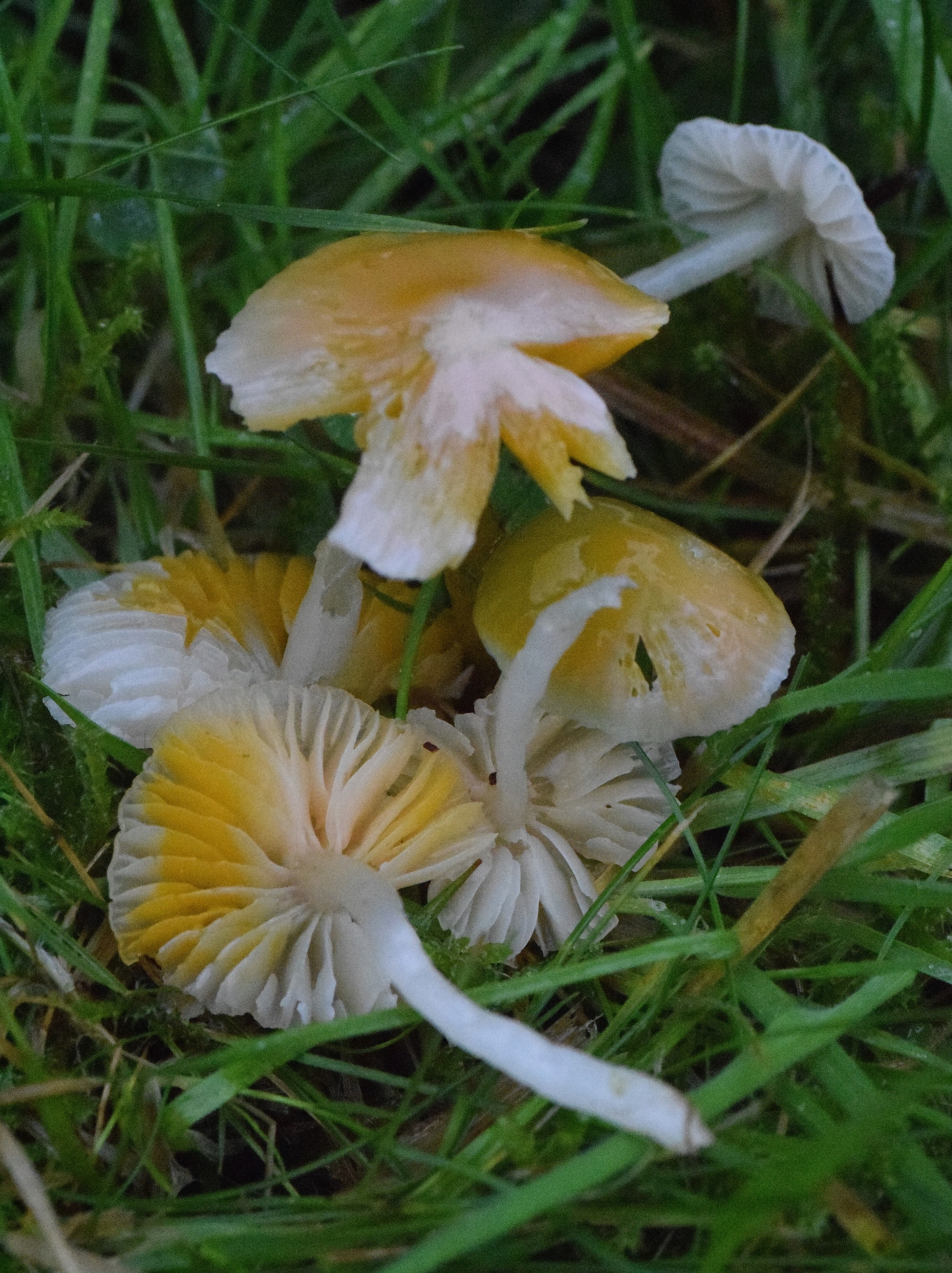
Having converted my quest, more as so often were nearby. Moving on from those five orange specimens (pictured above), two pairs and a singleton, my app next ID’d a second, partly ruined group of ochre yellow and white mushrooms (below) as Parrots too. My doubts over accuracy were removed when hidden amongst them I found a first green and yellow slimer (top row, left above). So that was mission accomplished, albeit that the cap of the specimen in question was no bigger than my fourth finger nails.

Yellow and White-toned Parrot Waxcaps

Back at home, upon seeing the pictures in the relevant First Nature link (here), I just had to observe more of those early stages in the fruiting cycle. This is undoubtedly the most subtly engaging Waxcap I have encountered to date, notwithstanding the pink Ballerina’s obvious beauty. So on 15th I re-visited Stoke Poges Memorial Gardens, also in Bucks (SL2 4NZ – SU 977825). A week previously I had found no Waxcaps at all there. Now the central avenue, that is landscaped as eight oblong, tree planted grassed pitches for the interment of ashes, was carpeted with numbers of at least four species; amongst which was a single Parrot Waxcap in the emergent stage (first row, centre above).

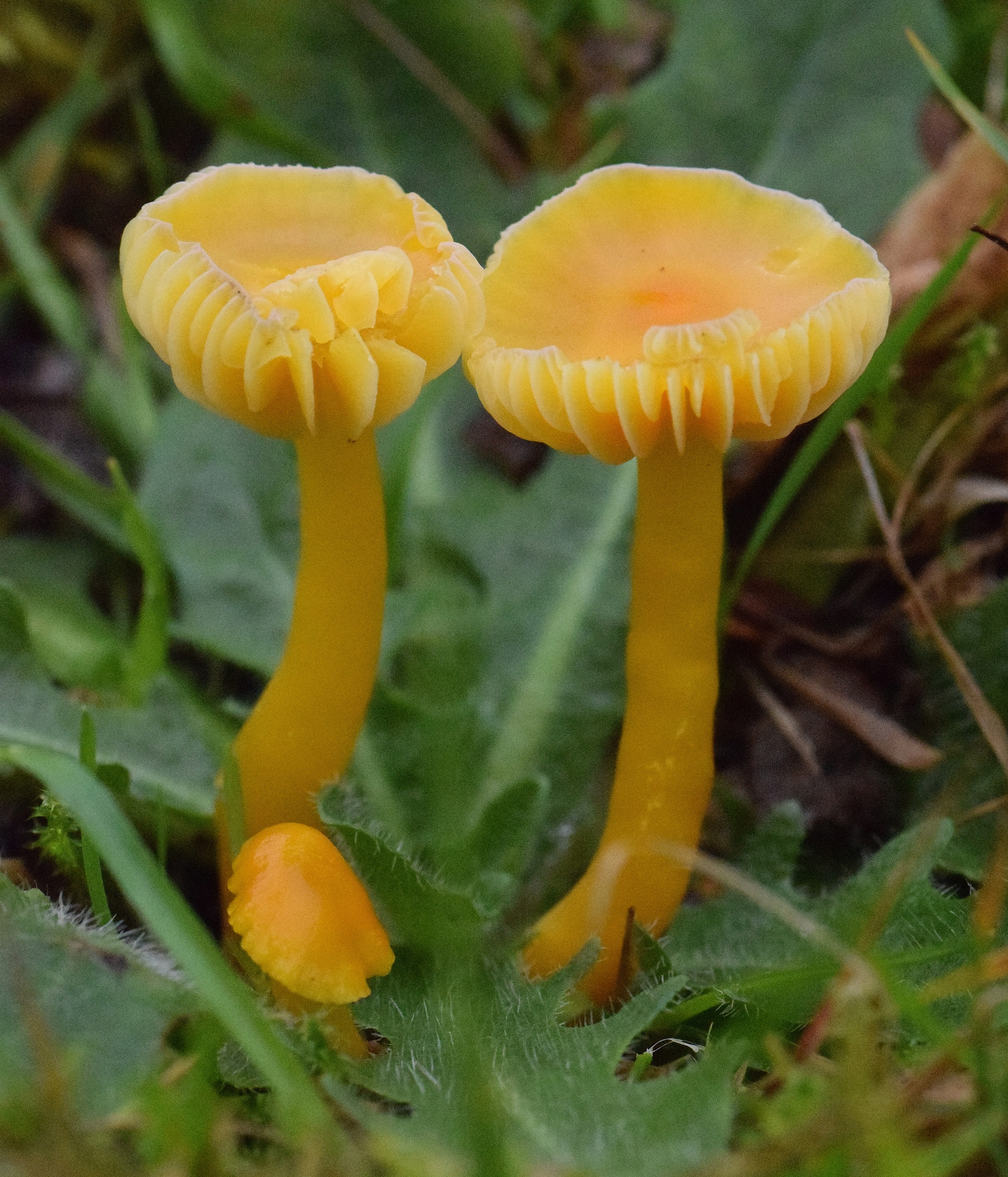
The last-named was pale yellow and white again, having lost its green tones and slime, but was nonetheless unmistakable as this option appears consistently to be. A new item for this autumn on the day was Honey Waxcap (below – see here), whilst Butter Waxcap (here) was present again now and a day earlier at Prestwood. I relied on my Picture Mushroom app to identify these various orange and yellow spectrum species, but truly accurate separation may require assessing both cap and stem texture, gill spacing and smell.

Honey Waxcaps (above). Butter, Blackening and Golden (below) all at Stoke Poges

On Wednesday (16th) I opted for an easier day or so I thought, checking out some churchyards close to home to see what they might contain. It culminated in a visit to St Bartholomew’s, Nettlebed (RG9 5RL – SU 698867), that a year ago a respondent to this journal had advised was a good place for fungi. I couldn’t have imagined what I now found … yes, there are Waxcap grasslands in my home county too! Driving out I appreciated how mycology now motivates me in the way that local birding used to, future county ticks aside, even if only for two late autumn months in the year. And with the experience that had just unfolded, I became even more engrossed in this Waxcap project.

Rather larger Parrot Waxcaps than at Prestwood

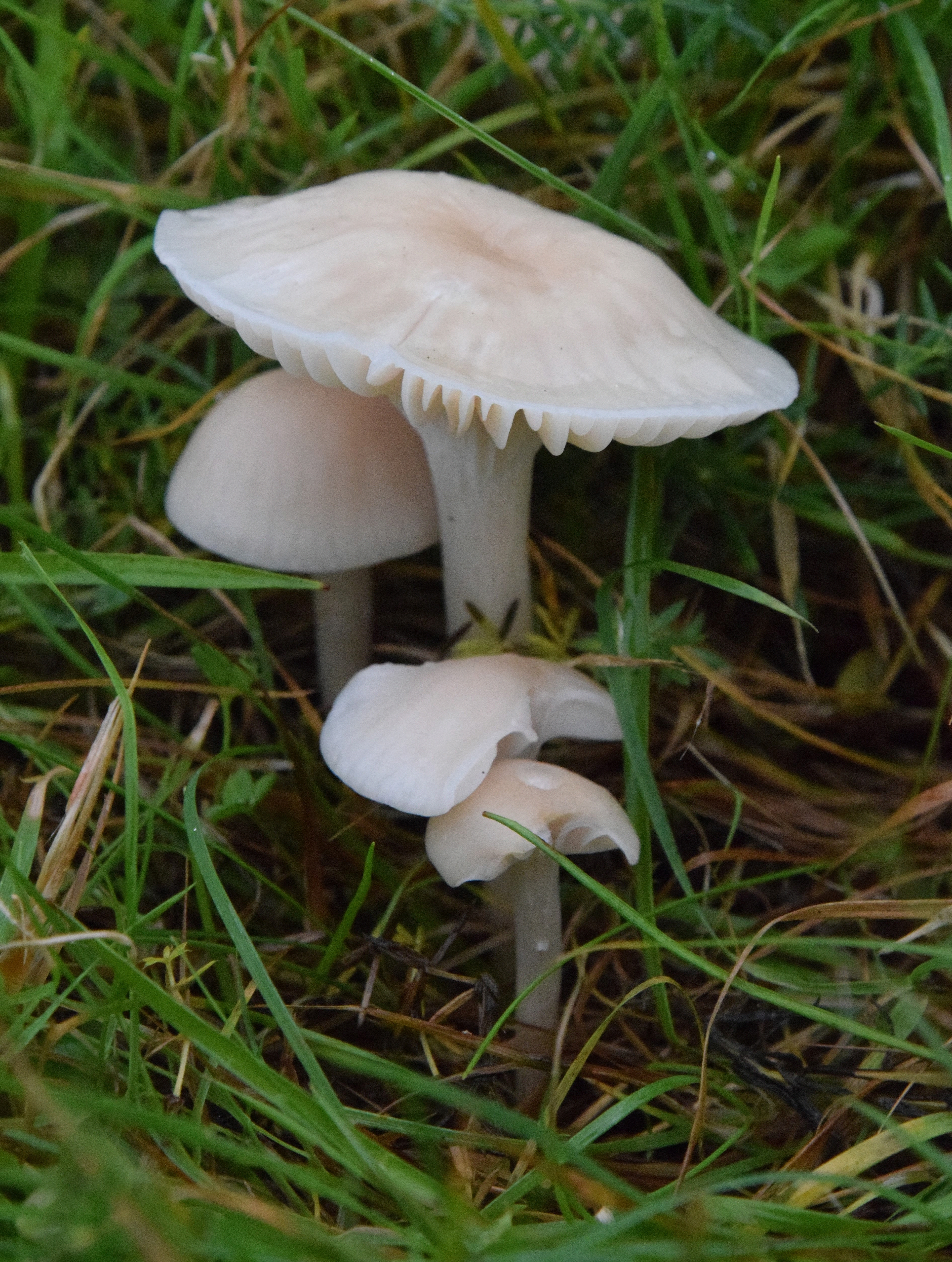
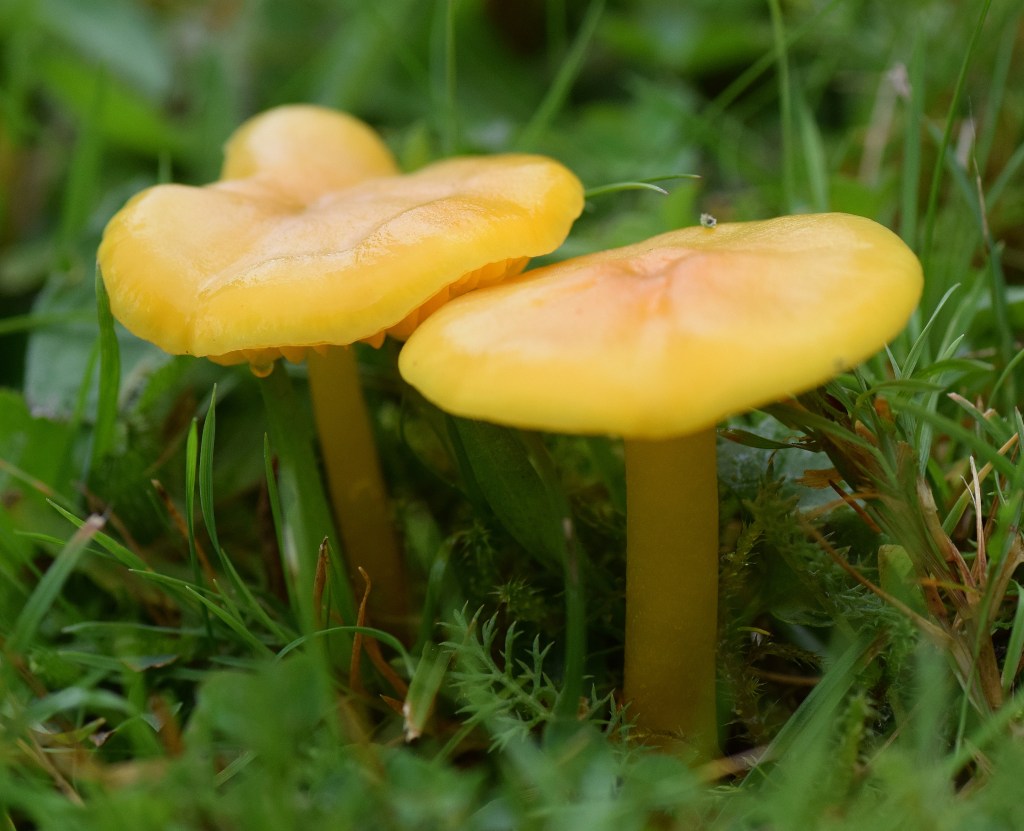
Several Parrot Waxcap here displayed the distinctive green and yellow tints in each stage of the fruiting cycle (above) that I observed. That set them apart from a second orange/yellow variant, Oily Waxcap (below – see here) that I had recorded once before at Prestwood in 2023. Other records were more Golden, Blackening, Meadow and Snowy. The last named was beginning to erupt at all three sites featured herein, but being white is difficult to obtain satisfactory images of.

Oily Waxcaps

Searching online for other Oxon sites, I could find no references for Nettlebed churchyard, but discovered that Waxcap grasslands had existed historically on Boars Hill to the immediate west of the city. Thursday (17th) had a sunny forecast, so I went to check this out but drew blank. At Matthew Arnold’s Field (SP 484023 – see here) the grass was to my mind too long to pick out low growing mushrooms in. The second cited location along Berkeley Road, with its panoramic vistas over the dreaming spires of Oxford is just too large to contemplate, and the grass there didn’t look much shorter.

So I went back to Nettlebed for seconds, and was now rewarded with an emergent Parrot Waxcap with the deep green hues I had been hoping for through the three previous days (pictured above, left). In a little over an hour on site this individual developed noticeably, growing imperceptibly in size and shedding some of its much-desired greenness (right). Mission was thus completely accomplished, but I still desired as many more studies of these colour-fluid little gems as I might find.

The subtle allure of this favourite Waxcap was now exerting quite a hold over me. But on my next visit to Nettlebed on 22nd Oxon’s possibly only surviving Waxcap grassland had been mowed and almost all of the mushrooms had gone. Large, stately items including a fine group of Parasols and a magnificent Goblet had also been removed for no apparent reason. I contacted those responsible for that site’s upkeep, hoping to engage over preserving the precious and irreplaceable resource in their stewardship, but received no reply.

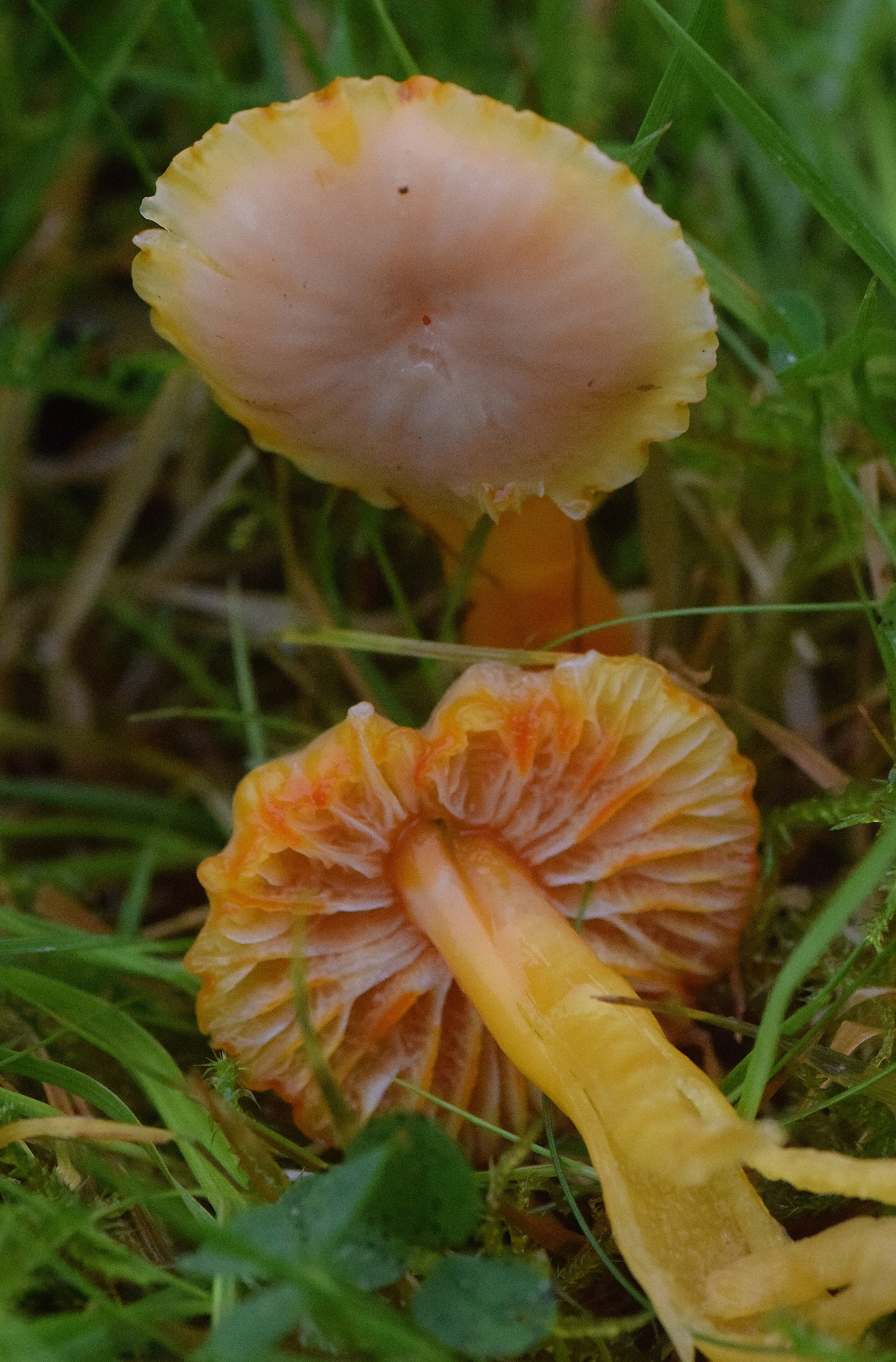
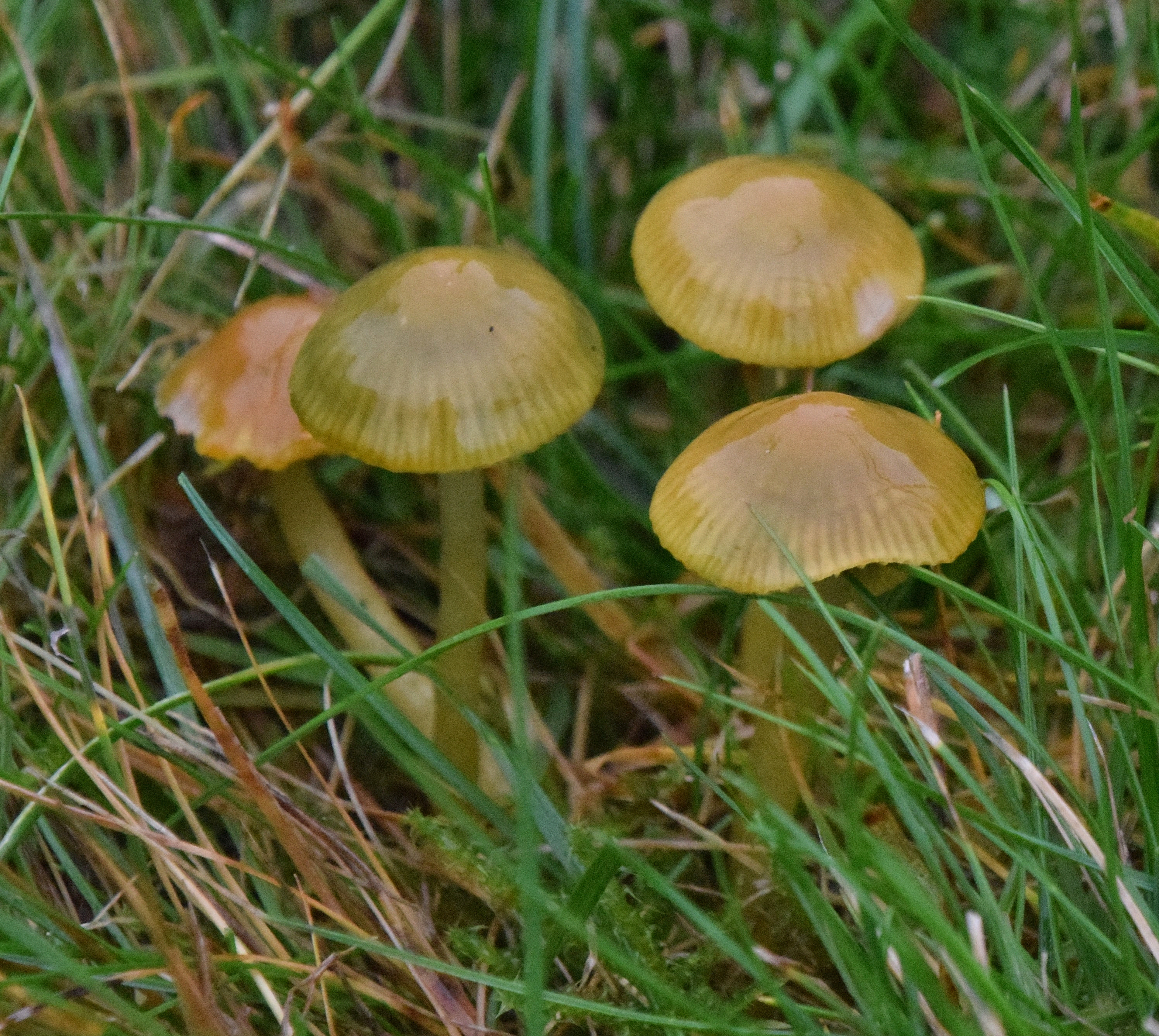
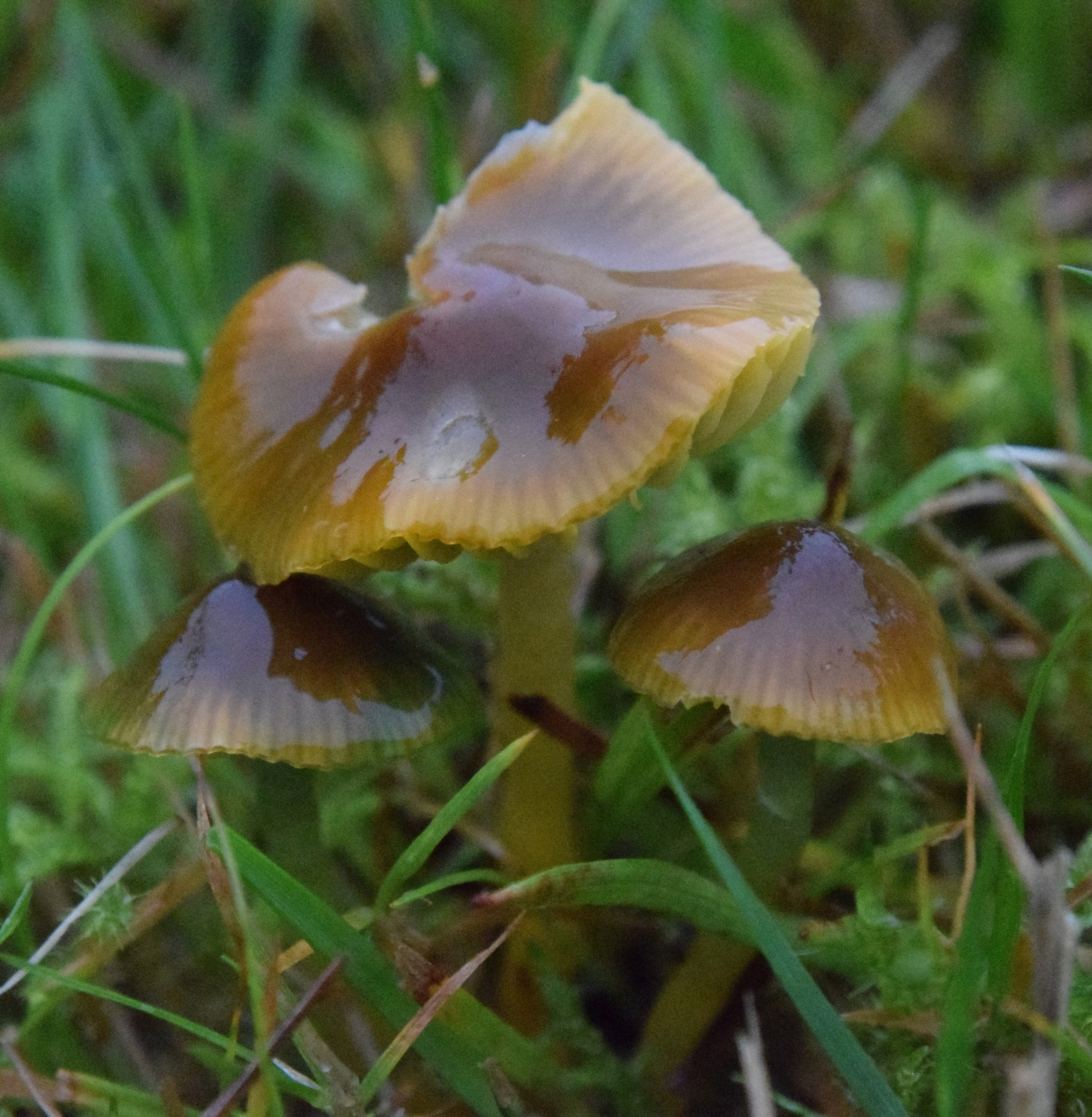
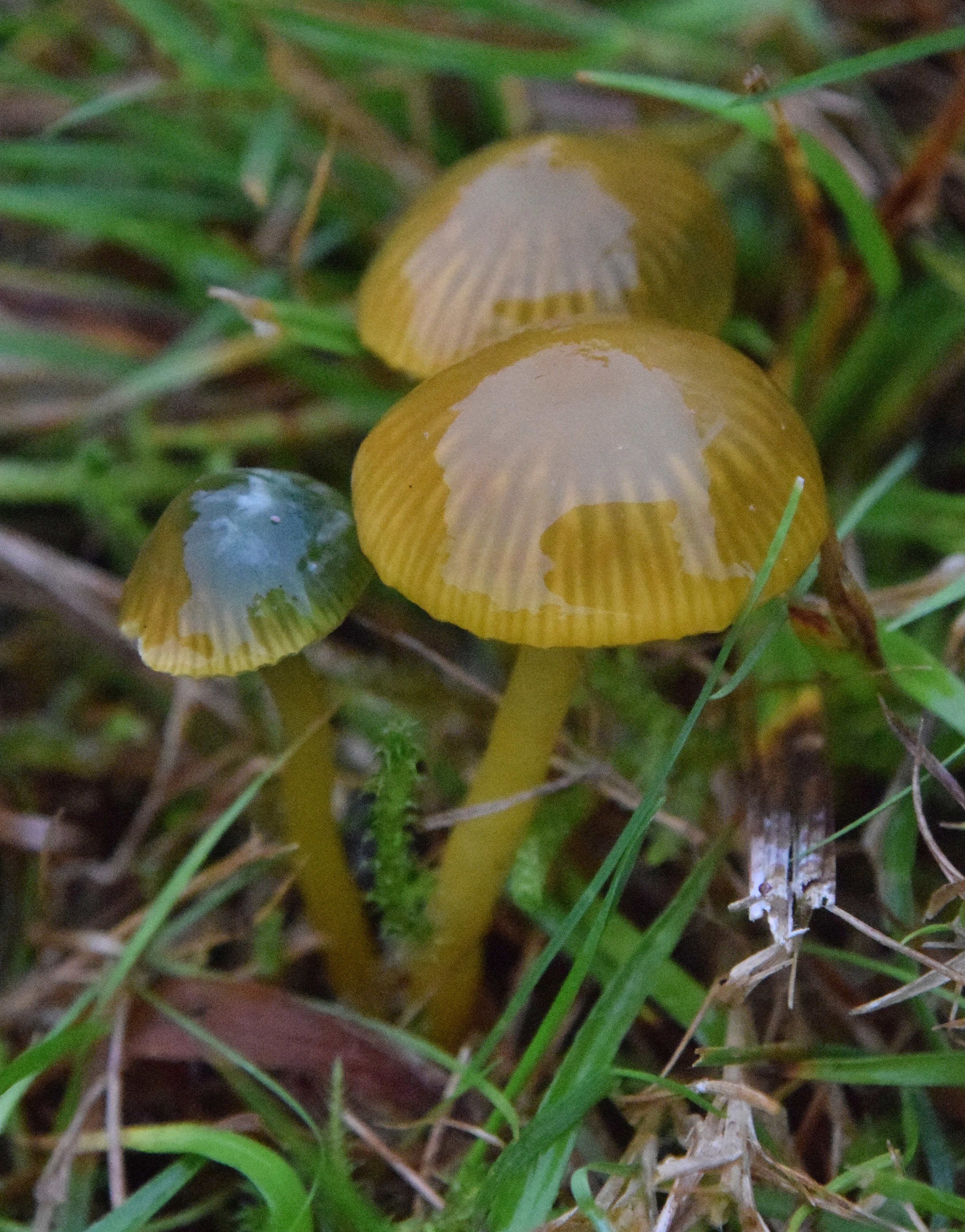
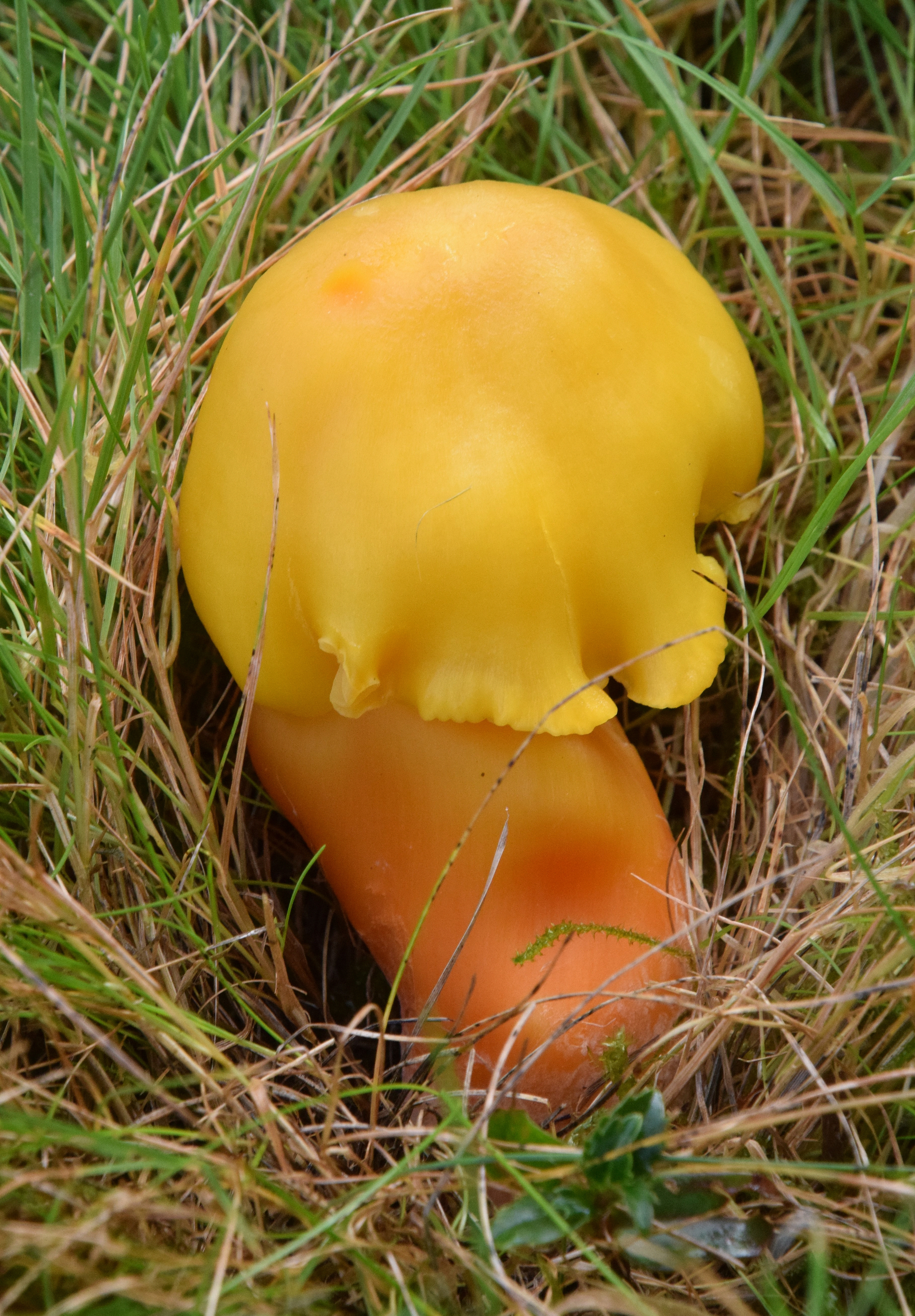
On my next visit to Stoke Poges Memorial Gardens (24th) there was little new interest along the central avenue. So I surveyed some other areas and was eventually rewarded with a large eruption of emergent Parrot Waxcap at w3w ozone.soft.cards. These were all tiny but offered the interesting shapes pictured below (top row). I hoped they would grow and so came back four days later on 28th seeking studies of larger specimens such as at Nettlebed. In the event they were no larger or more photogenic, but now the darkest-toned subjects encountered so far had appeared amongst them (lead post image).

More Parrot Waxcaps

I had imagined this visit might be my season’s last here, but as I rambled on there was more than enough to still motivate me. There were large quantities of different Waxcaps around this wonderful place, and much more fungal interest besides. Eventually I located a second, good-sized cluster of small, emergent Parrot Waxcap (lower row, above) near the far end of the central avenue, at w3w cycle.plus.packet. This had not been there four days previously.

I next moved on to the neighbouring St Giles churchyard (SL2 4PG – SU 975827) where the seemingly burgeoning Waxcap feast continued. Now three groups of again miniscule Parrots had appeared over the weekend and my picture collection of the species continued to grow. The following are the more interesting images from this further location.

Still more Parrot Waxcaps

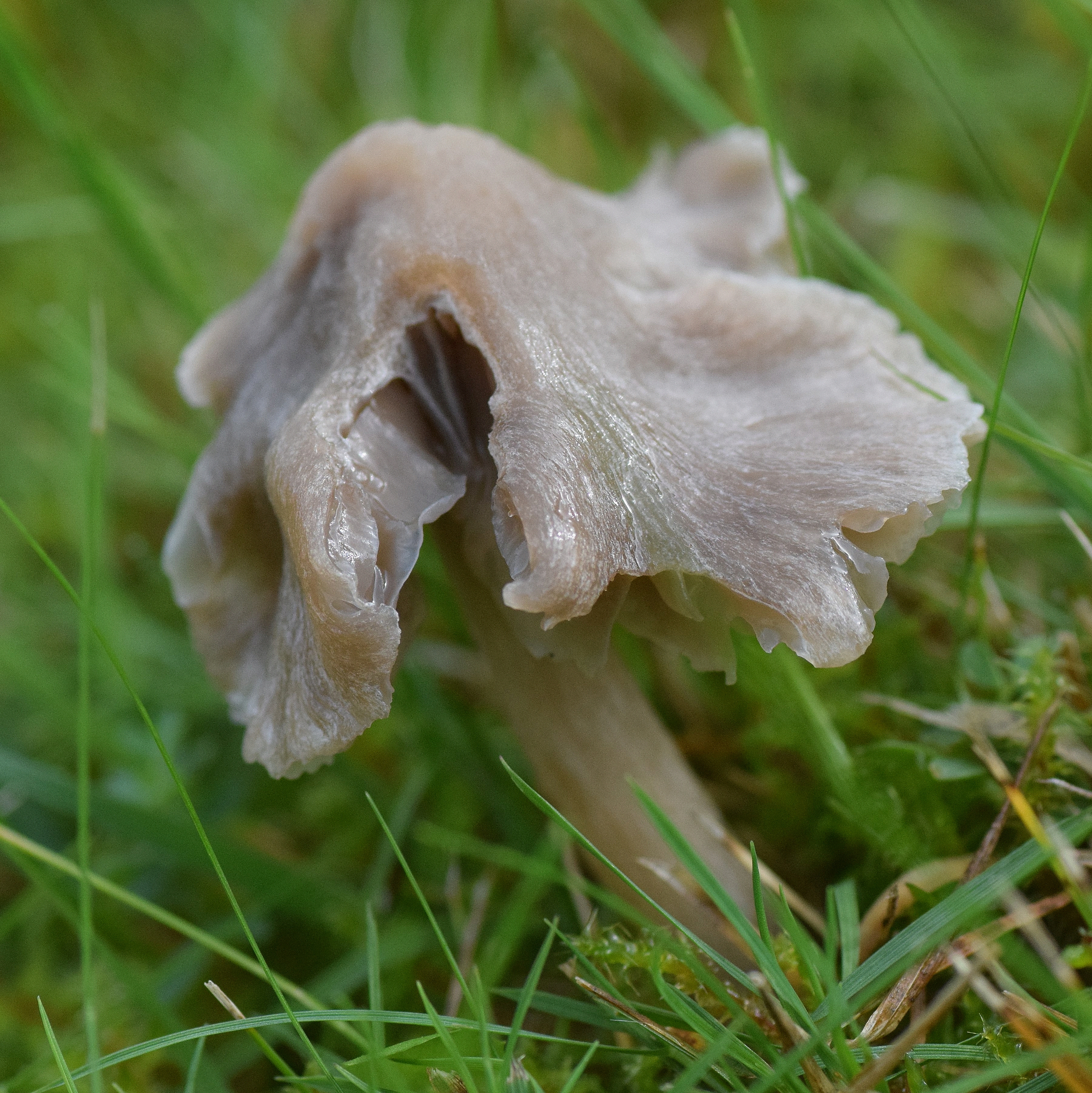
As October drew to its close and a new dark season arrived I made a further visit to St Bartholomew, Nettlebed, in company with Ewan on our way to a nearby ancient woodland. The vicar was present but did not wish to engage when I attempted to, making it plain that preserving mushrooms is not a priority when keeping the churchyard tidy. The Waxcaps, though were proving resilient, many more having emerged since the site’s recent peak-season mowing. Golden, Snowy and Slimy were all fruiting anew in good numbers, with one or two Blackening and Parrot; and there were some fine examples of Oily Waxcap (pictured below, left) that I have only recorded here this autumn.

Nettlebed specialty Oily (left) and Spangle (?) Waxcaps

We also found a clump of smaller items in the same colour spectrum that to me just seemed different to other varieties recorded so far in this post. My app was not consistent in identifying them but I hope they are Spangle Waxcap (Hygrocybe insipida – above right), that I had previously seen records of from Prestwood but had yet to encounter the mushroom itself. This one is not covered in my usual sources of First Nature or the now ageing Roger Phillips mushroom bible, so who knows?

More certain is that throughout the above-recounted exercise, crawling around on soggy hands and knees, while performing contortions to capture close-up images of often tiny subjects, has been a totally absorbing activity during which nothing else matters. That is very like butterflying on remote mountainsides of southern Europe. So thank heaven for the two-month extension to the annual non-birding wildlife season that fungi provide.

Pink and other Waxcap mushrooms at Prestwood churchyard, Bucks + Pinkgills and Spindles: 27th Sep – 9th Oct

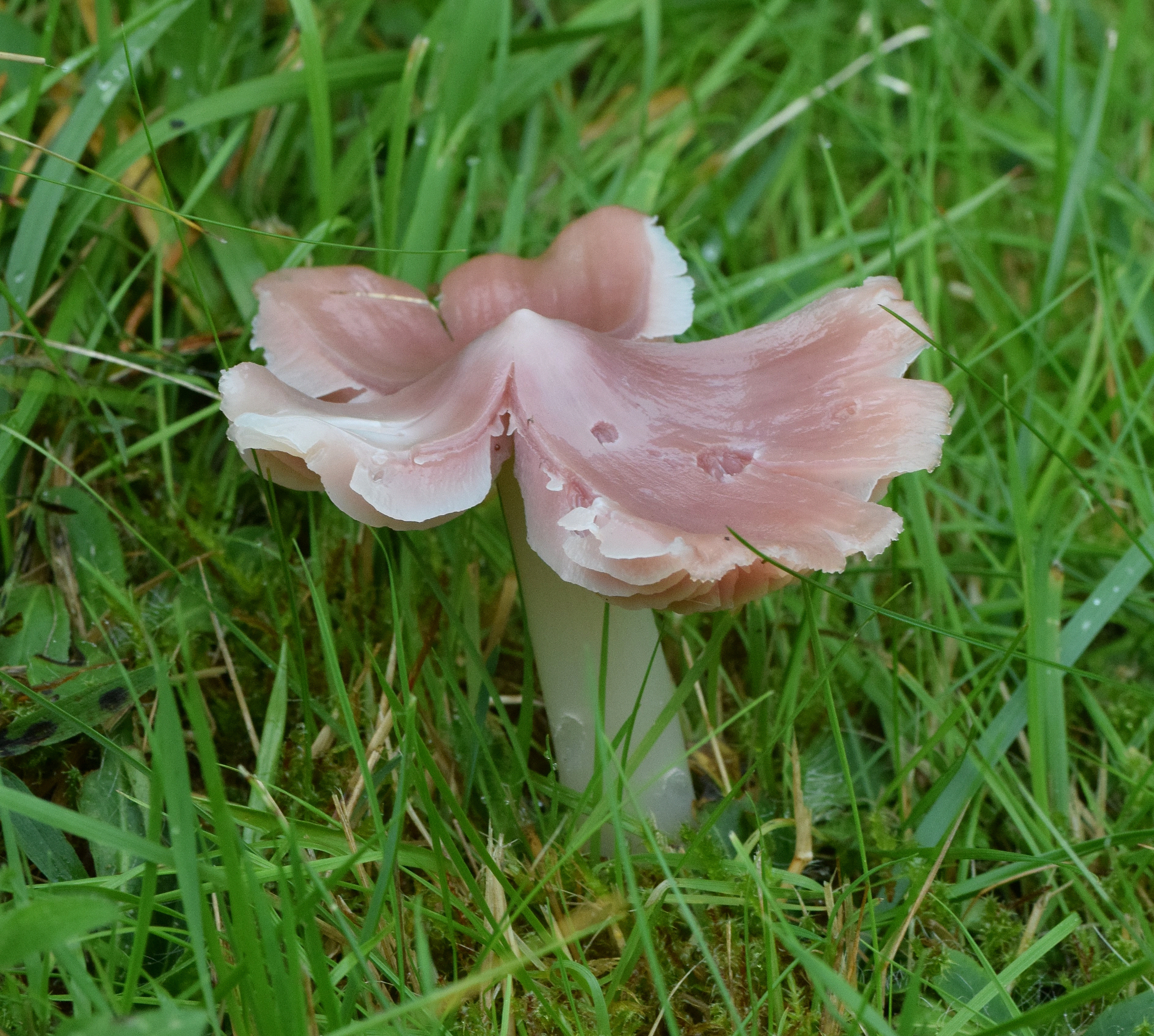
Having done very little with wildlife since the end of the Orchid season, on the last Friday in September I got around to seeing if it was worth starting to mushroom hunt again this autumn. One local source I consult carried a picture of a Pink Waxcap, also rather alluringly known as “The Ballerina”, in a Chilterns churchyard of mycology renown that I first visited last November (see here). That item is described as one of the most attractive of the much-sought Waxcap genus (here), and is also quite rare and very localised across its range. So like the Scarlet Waxcaps that had attracted me to the same location first time around, I decided I would rather like to see it.

Pink or “Ballerina” Waxcap

This was also a test of whether fungi can still fascinate and motivate for a fifth as in past seasons, and the first foray confirmed the answer to be a most definite yes. Churchyards and other burial grounds, especially when managed sympathetically, often provide habitat in which mushroom genera that might have become scarce elsewhere can still thrive. Holy Trinity, Prestwood (HP16 0HJ – SU 874996) is a prime example, being a remnant of pristine acidic grassland in the chalk hills of the Chilterns (see here). Its recipe of short grass left unmown in season, nutrient-poor soil rich in moss on an acidic base, and no use of artificial fertilisers supports populations of Waxcaps, Pinkgills and more besides that have those needs.

Waxcaps exert a particular fascination upon fungi enthusiasts that I have quickly succumbed to. They are considered to be amongst the most spectacular British gilled mushrooms, since some are red or orange. Others are bright yellow, ivory, white, brown, green or black; some even changing colour as they age. Separating the various small red, orange or yellow species within the genus is notoriously difficult, since these may not be accurately identified without very detailed analysis. And last but by no means least, Waxcaps usually disappear if land where they occur is treated with agro-chemical fertilisers.

A “Waxcap grassland” such as Prestwood churchyard will have developed over centuries, so is irreplaceable, and can be destroyed quickly by excessive disturbance, neglect or artificial fertilisation. Pink Waxcap (Porpolomopsis calyptriformissee here) itself, which occurs annually on site, is a Biodiversity Action Plan species for its special importance and rarity. I did locate this quest at the first attempt but in a ruined state though the remains still suggested some of the original beauty. Of two other larger items, Fibrous Waxcap (below left – here) was also ruined though I managed to make a photogenic arrangement out of the bits; while Yellow-foot Waxcap (right – here) was merely munched.

From left: Fibrous, Persistent and Yellow-foot Waxcaps

Over this and a second visit on 3rd Oct I also recorded three more orange / yellow-toned Waxcaps. Of those perhaps the most beguiling was Blackening Waxcap (here) that, as the name suggests bruises upon touching and blackens as it matures. Golden (or Lemon) Waxcap (here) I had recorded in quantity once before at Aston Clinton Ragpits during last year’s Orchid season. Now it was abundant again at Prestwood churchyard in autumn.

Also there was the intriguingly titled Persistent Waxcap (above centre – here), described as a scarcer item that pops up scattered amongst larger numbers of related species such as those cited above. It is distinguished by its conical shape, but guess what? The rest might produce similar individuals themselves. Another indicator is that it doesn’t blacken. For all these IDs I now use the Picture Mushroom app, that doesn’t always get things right but is more reliable than free options. Then I match them to authoritative resources and attempt to apply common sense. If still in doubt I consult expert local mycologists, who will acknowledge that mushroom identification is always an imprecise art.

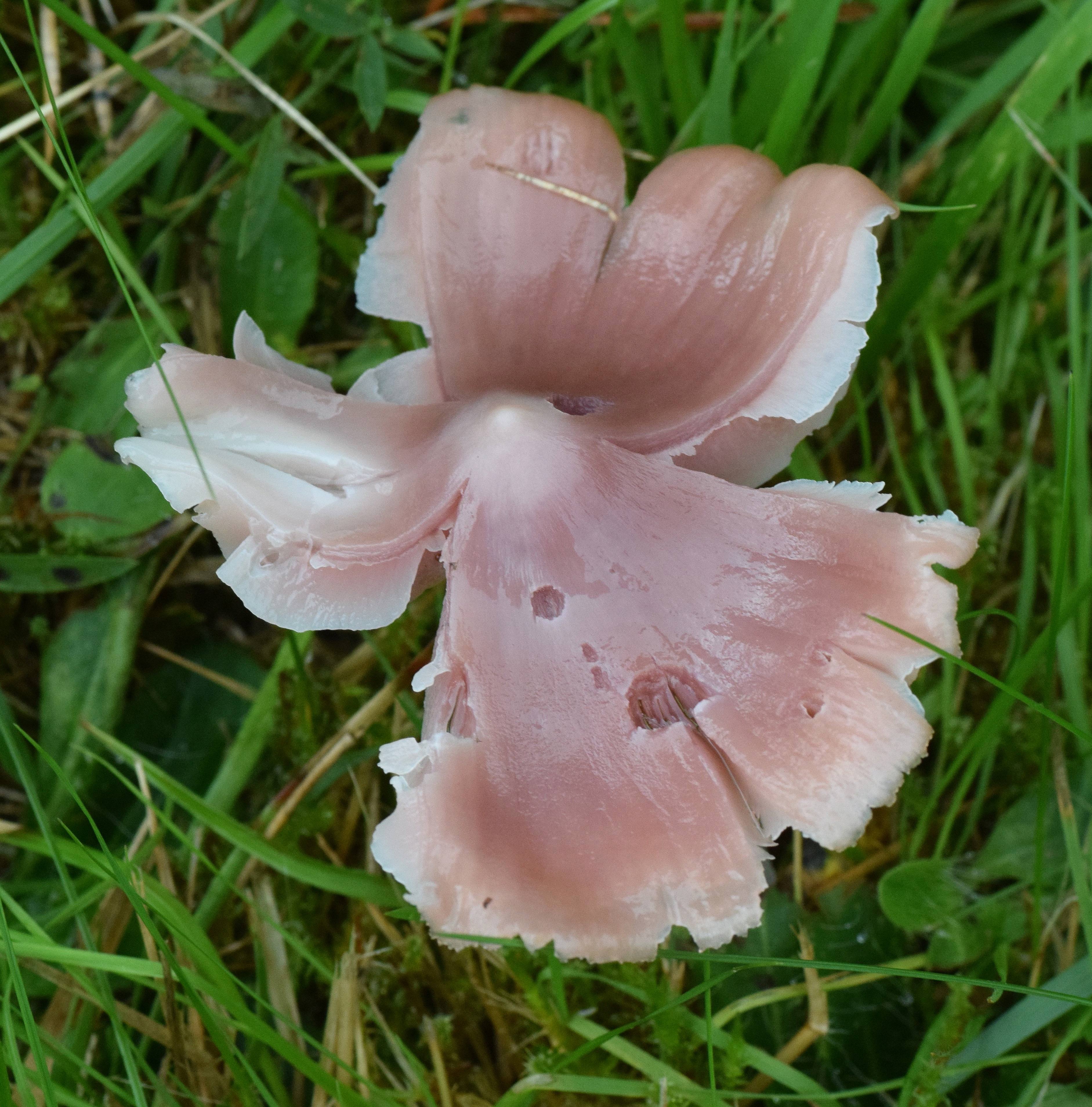
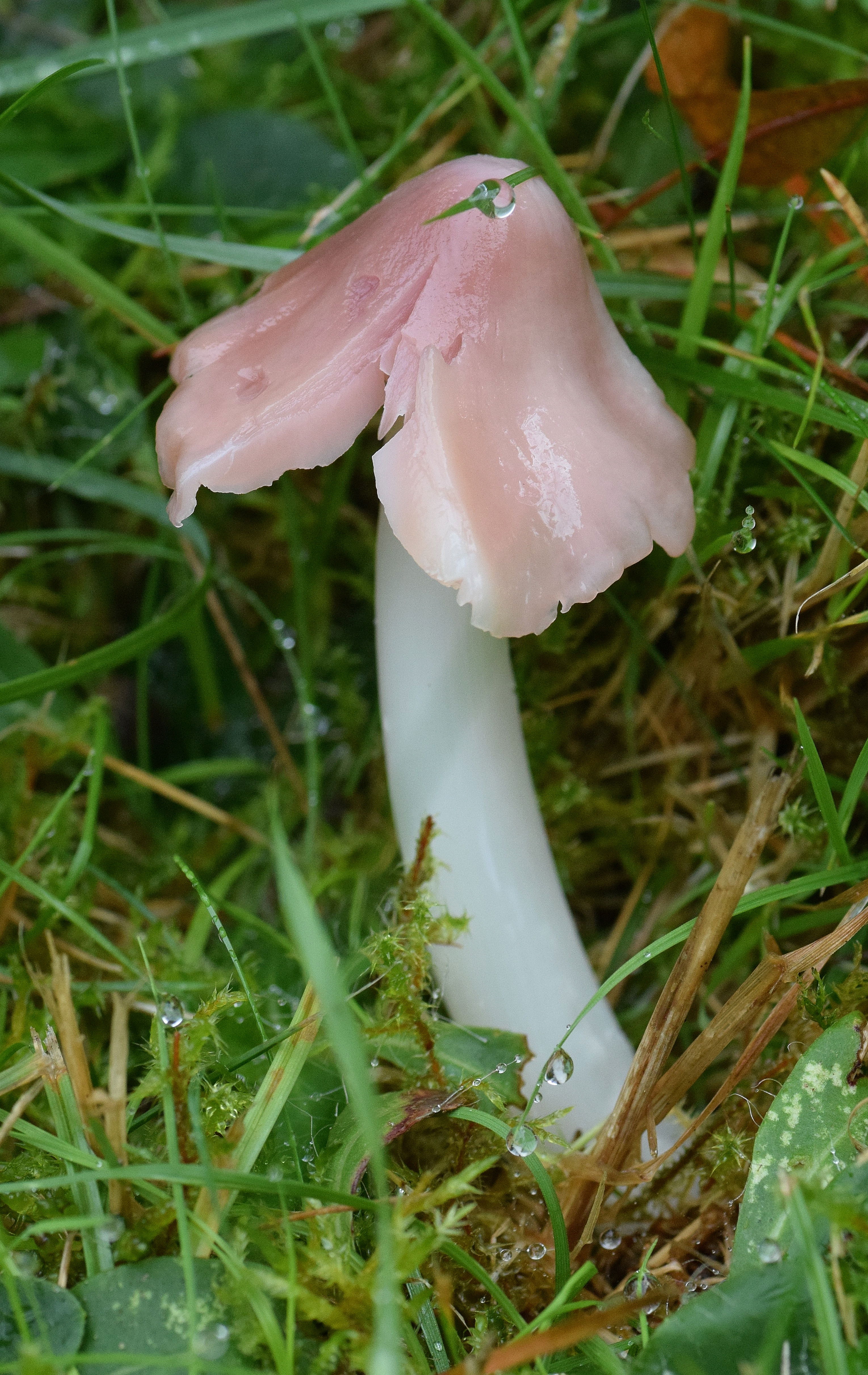
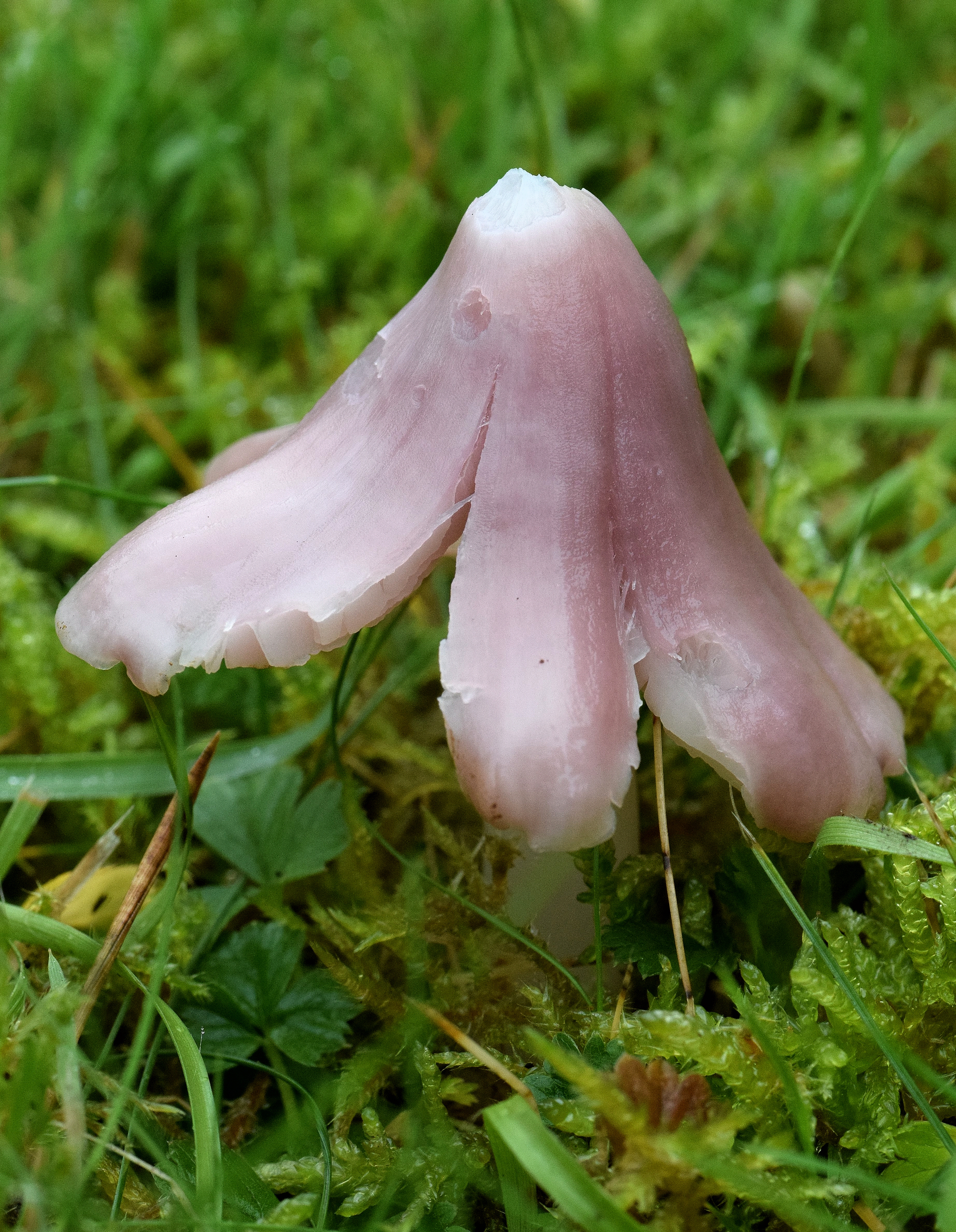
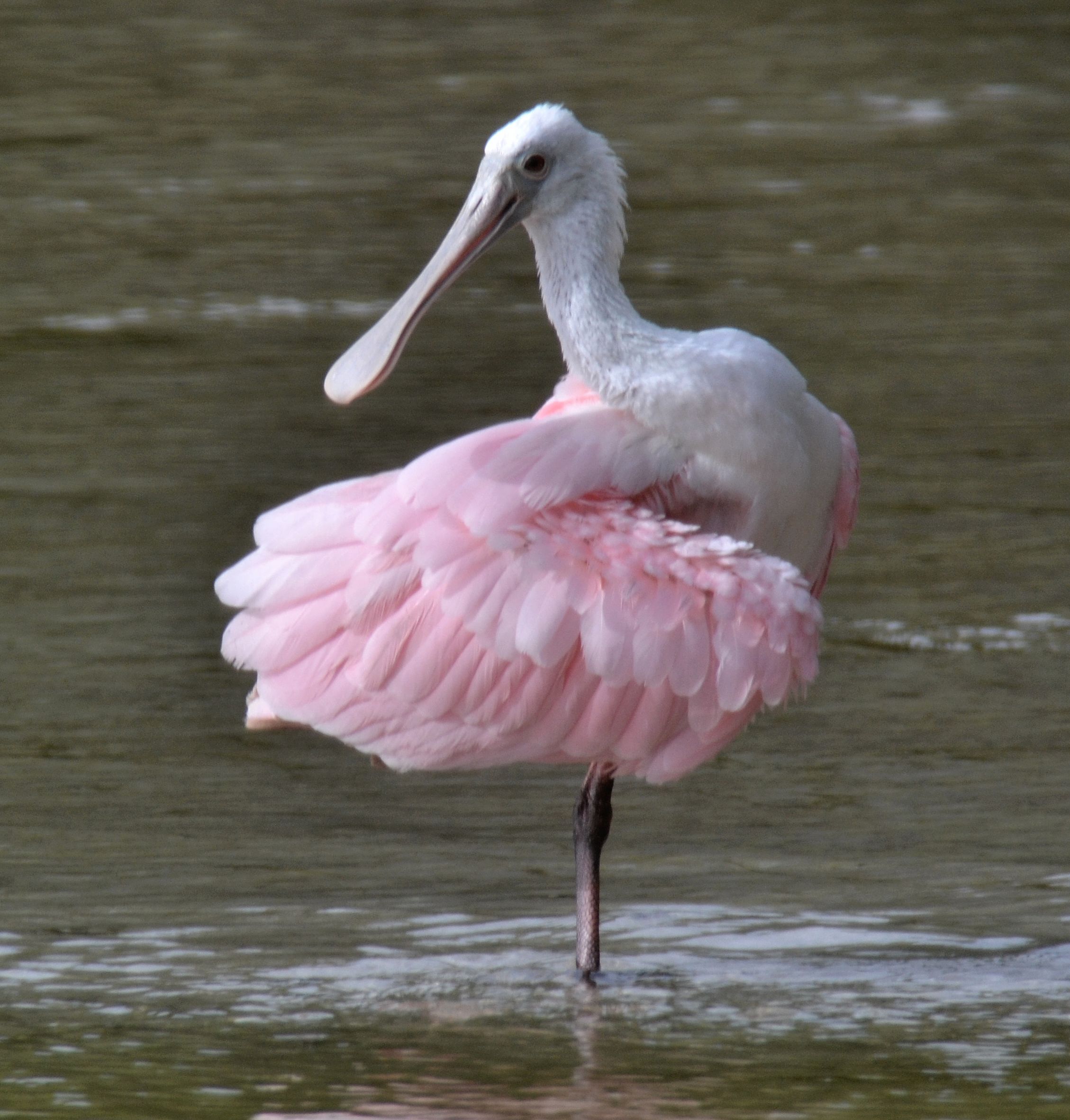
Upon my third visit (9th) I hit paydirt, there being four new Pink Waxcap on the south side of the church. These things of beauty, upon conversion did not disappoint … ballerinas indeed! The initially domed caps very noticeably split, turn up and fan outwards as individuals age. It might be a stretch of the imagination to compare fungi with the juvenile Roseate Spoonbills (see here) of my 2018 Florida lifetime’s experience, but there are similarities. What absolute stunners … in both instances. Solitary specimens of this species are said to re-appear in the same place for many years. It is said to be more common in western Britain and especially Wales, sheep grazed upland commons on acidic soils being more frequent habitat than churchyards. But here it is one of Holy Trinity, Prestwood’s most iconic residents and I had now been amply rewarded.
Pink Waxcaps on 9th October (with archive Roseate Spoonbill)

On this occasion there was a growing profusion of orange / yellow Waxcaps that my preferred ID app seemingly struggled with. The isolated cluster formerly ID’d as Persistent Waxcap now returned Golden, and there was apparent confusion betwen Blackening and options that are not actually meant to do that. All this illustrated the formerly cited difficulty of separating those similar species by sight alone, so better maybe to simply appreciate their special appeal … which is considerable. An extra item on this day was Slimy Waxcap (here) that I also recorded here in 2023. Lastly, Meadow Waxcap (here), also seen in 2023, was present on each visit.

Golden Waxcaps (above, left and top), probable Persistent Waxcap (bottom) and ageing Blackening Waxcap (right). Meadow (left) and Slimy (right) Waxcaps (below)

Of the Pinkgills I found up to five varieties (pictured below) on the three occasions recounted herein. That less showy genus (Entoloma) frequently occurs alongside Waxcaps (Hygrocybe) and is regarded as a fellow indicator of “unimproved” grassland quality, though there are woodland species as well. They are mainly small to medium-sized mushrooms, noted for a remarkable consistency of gill tone (ie pinkish) contrasted with a wide range of cap colours. I soon became quite fond of these understated allies amongst their mostly brighter Waxcap congeners.

From top left: Silky Pinkgill (see here), possible Indigo Pinkgill (here), Blue Edge Pinkgill (here) twice (bottom row with young Waxcap) and Priest’s Hat Pinkgill (E infula)

Out of these the most arresting and alluring were the dark blue-capped species which are only occasional finds in southern lowland areas. But here they were at this remarkable site, skulking almost but ready to be picked out in its very particular habitat. As with Waxcaps, this is a very complex group to separate different species within, so once more it might be best just to enjoy them. Another uncommon item was a single Mealy Pinkgill (below – here), a rather more robust and thick-stemmed number than all of the above.

Mealy Pinkgill

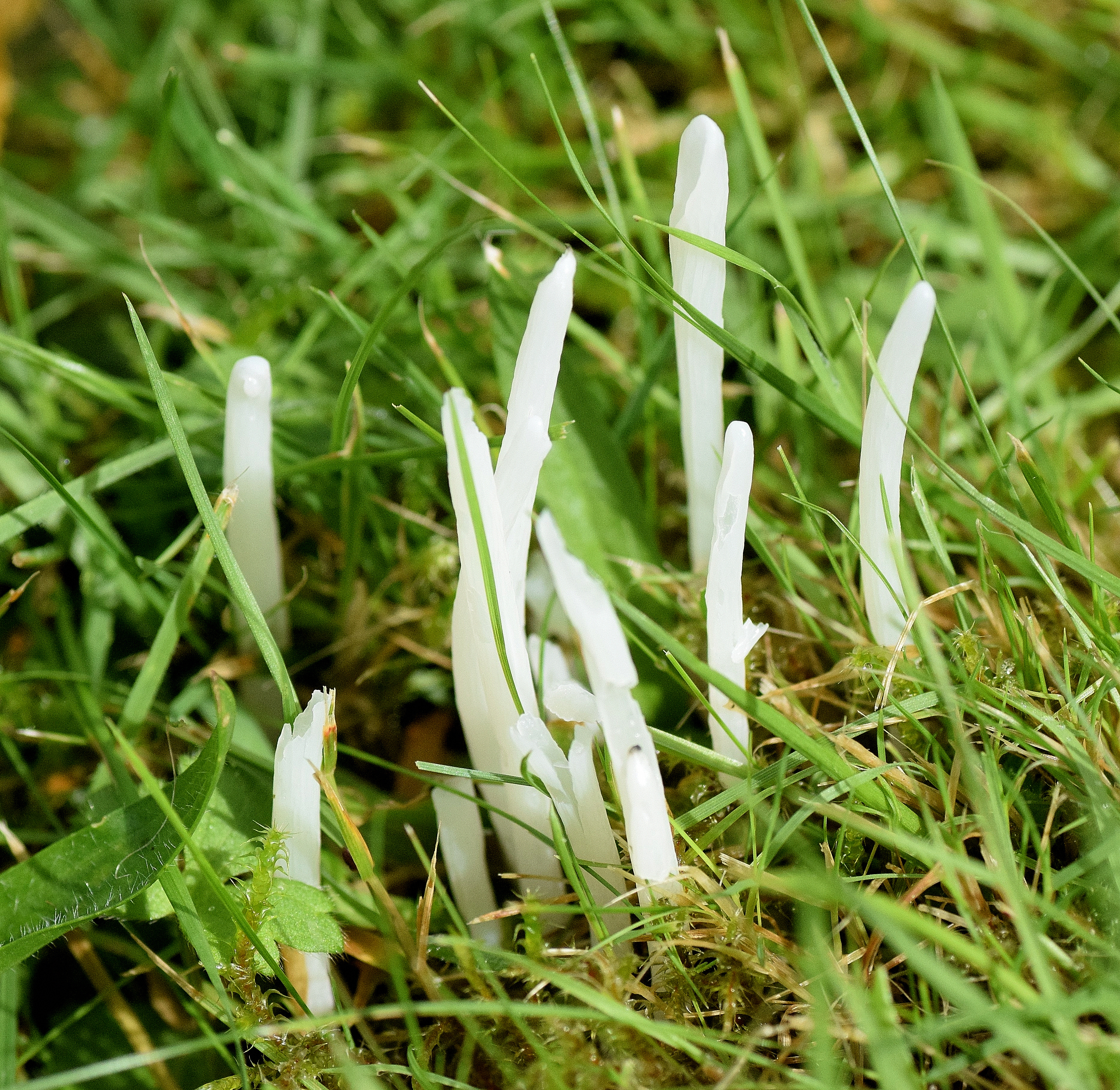
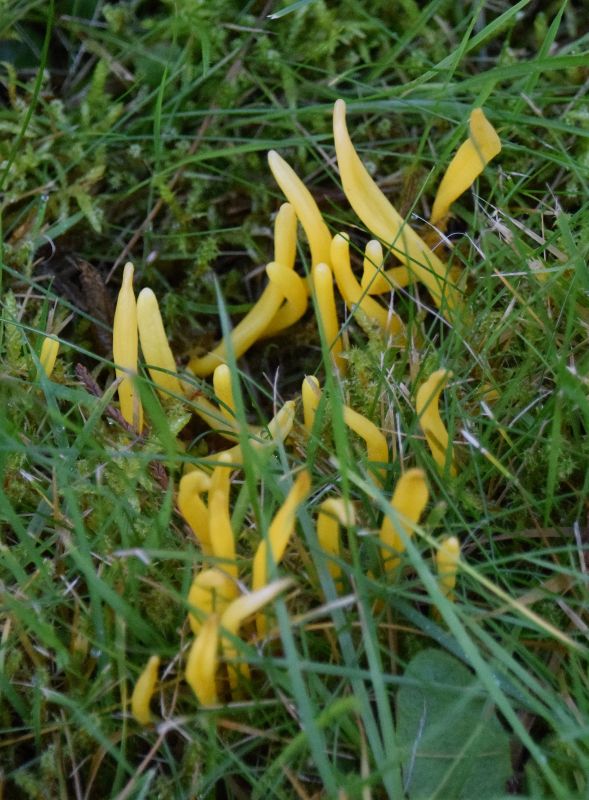
A third specialty that thrives in these conditions is Spindles, part of a large group of diminutive fungi with neither gills nor pores that further includes Clubs and Corals. Though by no means uncommon these strange, wispy items have to be observed in short grass that has not been mown during fruiting … hence the need for sympathetic management again. In 2023 I admired Golden Spindles (see here) amongst the ancient graves of Prestwood Churchyard, and now I have added White (here) and Smoky Spindles (here) to my records.

From left: White, Golden and Smoky Spindles

One pleasing aspect of this exercise is the openness of the location, that allowed pictures to be taken up close and personal with a macro lens. Over four previous seasons I have mostly been accustomed to recording fungi and attempting to capture half-decent images of them in the subdued light of ancient woodlands, so this could be where evolution might lie. The project will continue through October and November, with further updates herein. The intent is to convey the particular fungi potential of unimproved grassland. As I do not feel qualified to discuss these mushrooms in detail that in any case may not appeal to readers, I have instead included links to one of the resources I regularly consult.

ARC Members Day at the New Forest Reptile Centre, ft Edible Frog, Sand Lizard and Adder – 4th Sep

Last spring I got around to joining Amphibian & Reptile Conservation (ARC – see here) to learn more easily where different herpetora might be observed, and be alerted to relevant field meetings. Since then I have converted three new Amphibians nationally, while the lifelong quest of the almost mythical Smooth Snake lingers ever on. So when the invitation went out to this year’s Members Day I booked onto it in a spirit of exploration and enquiry.

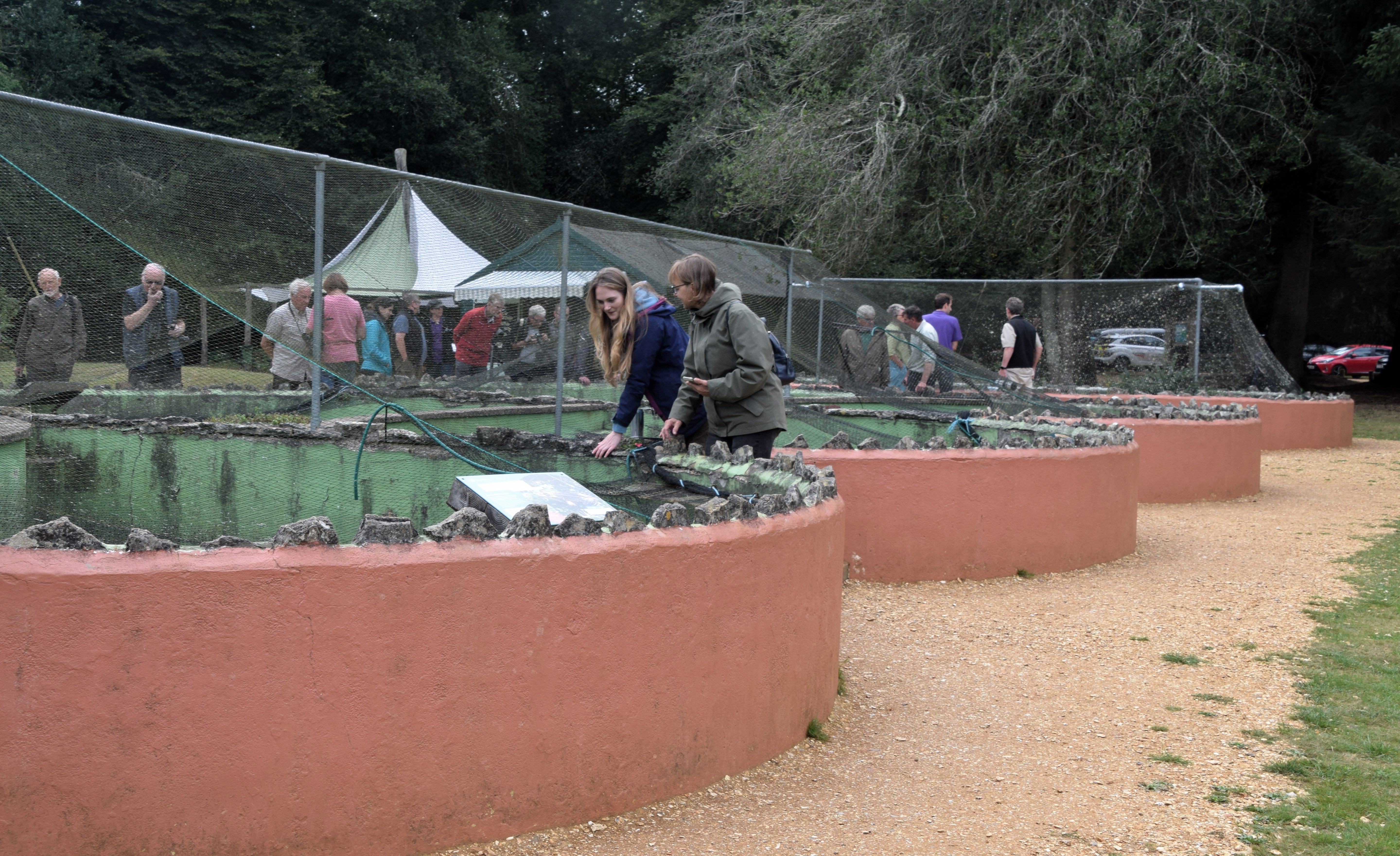
The New Forest Reptile Centre (SO43 7GR – SU 271071) operates in partnership between Forestry England and ARC which have been carrying out refurbishment through the spring and summer of 2024. There are several outdoor concrete pods here (pictured below) that accommodate native herpetora in natural conditions. These facilities, dating originally from the 1970s, allow visitors to closely observe normally scarce and secretive snakes and lizards that are difficult to locate in the wild.

Two recent ecological mishaps have resulted in the loss of most of the centre’s amphibians, firstly an infestation of rats. Before that a Grass Snake in one of the pods took a liking to climbing into others and predating their own occupants, after which the adventurer was promptly returned to the wild. Adder and Smooth Snake are said to be lazier in nature and less inclined to climb. There is now just one of the latter here, a female the hope of experiencing which was a second reason for my own attendance. But on this day she exercised the lady’s prerogative of not putting in an appearance at any stage of proceedings.

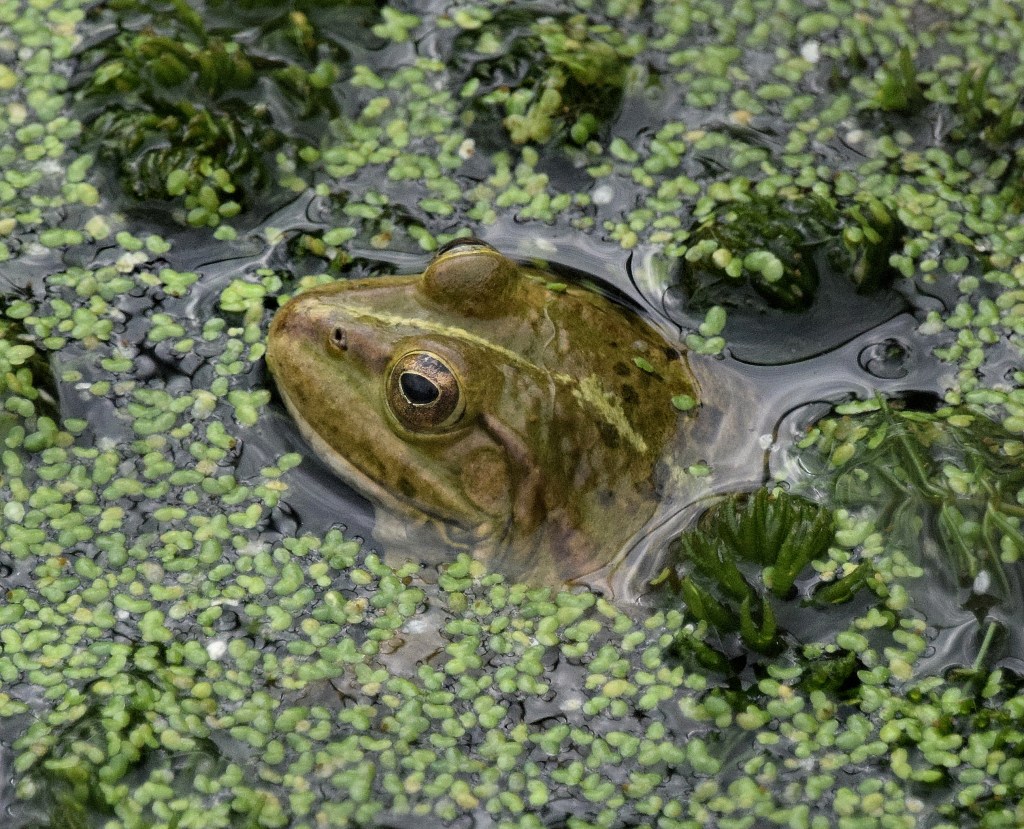
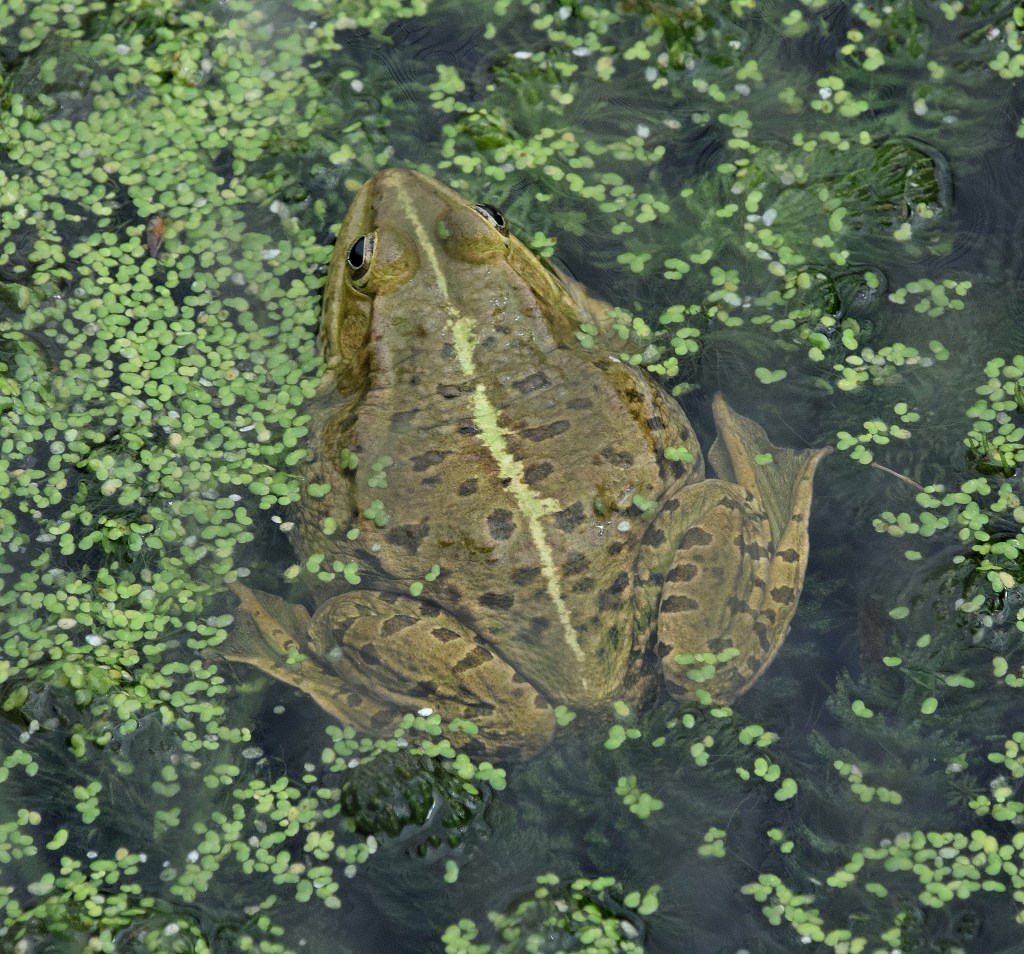
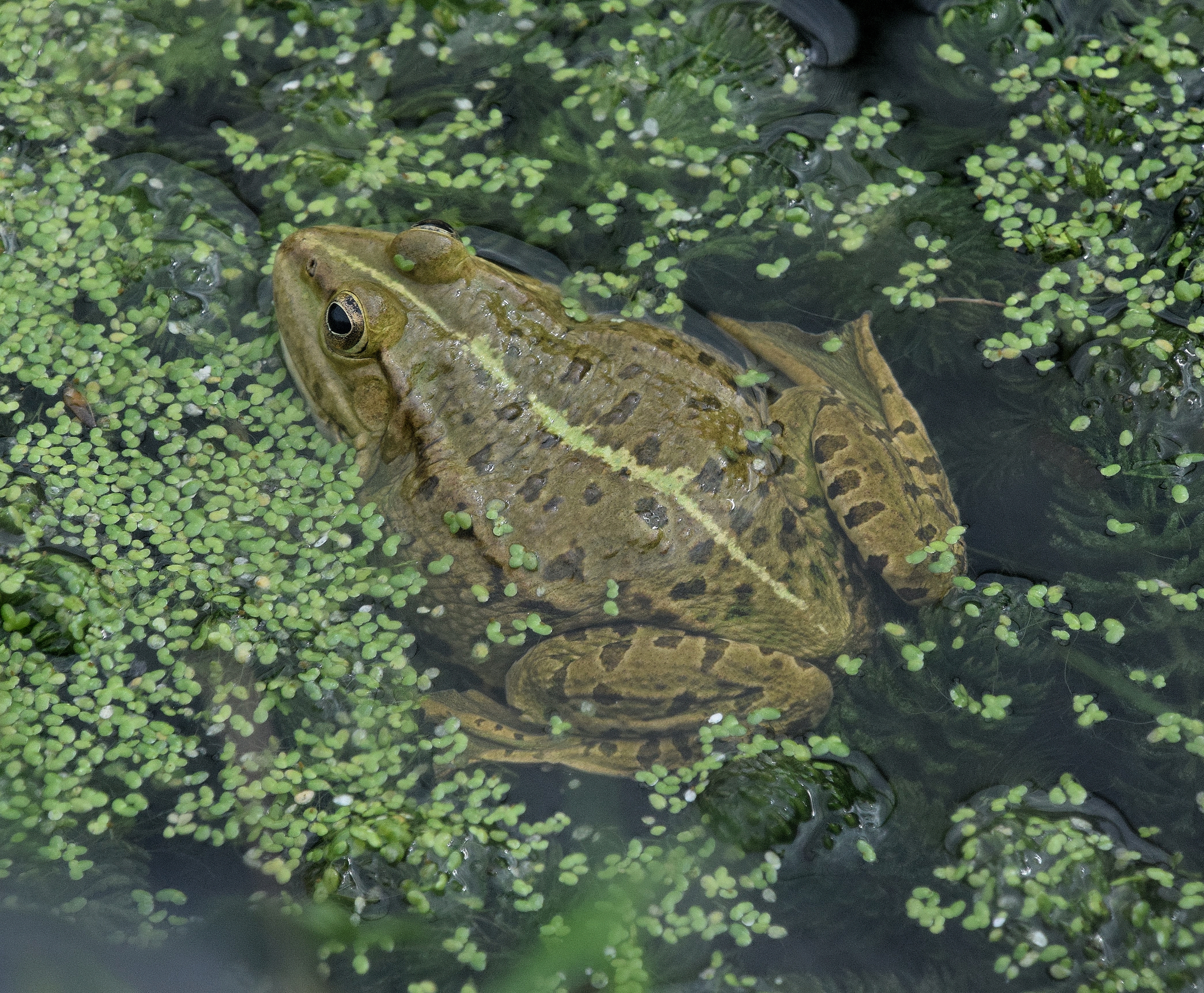
Edible Frog

The most pleasing opportunity (for me) here was to complete the set of European water (or green) frogs nationally. Edible Frog (pictured above) has been introduced variously across south-eastern England and East Anglia, and now has expanding populations in Surrey and the north of Sussex. The superficially similar, three-species group is taxonomically ambiguous, especially with inter-breeding. Today’s individuals had a yellow-green dorsal stripe like the Pool Frogs I observed at Greenham Common (see here), which Marsh Frogs at Sandwich Bay (here) clearly lacked. My research nonetheless suggests the most reliable means of separation is to measure the length of the hindlegs, presumably in similarly aged individuals. A second differentiator is the size of the ‘meta-tarsal tubercle’, a bulge at the base of the shortest rear toe. No need to go there, that at once reminds me of anal appendages in dragonflies.

The group as a whole is highly vocal and much more closely associated with water than the default British Common Frog, that spends part of its time on land. Edible Frog is currently the only Amphibian remaining at the NFR centre following the recent losses. The biggest individual of three encountered today certainly looked a bumper mouthful for even the errant and now exiled Grass Snake.

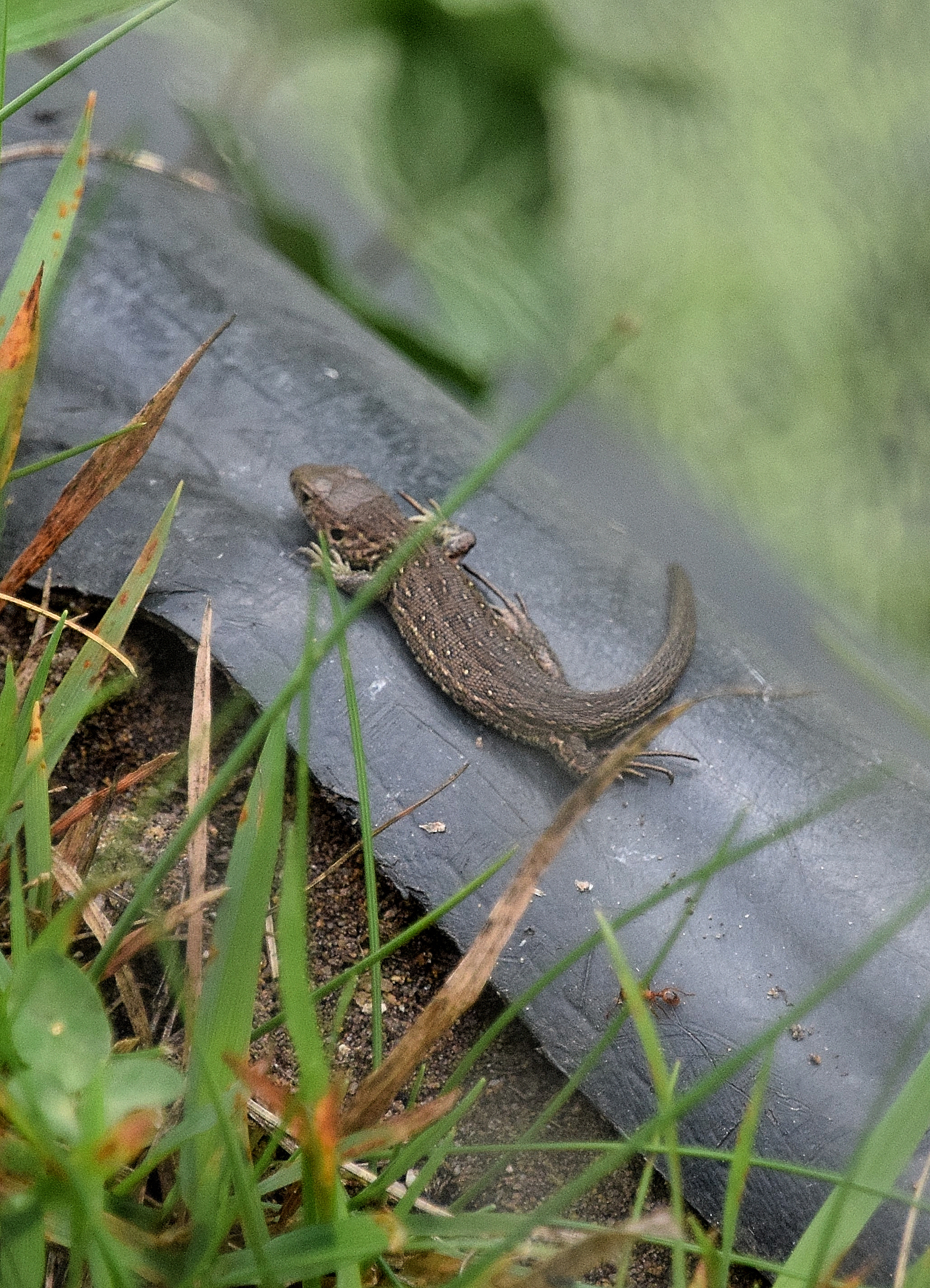
I was assured that the two adult Sand Lizard in the next sequence are both males, though as I have previously observed this reptile only in April today’s records lack the bright green flanks of the breeding season recalled from Higher Hyde Heath Heath, Dorset in 2021 (see here) and Frensham Common, Surrey in 2018 (here). Unlike taking pictures of Orchids or fungi, unwanted blades of grass and other intruding vegetation could not be gardened away in these studies. But they do portray how reptiles are more often observed. The images in this post also suffer from blurring caused by netting that covers the pod tops.

Since its formation in June 2009, succeeding the Hepatological Conservation Trust, ARC has taken the lead in British Sand Lizard conservation supported by multiple other partnership bodies. Many of its land purchases for reserves have been of sites already significant for the species, after which habitat is improved, populations are monitored and extra captive-bred stock is released. Climate concerns, predation by vermin and disturbance to egg-laying areas mean only around 5% of hatchlings survive to become adults, and since these lizards cannot disperse far or cross hostile habitats, they do not easily colonise new suitable areas. So re-introducing captive-bred hatchlings has been an effective means of recovering lost range and maintaining wild populations.

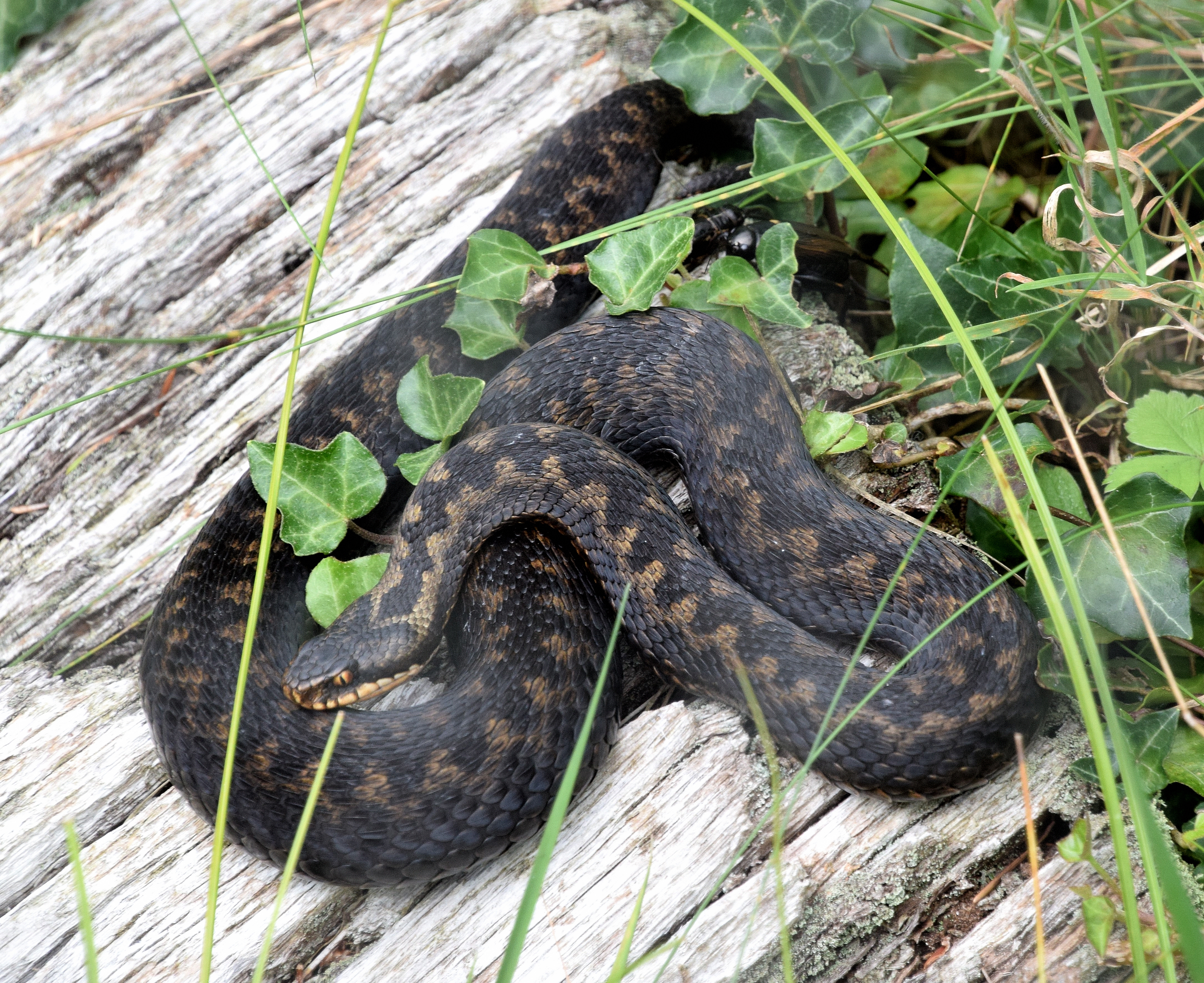
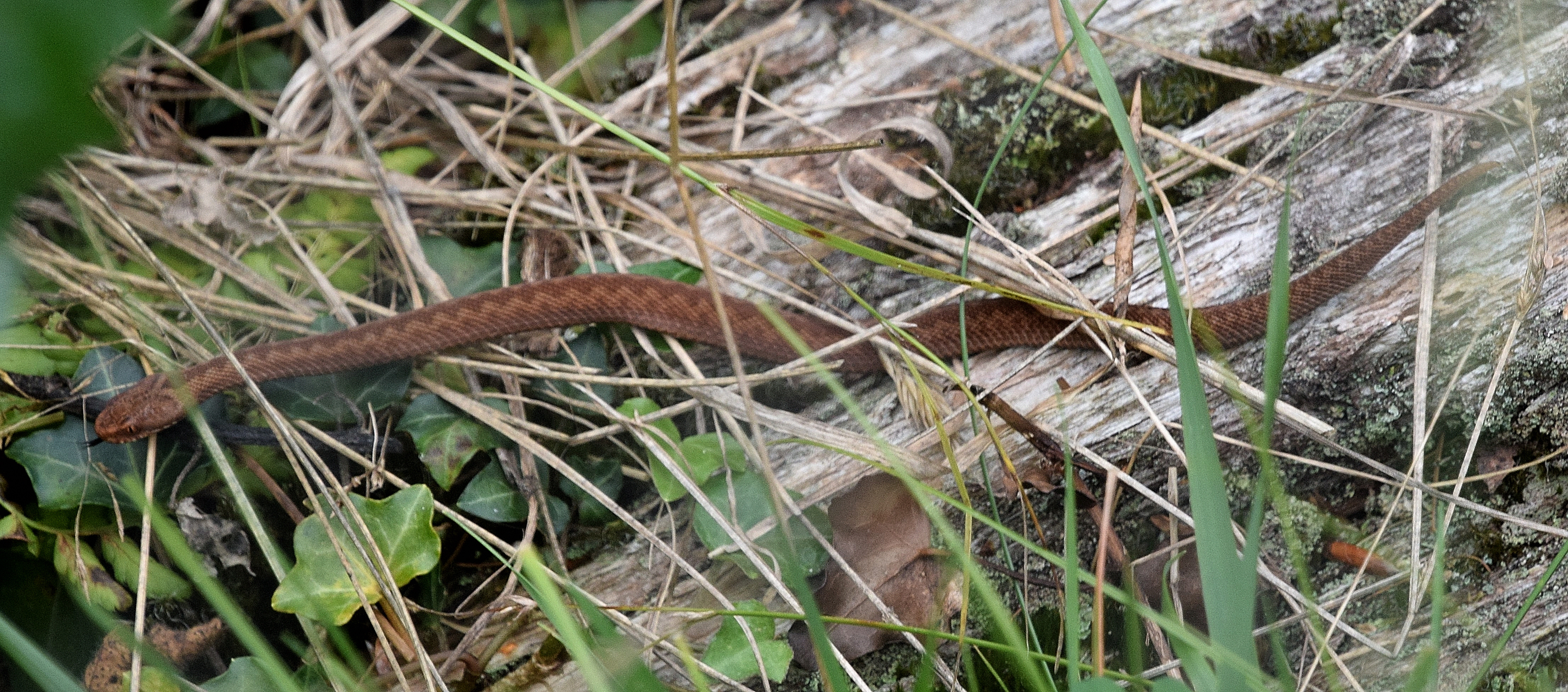
Adder has particularly thrived at the centre. Two large adults (pictured above) were showing themselves today, and at this time of year there was also the opportunity to observe recent hatchlings of both that snake and Sand Lizard. These would be no more than a few weeks old. That is something I had not experienced previously in the field, though I have recorded infant Viviparous (or Common) Lizard often enough.

Infant Adders and Sand Lizard (below right)

This was an interesting and enjoyable day. I came away armed with information on more sites at which to attempt the holy grail that is Smooth Snake, and two Natterjack Toad projects in Hampshire. But as ever the issue in the wild will be actually setting eyes upon either of those elusive subjects, especially since unlicensed disturbance and picture taking of both is illegal. One way might be to invest a little over £1000 in three days of wining and dining amidst convenience company at a Dorset country house hotel with Naturetrek for the purpose, but that is not my preference. So my best hope must lie in ARC or other wildlife organisations offering field meetings for the purpose as the newer managed sites mature. That is something I will be keeping a keen eye open for in the near future.

More on Lesser Emperor dragonfly in Oxon at Tar Lakes, nr Witney – 13 & 15th Aug

Records of my home county’s newest colonizing dragonfly have kept on coming through the first half of August. Since my own first observations at Radley Lakes and Pinkhill Meadow (see here), the most reliable location has been in one part of the Lower Windrush Valley gravel pit complex, with up to seven individuals noted on some days. So that was where I headed to broaden my own experience on the sunny Tuesday morning of 13th.

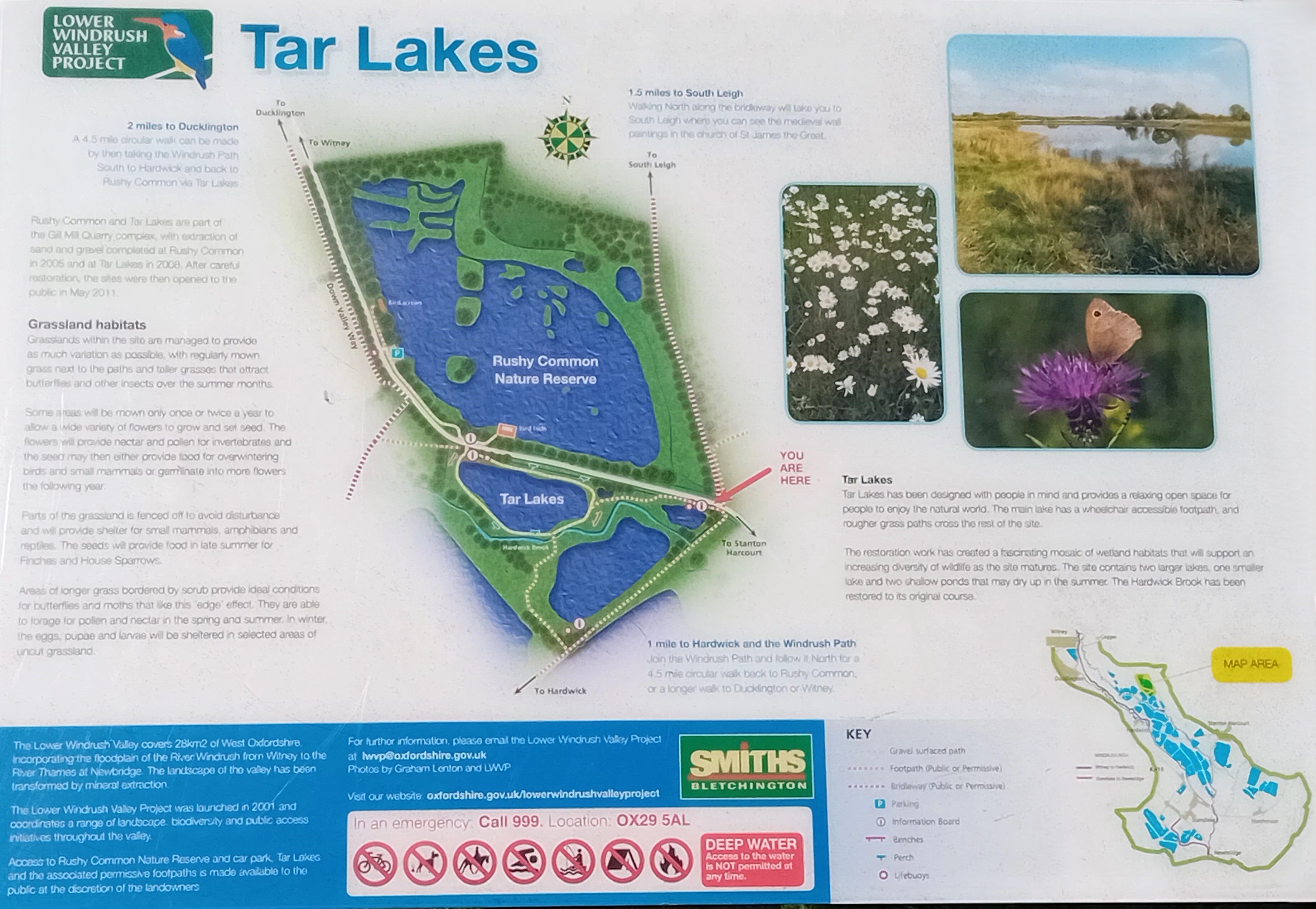
Tar Lakes (SP 382072 – see here), to the immediate south-east of Witney in west Oxon, is managed both for wildlife and as a recreational resource for local people. Unfortunately, my arrival on site at around 10am coincided with what appeared to be a dog walking peak, which on a hot day in the school holidays rather inevitably meant stick-throwing family groups all around the first lake. Then, hurrying on to where I had read about previous sightings of my quest, I strayed into the neighbouring Tar Farm Linear Fisheries.

The three-lake complex of my intent had matured greatly in habitat terms since previous visits, and these further facilities were entirely new and very samey. On and on I wandered until conceding I was way off course. Horror stories are told in county birding circles of LWV fishery clients’ hostility to optics carriers. But fortunately I was approached by just one helpful angler, who upon being told I was lost steered me in the right direction. And so, approaching midday and passing back into the original area of Tar Lakes, I regained my bearings and now had the place largely to myself.

Feeling far more relaxed given the lack of disturbance, I noted a first male Lesser Emperor chasing off a rival dragonfly in the reedy margin of the first lake’s north-eastern corner. After tracking that for a while I next made a circuit of the second lake, locating another male along the eastern shore. This looked like a good spot for a potential perched picture, and I lingered there a while without success, before going back to the first place where things got interesting. Now there were two males competing for space and hovering nicely at the lake margin, and so I sensed the other opportunity I sought.

There’s something happening here … what it is ain’t exactly clear
For what it’s worth: my own Lesser Emperor flight pics
Lyric © Stephen Stills et al (a long time ago)

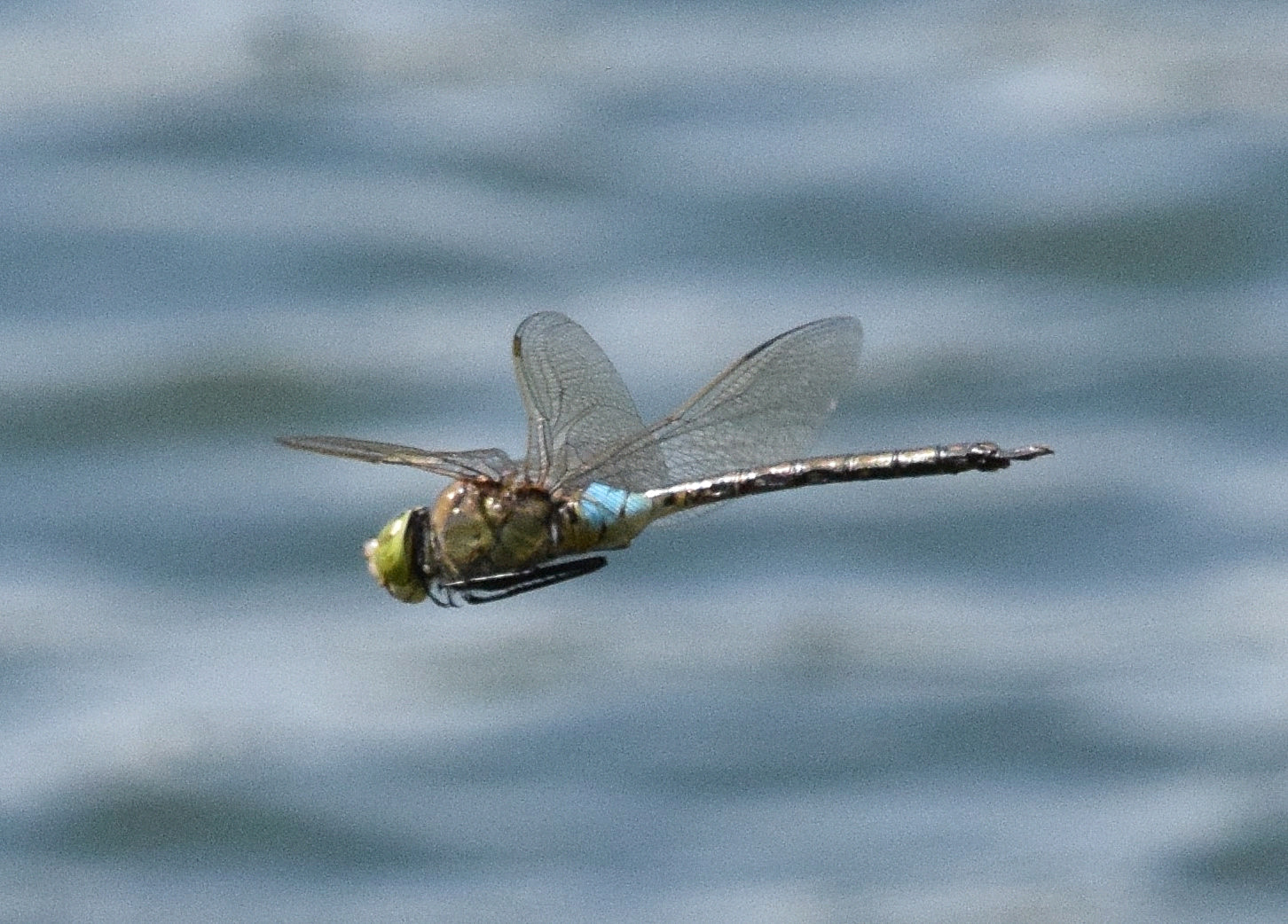
It is only very occasionally that I manage to attain flight studies of dragonflies. The above two compare favourably in quality with what has been published in Oxon over recent weeks. Since my own camera is not capable of auto-focusing on small airborne entities, even less their eyes, I have to be satisfied with these results; only the second time I have captured any image of Lesser Emperor. It now remained to go back to Tar Lakes and try for perched pictures, such as have almost always eluded me abroad, as the day warms up. The it has to be said rather drab numbers are just not known for keeping still.

The incentive to re-visit was that I had got much closer to my desired subjects here than at Radley or Pinkhill, while identifying specific locations where they might perch. But two days later (15th) after leaving home in pleasant sunshine, blanket grey stuff awaited me on arrival despite a favourable forecast. Such, as always is insect watching. It remains to discover, since Tar Lakes is just one small portion of extensive former gravel pit workings to the west of Oxford, just how many more Lesser Emperor might await discovery in the area as a whole.

A botanic day tour for Violet Helleborine var rosea in the Chilterns, the Bucks county Gentian and Oxford Grass of Parnassus – 7th Aug

When a newcomer such as myself has recorded a majority of British wild Orchids, the logical progression is to take an interest in forms and hybrids. This week I was asked by a wildlife colleague whether I have done with Orchids for the year, to which I replied not necessarily. An invitation thus came to a private viewing of a rare, strange and very beautiful form of one of the Epipactis group. And I felt pleased once more to have developed such good contacts in the Orchid world so early in my own involvement.

It has been a generally poor national season for Helleborines, which can be quite erratic performers from one season to another. In 2023 the most impressive species I observed was the stately Violet Helleborine at the BBOWT Warburg Reserve near Henley (see here). An especially striking new example today at another Chilterns site blew even those several stonkers away. This variant is rare and localised in southern England, favouring most often Beech woodland where it grows in deep shade.

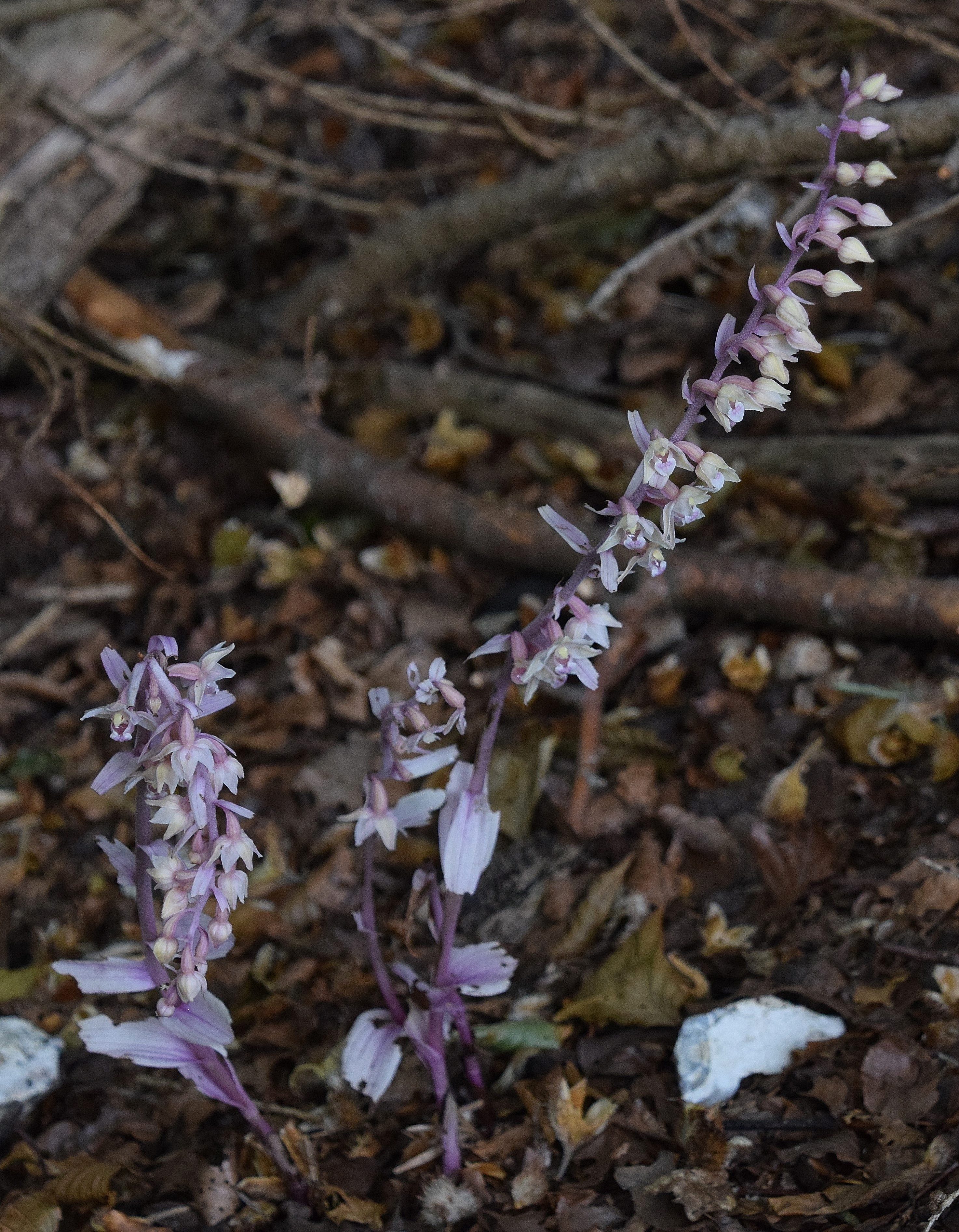
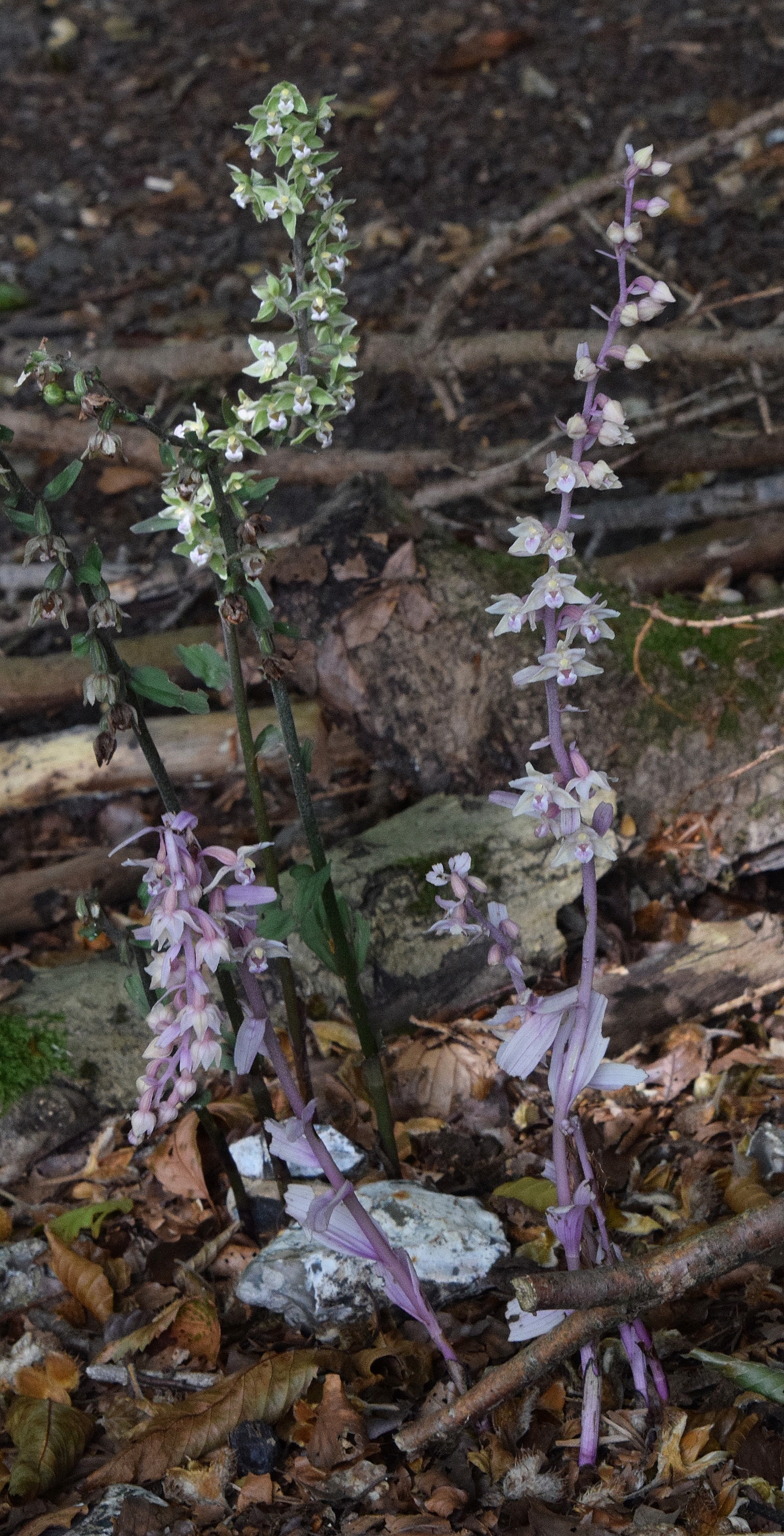
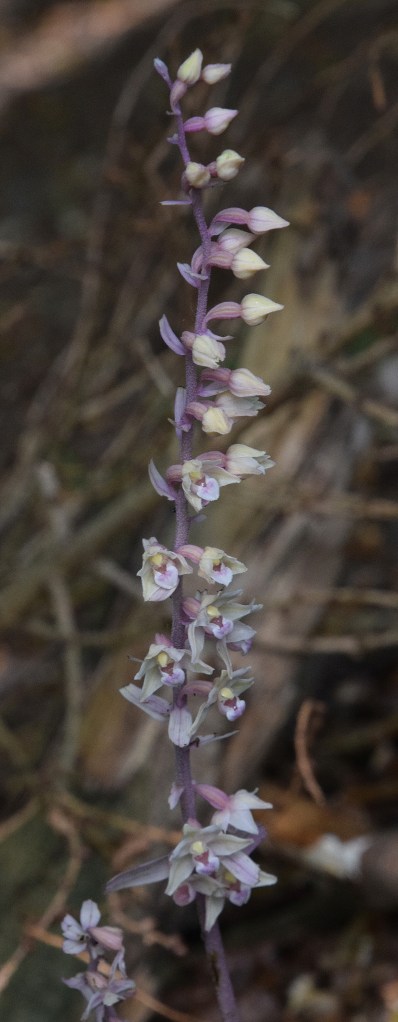
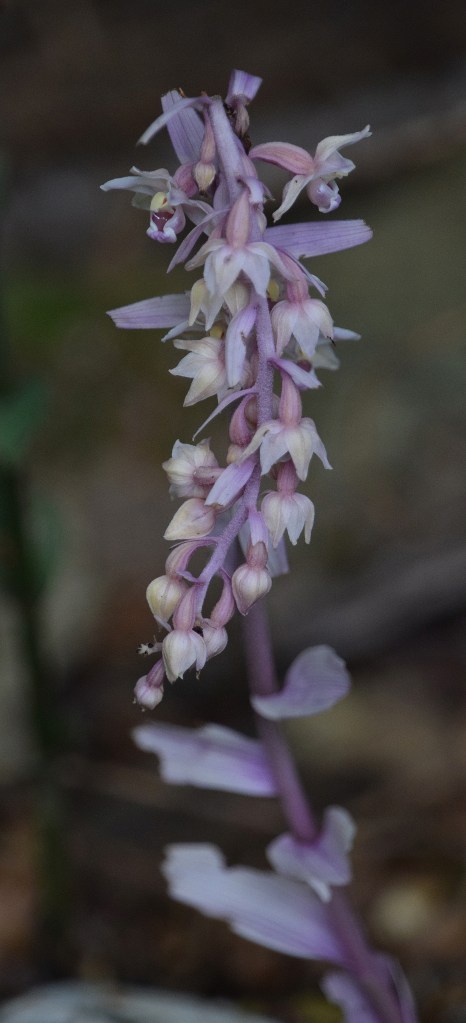
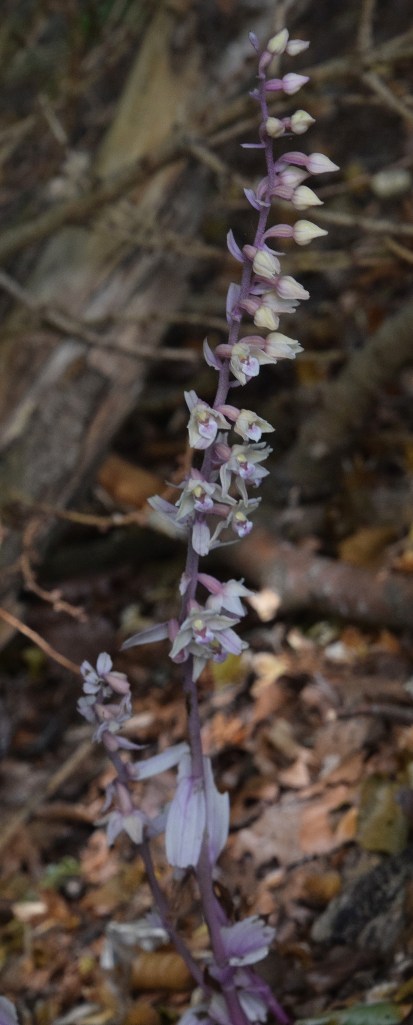
Violet Helleborine var rosea (pictured above, left) is bright pink and white-toned, typically growing to around 40 cm though it can reach up to a metre in height; blooming in July and August. The quite exotic appearance is due to lacking in chlorophyll and this is therefore one of such other wild plants that depend on a relationship with mycorrhizal fungi (see here) in the soil. Our first plant was a twin-stemmed example, one much taller than the other, and there was another close by that had sustained mollusc damage and so was bent in two. This group was directly in front of a similar sized one of regular Violet Helleborine (above right).

The setting as in so many Chilterns AONB locations was absolutely stunning. By agreement with my guide and his own source I cannot name it herein, to safeguard the highly vulnerable entity just described. As we walked back through the sublime and evocative approaches to the woodland in question, I reflected upon a past week of public disorder across Great Britain. Just what I joked were we doing out in such a beautiful wild landscape, when we could be rioting, hurling rubble at urban buildings and law enforcement officers, and setting emergency vehicles ablaze? I know what my preference is!

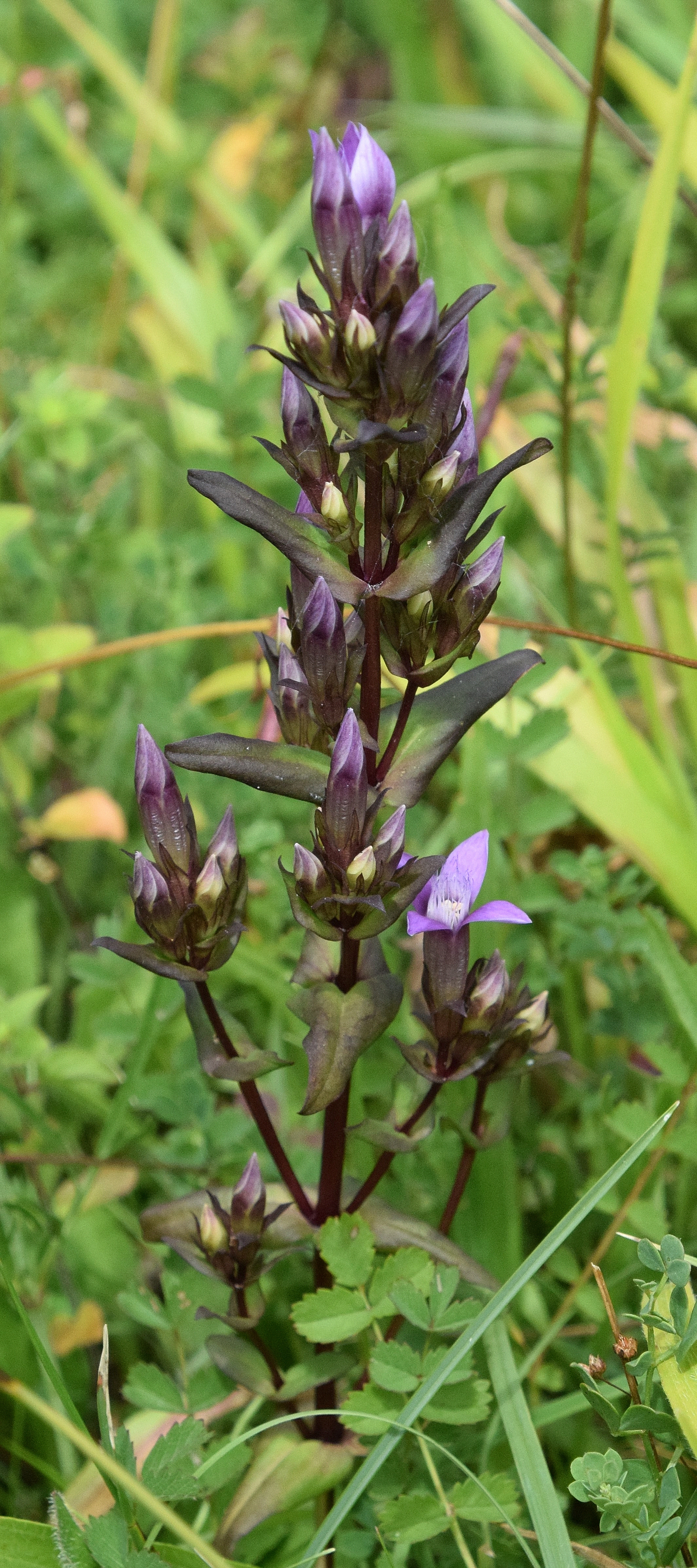
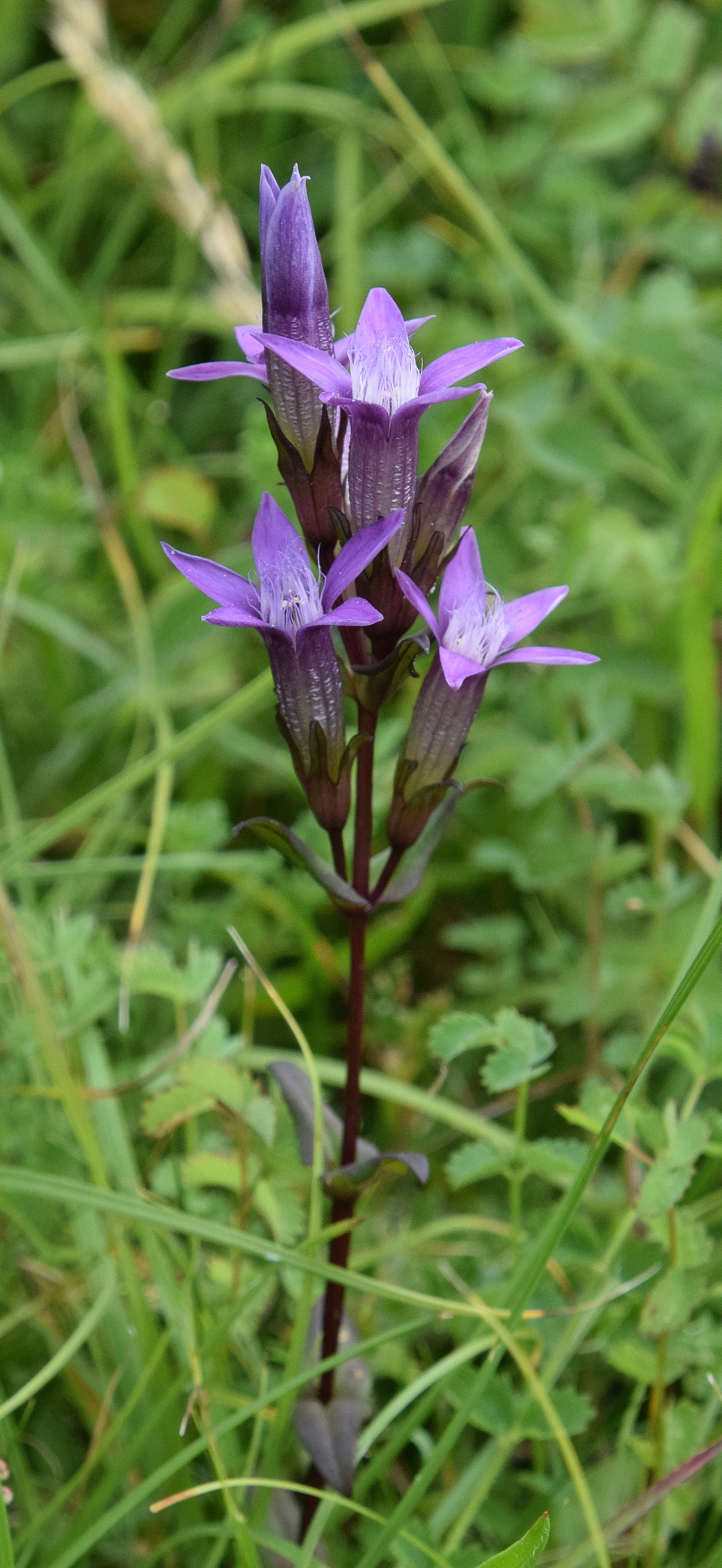
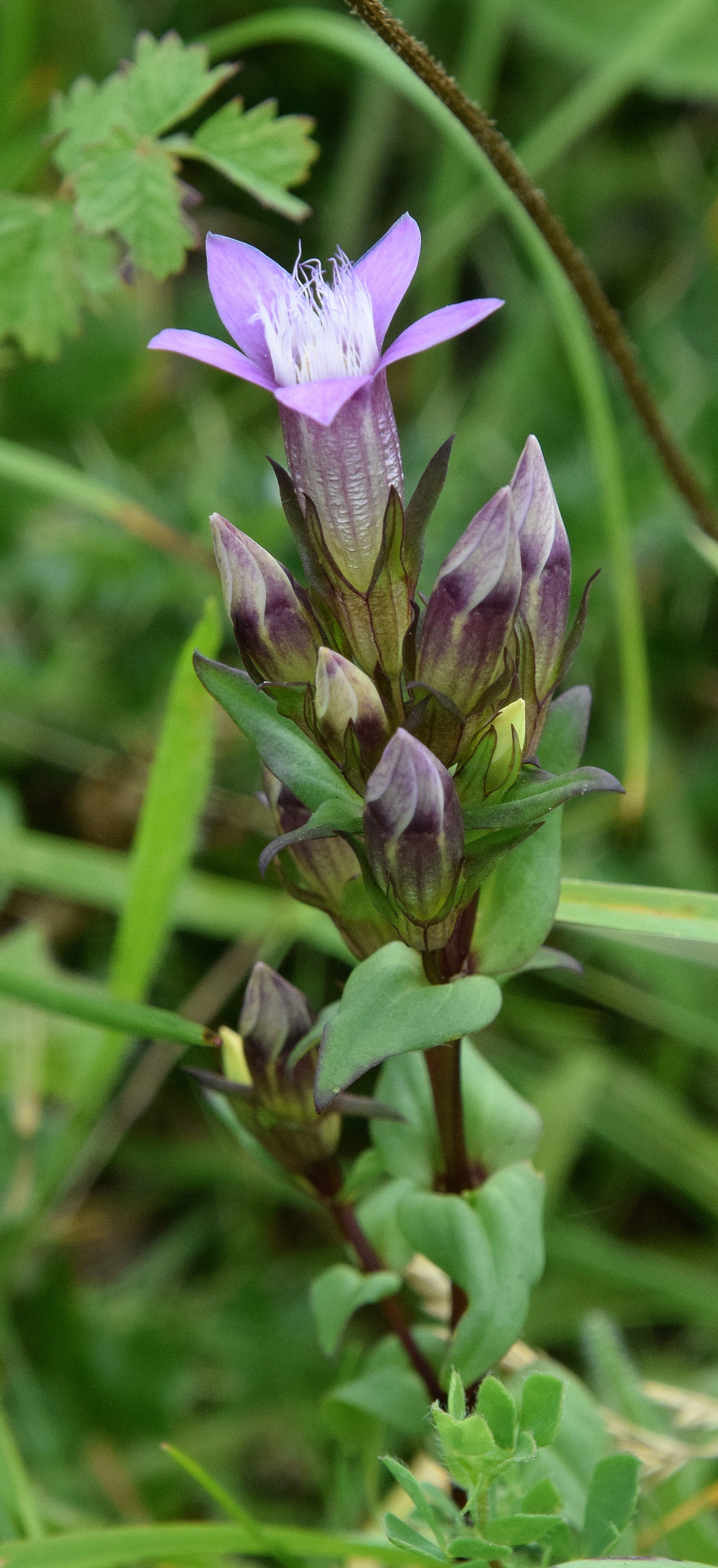
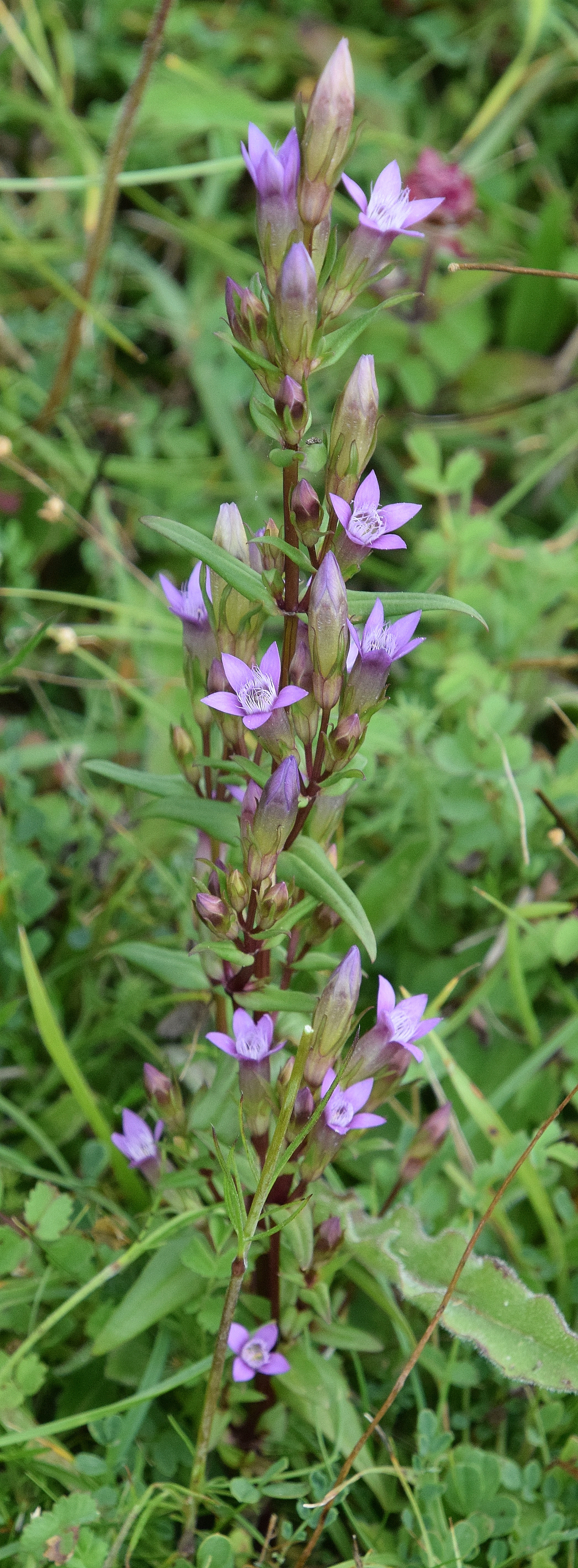
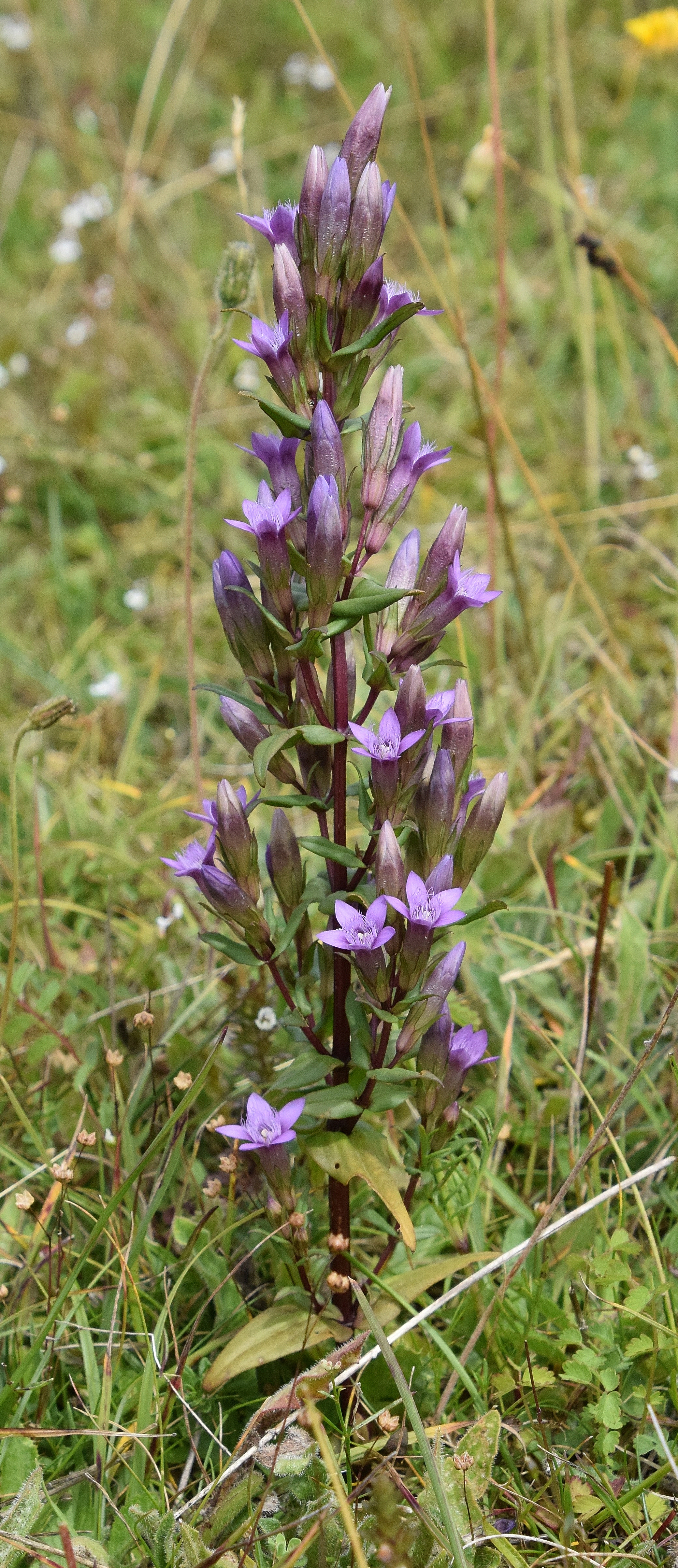
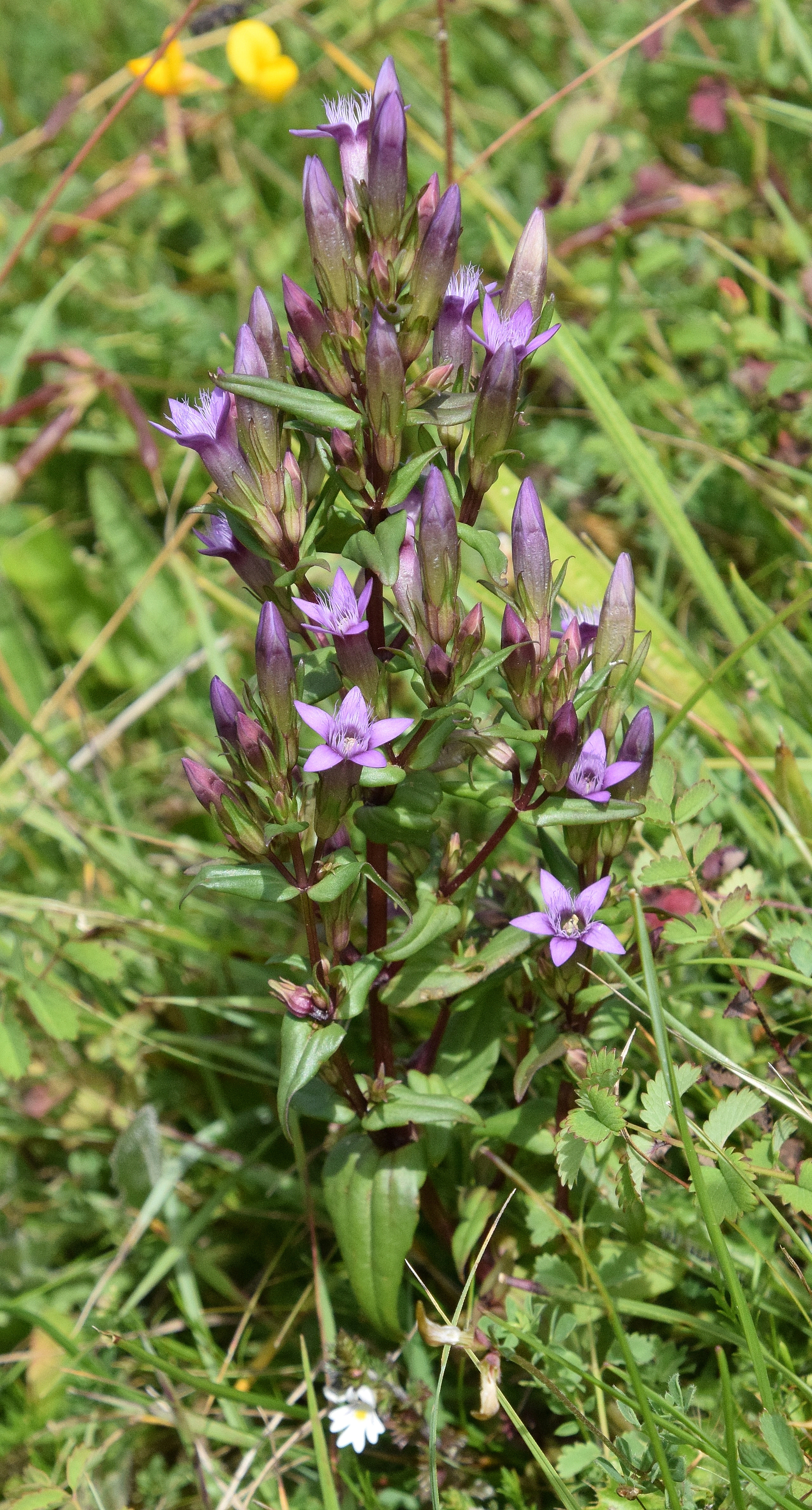
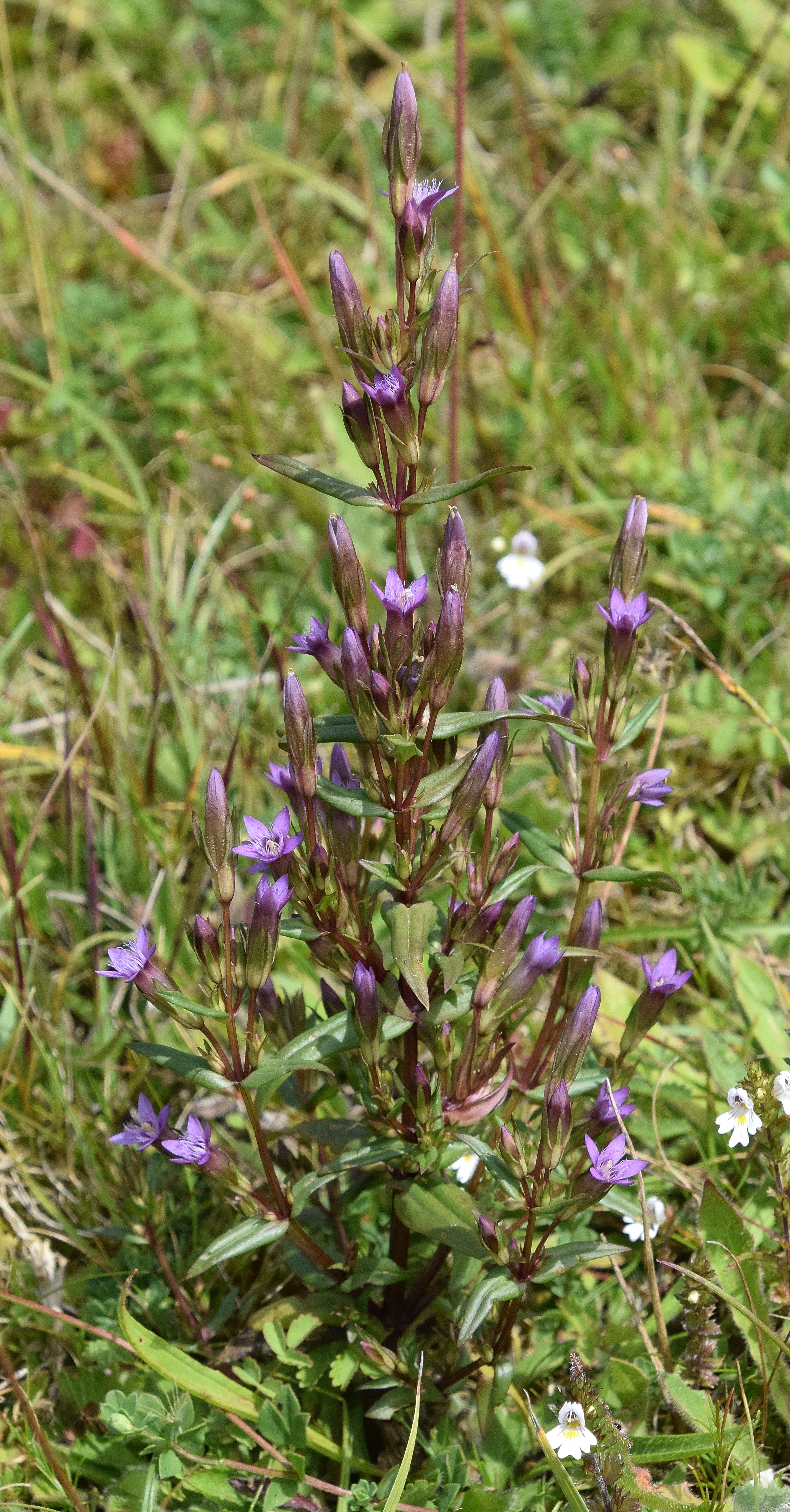
Heading homeward we next called in at Aston Rowant NNR (S) to see how its renowned populations of Autumn and Chiltern Gentian on the south facing slope of Bald Hill (SU722960) had benefited or otherwise from the wet spring and summer just past. A year ago in the same place I had enjoyed a tutorial on telling these two species apart (see here) from another county colleague, the inestimable Wayne. This must be a good season as there were very many of the plants along the hillside, amongst which I found some of the iconic Chiltern Gentian (pictured below) in the same places as before.

Chiltern Gentian (above) and probable Chiltern X Autumn hybrids (below)

The examples in the second sequence (above) are, I believe hybrids which are also frequent where the two species co-exist. In non-scientific terms I would describe pure Chiltern Gentian as being larger flowered with ‘fluffier’ white centres. That much-sought wild plant is the county flower of Bucks. The Oxon title holder is Snakes-head Fritillary (see here and here), and for Berks Summer Snowflake. For a full check-list of British county wild flowers see here.

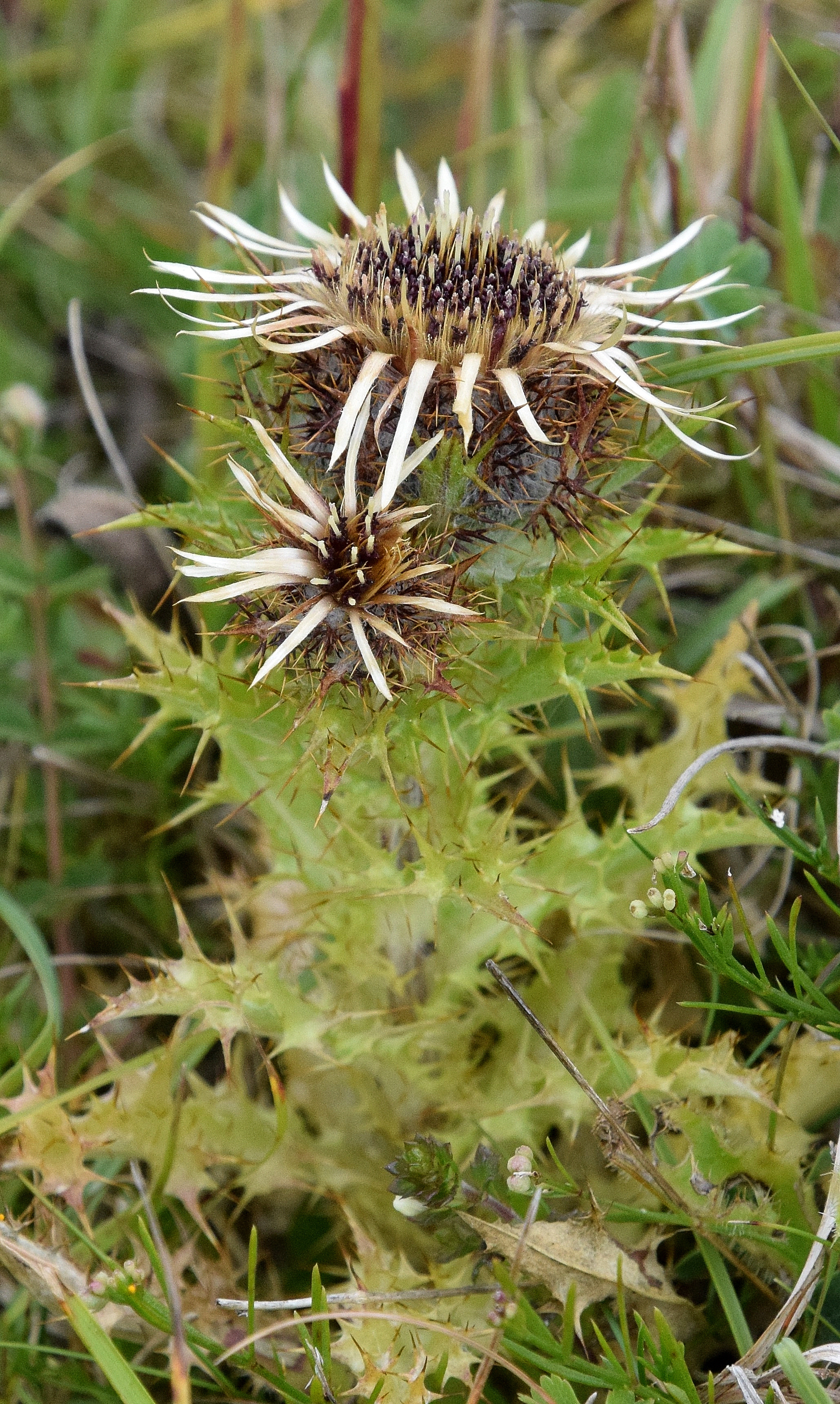
Another plant of interest at the ever-rewarding Bald Hill today was Carline Thistle, that I have often encountered in the past when butterflying. A biennial of calcareous grassland and other habitats, this enigmatic item is moderately abundant though localised across much of England and Wales; blooming from July to September. Its distinctive brown and gold blooms resemble daisy family plants such as Asters, but the most assuredly thistle-like foliage has wavy, spined margins (pictured below). The dry, often clustered flower heads appear to be gone over even when they are young and fresh; and can persist into the following spring.

Carline Thistles

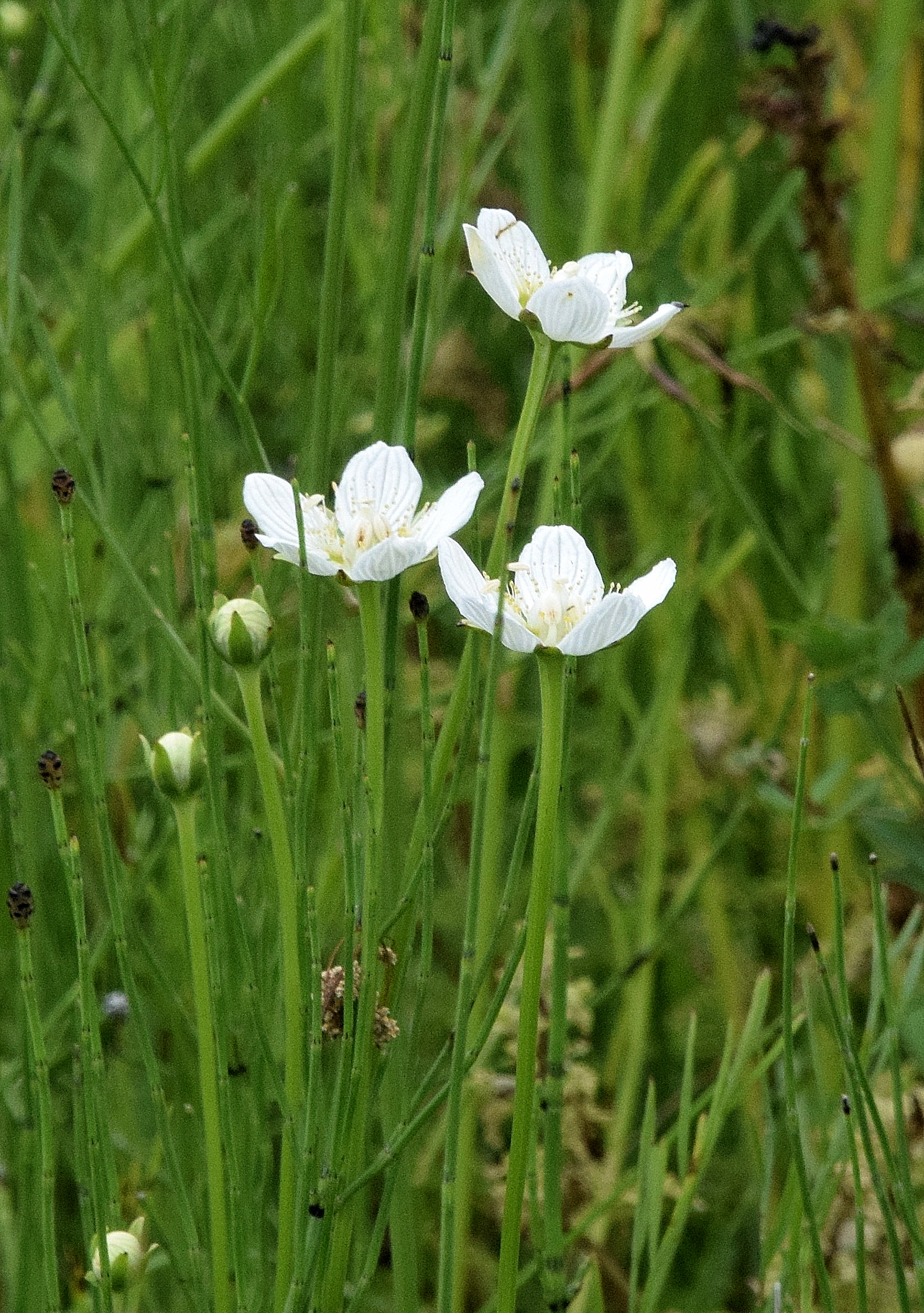
On our second stage homeward we took the opportunity to observe Grass of Parnassus, considered by some sources to be amongst the most attractive British wild plants, that flourishes at one of its most southerly national locations within the City of Oxford itself. People visiting the remnant fenland LNR of Lye Valley in Headington (OX3 7HP – SP547058 – see here) generally agree that to do so is like entering another world or alternative dimension. As always the sense of inner peace and tranquility that settled upon us as we re-trod a now familiar route, rendered it difficult to remember we were still in a bustling city. Just a few hundred metres away were roads, noise, traffic fumes and the hullabaloo of humanity in collective discord. Yet here barely a man-made sound, other than one of the volunteer work parties which maintain the place so excellently, reached our ears.

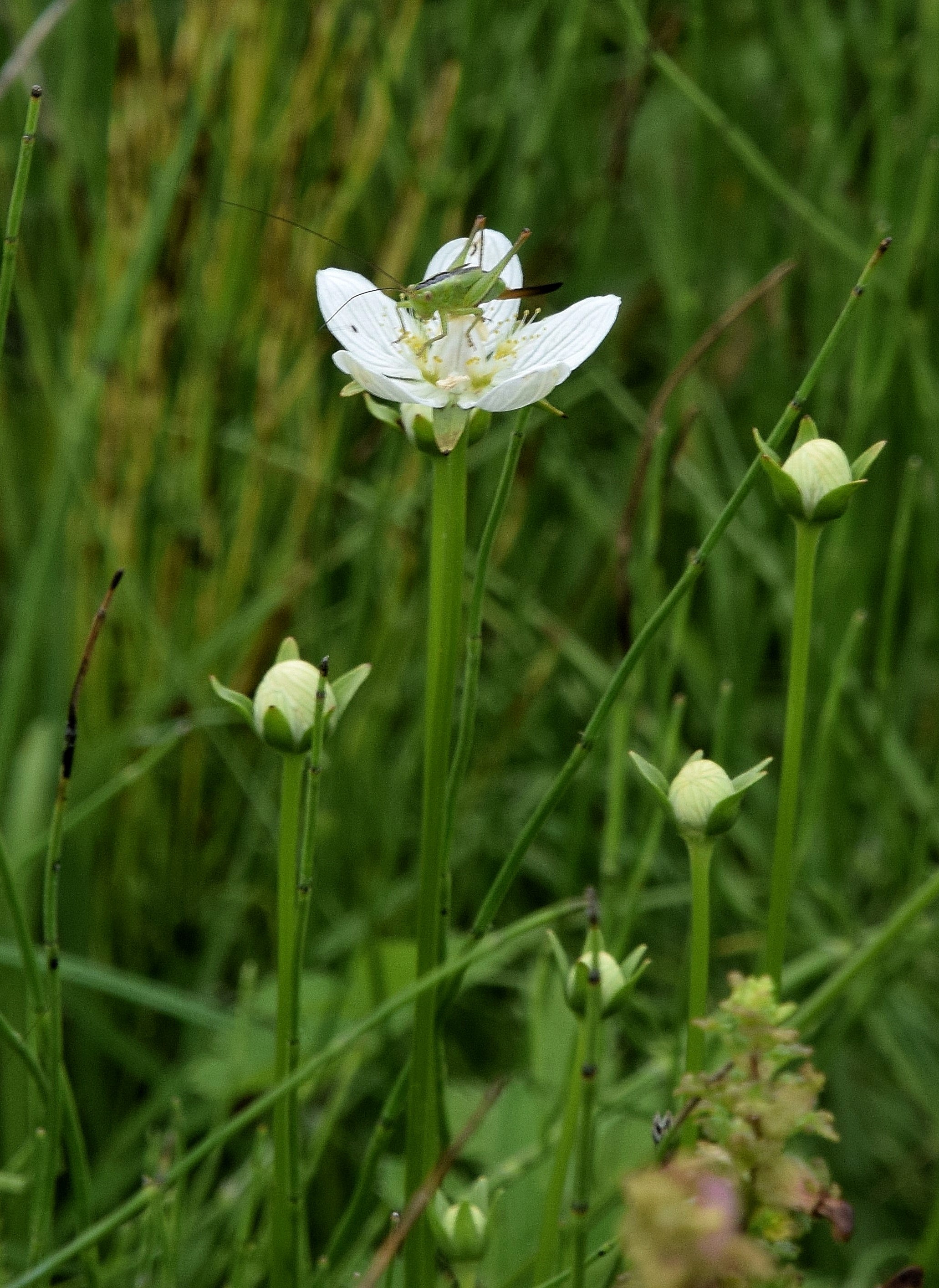
Our quest announced itself in relative profusion, stretching away and upward from a boardwalk that winds through the valley bottom, at the end furthest from the entrance. Visitors are asked not to go into the fen itself or allow dogs to do so. Grass of Parnassus is not a grass at all, but a buttercup-like, though creamy-white perennial of wet places. The grassy epithet possibly comes from green streaking on each flower’s five-petals. Any historic association with Mount Parnassos in Greece is less clear, since the plant is actually rare in southern Europe.

This post’s third subject is locally abundant in areas of Scotland (see here), northern England and north Wales, where it thrives on wet moors, in damp pastures and marshes, upon both acid and calcareous substrates. Further south it becomes much rarer, being confined to remnant habitats such as Oxon’s calcareous fens. It was first recorded in Oxford in the sixteenth century, but is thought to have occurred in the Lye Valley ever since the Ice Age. Another world indeed! Grass of Parnassus is one of 22 different items on the county’s Rare Plants Register (ie at less than 10 sites and threatened) this remarkable piece of habitat holds, amongst 118 species also classified as “important wetland plants”.

Focusing my binoculars, then my camera upon the formerly unobserved subjects, I appreciated at once their subtle, understated beauty and particular charm. The new experience and its setting offered a fitting finale to an intriguing and highly satisfying day. Thinking back to my earlier wandering of mind: hatred … intolerance … pointless aggression … mindless destruction? Such options are not for me, some of the perpetrators are already in prison, and more will be soon.

Probable breeding of Lesser Emperor dragonfly in Oxfordshire, and my first British sightings – 24 & 26th July

Amongst annually occurring migrants from mainland Europe, one dragonfly is enjoying an especially good 2024 in my home county. Lesser Emperor (Anax parthenope) is common throughout southern Europe, with a long flight season from March to November, becoming progressively scarcer further north. I myself have observed them often enough abroad, but gained pictorial records of them only once since they are not inclined to settle. So when an apparently growing cluster was reported just outside Oxford at Radley Lakes I sensed an opportunity to while away a little mid-summer time.

This dragonfly is a bit smaller and rather more nondescript than the familiar, iridescent blue and bright green Emperor (Anax imperator) of any English summer. In males the waisted abdomen is dull brown with a black line running up the centre and a distinctive, pale blue saddle near the top; as our county recorder’s flight study from Radley (below) shows. The thorax is a greener-toned brown, and the eyes green. Lesser was first recorded nationally in 1996, with breeding first proven in Cornwall three years later. Since then sightings have become progressively more frequent as far north as Orkney, and further scattered breeding sites have been identified.

Lesser Emperor (male) @ Radley Lakes © and courtesy of Stephen Burch

In the present season the first Oxon record, at Eynsham on 29th May (see here) caused quite a stir. Being a teneral it was considered to be a likely product of local breeding at any of various former gravel pit sites with restricted access in that area to the west of Oxford. Next, on 14th June a mature male was observed in the Standlake area of the Lower Windrush Valley GP complex (here). Then 10 days later came a first sighting from Radley Lakes, south of the city. By 21st July, two males and a tandem pair were being reported by Wayne and others from that historically productive location.

Hence on 24th I went to seek an added item for my near complete British dragonfly list. Arriving early at just after 9am, I set up at the Thrupp Lake (SU521975) watchpoint where most sightings were coming from and waited for a conversion as the day warmed up. There I practiced camera settings upon marginal vegetation on the off chance that a still cool subject might settle, and at 9:43 a Lesser Emperor flew into view out on the lake. The diagnostic blue saddle was clearly visible before the insect moved inshore and out of sight, so that was job done. I then checked a sunnier spot on the eastern side to find a regular Emperor was patrolling there, and hence concluded I was better off where I had started.

Scanning with binoculars I watched another territorial scuffle on the southern shore, and so hoped the eastern watchpoint would offer a hassle-free locality for the migrant. Other observers joined me, including the county recorder and Wayne, but that early sighting was as good as things got. At intervals large, dull-toned dragonflies would drift into view without another PI, and always to be chased off by an Emperor; the latter being highly territorial and aggressive. As the morning progressed conditions clouded over, a timely reminder of the frustrations of insect watching, and so we all left by midday.

Whilst I was thus engaged more tandem pairs were posted on Facebook by an unknown observer, from Pinkhill Meadow, Farmoor. That needed to be checked out since there was a spoof dragonfly sighting from the reservoir in the recent past, of an orange teneral Scarce Chaser. But once the county recorder clarified and down-sized the record there was only one place for me to go on a partly sunny Friday morning (26th). Ahead of arriving on site I could not remember the last time I had visited that long-time stomping ground, but on this day there was scope for evolving through new Odonata. That process was to be no easier this second time around than two days earlier

When I reached the Pinkhill hide (SP 440066) at around 10am Ian was there ahead of me, and soon afterwards called a first male Lesser Emperor that I couldn’t pinpoint. He also gained an indistinct but clearly diagnostic record shot that proved the earlier report was neither a hoax or mis-ID. We were shortly joined by a relieved county Odo recorder, and the three of us waited for around an hour while the grey stuff mostly enjoyed the upper hand over the sun. At one point a family of Water Rail emerged from right in front of our vantage point, the first time I can recall observing the fluffy, black chicks; and a Tufted Duck brood added to the “aaaw factor” out on the water.

A lot of Odo were active in the area before us – regular (or Blue) Emperor, Black-tailed Skimmers, a Brown Hawker, Darters and Damselflies – so why was my quest being so elusive? Then at 11:30 the male Lesser Emperor came into view again, and this time I made a good PI as it hovered in the middle distance. Shortly afterwards there was a second, closer fly-by so thus I had the sightings I sought and appreciated things were not likely to get better. There had also been an intervening call of a possible tandem pair, all of which strengthens the case for probable local breeding.

To the end of July further records issued from several more county wetlands: LWV Standlake Pit 60, Otmoor, Bodicote Reservoir near Banbury, Tar Lakes near Witney (see here), and Dorchester GPs. This dragonfly story seems likely to develop further in the current season given its subject’s extended flight period, but for now I have topped up my British dragonfly tally with a very agreeable optional extra.

I self-find Green-flowered Helleborine in Bucks as my Orchid season winds down, with Glos Narrow-lipped and Oxon Marsh Fragrant: 15 – 19th July

Options for evolving through Orchids are diminishing now. At this stage of proceedings, as a year earlier my attention turned to the specific group of Orchidae known as Helleborines, of which three previously unobserved species were available to convert within sensible range. After recording two of those for the first time earlier in this week I at first concluded they are connoisseur items best left to hard core Orchid hunters and dedicated patch workers. But my eventual experience softened that stance when I self-found one of them at a BBOWT reserve.

The uncommon and unobtrusive Green-flowered Helleborine grows in Beech and other woodlands or coastal dunes, on calcareous and sandy soils. A cluster was reported on Facebook at BBOWT’s College Lake headquarters (HP23 5QG – SP935139 – see here) on 13th. On my visit there six days later it turned out that had been in a non-accessible area, but fortunately I engaged with a volunteer whose role is to show people around the reserve. He led me out to a likely spot and after some searching was the first to locate a specimen at the trackside. With our eyes now in, between us we then noticed three more plants that were all in pristine condition.

Green-flowered Helleborines at BBOWT College Lake

My research when reading up on this species a few days previously had suggested the flowers can appear to be almost permanently in bud, opening only partially to reveal a paler green lip sometimes flushed with pink. This cluster (pictured above) contradicted that since the flowers were all fully open. It was in fairly deep shade, so each plant was shorter with fewer blooms than is typical when GFH occurs in more open woodland. Having posted this on Facebook to seek confirmation of the ID, I was told by other group members there are various places on the reserve where this Helleborine might be found.

On my way to College Lake I stopped at BBOWT Aston Clinton Ragpits (SP888107) to re-visit the Broad-leaved Helleborines observed there last year at the woodland edge near the reserve entrance. It must be an intermittent species since only two were apparent this time, both in bud. But wandering at random into the Ragpits themselves I encountered some attractive var alba Pyramidal Orchid (below).

Pyramidal Orchids var alba at Aston Clinton Ragpits, Bucks

Things had got going on Monday 15th with another day trip to the Gloster Cotswolds, courtesy of Ewan whose local colleague Duncan had invited us to view two scarcities he had found at a site he surveys regularly. My research suggests Green-flowered Helleborine is variable in appearance and prone to appearing then vanishing at known sites, then re-occurring in unexpected nearby places. Numbers within usually small colonies may vary from year to year according to wetness, so this season must be a good one! The examples viewed on that day (pictured below) were a more typical height of up to 40cm, with each stem carrying well-spaced leaves and up to 20 closely clustered and barely open flowers.

The enigma that is Green-flowered Helleborine at the Glos site, and Narrow-lipped (far right)

Trickier still and greatly declining across its highly localised national range, Narrow-lipped Helleborine is a short-lived and self-pollinating deep shade lover that cannot tolerate direct sunlight. It blooms for around 10 days only in July and August, being particularly associated with Beech trees on calcareous substrates. The skinniest of the three Orchids viewed today, it may reach 70 cm or more in height. The drooping, well-spaced and very open flowers are yellow to olive-green in tone with no trace of the closely related Broad-leaved’s violet or purple hues. That is if such detail can be made out then captured in the preferred gloom such as we encountered them in.

Our guide told us they occur at more Cotswold sites he surveys, but the two at this spot were his only finds this season. Others in the vicinity had fallen foul of mammal browsing. The survivor (pictured above, far right) is what I would describe as challenging. Proper photography must require artificial lighting to capture such a subject adequately. The record shot is the best I could gain in the circumstances, using my phone. See here for an apt pictorial appreciation of the conundrum concerned.

Having learned all these complexities in writing up this post, the reaction was to opt out of my original July plan of seeking such quests locally at historic locations. Since both the easily overlooked plants are vulnerable to disturbance and particularly trampling, by agreement with our inestimable host who had self-found them I cannot reveal their precise locations herein. I will admit to not being swept off my feet by either of the rather unsubstantial-looking pair, but they are scarce and difficult to find Orchidae that I had not seen previously, so their rarity value must carry the day.

At the start point of our walk were far more plentiful Broad-leaved Helleborine (pictured below) of an atypical deep red-flowered form. They were rather more the ticket for me visually and still in a quite early stage of blooming. It was only my second record of another erratic and declining species, including this tonal variant, that I had observed a year ago at Aston Clinton Ragpits (see here).

Broad-leaved Helleborines

I next considered going for Dune Helleborine, a similar and as short-lived, but taller species to Narrow-lipped that has occurred at a one-off inland location in Warks since 2017 (see here). But less than enthusiastic advice from a top level contact of Adam suggested it might not be worth doing as the site has become poorly managed so the fragile colony is barely clinging on. Just four stems there had been in bloom for over a week with no mention in our Facebook group, so maybe others agree. This post’s comment certainly does.

With these successes it remained to check Oxford’s own fens for Marsh Fragrant Orchid, following on from my recent first experience of them in Hants (see here). The first to be reported from BBOWT Dry Sandford Pit (OX13 6JW – SU467997) for three years had been posted on Facebook and Ian tracked it down over the previous weekend (pictured below, left). Then Ewan visited on 18th and located a whopping 30-plus plants in another part of the fen, more than Wayne could ever remember at the site.

Marsh Fragrant Orchids at Dry Sandford Pit, Oxon

I therefore met Ewan there on Friday morning (19th). He led me along a newly trodden way through the fen and before us were indeed a large quantity of MFO, whose fragrance filled the air all around. I have been to the reserve many times over the years but had never dared to venture into this part of the seriously off-piste habitat. Now others had done so ahead of us as the way through was clear. So perhaps this significant cluster has gone unseen over the aforementioned three year interval, during which BBOWT had in any case blocked access to the fen … who knows?

This post’s new records bring the total of Orchids I have observed in the British Isles to 39, including three notable hybrids. Early Spider Orchid next spring, that I was too slow off the mark to convert this season, could round that up to a suitable stopping point perhaps. But these highly motivational wild plants neither only come out when the sun shines nor fly away just before I get there, so who knows?


Herewith my national Orchid list to date (in running order per my Blamey, Fitter & Fitter Domino wild flower guide, Bloomsbury Publishing, 2nd edition 2013)

  1. Common Spotted Orchid – widespread
  2. Heath Spotted Orchid – Loch Eil, Allt Mhuic reserve, Woodsides Meadows
  3. Early Marsh Orchid – Lye Valley, Parsonage Moor
  4. Southern Marsh Orchid – widespread
  5. Northern Marsh Orchid – Glenroy, Fort William
  6. Chalk Fragrant Orchid – widespread
  7. Marsh Fragrant Orchid – Mapledurwell and Greywell Fens, Dry Sandford Pit
  8. Heath Fragrant Orchid – Allt Mhuic reserve
  9. Pyramidal Orchid – widespread
  10. Early Purple Orchid – widespread
  11. Green-winged Orchid – widespread
  12. Musk Orchid – Grangelands (gone over), Noar Hill
  13. Small White Orchid – Allt Mhuic reserve
  14. Burnt Orchid – Clattinger Farm, Knocking Hoe, Pewsey Downs
  15. Lady Orchid – Hartslock reserve
  16. Lady X Monkey Orchid – Hartslock reserve
  17. Military Orchid – Homefield Wood
  18. Monkey Orchid – Hartslock reserve
  19. Man Orchid – Barnack Hills & Holes, Swaddywell Pit
  20. Lizard Orchid – Oxon site, Berrow Dunes, Sandwich Bay
  21. Common Twayblade – widespread
  22. Frog Orchid – Bald Hill, Morgan’s Hill
  23. Frog  X Common Spotted Orchid Morgan’s Hill
  24. Greater Butterfly Orchid – widespread
  25. Lesser Butterfly Orchid – Allt Mhuic reserve, Pewsey Downs
  26. Bee Orchid – widespread
  27. Fly Orchid – Homefield Wood, Warburg reserve, Cotswold site
  28. Fly-Bee hybrid Orchid – Cotswold site
  29. Autumn Lady’s Tresses – Greenham Common
  30. Marsh Helleborine – Dry Sandford Pit, Lye Valley, Mapledurwell and Greywell Fens
  31. Violet Helleborine – Warburg reserve
  32. Broad-leaved Helleborine – Aston Clinton Ragpits, Cotswold site
  33. Narrow-lipped Helleborine – Cotswold site
  34. Green flowered Helleborine – Cotswold site, College Lake
  35. White Helleborine – Homefield Wood, Grangelands, Aston Clinton Ragpits
  36. Narrow- or Sword-leaved Helleborine – Rodborough, Chappett’s Copse
  37. Red Helleborine – Windsor Hill, Bucks
  38. Bird’s Nest Orchid – Warburg reserve, Pulpit Hill, Colesbourne
  39. Giant Orchid – South Oxon

What remains is either difficult or beyond the distance I would consider travelling to connect with rare birds. I would struggle for instance to raise enthusiasm about miniscule mire dwellers such as Bog, Fen or the much lauded Coral Root Orchids. Likewise Lesser Twayblade or Creeping Lady’s Tresses, purely because they are residual species on a required list. This has been a wonderfully diverting project over the past two summers, but I am missing new and different butterflies to record dreadfully. Whither next?