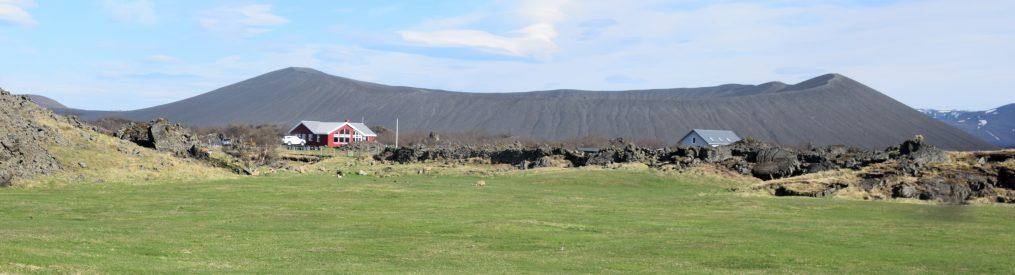
Britain’s earliest flying Fritillary has suffered serious declines and is restricted to dry, sheltered grassland and woodland clearings throughout its range. Various sites are now managed to fuel a recovery for Pearl-bordered Fritillary, and my location of choice has been Bentley Wood SSSI on the Hants / Wilts border (SU264293). This large mixed woodland near the village of West Tytherly is a nationally recognised lepidopterist’s mecca since 35 different species are recorded regularly including every woodland butterfly resident in central southern England. Hence there are usually plenty of visitors here to help anyone find things.
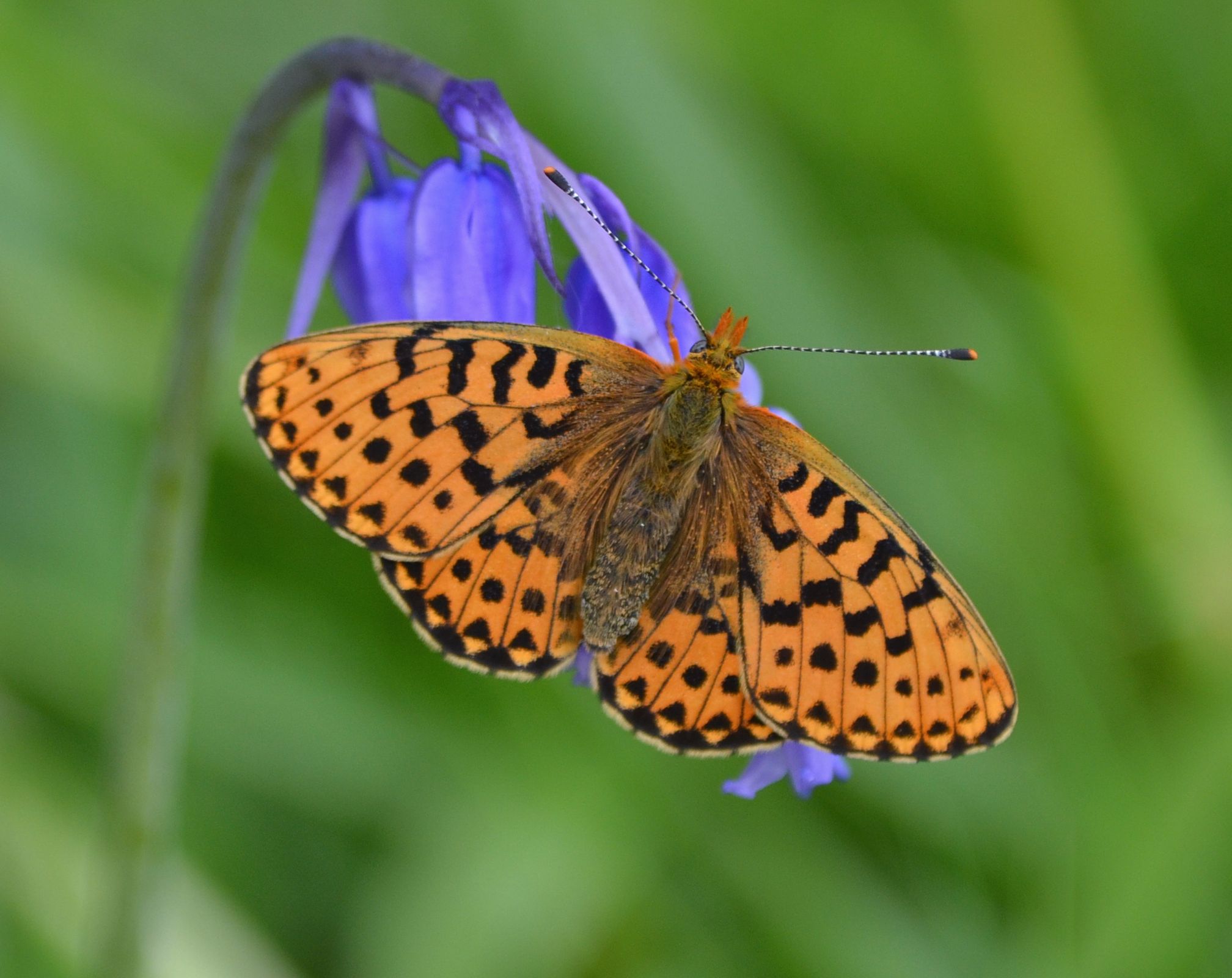
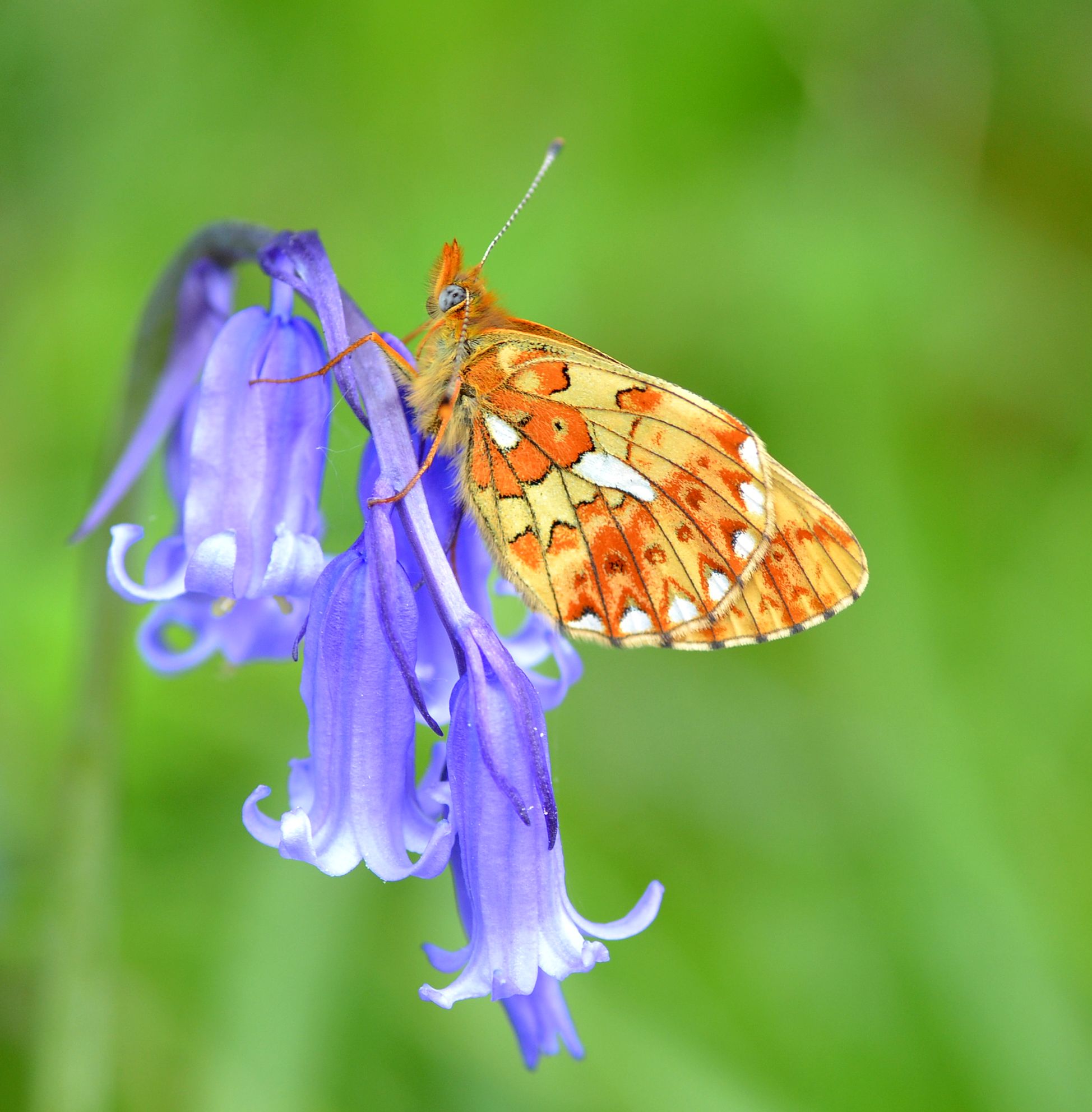
Pearl-bordered Fritillary on Bluebell
My day’s excursion followed three weeks of mainly overcast and often showery weather. Just as there is nothing more inspiring than a sunny hillside teeming with different butterflies, so it gets very frustrating hanging around in changeable weather conditions waiting for the sun to break through and butterflies to appear. That is the downside of insect watching. Worse is when the observer leaves home in bright sunshine to see cloud sitting over a site on approach, and worst of all is when the grey stuff rolls in just upon arrival.
Today was my second attempt at PBF, having visited at the end of April but not seen any on a day when four were recorded. I needed to go somewhere and after yet another “brightening later” weather forecast decided to risk it. The Pearls favour an area called Cowley’s Copse that is usually referred to in field reports as the “eastern clearing”. To one side of the access track to the public car park I saw the tell tale sight of a group of observers crouched low with their cameras. That was it: I parked immediately in a convenient trackside place and went to join them. They had found a mating pair on an English Bluebell (below), and who should be amongst this group but Oxon’s very own and finest Wayne and Julie Bull.
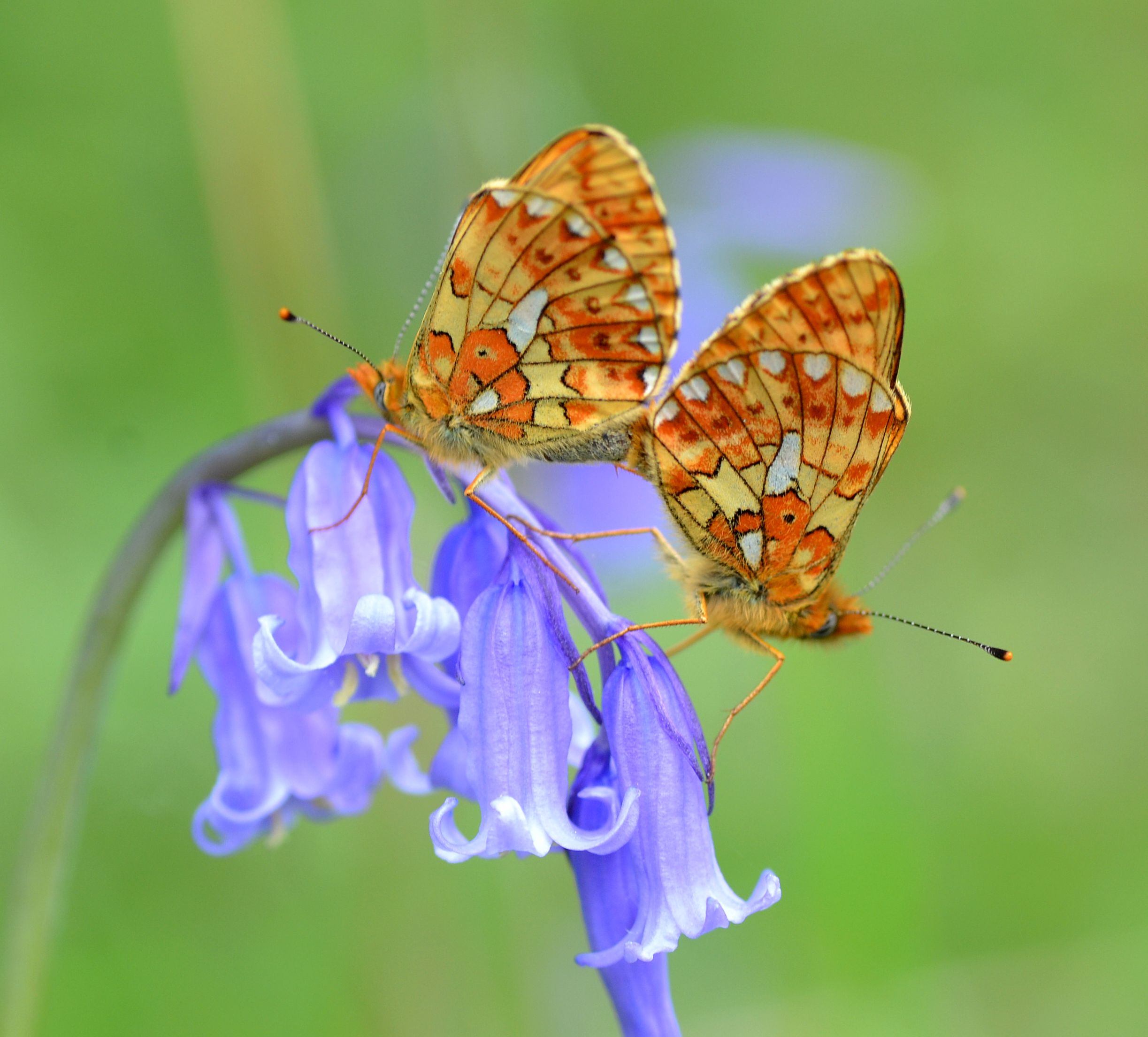
On my previous visits here in 2011 and 2013 I gained good though grassy top wing pictures of PBF but still needed underwing studies. Now with conditions remaining overcast on my arrival and hence too cool for the butterflies to be lively, they kept still and allowed a point blank approach. PBF is so called because of seven silver “pearls” along the borders of each underwing, which these pictures (below) show. The large black dot is another diagnostic.
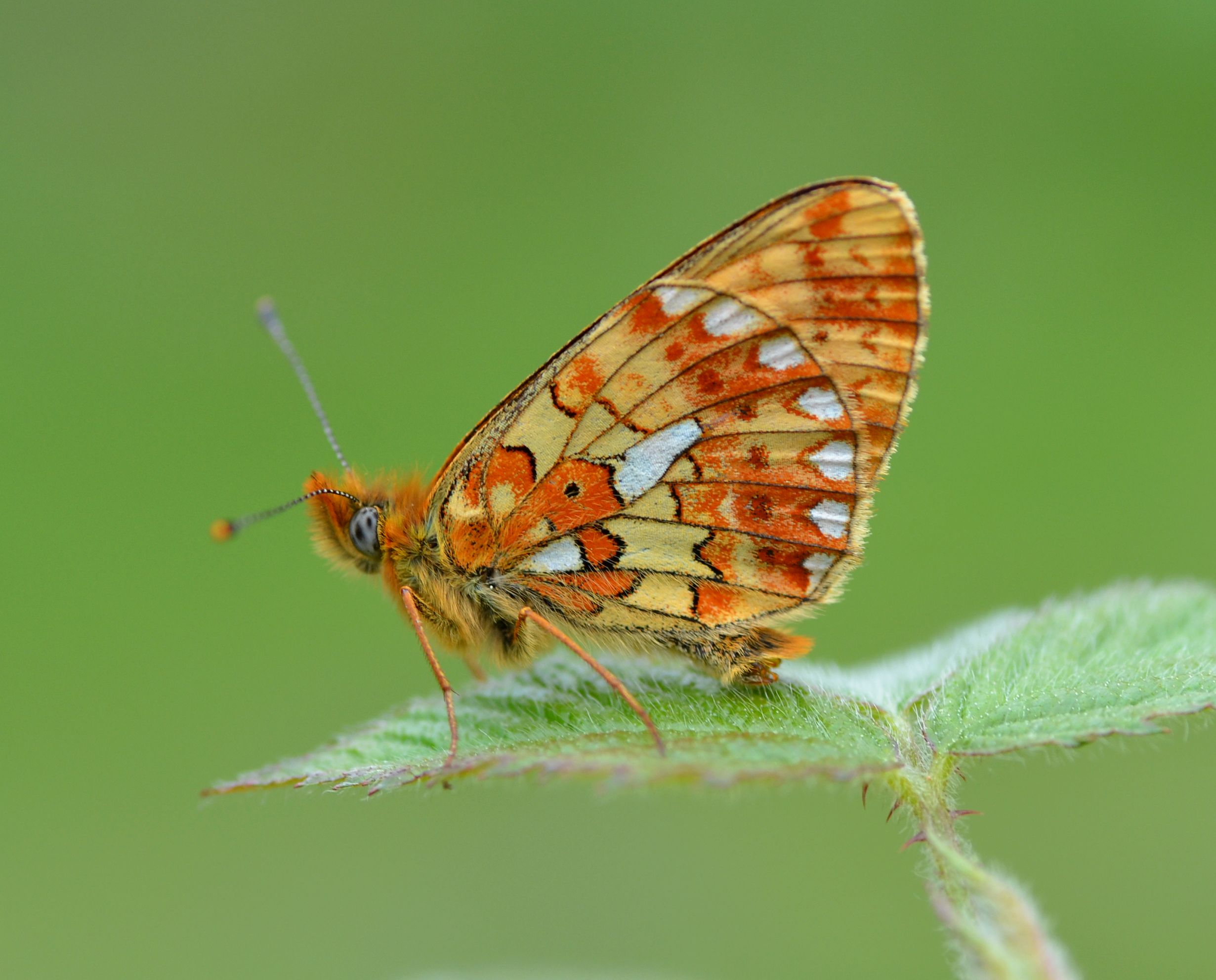
Pearl-bordered Fritillary
Once the pair had finished what they were doing and separated, a photographer moved one of them onto a more artistic perch that he had set up. I wouldn’t dream of such tricks myself (toggers!) but have to say I am very pleased with the outcome (below). Mission and a premium collection photograph having been accomplished so quickly and easily, I didn’t feel inclined to trawl the still overcast forest clearing for more species and so took the opportunity to visit other sites through the afternoon.
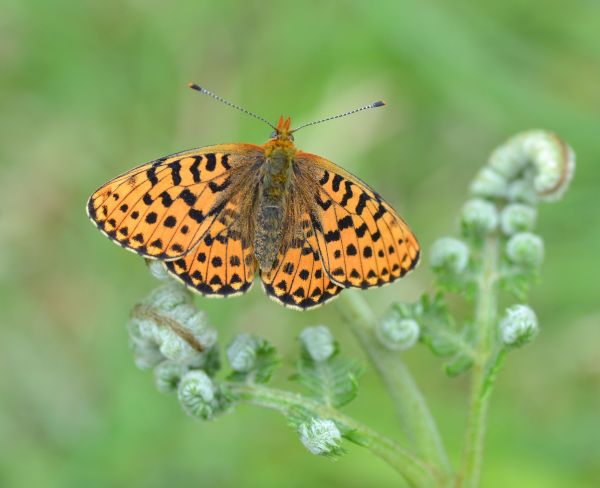
Pearl-bordered Fritillary
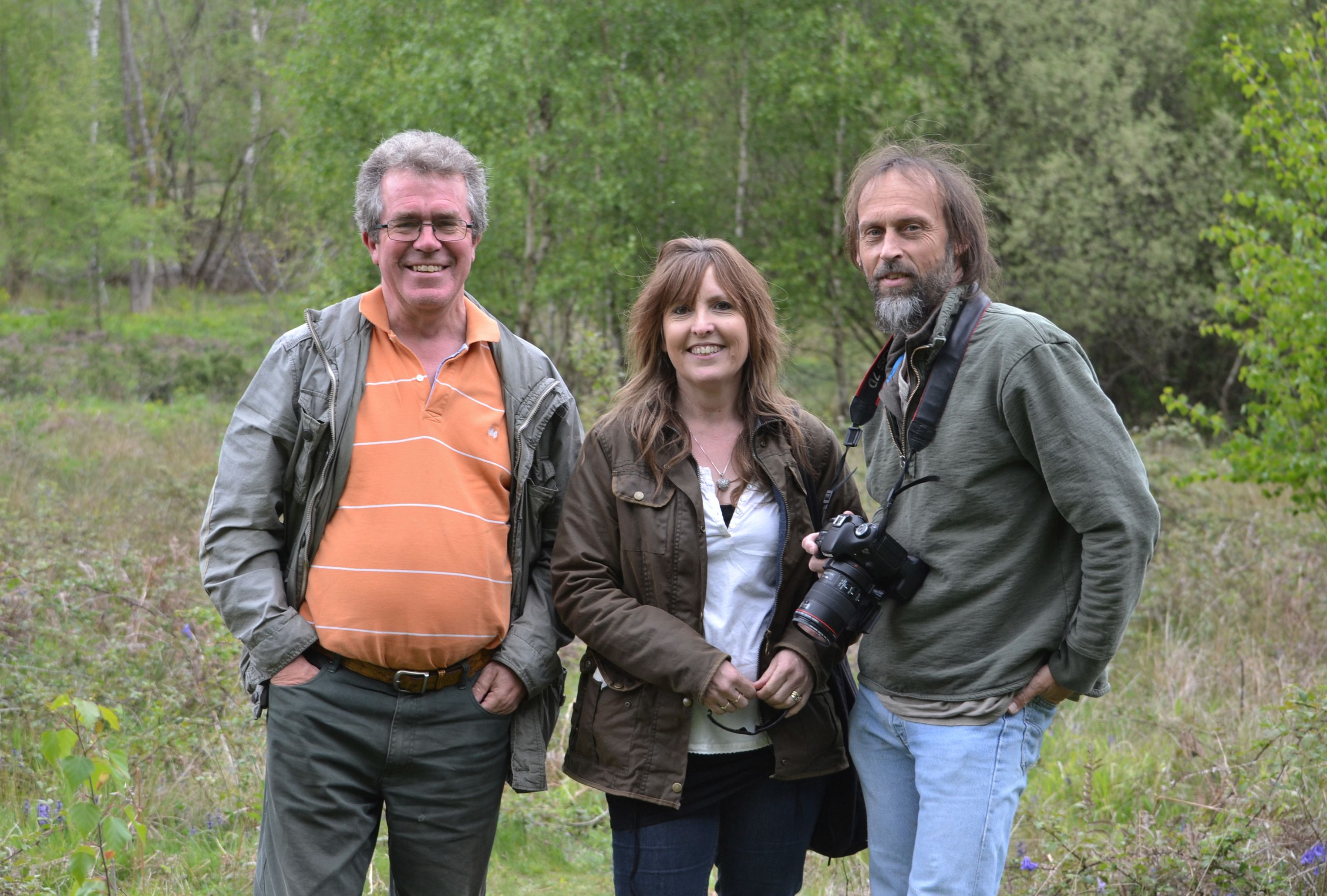
Me, Julie and Wayne
My first stop was the nearby Danebury hill fort (SU323377) for a bit of history, as is my wont. I don’t know whether this has any particular claims to butterfly fame, but being a previously unvisited iron age site in the Wessex area I wanted to give it a once over. Hill top ramparts are often good for butterflies because of the shelter they provide and when the sun cared to show itself so did several common species. It was an impressive location with lots of suitable butterfly habitat, one I thought worth a future visit to see what is there.
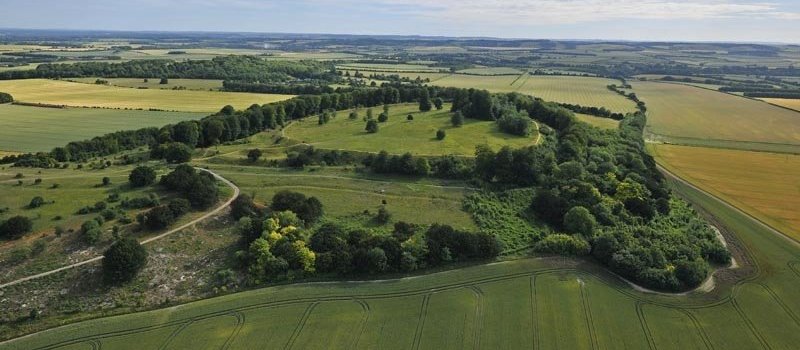
Danebury Hill, Hants
Then it was on to Butser Hill (SU713206) on the South Downs near Petersfield, Sussex. Having left my planned second visit here to the late afternoon, the brightening forecast materialised and I was rewarded with perfect butterfly conditions. As on 20th April I concentrated on Rake Bottom, a deep dry valley on the western flank of the highest point on the chalk ridge of the South Downs. Walking in from the top end then down along the valley bottom, I quickly began to see Grizzled Skipper but these all looked well worn compared to that first visit.
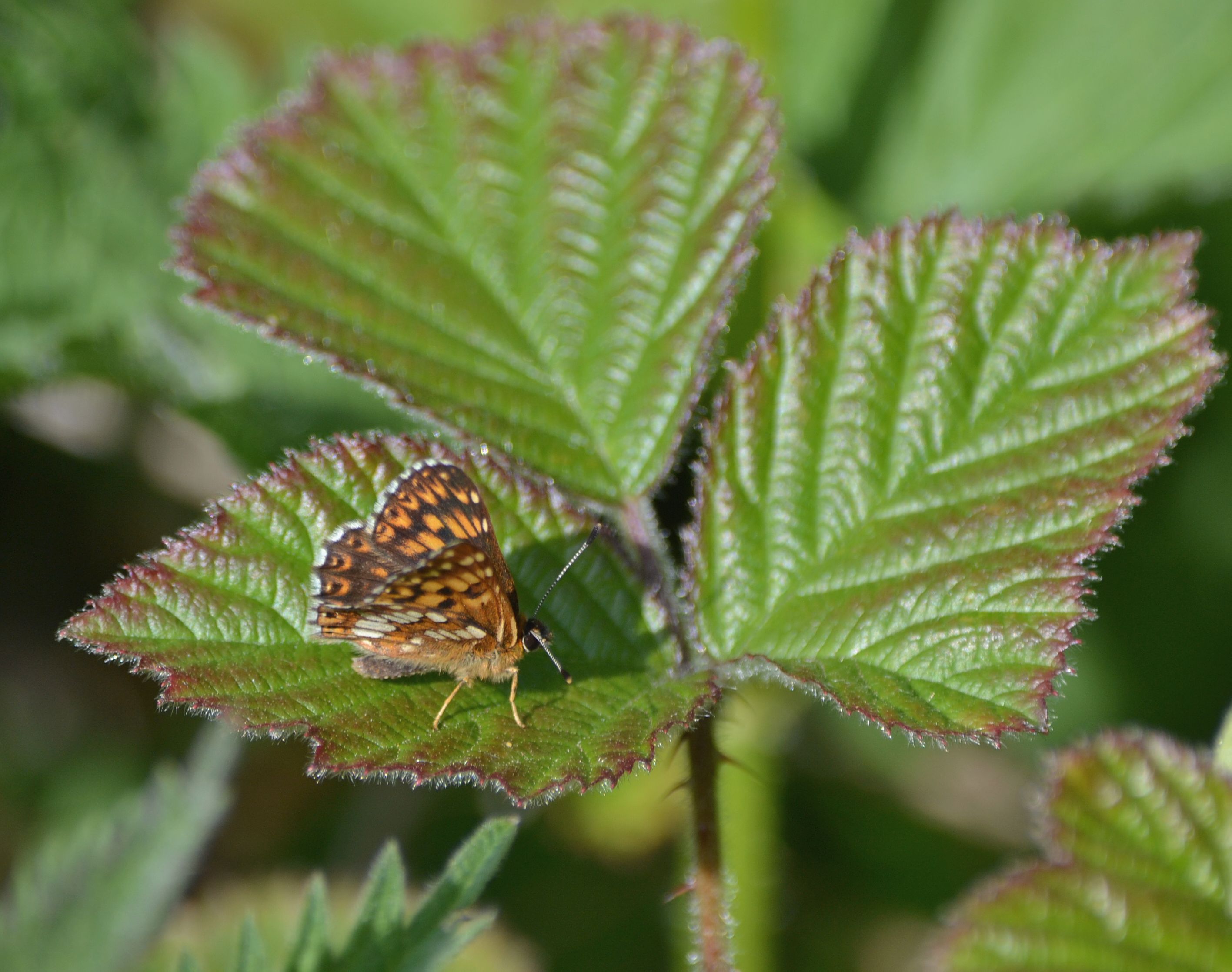
Then I began to find Duke of Burgundy that were flying in good numbers. I knew that Butser Hill was a site for this threatened species, but not that Rake Bottom was the spot for them until now. They were present in low scrub all along the valley floor.
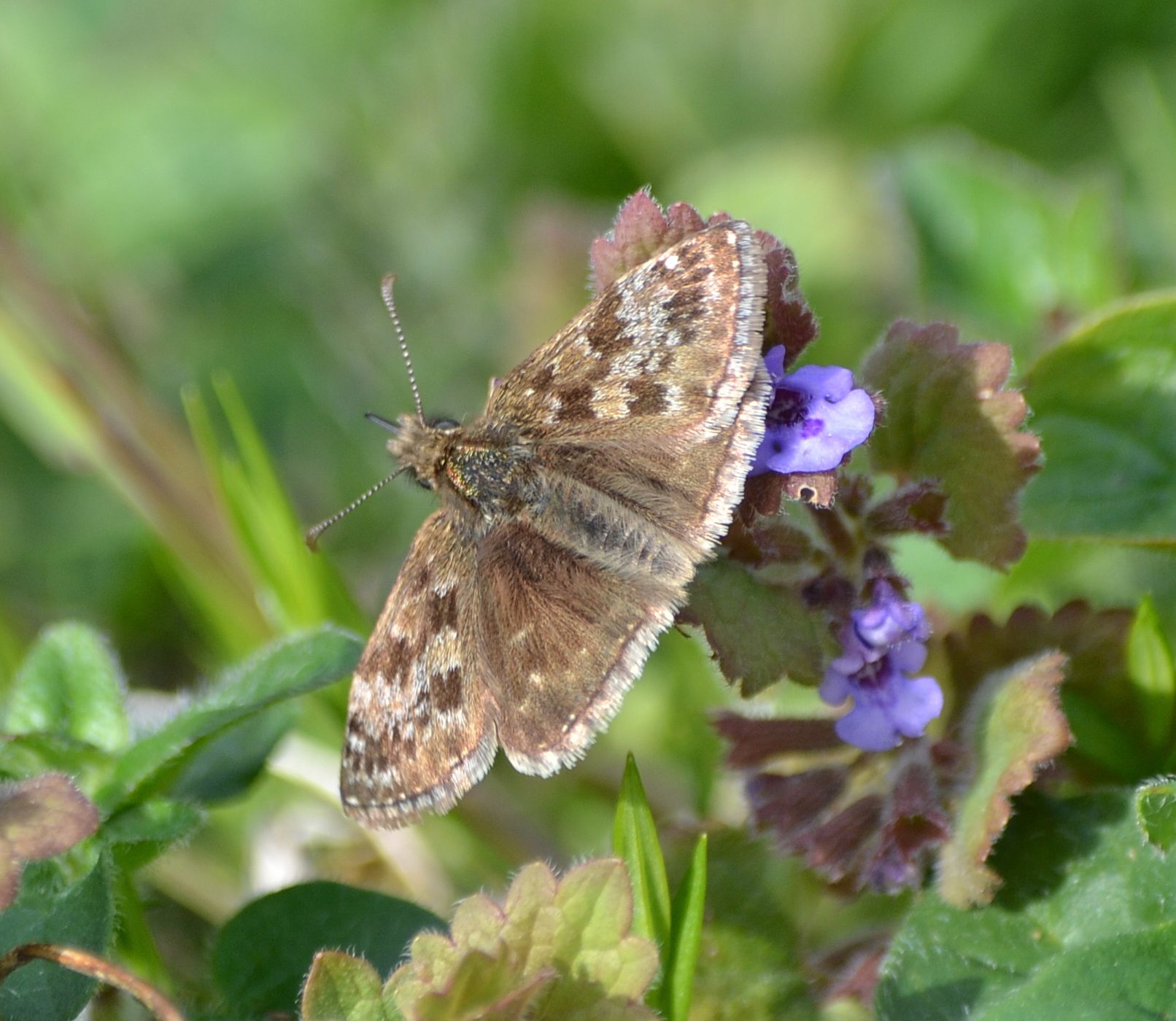
Next up came the visit’s target Dingy Skipper. There can be no more appropriately named British butterfly than this nondescript little number. I have only been used to seeing small numbers of the conservation priority species at any site visited but they are locally common on the South Downs. My experience today bore that out. This was the most numerous butterfly present and given the site’s vastness they must occur here in very large numbers.
This species had been frustrating me locally over the previous three weeks, with just one found on the Chilterns escarpment at Linkey Down prior to today. Dingy also sums up my past attempts at photographing the butterfly that always seems to look “smudgy” in captured images. I had not previously achieved a really satisfying picture of one, though these are better than average.

This is a clearly a butterfly site par excellence as well as a spectacularly beautiful location, and all the common downland species must be present in high season.
 Ramblings and Scribblings