With this addition my British bird list now stands just one short of the 350 mark. A Squacco Heron had been recorded on and off since 24th May in the Meon Valley between the village of Titchfield and the national nature reserve to the south (SU539047 – see here). Though it is a long-legged water bird I have seen often enough abroad, the opportunity to observe a first national one so close to home is one I would have been disappointed to miss.
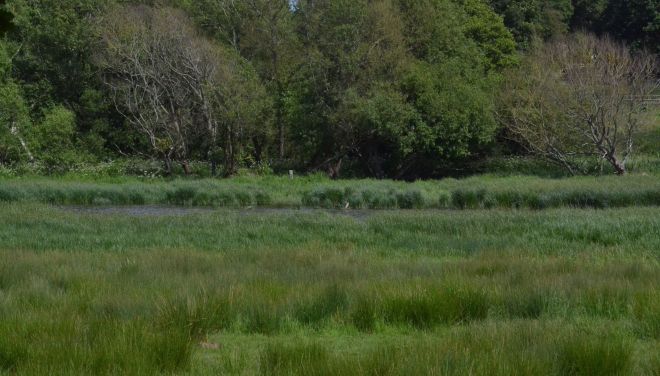
The lower right pale smudge in the centre of this picture is the Titchfield Squacco Heron
The circumstances were the reverse of when I first set out to see this Squacco three days after it first appeared at the site. Then I had travelled part of the way to find only negatives on RBA, and so went butterflying instead. Today I was trying for a special insect in the New Forest, the teneral female aurantiaca form of Scarce Blue-tailed Damselfly that is much prized by odo hunters. The drive down was mostly in sunny conditions, but upon my arrival grey cloud in variously ominous shades had stacked up ahead of me.
I nonetheless spent around three hours searching the valley mire site between Latchmore Brook and Hampton Ridge where I have observed adults of the species three times previously. But not one striking orange damsel, for such they are (see here) was to be found before dark rain cloud began to build up and I left around 2pm. That could have been a tad demoralising but on checking RBA the Squacco Heron had been watched all day so far. The heavens had now opened so I opted to head around the M27 and see if conditions improved.
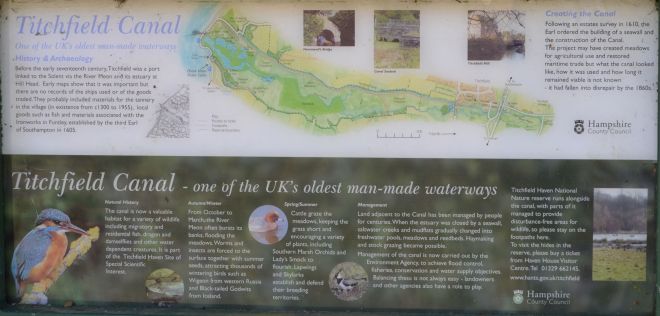
A little local history concerning the site visited today
Indeed they did and when I pulled into a parking area by a bridge over the Titchfield Canal (SU 54145 05473) about 45 minutes later, a departing birder said my quest was showing well from the tow path less than 800 metres south. As I approached the spot cited on RBA as Posbrook flood, a pool at the northern end of Titchfield Haven NNR, three observers signalled the bird was still on view. And there was my first British Squacco Heron standing and preening at the reed margin on the far side. Things were as simple as that.
This completed the set for me of once infrequent European Herons in the British Isles, with Little, Great White and Cattle Egrets all having become regular; and scarcer Little Bittern, Purple and Black-crowned Night Herons also represented on my British bird list. Today’s Squacco was too distant to obtain pictures of, as throughout its stay here judging by the absence of images published online. So here are some of my past pictures from abroad. Even at today’s viewing distance they really are cracking looking little Herons.
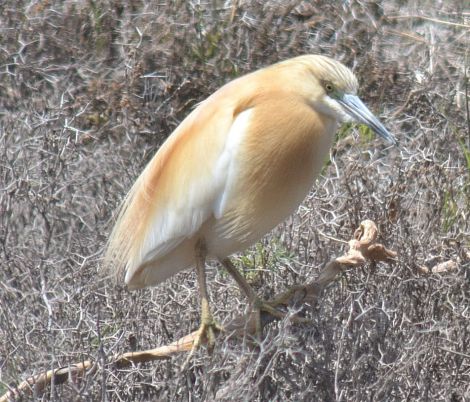
Squacco Heron in Cyprus (2012) above, and northern Greece (2017) below


After a while the other birders all moved on and then I noticed the Squacco take flight on being harassed by a Crow, to settle out of view in reeds a little to the south. But no matter, I had ticked this bird for Blighty and my day had not been wasted after all. On departing for home things were pleasantly sunny again. I caught up with the grey then the wet stuff on the road back to Oxford, but the warm glow of a successful twitch was with me the whole way.
The aurantiacae damselflies will have to wait until next year. The area of Hampshire that features again in this post has incidentally produced no less than 10 British bird list additions for me in the past decade. The other firsts were Velvet Scoter, Firecrest, Yellow-legged Gull, Mediterranean Gull (all Mar 2010), Red-breasted Goose (Jan 2011), Brown Shrike (Oct 2013), Siberian Stonechat (Oct 2014), Greater Yellowlegs (Apr 2015) and Roseate Tern (July 2018).
 Ramblings and Scribblings