2023 Provence butterflies 2: More Apollo and Esper’s Marbled White on Montagne de Bergiès: 18 & 19th July

It had bugged me ever since 2019 that I couldn’t find my way up to this peak (1364 m) back then, and doing so now was a further prime motivation for repeating this tripette. I had devoted some effort to looking for the regional scarcity Esper’s Marbled White at different sites through those five previous days in Provence and understood Bergiès to be a prime location, as well as another good one for observing Apollo.

What were the chances of losing my way again? Well I did, and that was partially due to having been under a wrong assumption as to which mountain Bergiès is. Google Maps going into ever decreasing circles mode after I took another wrong turning on Tuesday (18th) didn’t help. So the upshot was the loss of over two hours prime morning butterfly time. Nonetheless, the outcome over two days rather compensated for all that.

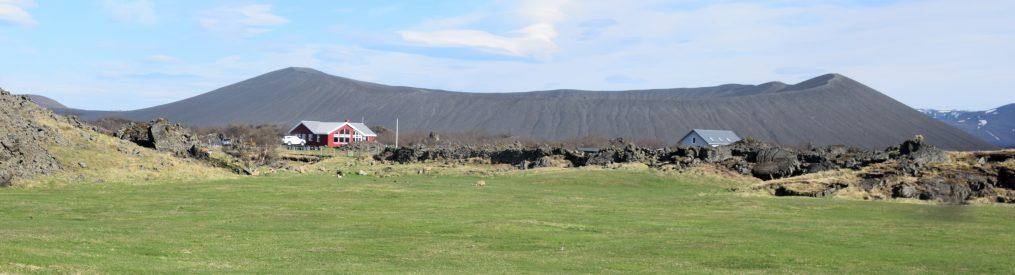
The summit of Mt Bergiès (with observatory) viewed from the ascent.

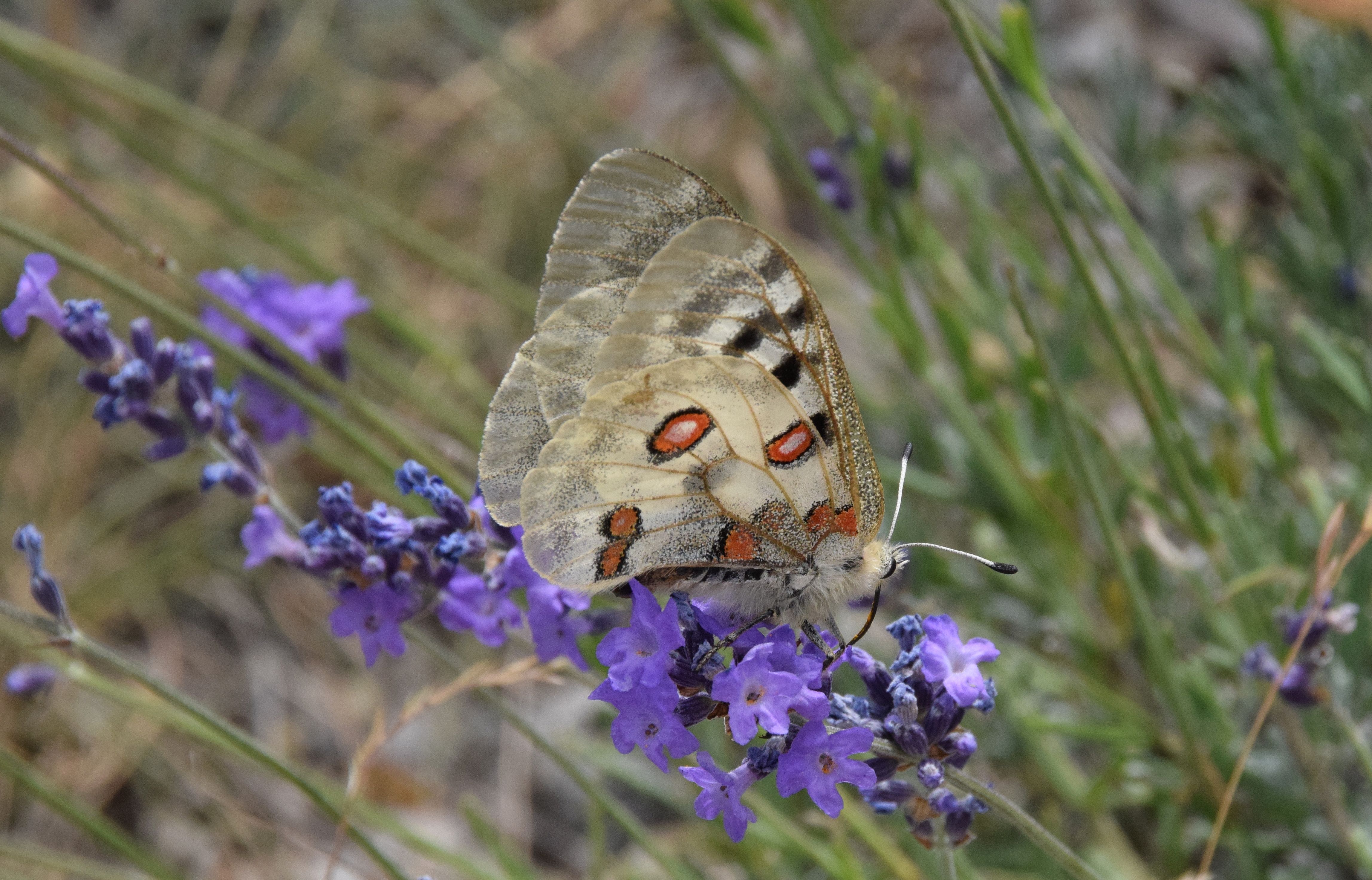
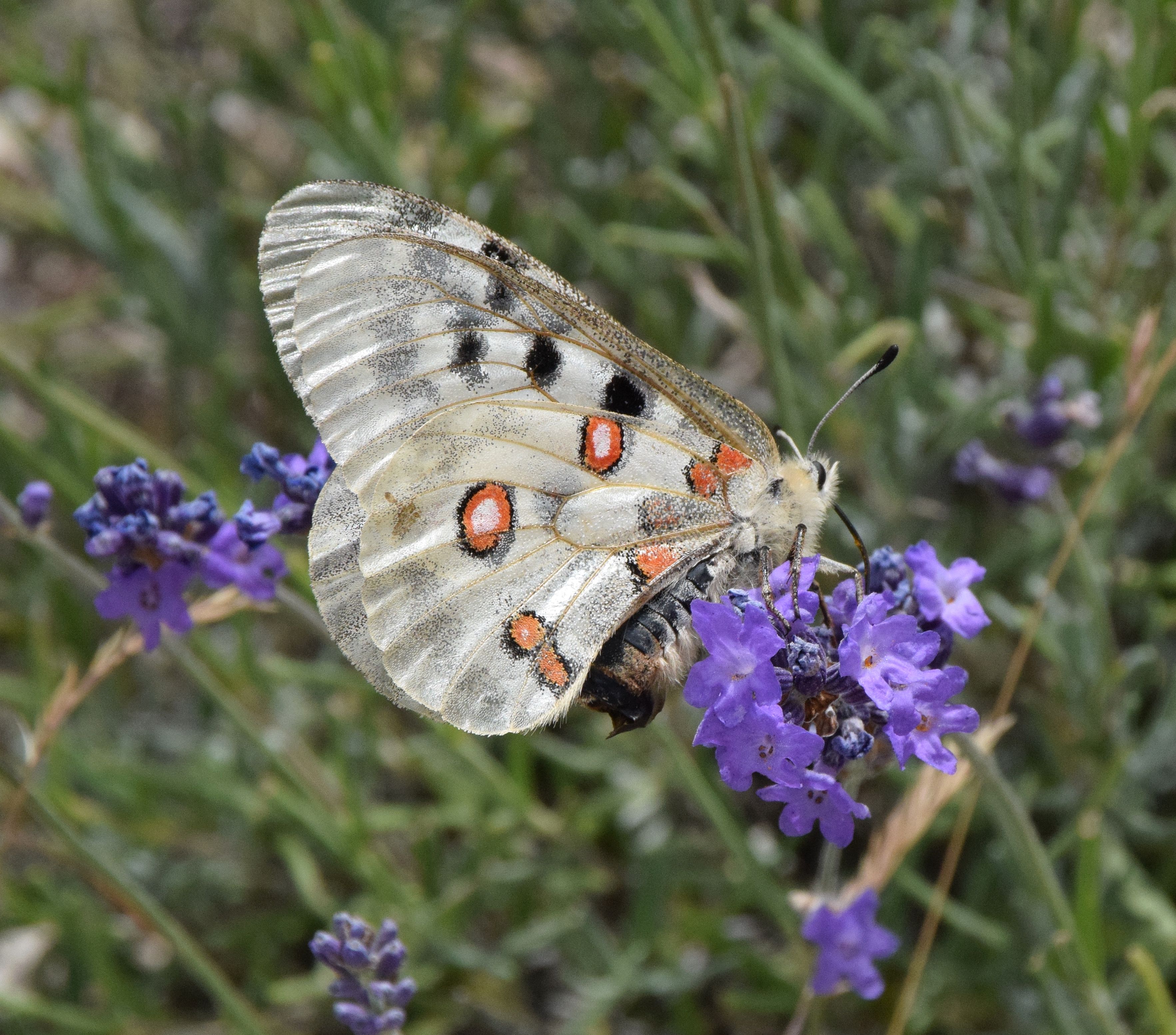
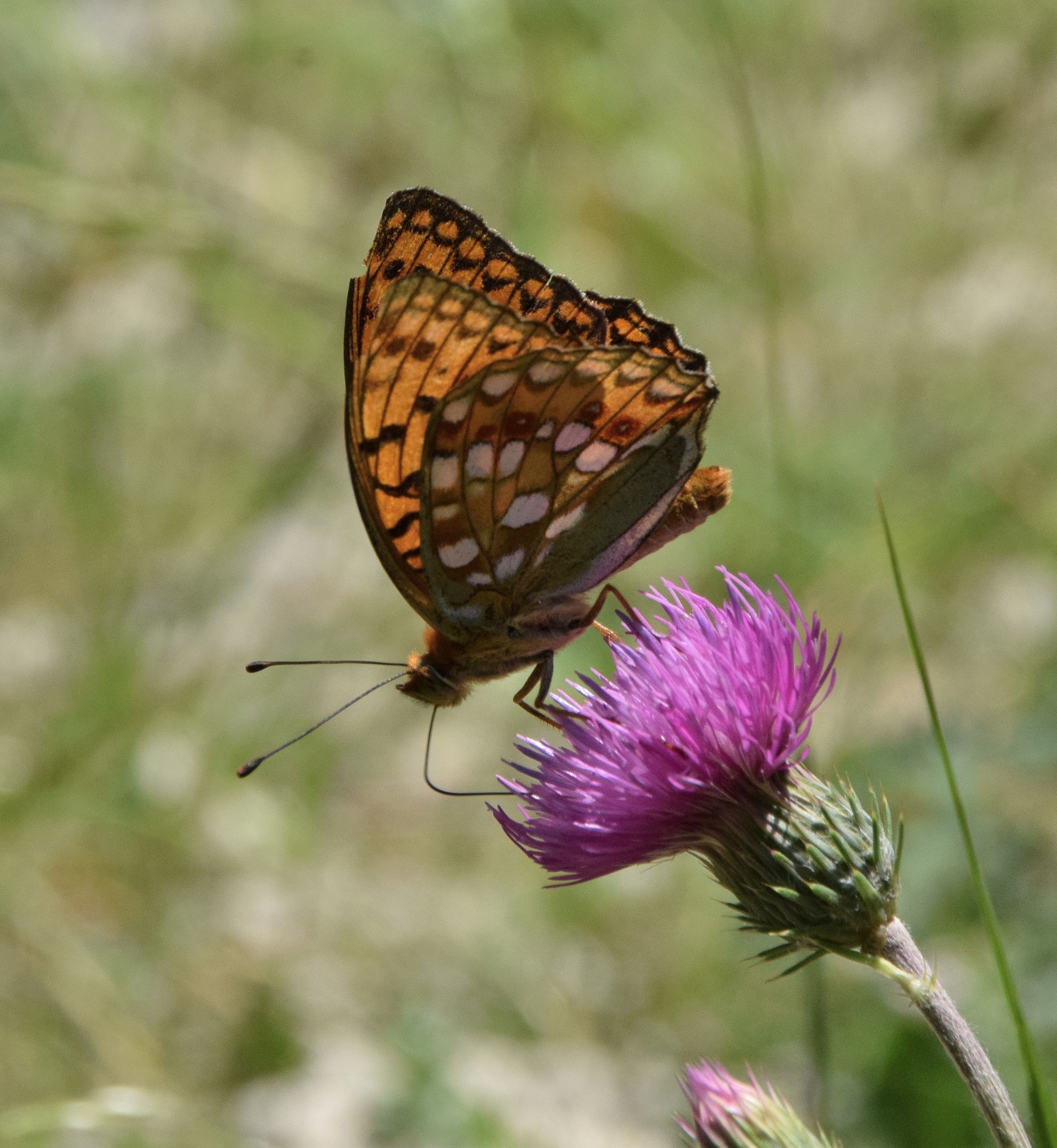
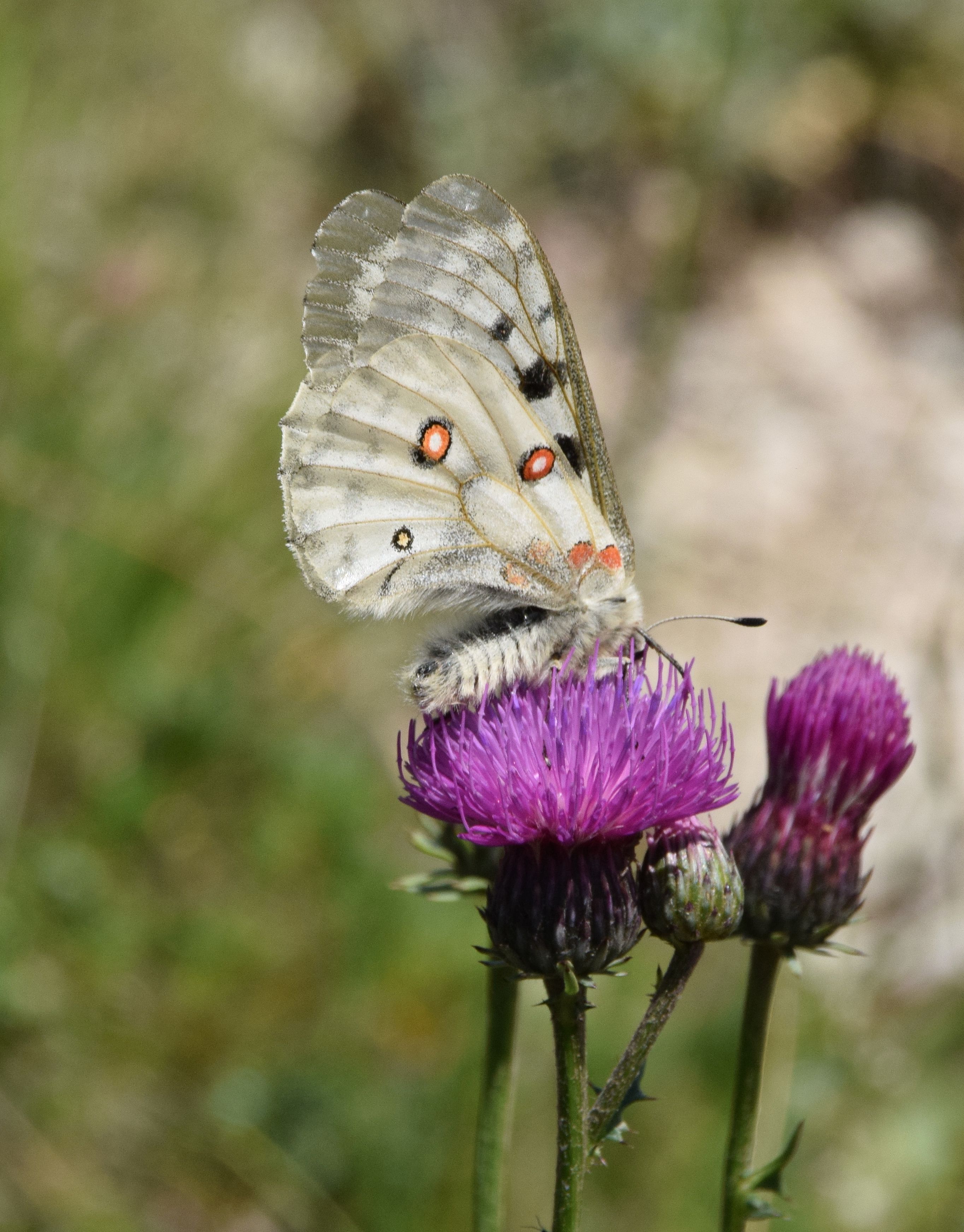
On eventually finding at past midday the sought, metalled access road, signed Chemin de Bergiès from the end of Col de l’Homme Mort, I at once began to see butterflies and drove up stopping at promising looking places. Along the higher part of this ascent (pictured above) the roadside was lined with wild flowers, especially Lavender which attracted a typical array of frequent regional species such as Graylings, Marbled Whites and Swallowtails. But in amongst them were rather more Apollo than I had encountered on Montagne de Lure, and these would settle to nectar for long enough to offer this collage.

Beautiful, fresh, translucent-winged Apollo in all their magnificence

If converting Apollo had been uplifting at that first location, this was just superb. Time and again the giant, floppy white forms would settle on the Lavender, holding on fast in quite strong wind and largely unconcerned by my attentions. After visiting the summit, which is crowned by an astronomical observatory, I repeated the exercise again. As throughout this tripette I paid little attention to those butterflies I had done full justice to herein back in 2019. But I made an exception for my third self-found connect with a Hermit (pictured below, right), a less frequent Grayling for which I seem to have a special knack of crossing paths with in remote places.

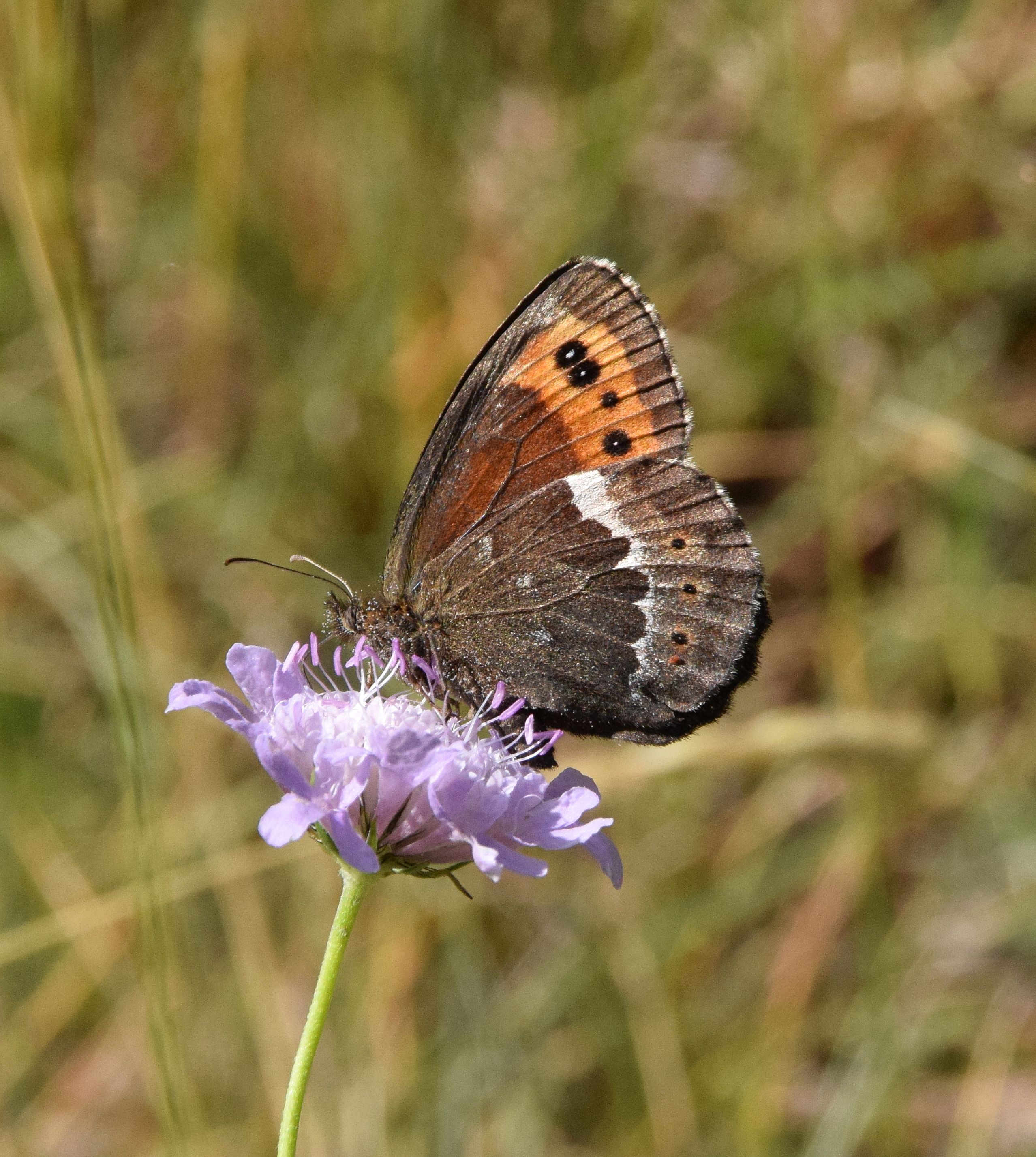
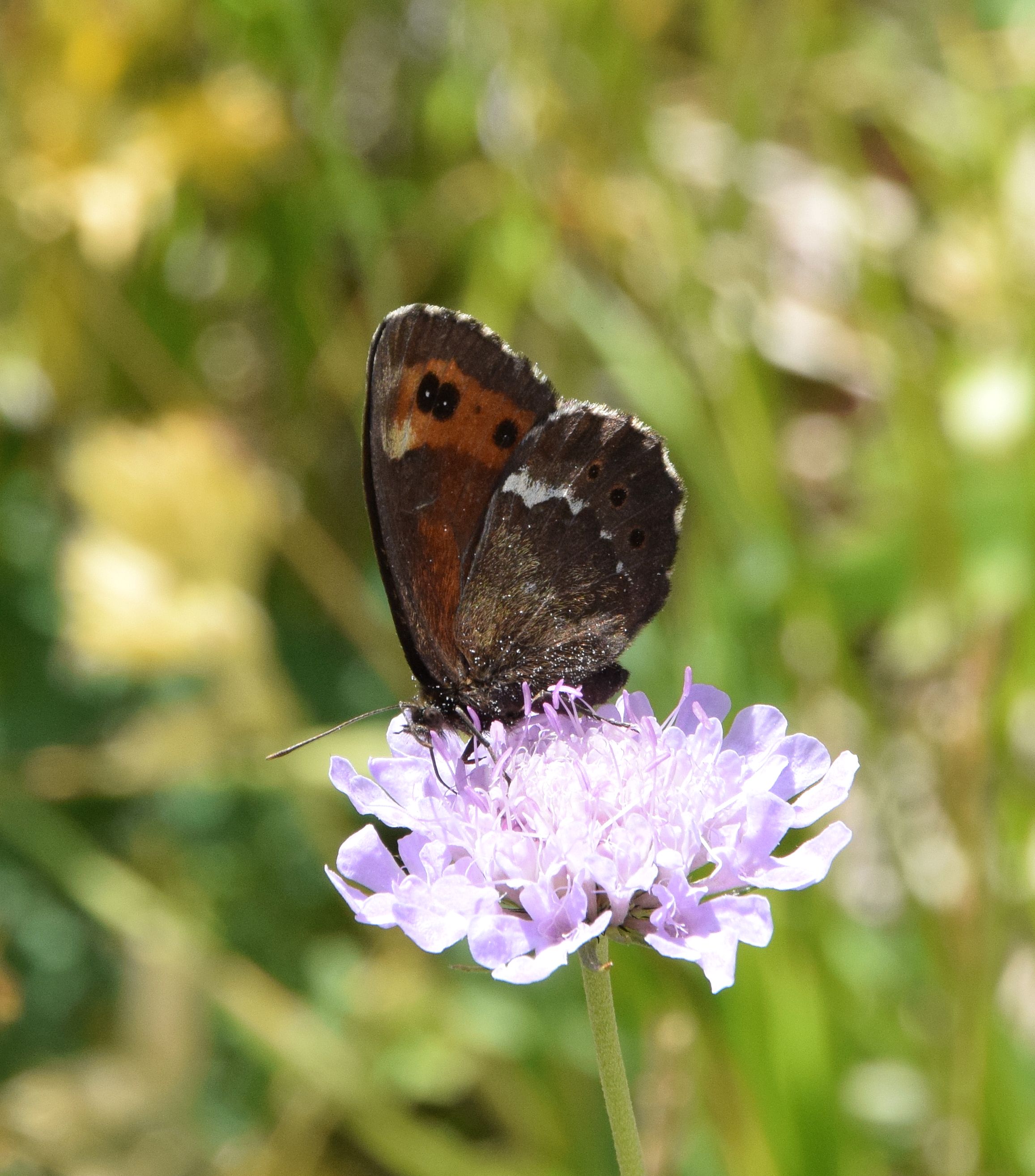
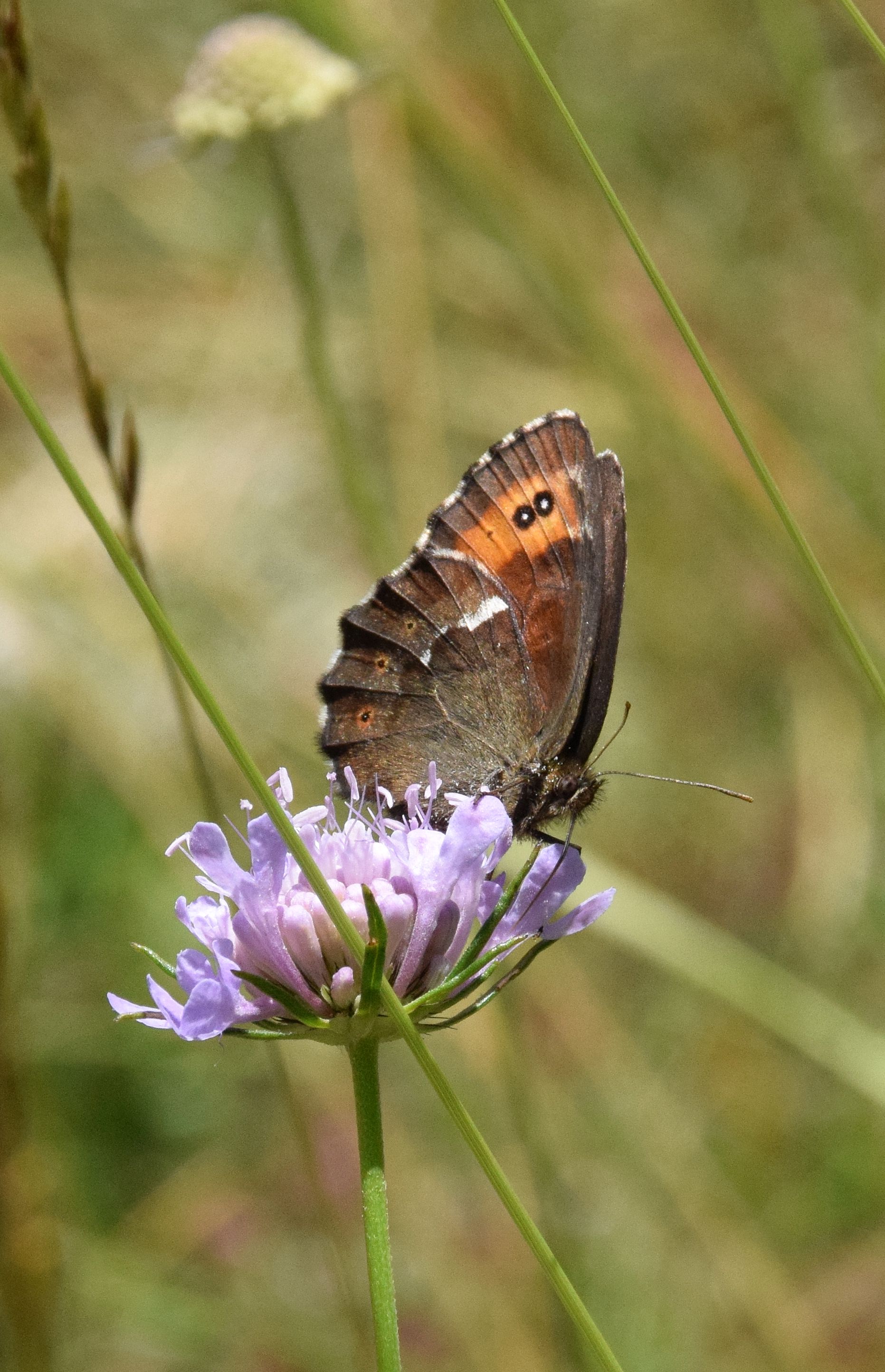
On Wednesday (19th), as in the previous post I came back in the morning with bearings gained to commune with butterflies as they warm up with the day. Now my attention turned to the top trip target, Esper’s Marbled White (Melanargia larissa) that I opted to search for lower down. The French sub-species r cleanthe occurs only in the northern Alpes-de-Haute-Provence and some neighbouring localities such as this post’s. Esper’s core region is in northern Spain, and there are outlier populations of another race in Italy and the Balkans. All three varieties are single brooded in June and July. The clearest diagnostics (as illustrated below from Collins) are an extra medial black cell bar in the middle of the forewing, and grey, sausage shaped markings on the unh wings. Not having found them in 2019 I was determined to succeed now.
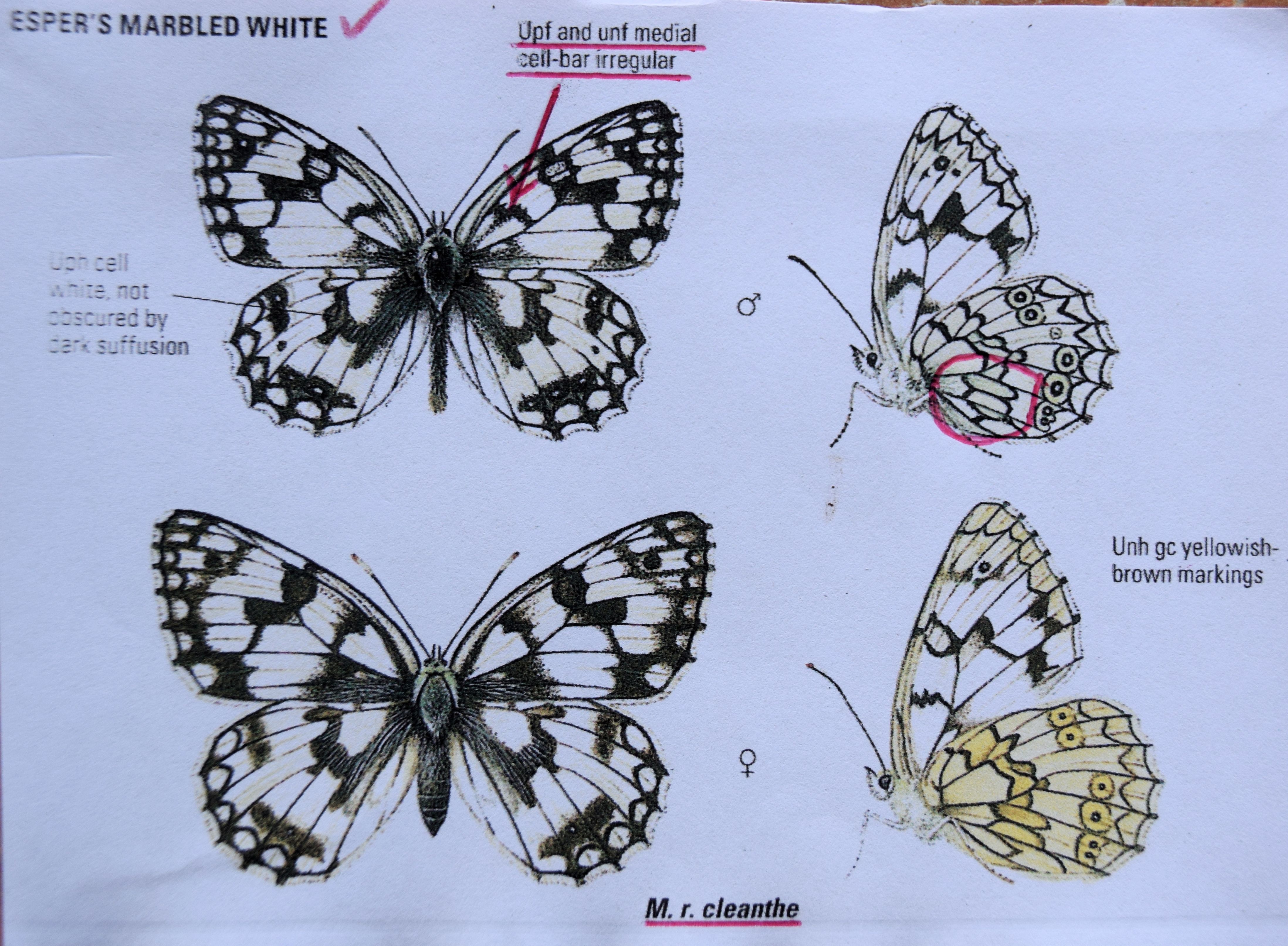
Esper’s Marbled White © Richard Lewington and M galathea (right) for comparison

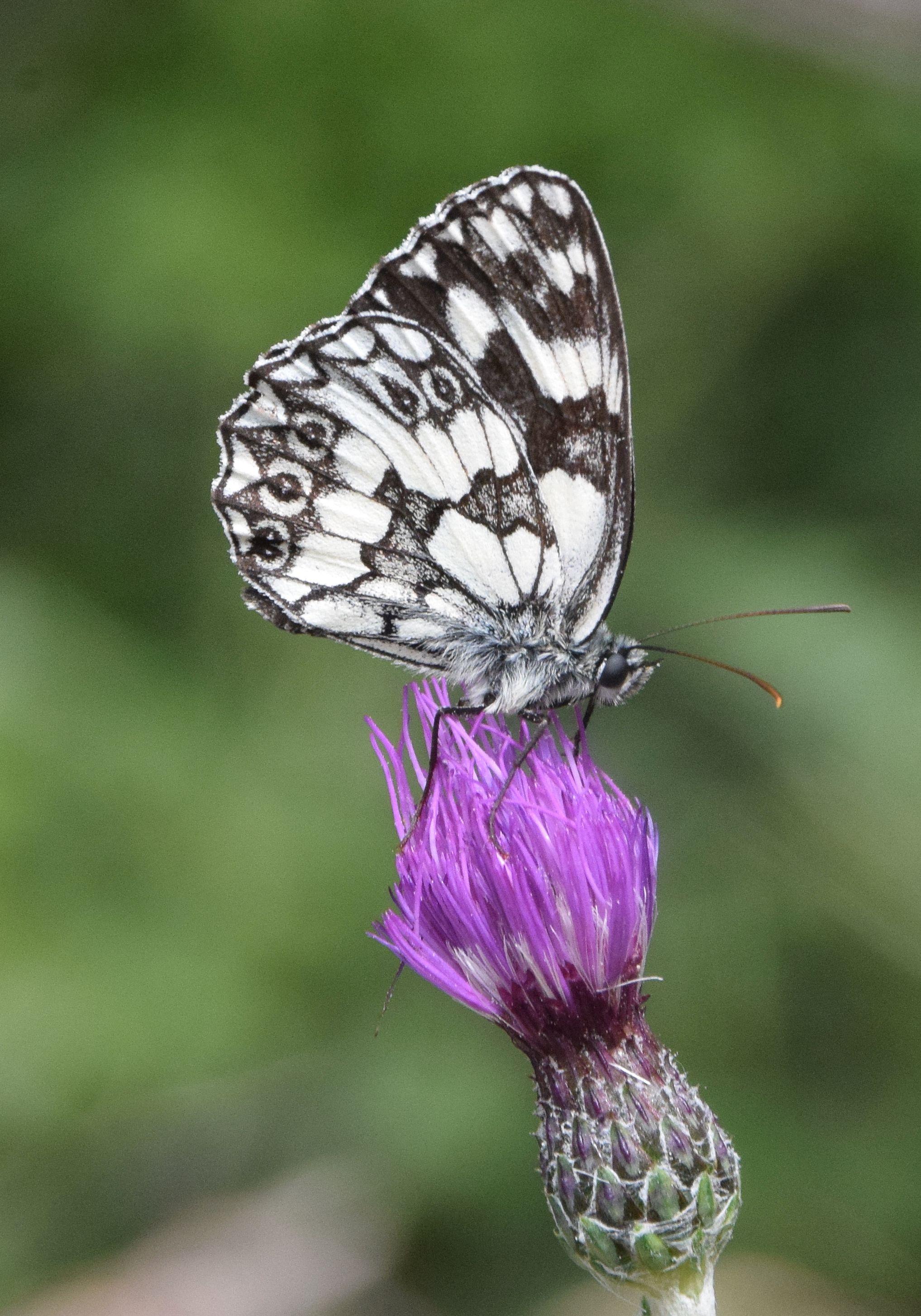
The best strategy suggested itself as taking pictures of any Marbled White perched with wings closed, then matching those to outsourced images I had brought along for the purpose. Most turned out to be regular or dark-form M galathea and f procida, but on approaching the individual pictured below it just seemed different in a brighter and whiter way, as well as being quite confiding. Already with a gut feel that mission had been accomplished I was fortunate enough to obtain a positive ID from the illustrator himself later in the day, and that was job done. I am very pleased to have captured an image that highlights both of the cited top and under-side diagnostics in one composition. The clean, clearly defined, black and white appearance of this slightly larger item than galathea is also readily apparent. The specimen looks browner in the edited image than it did in the field.

Today’s Esper’s Marbled White

I encountered nothing else that was new or different on this repeat day on Bergiès, and no more Apollo in a presentable condition. The day before I was quite gloriously the only person on the mountain, but now there was hang gliding at the summit and a certain amount of traffic up and down. The next sequence presents the most interesting species and pictures from these two days both here and at nearby sites.

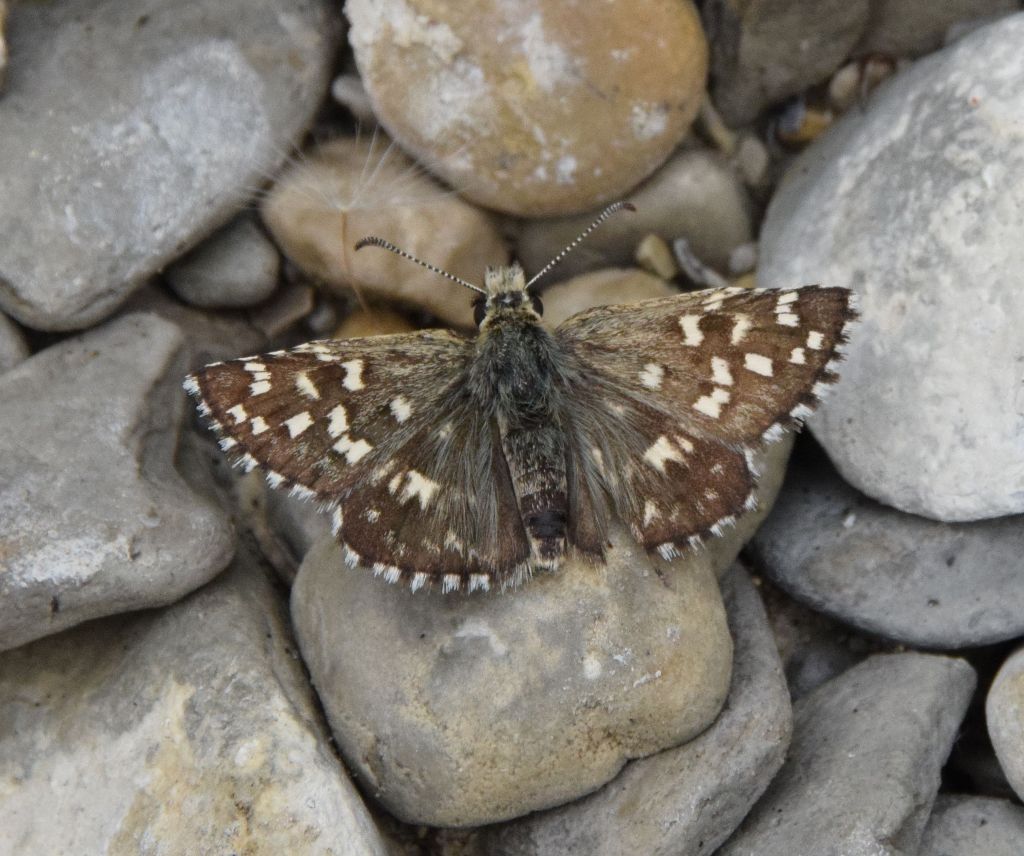
The Gatekeeper (bottom left) is of a regional form decolorata, but not the separate species Southern or Spanish both of which I have recorded in Provence previously. On Wednesday afternoon I checked out Gorges d’Aulan for Odo, hoping as in la Brenne for Orange or Yellow-Spotted Emeralds and Western Spectre, but finding only Small Pincertail (again!) and Southern Skimmer. But along the stream bed there were several Cinquefoil Skipper, of which I gained my first ever underside study (bottom, right)

Car hire costs in the south of France in July and August are horrendous, around twice what I normally would expect and that is for the smallest class of vehicle. Petrol prices have not fallen from spring 2022 levels as in Great Britain, and though I self-catered at the same farmhouse B&B as in 2019, supermarket food prices also seemed high. So this was by some way the most expensive of the five tripettes I have undertaken this year, and I would think twice about doing another one in high summer.

With the completion of this agenda for 2023 I have now done all the wildlife travel I had planned prior to the interruption of those Covid years, and this was the most fulfilling exercise of the five. What next … who knows?
2023 Provence butterflies 1: Apollo, Fritillaries, Arran Brown and Scarce Copper on Montagne de Lure + Ladder Grasshopper – 17th and 21st July

My prime motivation in re-visiting this high peak (1826 m) site was to connect properly with the magnificent Apollo that I had observed here only at distance previously. I also wished to further experience the good range of resident Fritillaries, and had just liked the place sufficiently in July 2019 (see here) to come back for more.

Monday 17th began disappointingly when upon completing the long, winding climb by road up the mountain’s south side, a recalled profusion of large, Fritillary-laden Thistles below the car park at the closed Station de Lure just wasn’t there. The habitat looked like it had been recently cut and the plants also cleared during the interval since my first visit … why? And so I drove on to explore the deep gullies that run down from the mountain’s summit.

Apollo

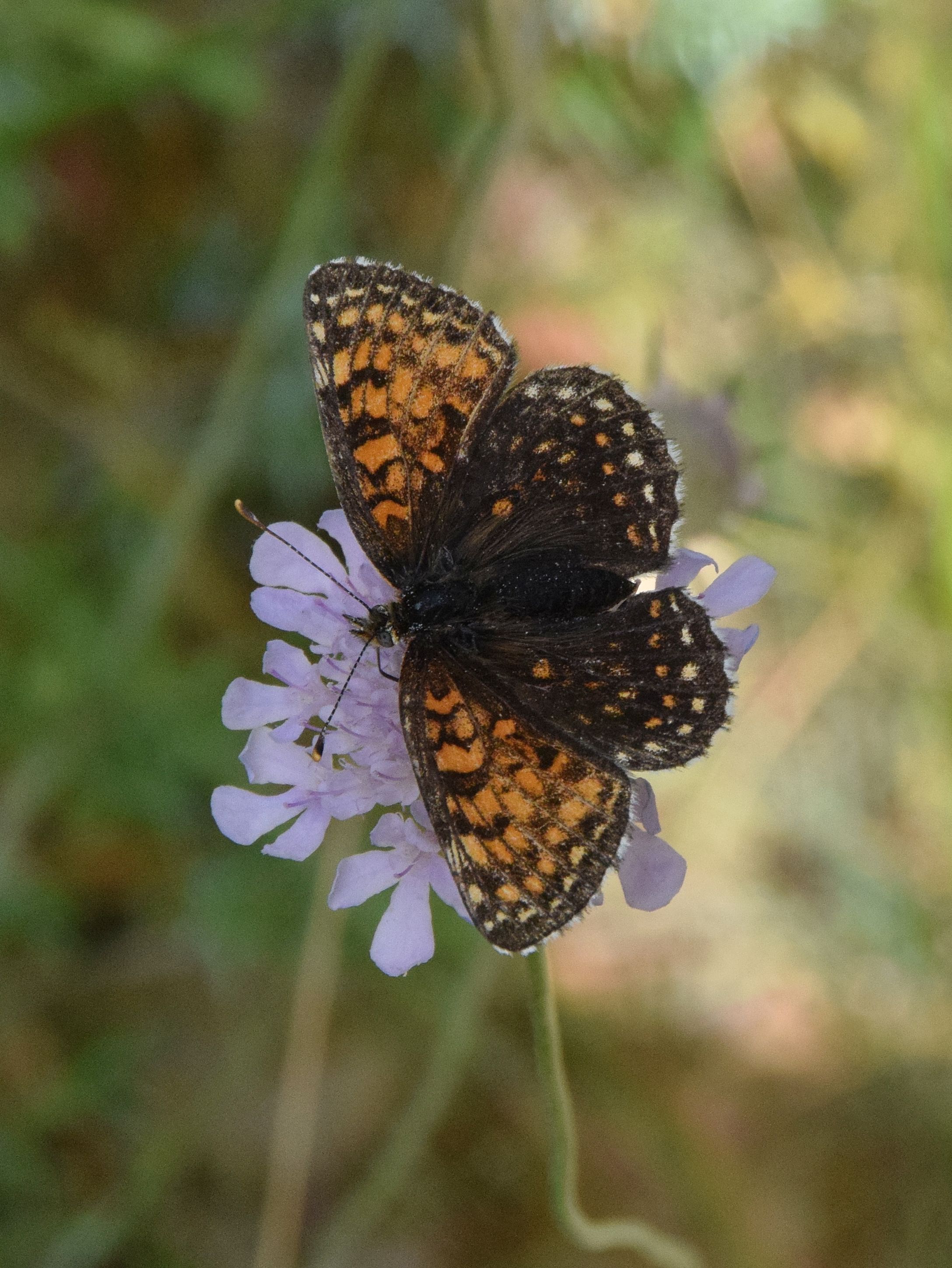
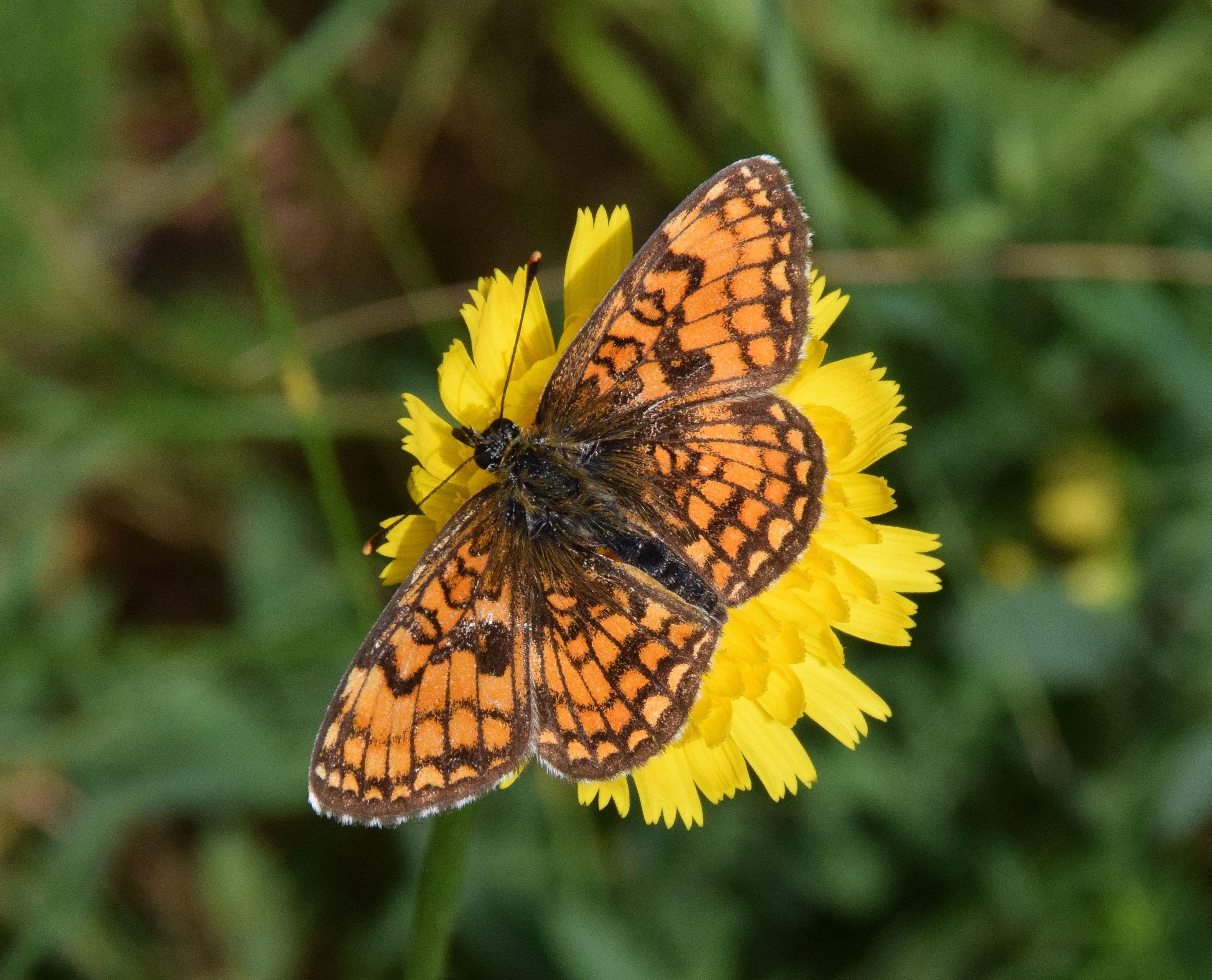
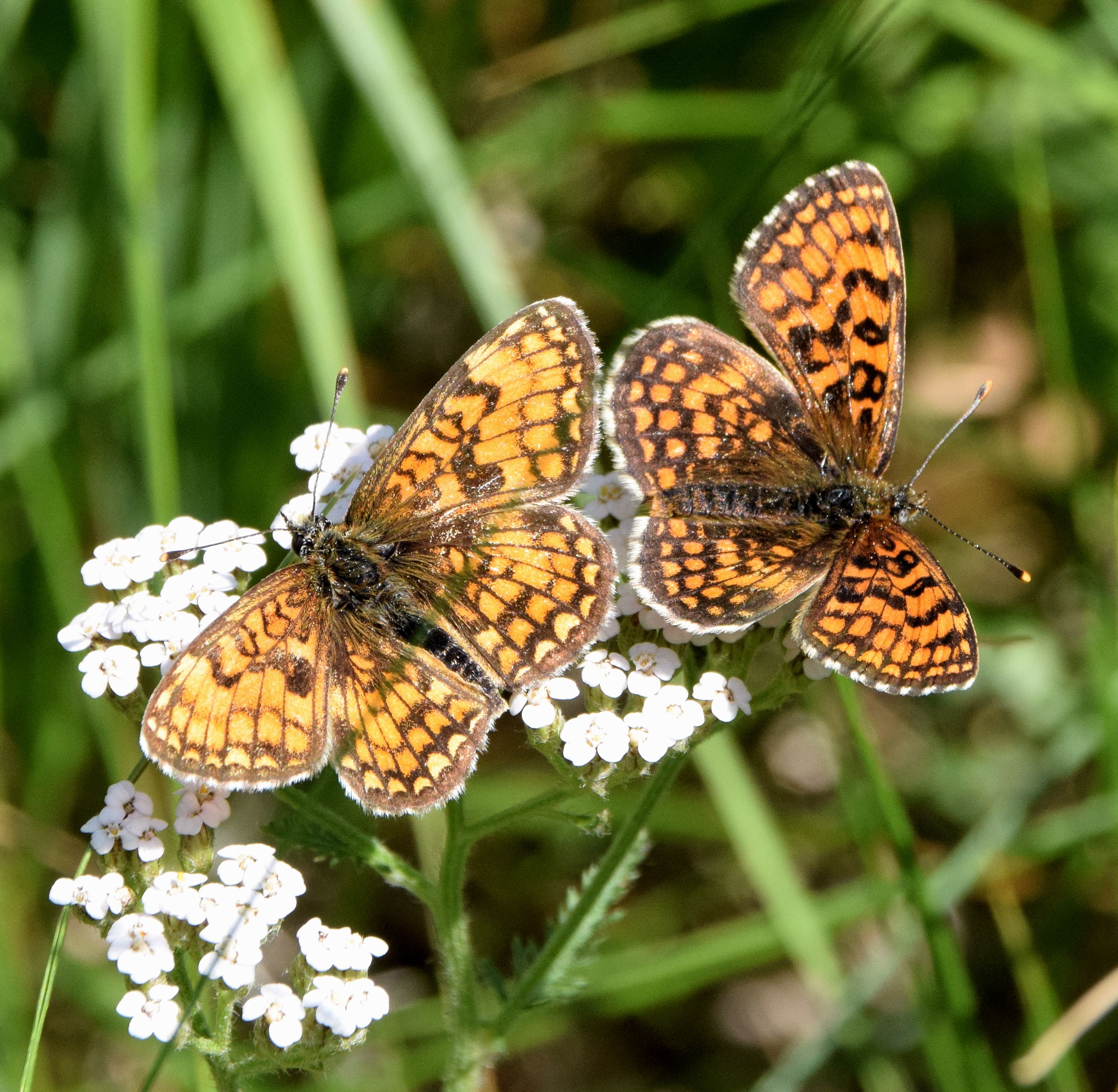
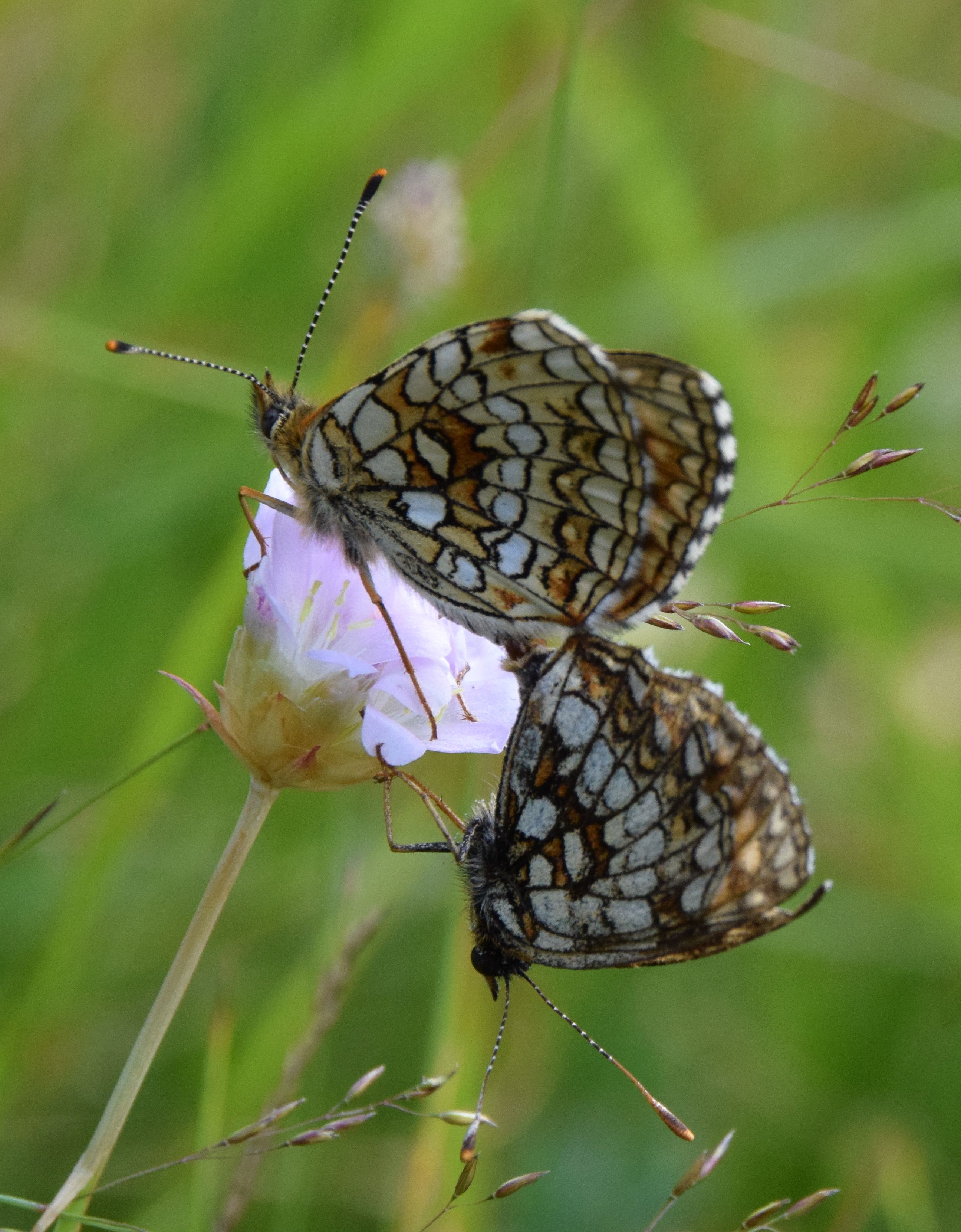
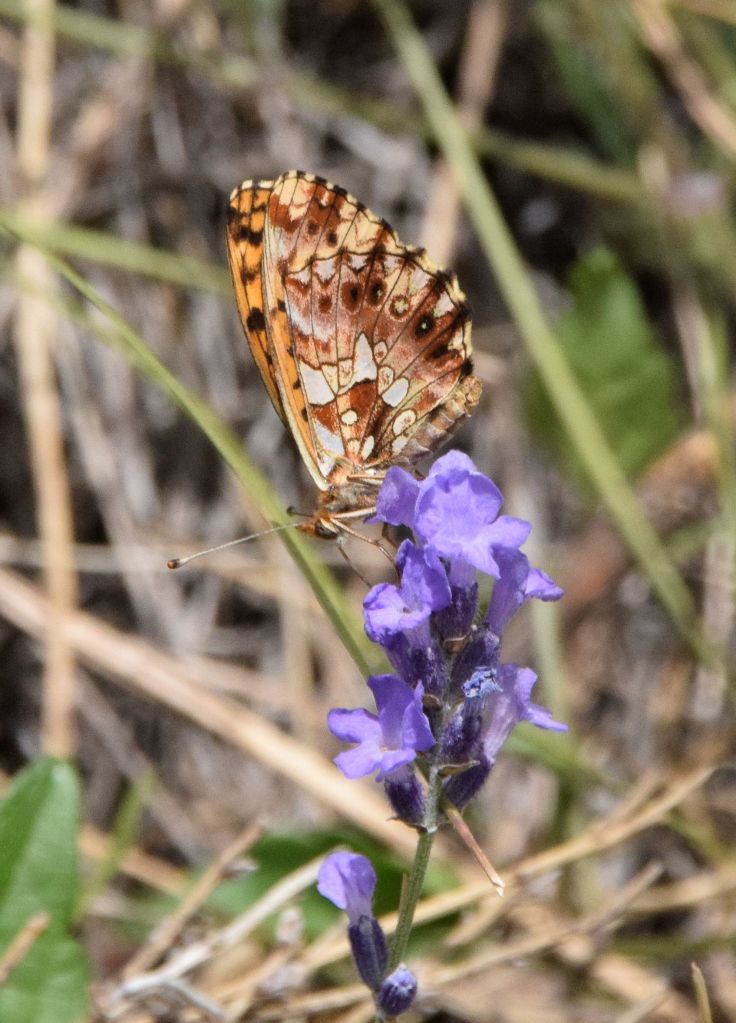
Parking beside the lower of two such features I at first walked the mountain side above the road, where butterflies seemed quite sporadic except in one warm spot. The most frequent flyer, as it was throughout both days, was False Heath Fritillary (pictured below), a small species found mostly at altitude across much of continental Europe that I had observed for the first time here in 2019. This always hyper item flies in two broods in southern France from May to July, then August and September. So many of the highly variable, dark suffused subjects I continuously encountered were quite worn, though others surprisingly fresh. The flight pattern is very light and fluttery as these little butterflies buzz around endlessly without ever settling for long.

False Heath Fritillary

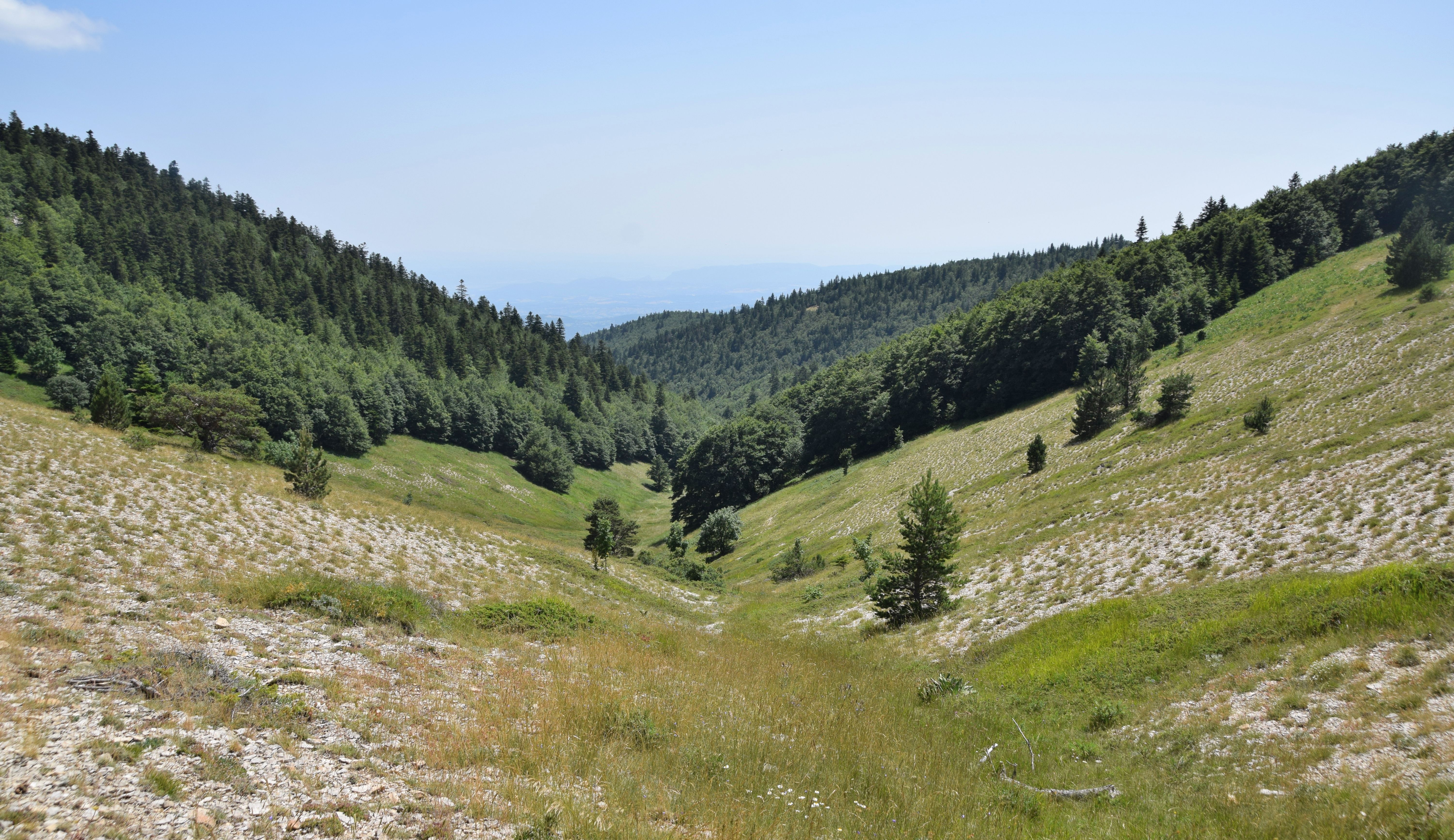
By midday I decided not to waste further time hanging around where I was and opted to probe into the deep gully below the road (pictured below). It soon became apparent this was a natural heat hollow: warm, wild flower rich and hence hosting plentiful butterflies. Big, floppy Apollo were gliding effortlessly around the scree-laden slopes as I progressed, settling always briefly to nectar and only once close to me, but the only pictures gained were too clutter filled. Onward and downward I moved amongst a teeming medley of Fritillaries, Heaths, Graylings, Skippers, Marbled Whites and Blues; and numbers of Arran Brown that I had encountered for the first time here in 2019.

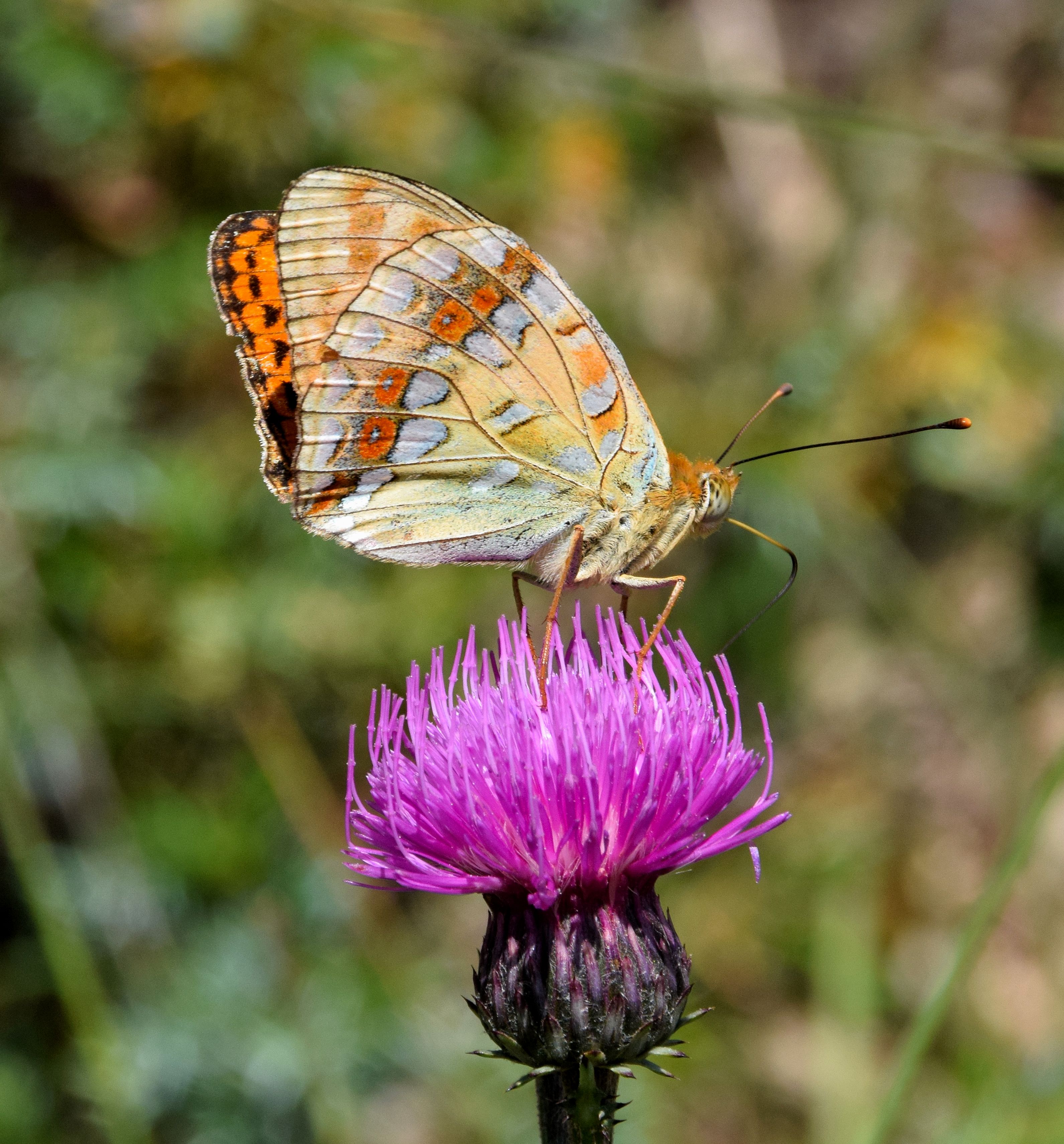
Locations like this where such varied concentrations of butterflies occur just have to be found, and usually at random. Their natural warmth is detectable as soon as I wander into them, whether it is chalk downland at home or montane habitat abroad. On this occasion it had taken all morning to do so and the butterflies were by now fully fuelled up in the 30 plus degree early afternoon sunlight, the glare of which also impacted badly on the quality of images I could attain. Fritillaries in particular would zoom up and down without settling, as is usual in the full heat of the day. But two larger species Cardinal (below left) and High Brown Fritillary (right) both posed briefly if not satisfactorily for the camera.

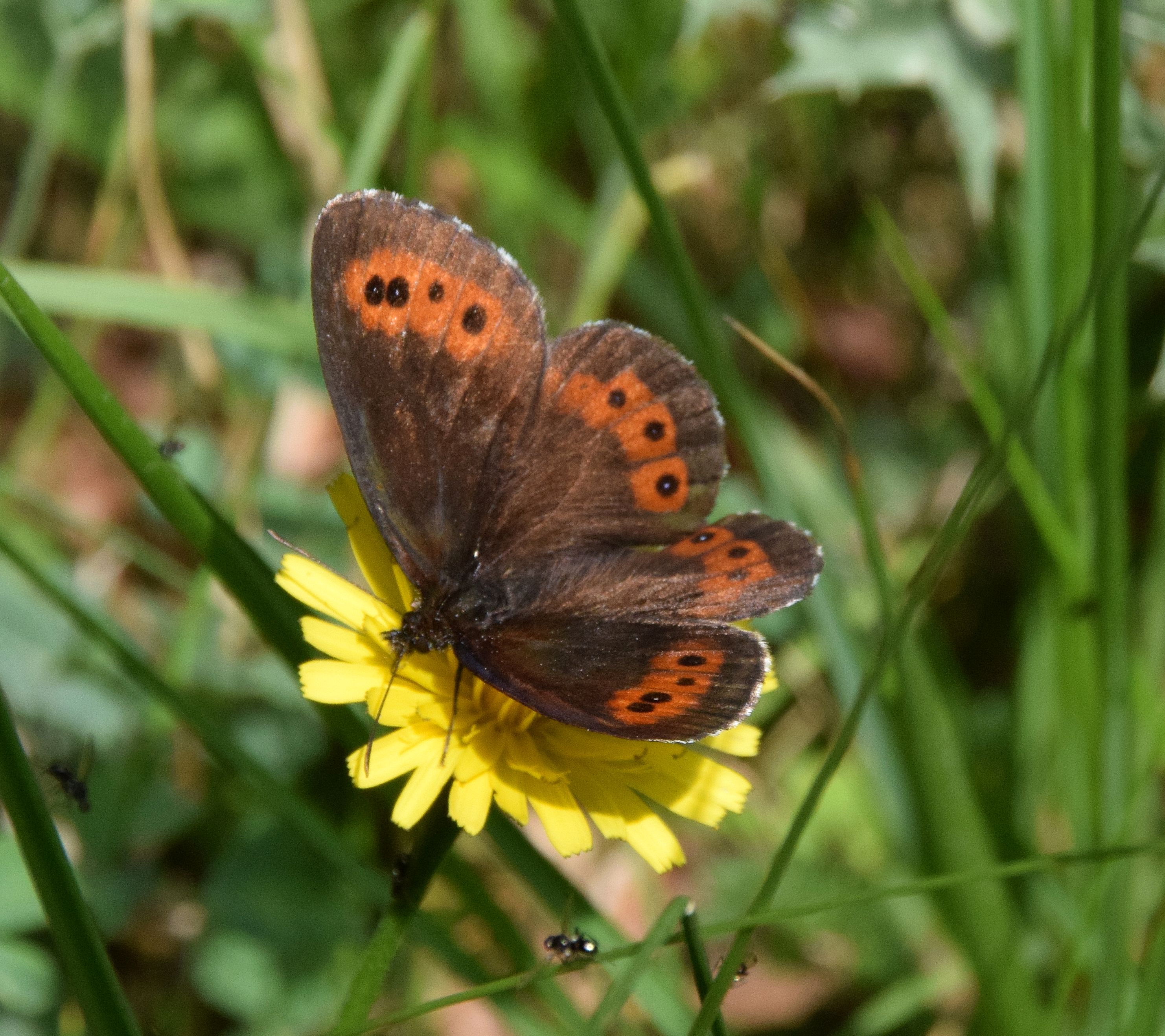
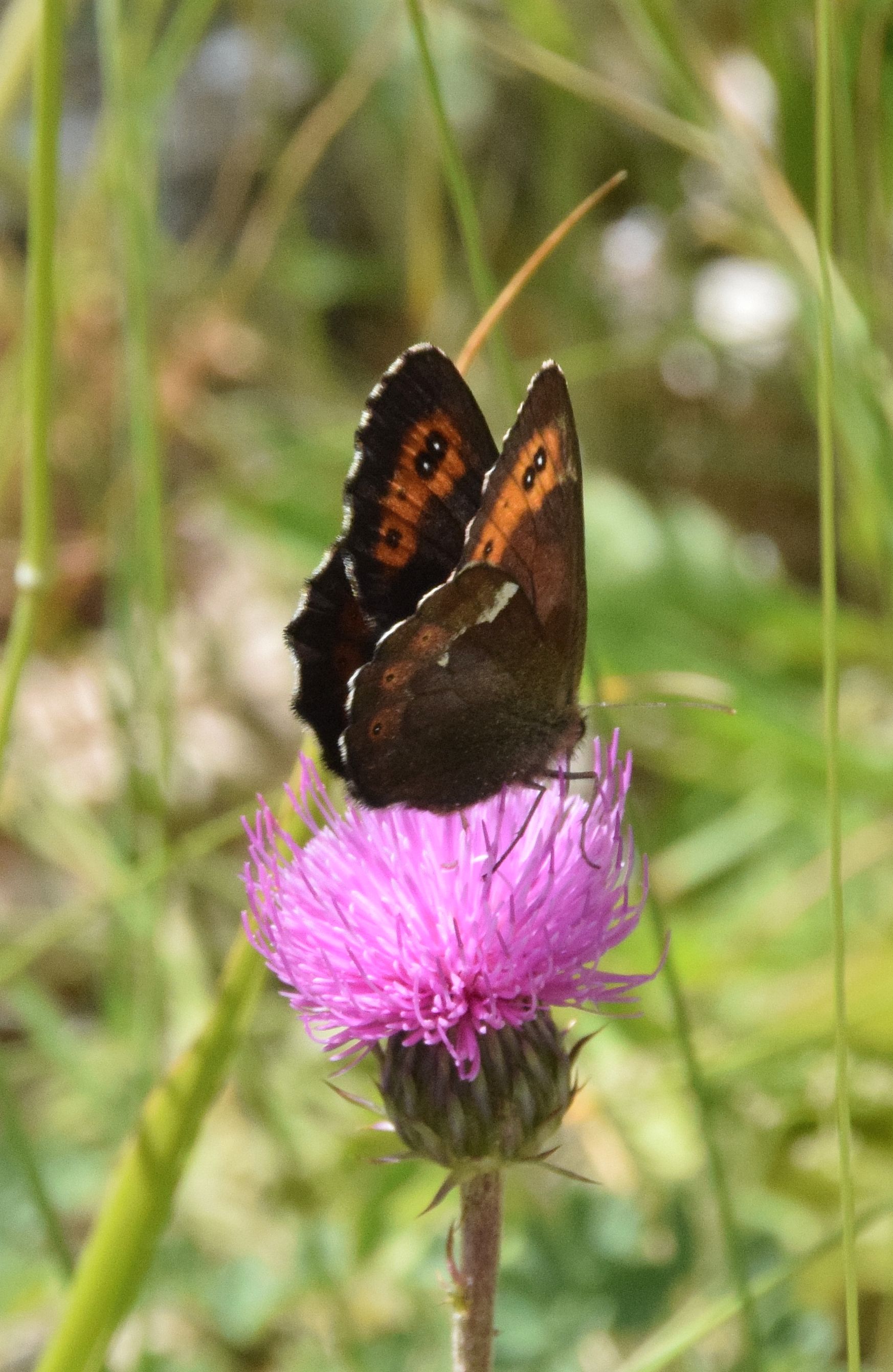
Little attention was paid to the Graylings, including Satyrs that were covered thoroughly in my 2019 Provence posts. I found just one Arran Brown then which was a lifer at the time. Today several were active around me and quite inclined to nectar for some time on the same flower, or bask. The chocolate-toned species may be distinguished from similar Ringlets by the chequered wing fringes and white streak on the unh, as the pictures (below) show. It occurs here at the western edge of its south and central European range, flying in a single brood from mid-July to late August. They favour woodland rides and sheltered, grassy clearings, often with bramble or bracken, at moderate altitude.

Arran Brown

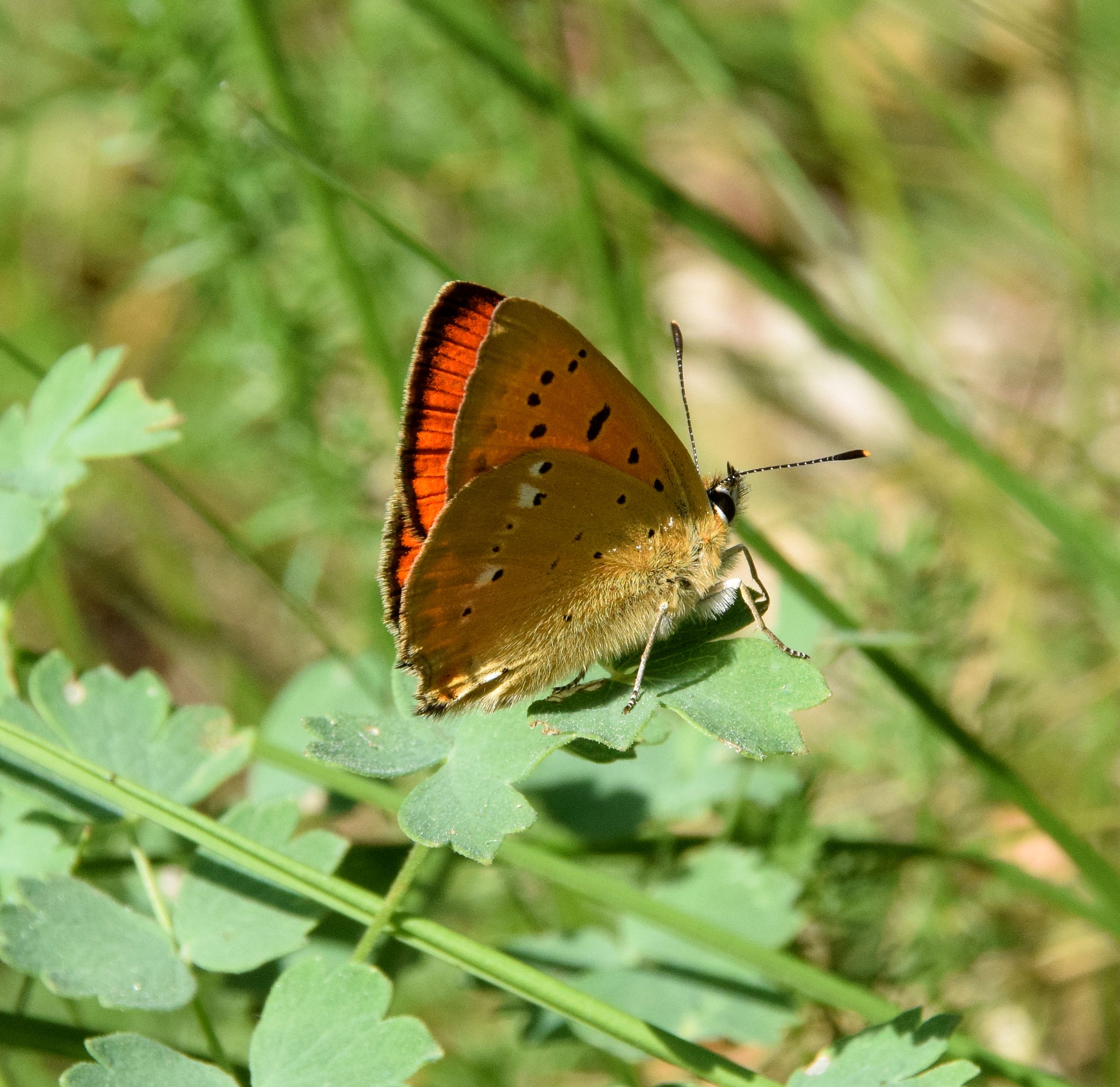
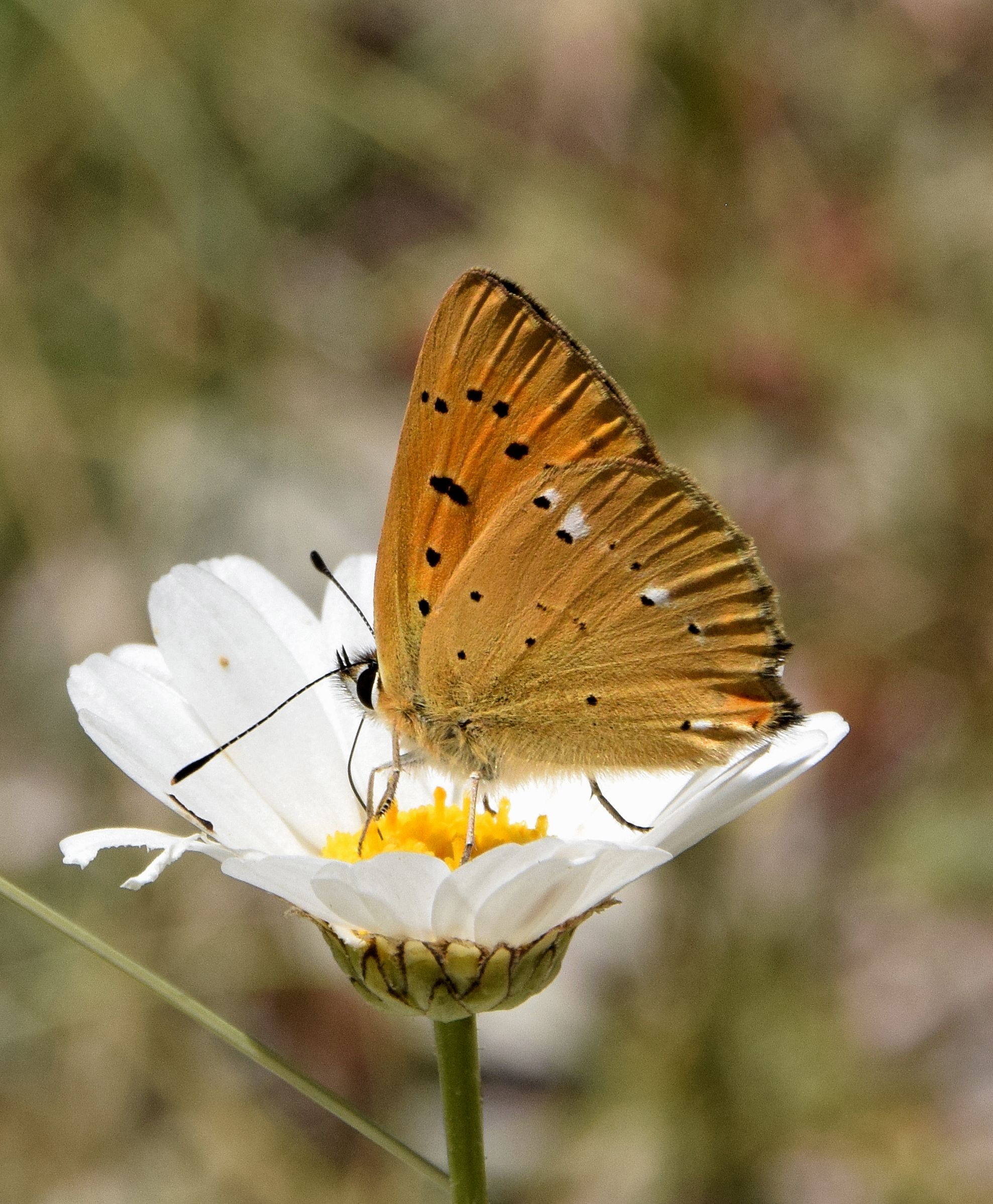
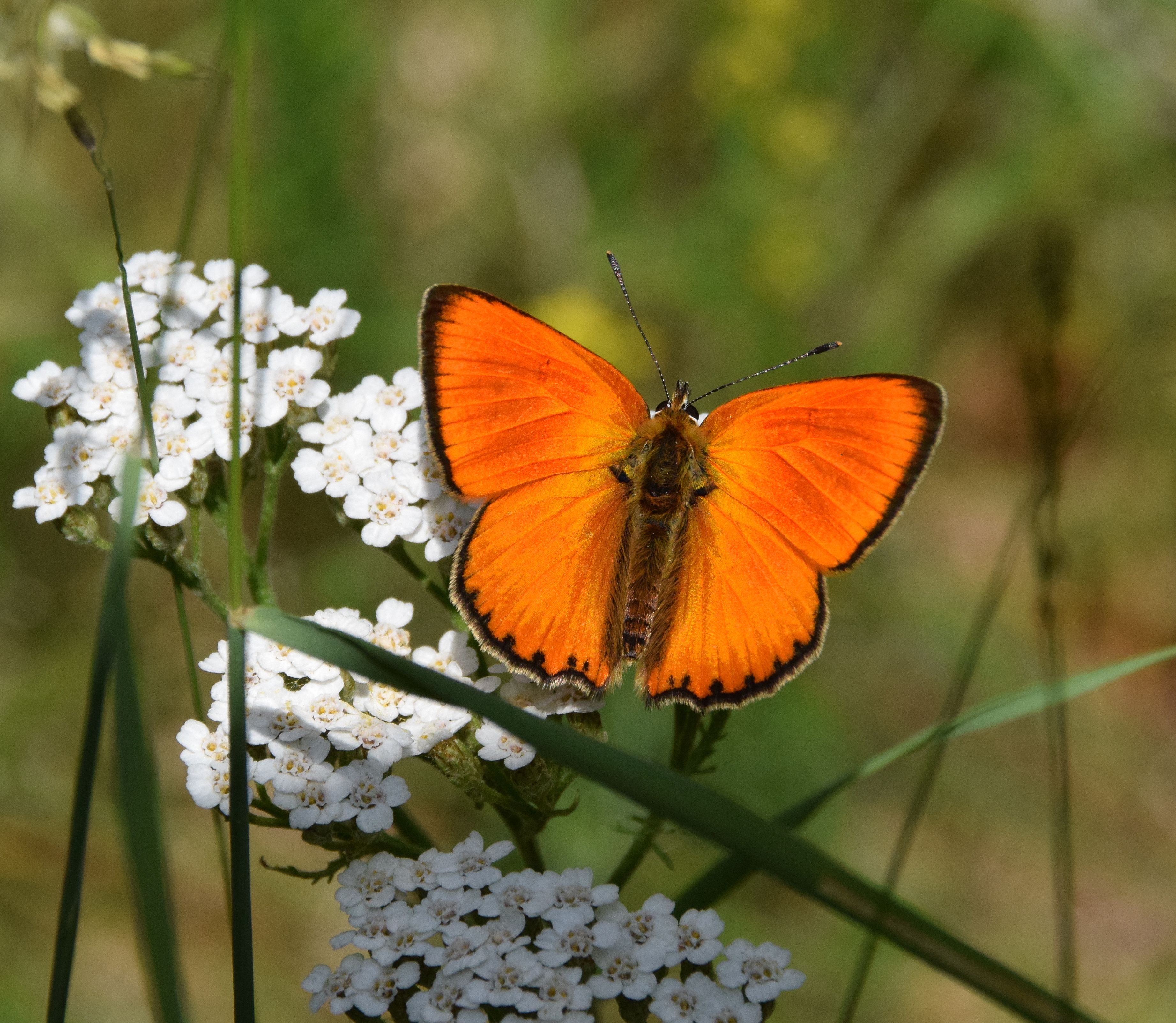
Further down the gully, where it became wooded I gained a rather colourful lifer in the form of a territorial male Scarce Copper. The bright little denizen of montane flower meadows remained faithful to a 50-metre stretch in which it relocated constantly, challenging any and often much larger fly pasts that might invade its space. I would walk up and down waiting for it to re-appear in a variety of poses as it always did after a short interval. I was now enjoying one of the most strikingly coloured Coppers, with a vivid red-orange upper-side framed by jet black margins. The underside, captured below on this bright, sunny afternoon is also quite distinctive, with rows of black-centred white spots of varying size in the unh wings. Contrary to the name these jewels can be quite common in montane areas across southern Europe where they fly from June to September, peaking in July.

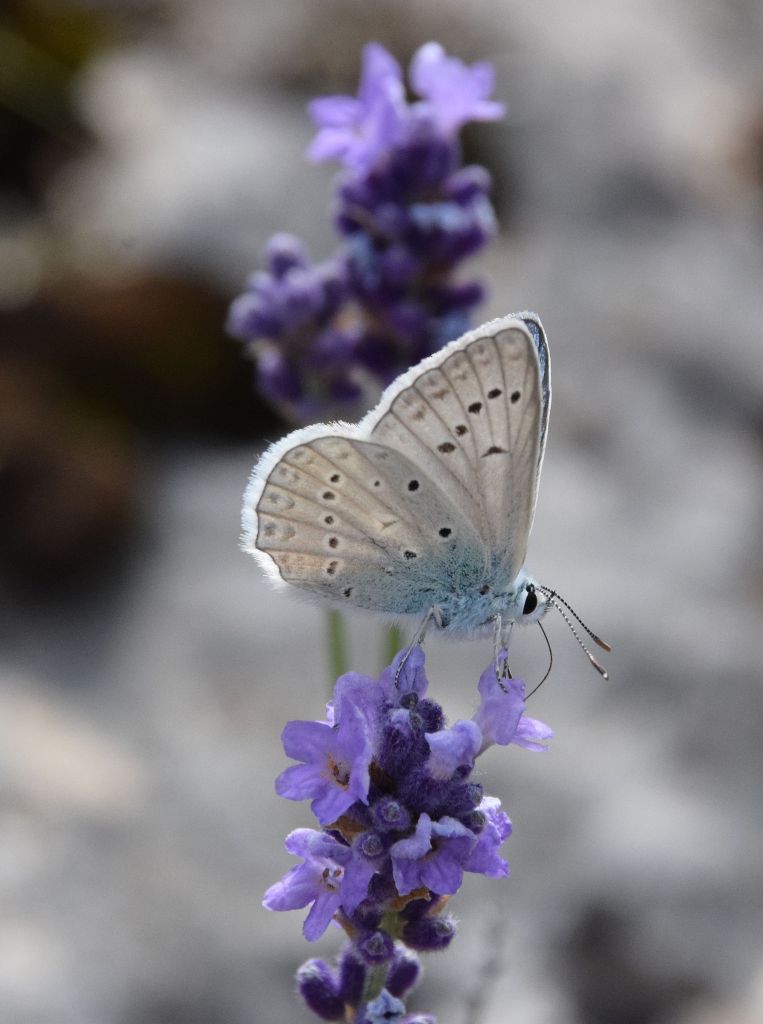
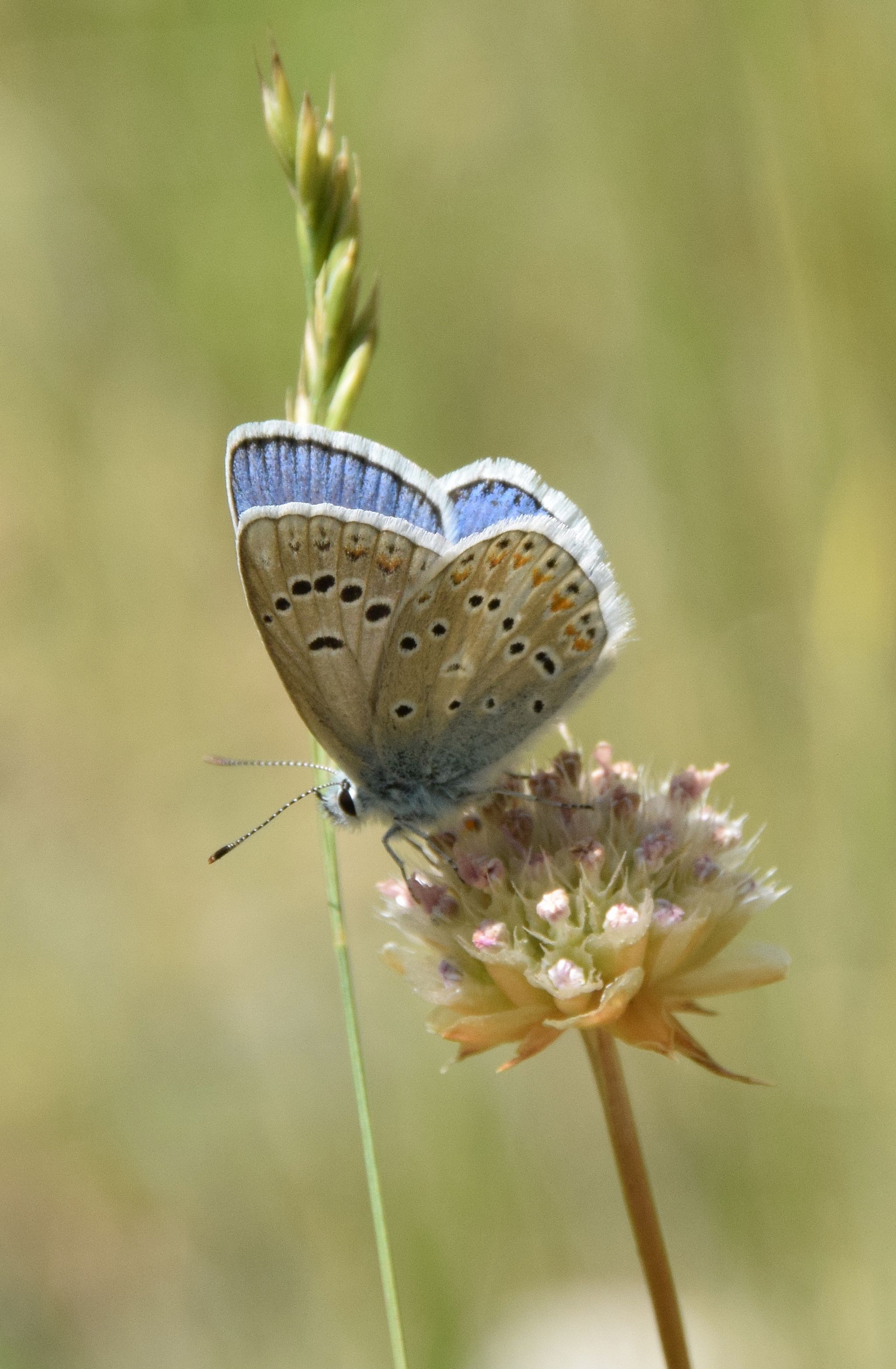
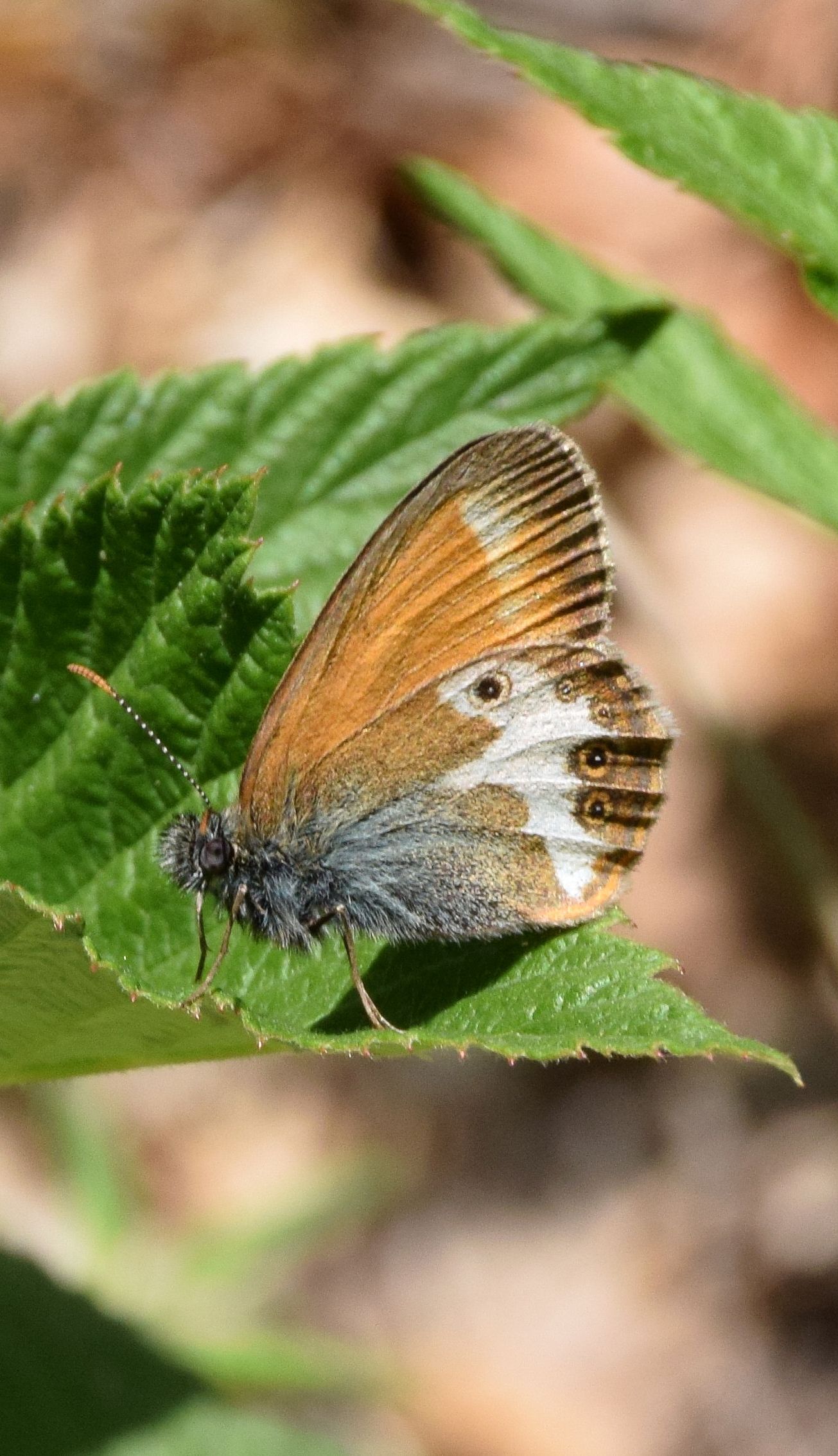
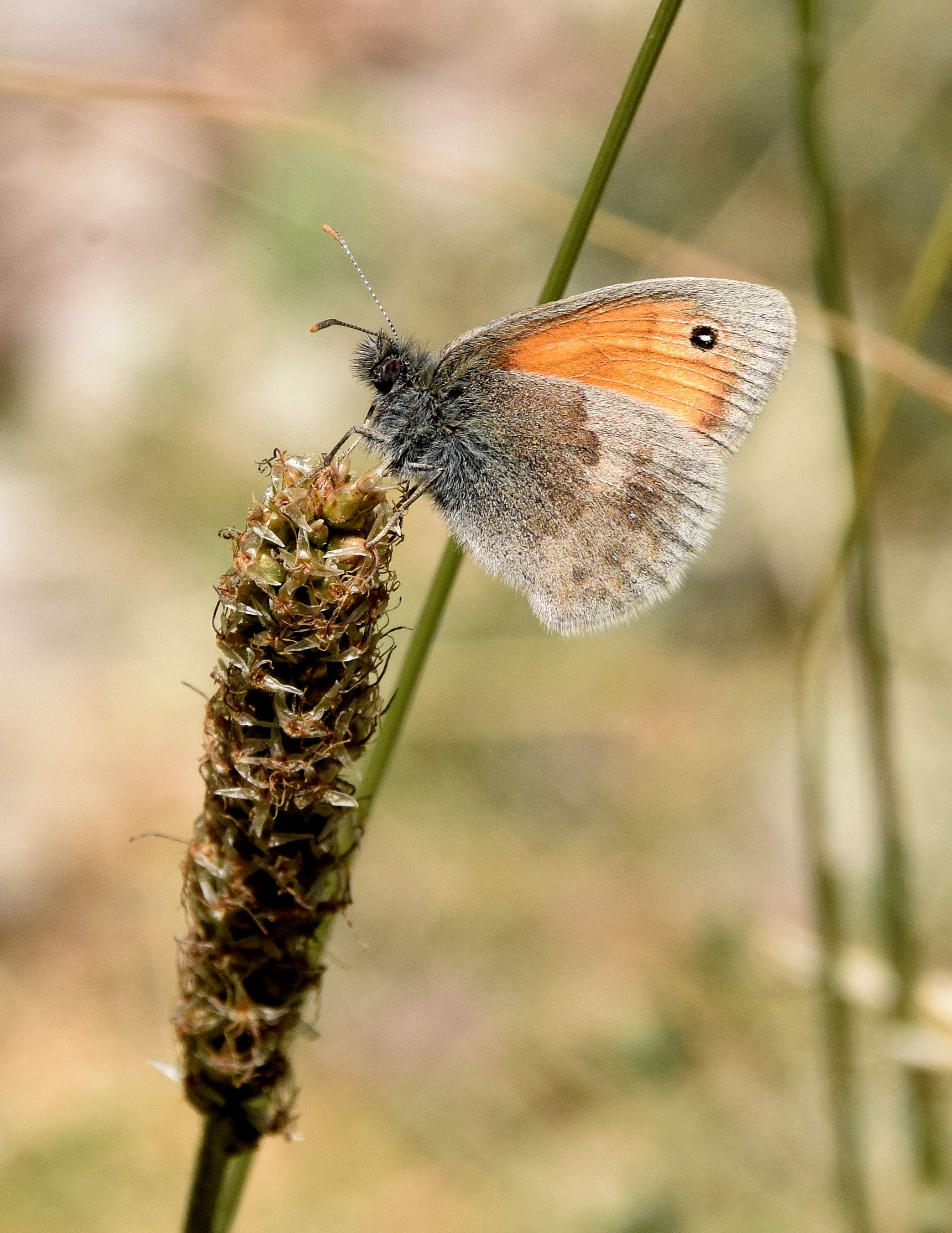
When things are like this – just me and butterflies in some remote location – I do not have another care in the world. Added interest was provided by regional species forms that I noted here. As in 2019 this site’s Turquoise Blue (below left) were of a localised variation showing delicate, pale orange marginal underwing spots with white chevron borders. Pearly and Small Heath were both represented in the gully, the latter being the southern European and north-west African Lyllus form that I had observed previously only in southern Portugal in 2014. But what of my day’s prime target, the magnificent Apollo?

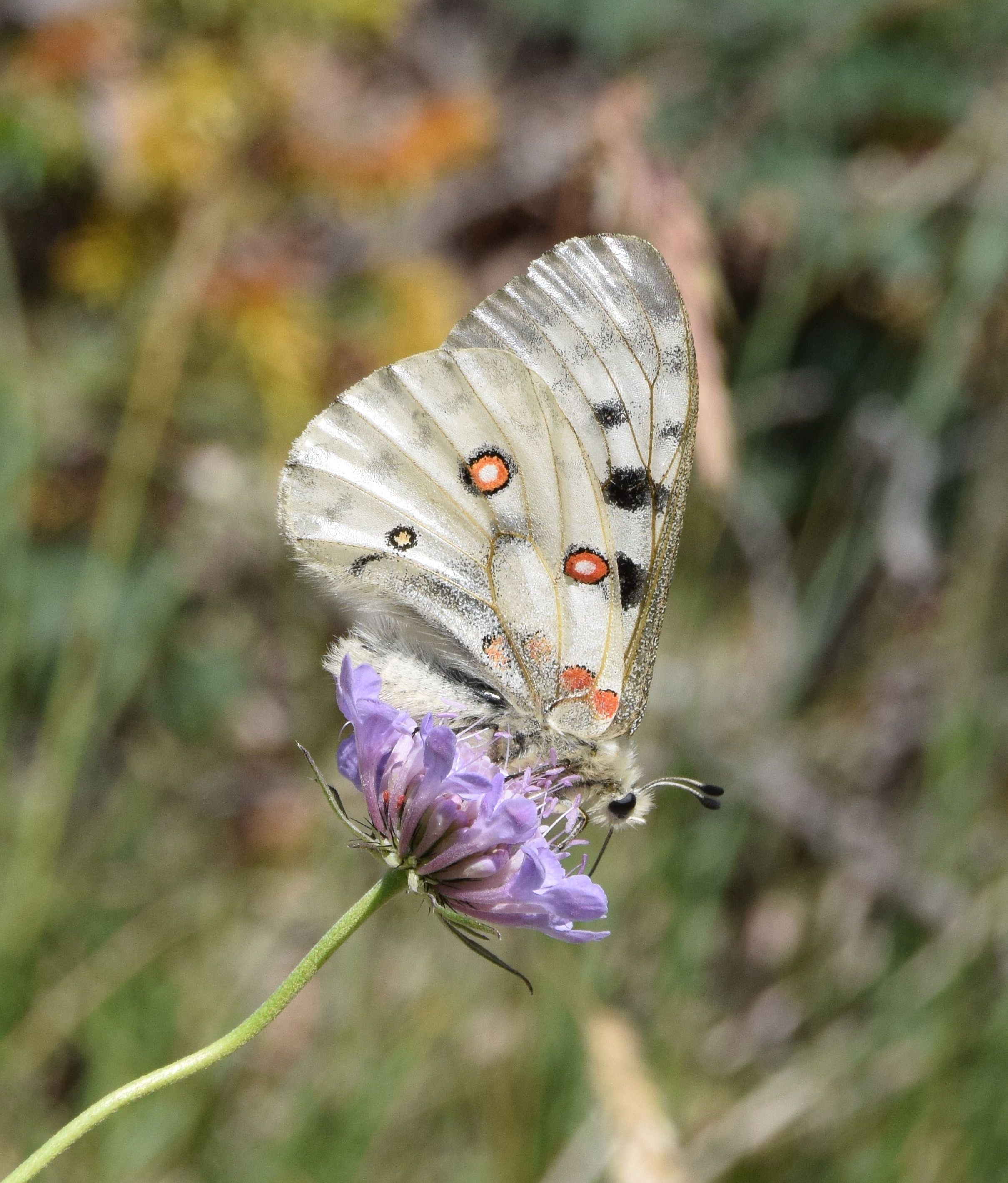
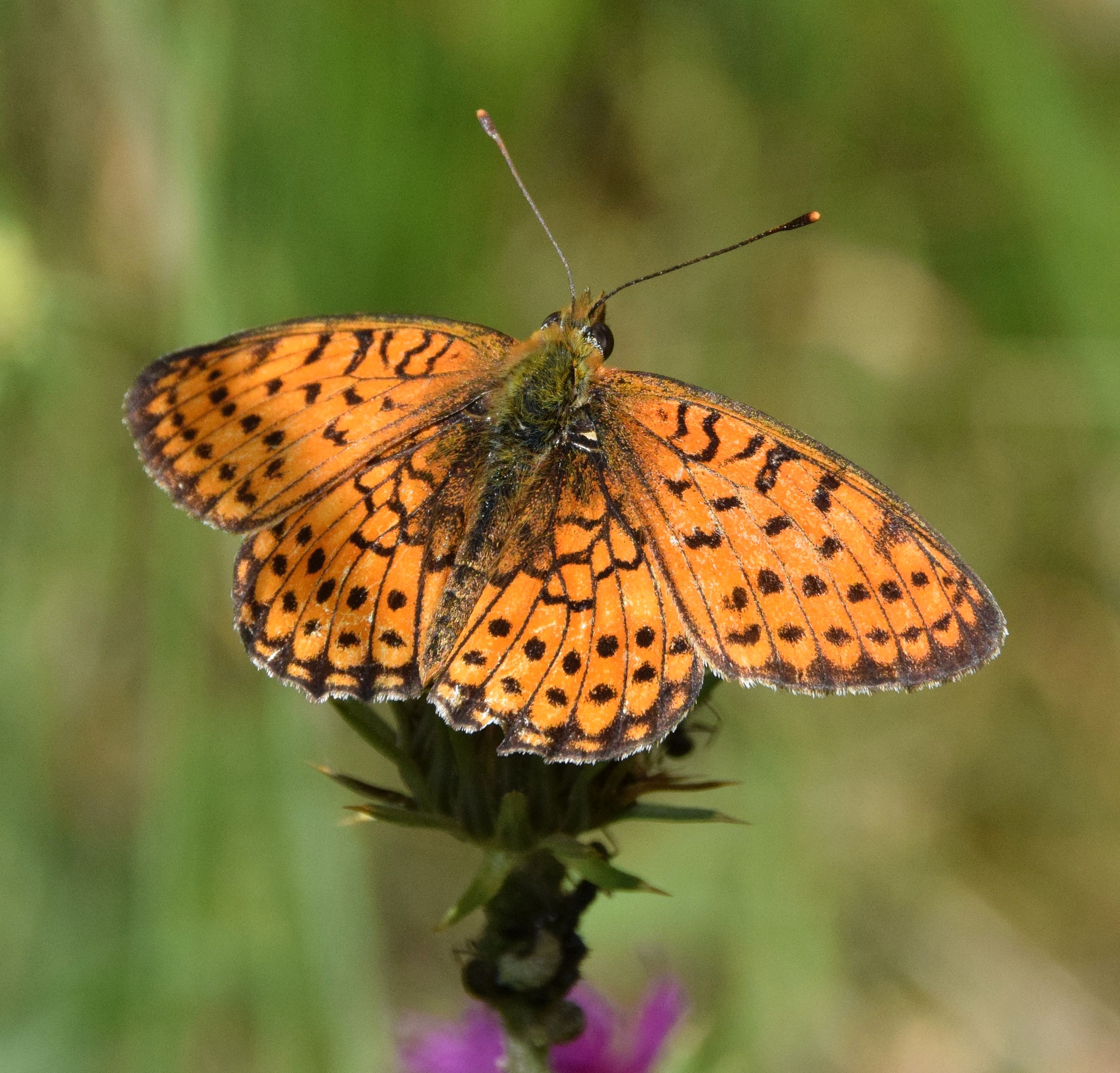
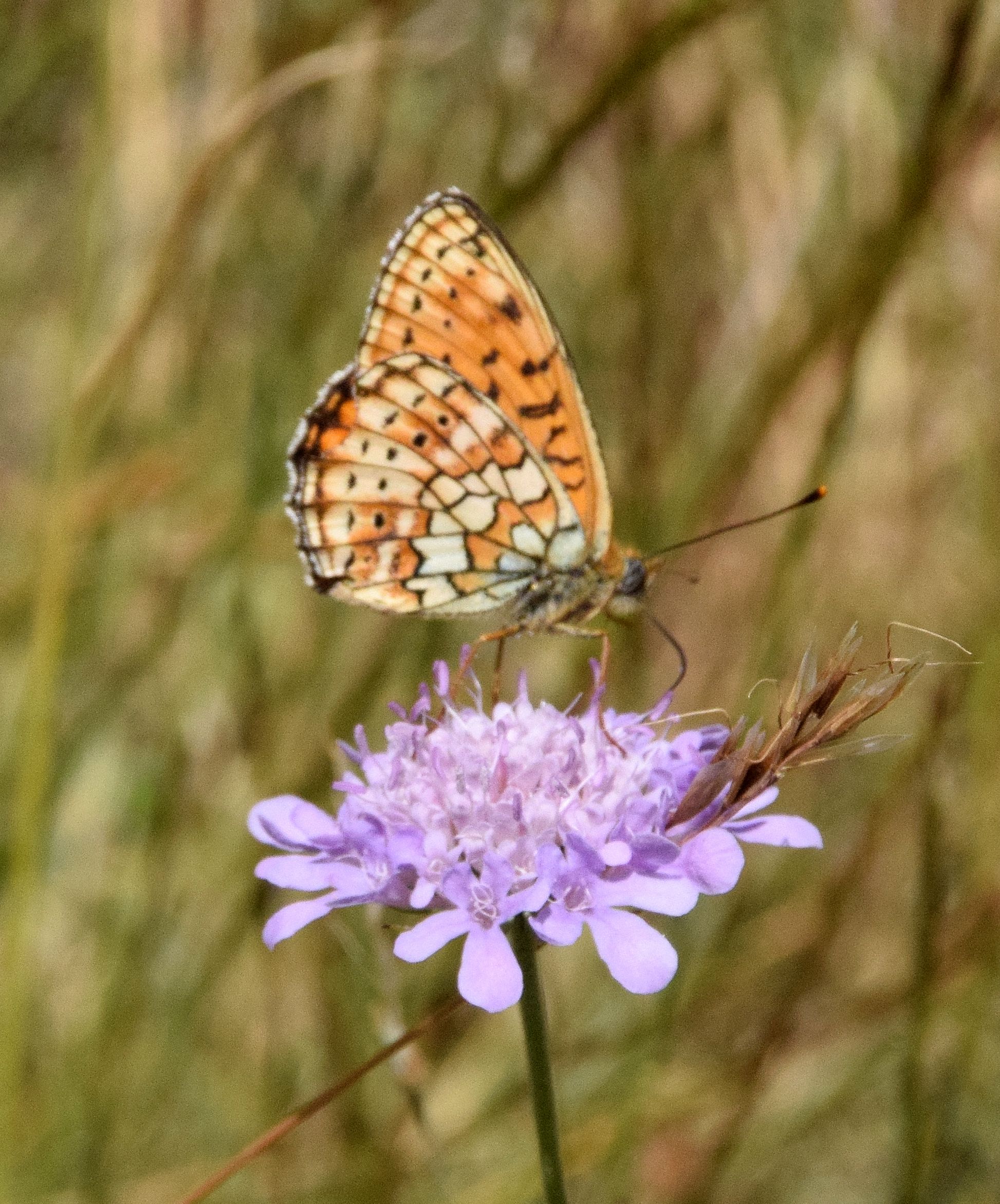
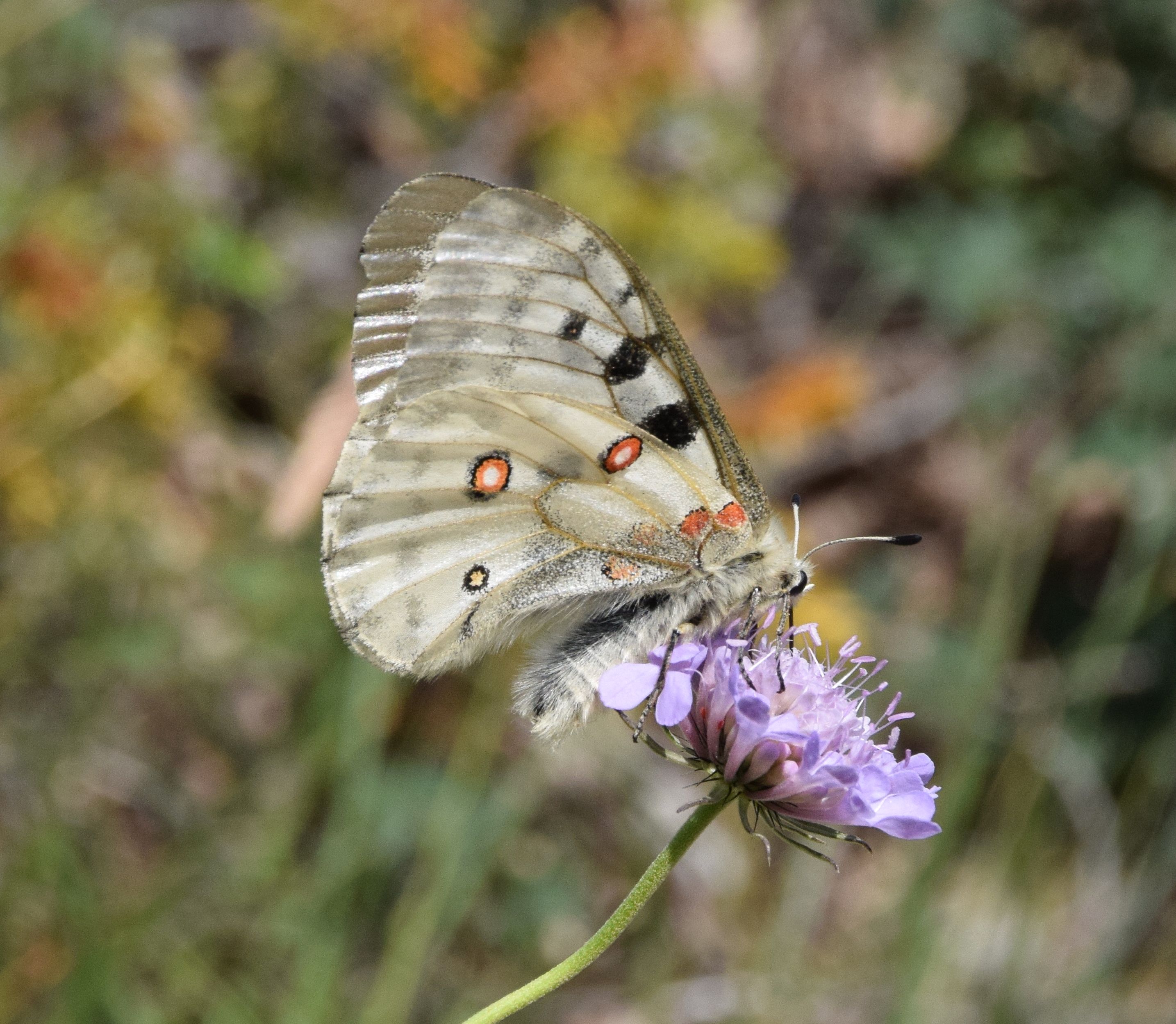
Later in the afternoon I moved further up towards the summit where a tributary gulley runs down into the one described above. Once again the fast flying forms of several Apollo were immediately visible and the issue was getting close enough to them to take acceptable pictures. Different Fritillaries were still far too warm and equally tricky. I only had time now for one walk down the gully then back up again, and as I went I wondered how many days it might take to gain the images I sought. Then, about two-thirds of the way back up, a fresh Apollo (pictured below) landed right beside me to nectar on Scabious then Thistle, and after these results the air was punched in excitement and relief.

Apollo

The body size, wing shape, hairiness and markings all make this iconic Alpine butterfly a spectacular encounter. The markings, especially the red spots can be very variable between different populations, with many local forms, and females are usually larger sometimes with a greyish suffusion. As with the related species Clouded and False Apollo that I had experienced previously in Greece, the waxy wing edges become translucent as the butterflies age and their furry scales wear off. When this one eventually flew off again its place was at once taken by a High Brown Fritillary (below right) to round off my now very satisfactory day.

I returned here on Friday (21st) with the aim of recording the same butterflies and especially the Fritillaries in pictures as they warmed up with the day. Needing to return my hire car to Marseilles by 3pm (four hours ahead of the return flight) to avoid paying another full day’s rental, that gave me around three hours on site from 10am, and the plan worked very well. But the day before at an unproductive site I had finally suffered the trauma of losing my phone in the field, and was hence feeling distinctly out of sorts. Small wonder this has never happened before.

I can of course remember when we didn’t have these tiny hand-held computers that cater for so many needs. Then we had got on perfectly well without the dependency they create but now like anyone else thus rendered suddenly naked I felt lost, anxious and insecure; and the prospect of getting to the airport sans satnav hardly appealed. It is only now, five days later and re-equipped with a replacement phone that I am beginning to feel properly human again. Concentrating on the winged treasures in the lower gully on this final morning of the trip effectively kept my disagreeable condition in check.

Scarce Copper (male)

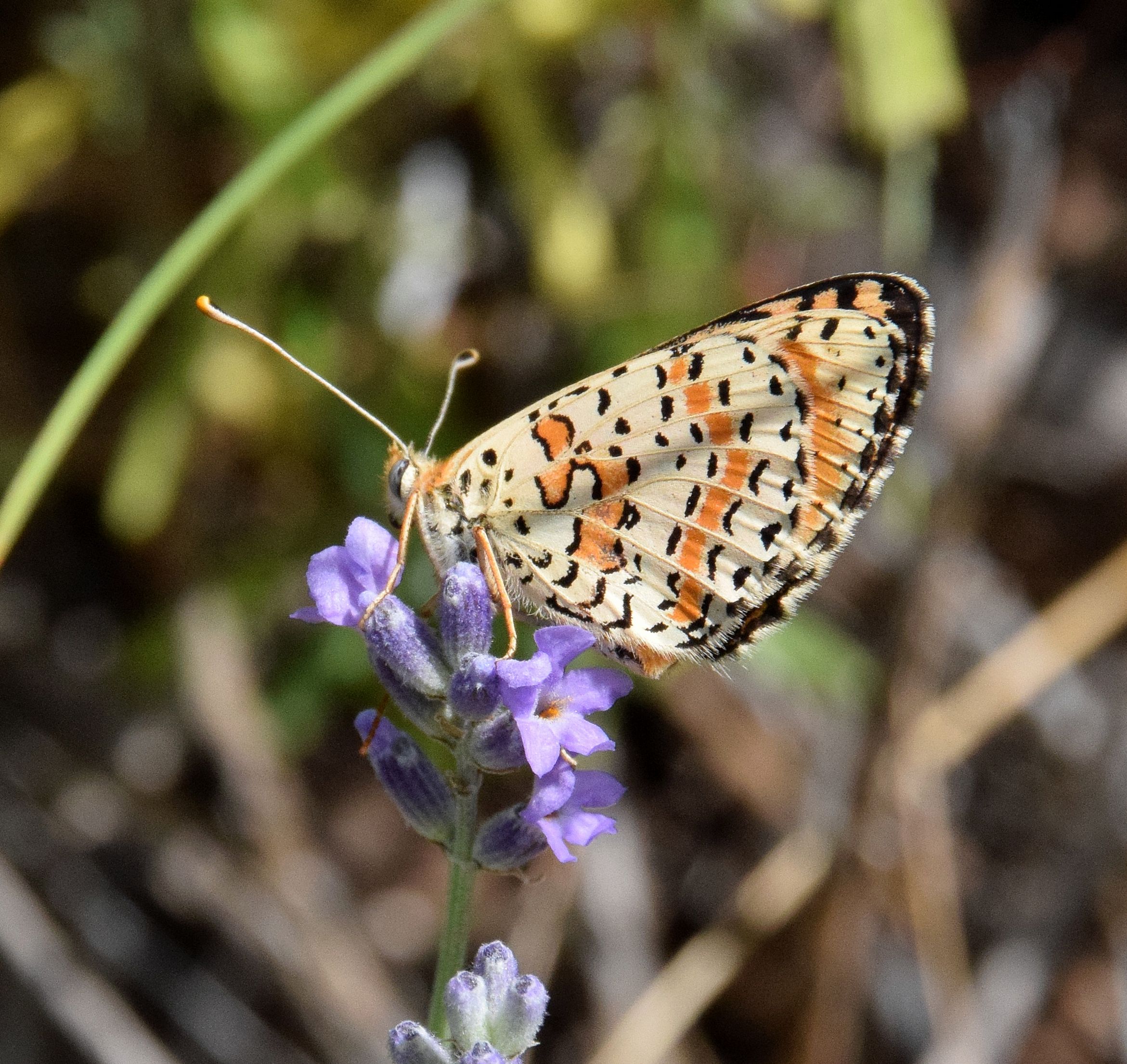
The Scarce Copper (above) was faithful to exactly the same patch as four days earlier, and as then I kept walking up and down to dislodge it again then try to get close. It didn’t ever fly far but could display an uncanny knack of disappearing upon landing before flying up to challenge the next insect passer by. My modus operandi worked especially well with the fritillaries that like others of their genus at home are generally more approachable at this cooler time of day. These (below) are those that I now ID’d, while no more Apollo in presentable condition were encountered.

Top row: Marbled Fritillary – Bottom: Spotted, High Brown and Silver-washed

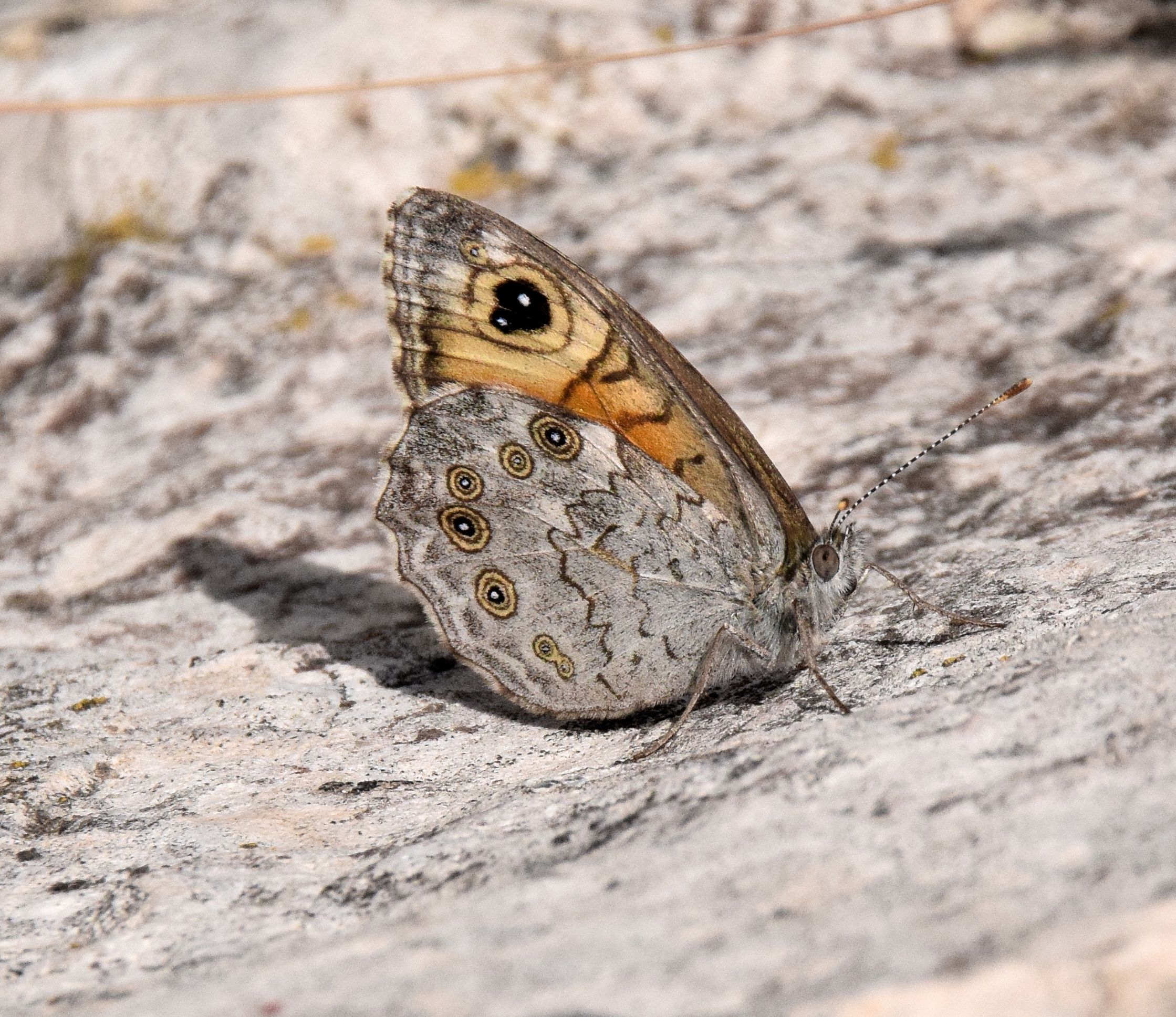
Of the above the most interesting was Marbled Fritillary, a largish orange-toned species with broad, rounded wings. I had recorded it before only at Station de Lure in 2019 but without satisfactory pictures. The top left upper-side study will now do nicely. This normally hyperactive butterfly is widespread and not uncommon through much of southern and central Europe. It favours woodland and bushy places where it is said to be seen rarely far from brambles, the larval food plant upon which it also nectars. One more item to mention is Large Wall Brown that was actually the first butterfly I crossed paths with on this Friday, gaining a first ever underside study (below right).

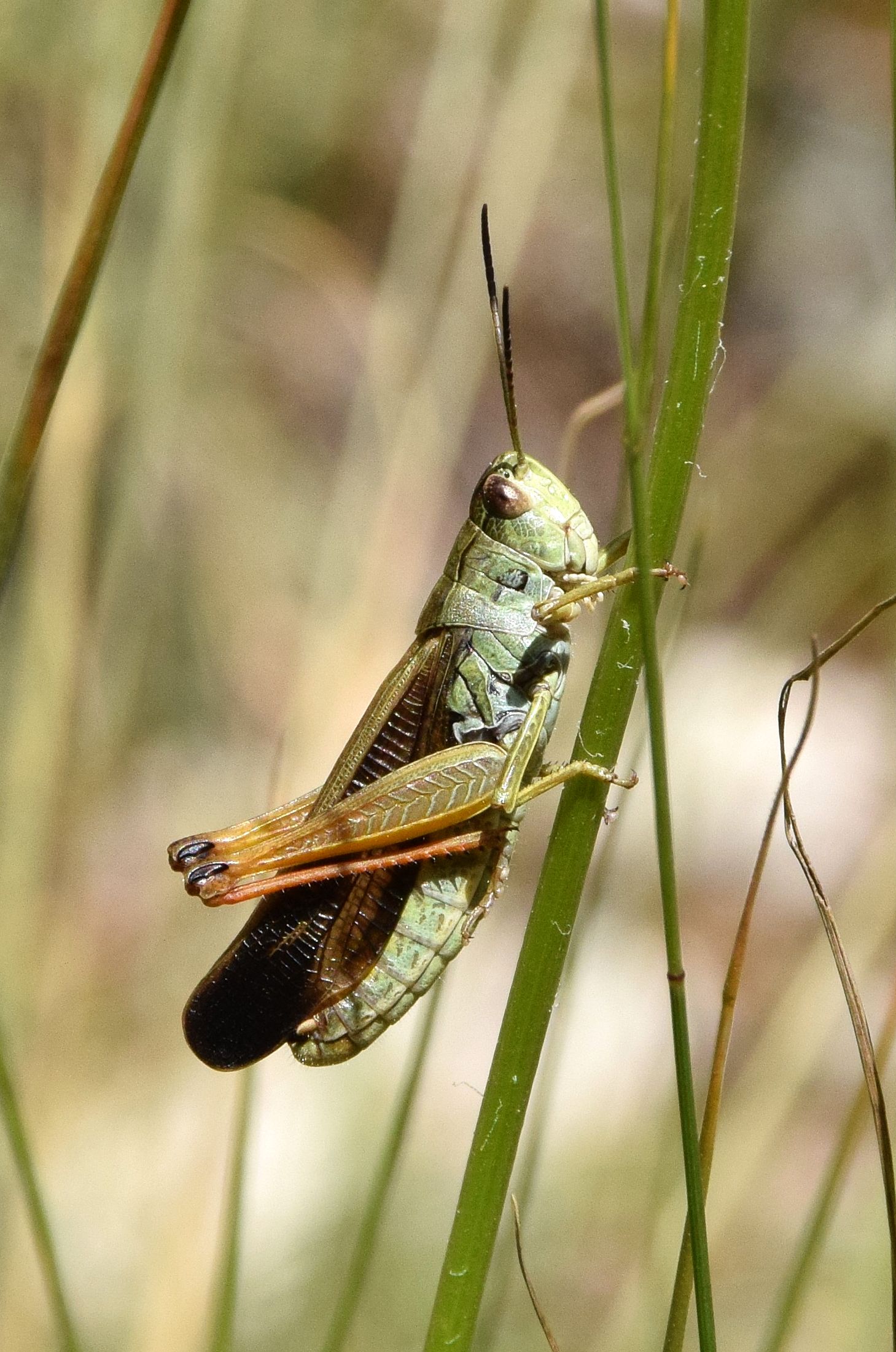
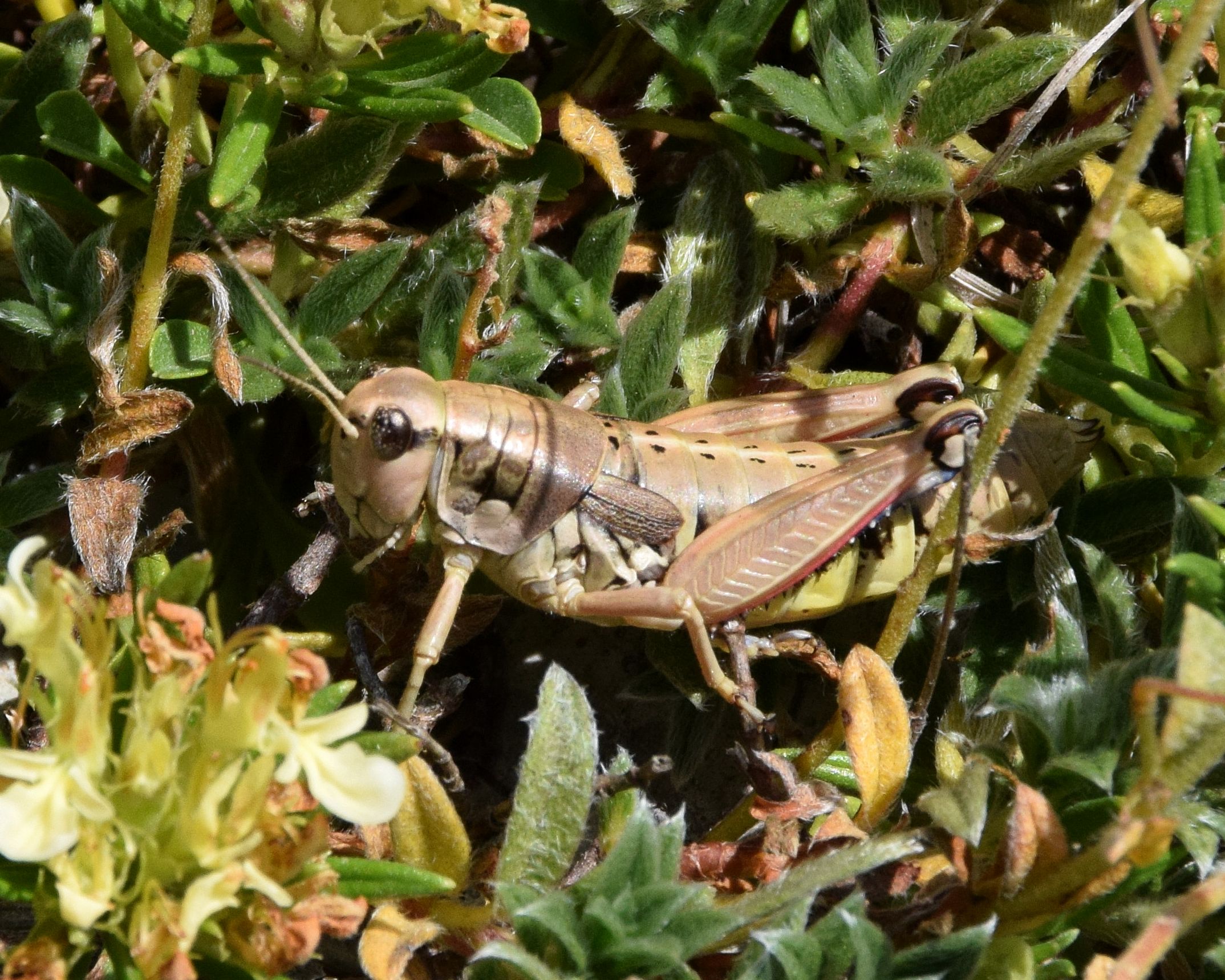
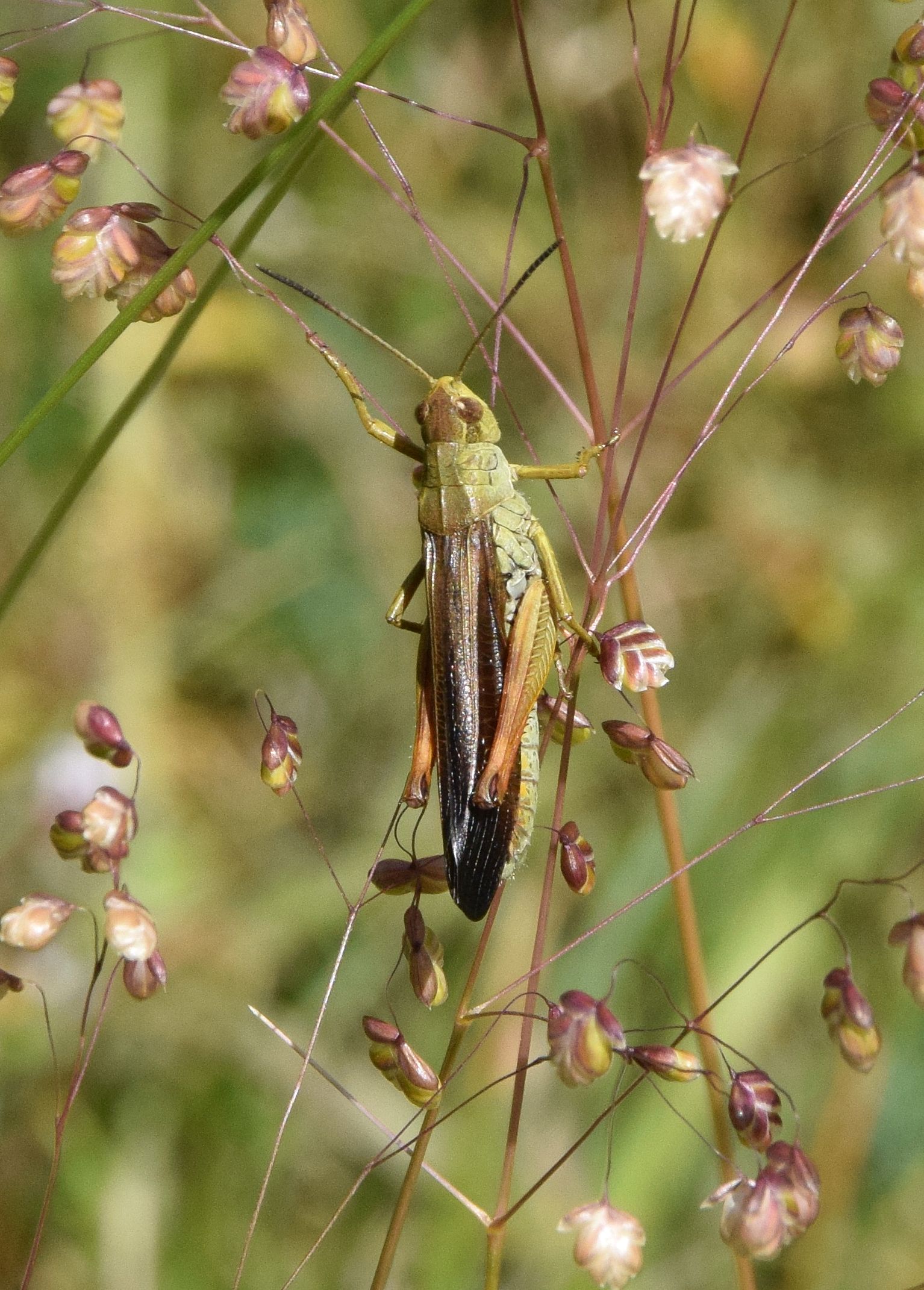
Whilst here I also gained a pleasing Orthoptera lifer, that unusually for this order I was able to identify. I believe these (below) are Ladder (or Large Mountain) Grasshopper that occurs across the Eurasian land mass in sub-Alpine and montane regions from July to September, especially in high-altitude meadows. Males of this medium-sized species grow up to 20mm long while females can reach 24 – 27mm, and like all grasshoppers the basic colouration shows considerable variation.

The full (recalled) butterfly list for these two days was: Scarce Swallowtail, Apollo, Black-veined White, Large White, Green-veined White, Clouded Yellow, Brimstone, Small Copper, Scarce Copper, Brown Argus, Turquoise Blue, Common Blue, Red Admiral, Painted Lady, Queen of Spain, Cardinal, Silver-washed Fritillary, High Brown Fritillary, Marbled Fritillary, False Heath Fritillary, Spotted Fritillary, Marbled White, Rock Grayling, Grayling, Great Sooty Satyr, Great Banded Grayling, Arran Brown, Meadow Brown, Small Heath, Pearly Heath, Large Wall Brown, Dingy Skipper, Small Skipper, Large Skipper – 34

Blue-eyed (or Southern Migrant) Hawker extends its Oxon range: 5 – 7th July

The self-found stuff is always the best. On 23rd June a teneral Blue-eyed Hawker was recorded at a BBOWT woodland reserve to the immediate east of RSPB Otmoor (see here). This was the first Oxon record away from the latter site where the recent county colonist had first been discovered three seasons ago (see here). I have simply not been able to face the prospect of Bernwood Forest for butterflies yet again in 2023, so with a sunny weather window this week and time on my hands I opted for nearby Whitecross Green Wood (SP 600150) instead, with the added incentive of some evolved odo interest.

I ended up visiting on three consecutive days from Wednesday to Friday, since on the first two of those dark grey stuff was sitting over the wood while the sun shone further afield, just as it so often does at both Bernwood and Otmoor. I nonetheless enjoyed catching up with Silver-washed Fritillary and White Admiral when the golden orb broke through, together with many Marbled White and brown Skippers. This woodland was teeming with seasonal butterflies. Ewan messaged on Thursday to say there were three Purple Emperor in the Bernwood car park, but I stuck with my resolve not to go there.

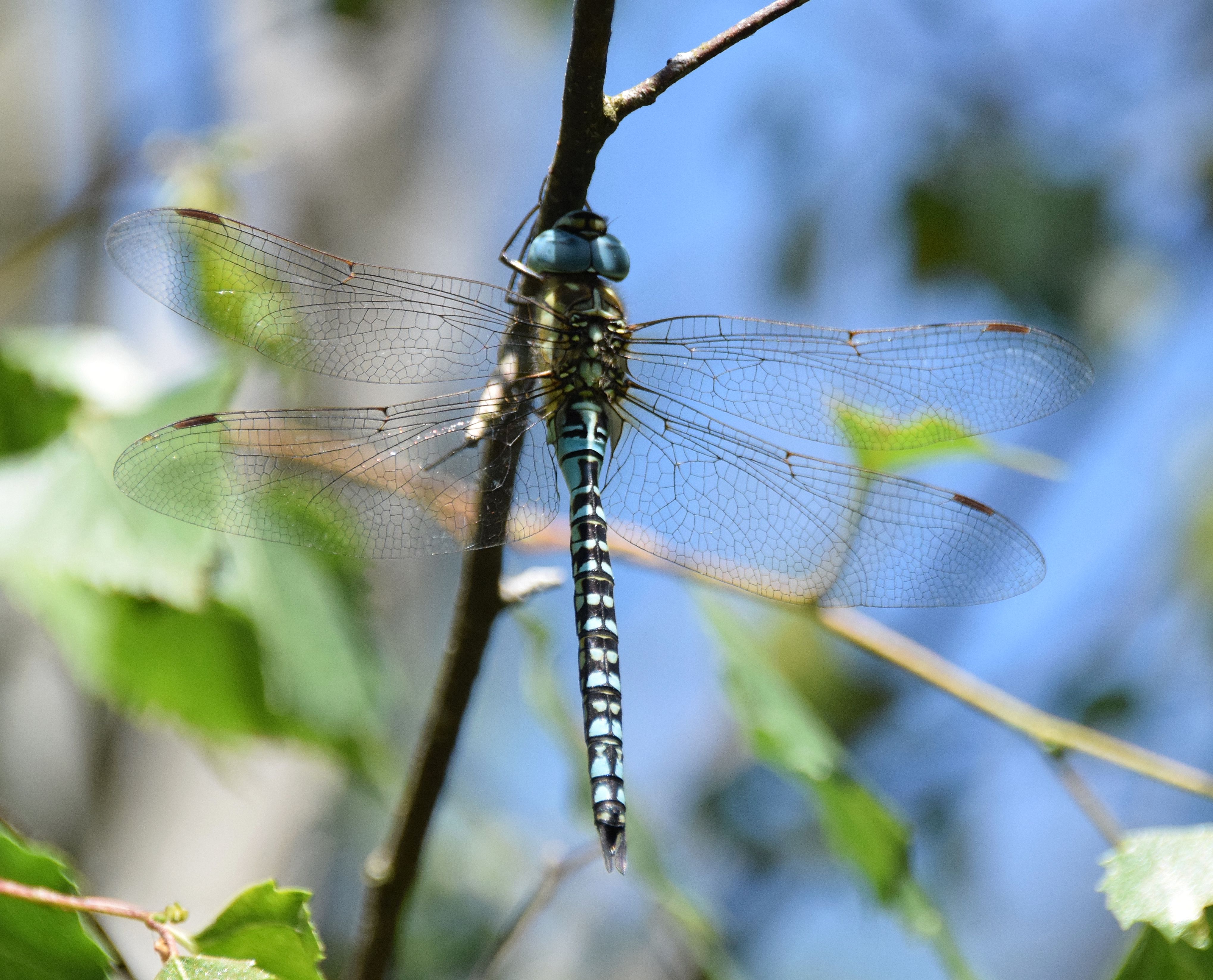
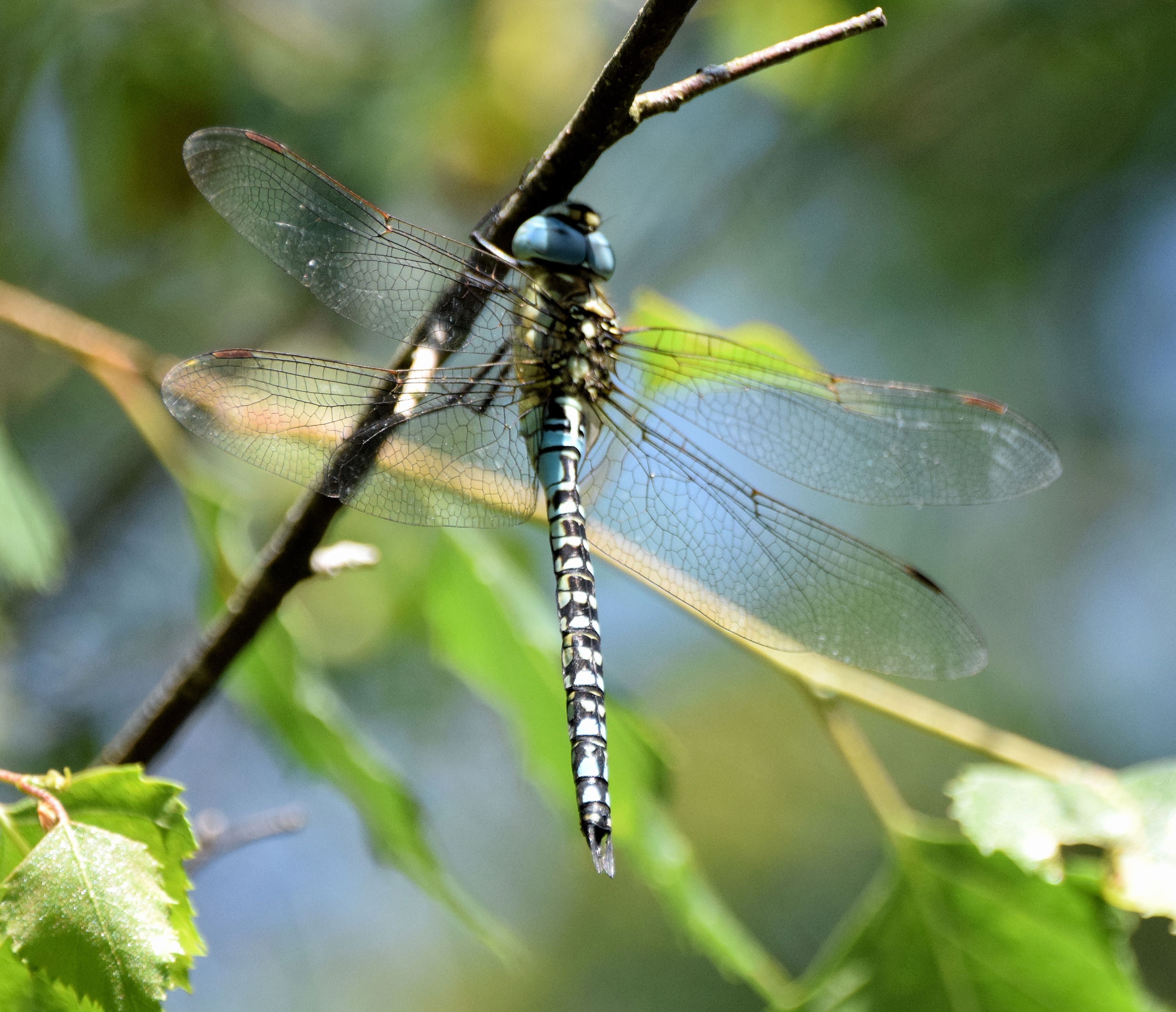
Blue-eyed Hawker (adult male)

Friday (7th) was a wall to wall sunshine day and I arrived back on site mid-morning. With such heat butterflies seemed less in evidence than in the intermittent sunlight of the previous two days. I stopped to talk to Trish, a Bernwood dog walker, wildlife person and character whom I run into in most seasons. She poured out how she has abandoned her traditional stomping ground for WGW and other places, due to the former’s popularity amongst other dog walkers of the van load variety, with whom she falls out frequently. I knew the feeling, and responded with how I currently am less motivated by local butterflies and also now struggling with wild plants as an alternative.

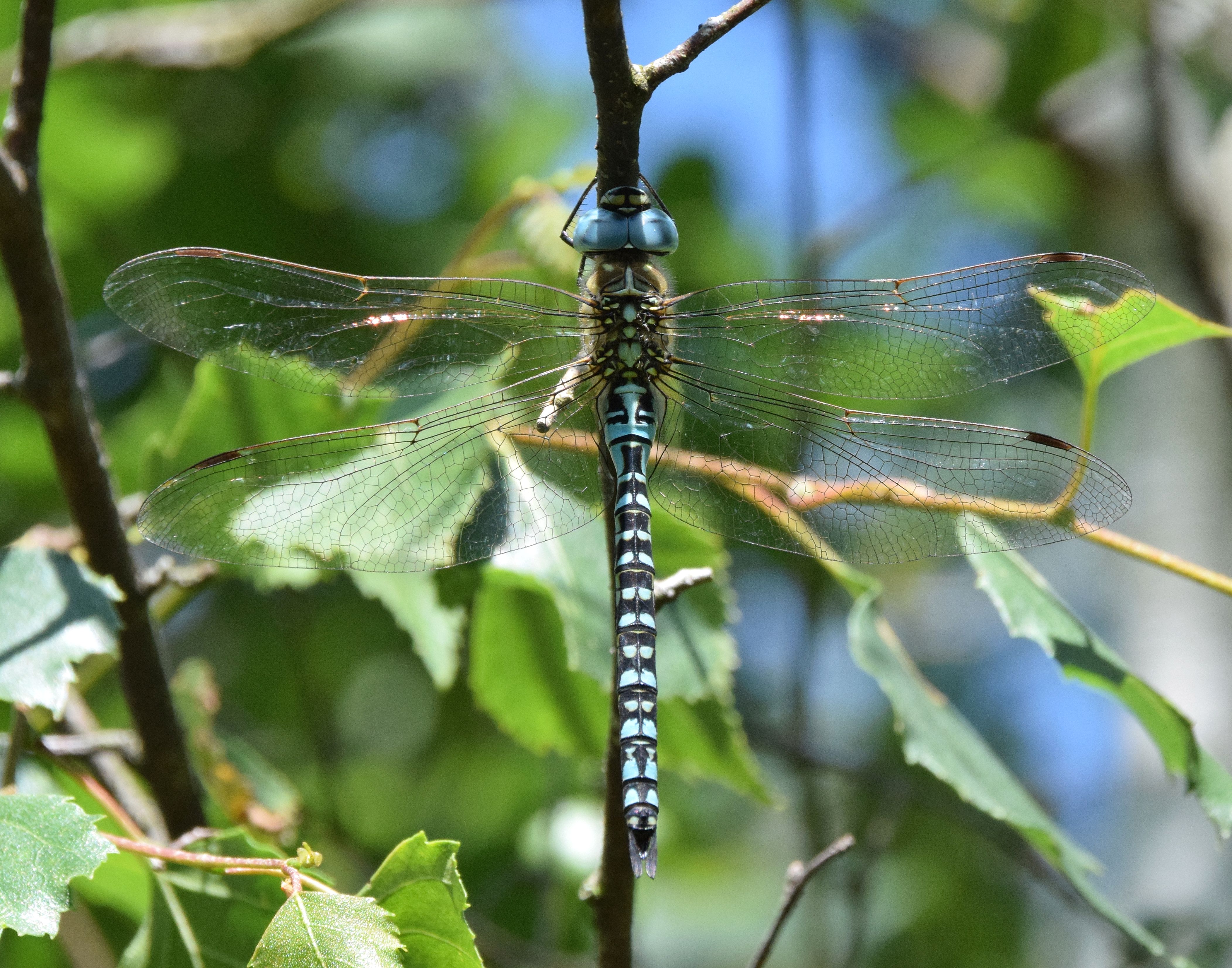
I have always visited WGW sparingly, as the difficulty of finding things there and especially Brown Hairstreak served to depress me eventually. But now things were poised to transform and the timing of this diversion played its part. Walking on and reaching the cross roads in the middle of the wood, I decided it would be novel to explore the ride to the left. Almost back at the centre I noted a medium-sized dragonfly with a reddish tinge in the wings patrolling at head height before settling in Blackthorn to one side (pictured below).

I approached carefully, trained my bins on the now perched subject and … “YES, it has bright blue eyes” … an adult male Blue-eyed Hawker. This item was noticeably smaller than Migrant Hawker for which it is still too early. The insect kept completely still for 11 minutes, during which I also managed to inform the county odo and bird recorders of my good fortune, before it flew off to challenge an offending fly-past. Having searched in vain for this species several times around Otmoor in the past two summers I was now rewarded with a picture opportunity just above my head, though in glary light with a shadow cast over the head and thorax. Sooner or later you just get lucky and today was my turn.

Having enjoyed this communion I realised I had seen possibly two more individuals with the same jizz and red-tinge as I walked down to this spot, but those could also have been one and the same. Males such as this have a noticeably brighter blue look to them than other Hawkers, with vivid blue eyes and green sides to the thorax. The ochre-coloured pterostigma (wing tags) are relatively long, diagnostic twin blue and black markings on segment 2 are said to resemble masks, and the veining in the wings glows noticeably when caught by the light in a particular way.

By now there was a certain amount of company, most of which didn’t appreciate the significance of my own purpose here. As so often at this site, those visitors seemed to still be looking for Black Hairstreak, that even if located would have been very worn by now. And so I wandered on to the hot-spot near the end of the main ride, before making a cursory check then watching an array of common dragonflies at a newly opened-up pond. Stately Brown Hawker and Blue Emperor would glide by at intervals, showing their usual disinclination to settle, and Darters hovered here and there in the trackside long grass. Conditions were by now very hot and I sensed the best time of day for crossing paths with BEH might have passed.

At 1:20 pm, 50 metres from the car park another adult male flew out then hovered in front of me. This was the spot from which the previous teneral record was reported. BEH / SMH sightings having also come from Oddington in the Otmoor basin recently, I had originally intended to check out both sites on this day. But given new and different success at WGW I opted against trying to match the ace patch worker who has produced most Otmoor records since that first season, and went home to watch the tennis instead.

Since it’s arrival nationally along the Thames estuary in 2010, Blue-eyed (or Southern Migrant) Hawker has colonised England south of the Humber widely and rapidly. The species has spread through much of coastal East Anglia and southern counties as far as Dorset, with outlying records from Cornwall, the Bristol Channel and the Lancashire and Yorkshire coasts. The small Oxon population has proved quite difficult to record, with individuals usually encountered fleetingly by single observers. So I feel very satisfied now to have played some part in monitoring the anticipated local range expansion.

Footnote: Since my publication of this record on Oxon Dragonflies, the great and good of the county Odo community have in turn visited Whitecross Green Wood, gaining multiple sightings (see here, here and here). Up to seven adult males were also reported from the Oddington site on 17th, so the Oxon BEH population appears to be in good health.