The striking Barrow’s Goldeneye is resident in Iceland, Greenland, parts of eastern Canada and Pacific north America. It must be difficult to miss them at Lake Mývatn, since this was pretty much the default duck of my four-day visit. The locations of the previous three posts were probably the best in which to get reasonably close to them.
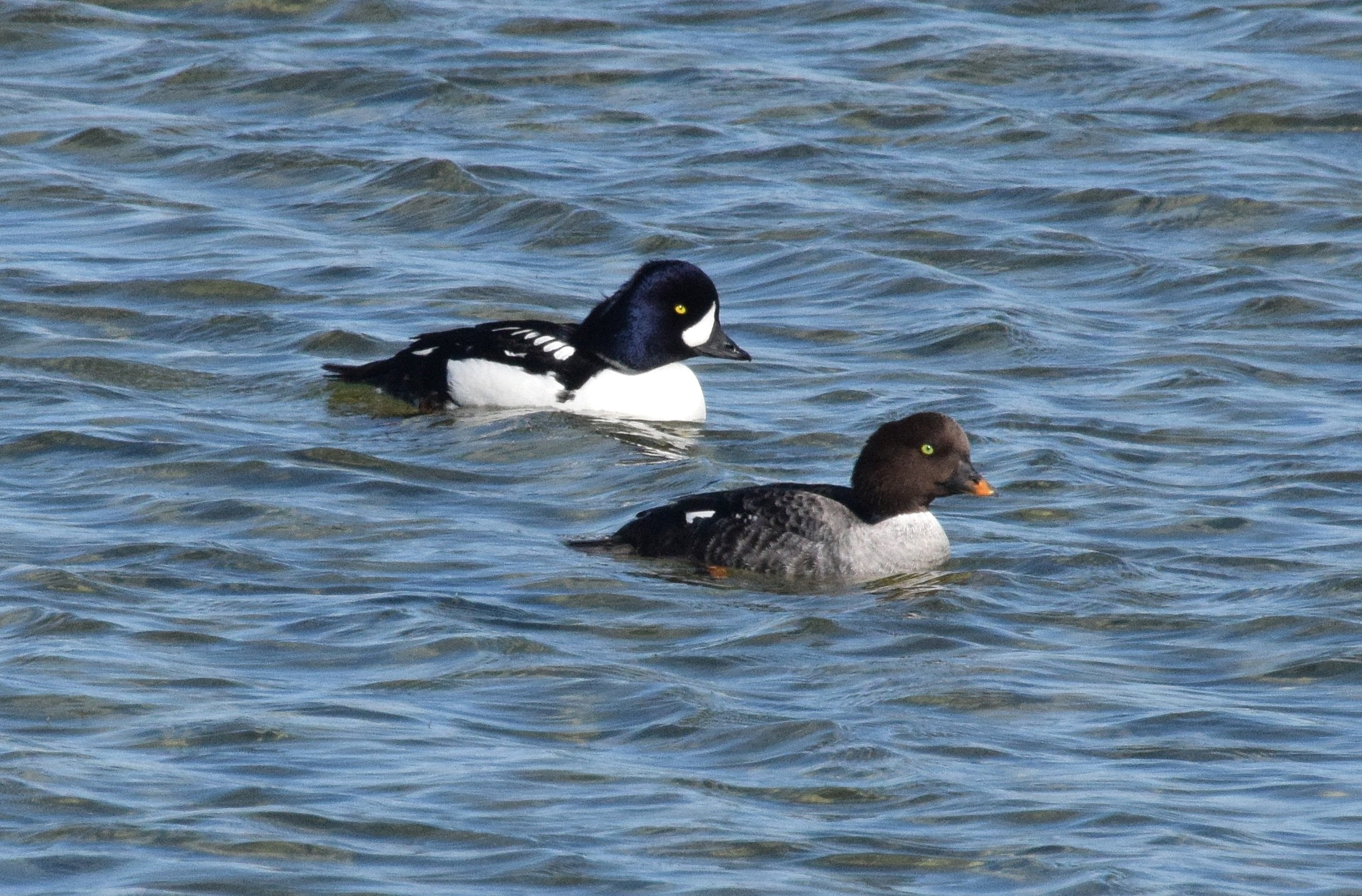
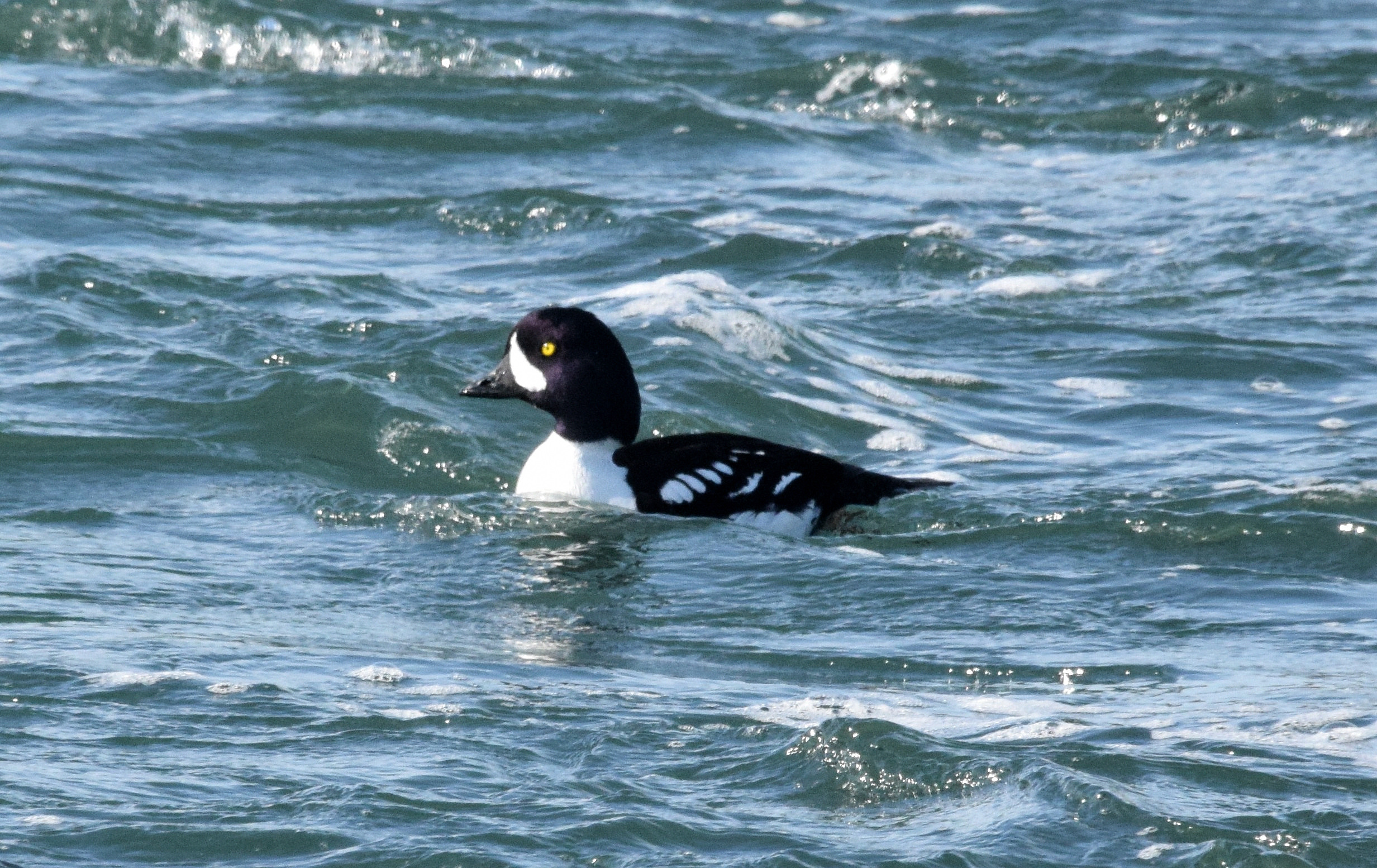
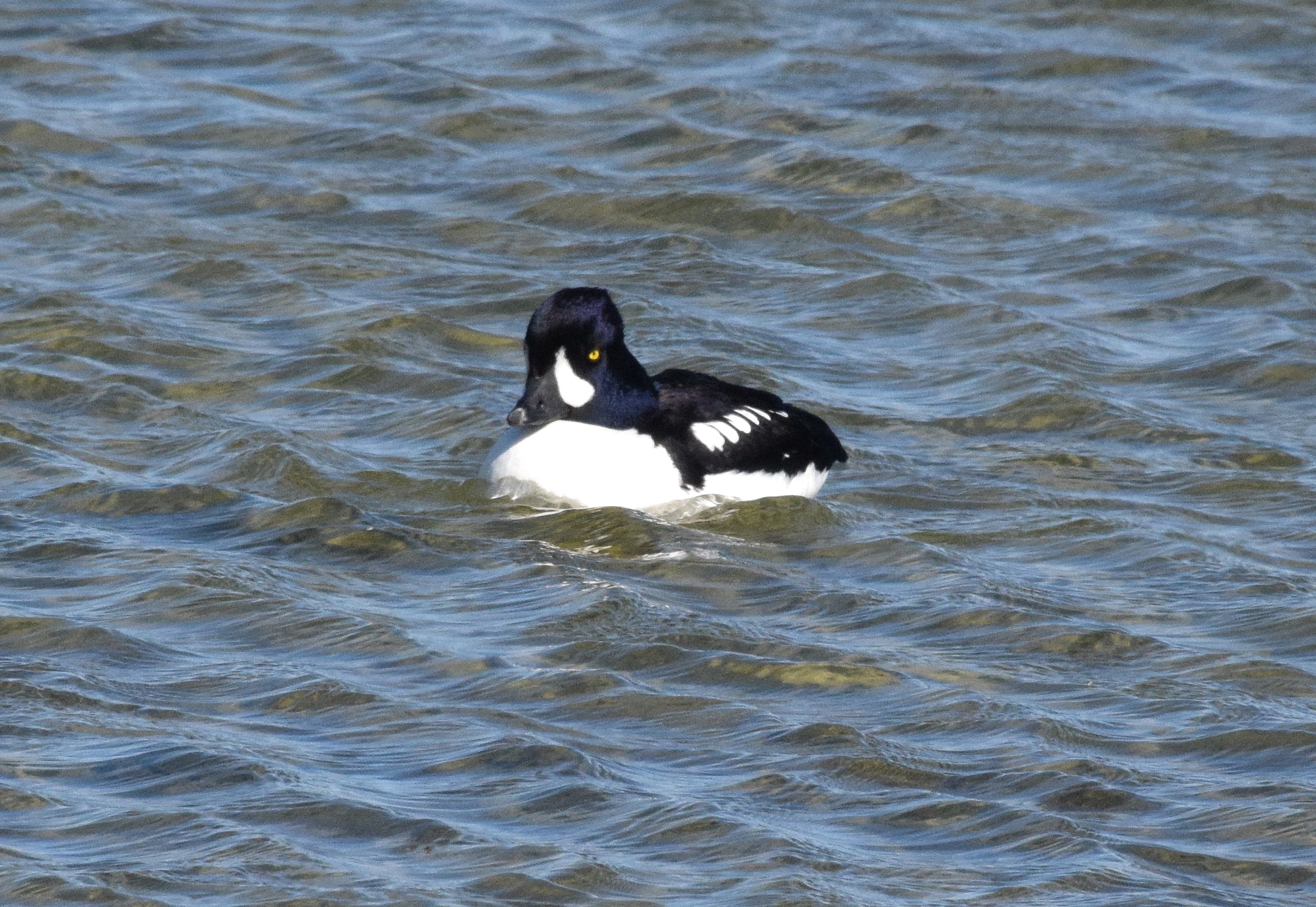
This Icelandic specialty is slightly larger than Common Goldeneye with a clearly different head profile, that being longer and triangular with a higher forehead and flatter crown. Breeding males (pictured below) exhibit a deep purple gloss on the head, with a white, crescent-shaped face patch between eye and bill. A line of white “windows” on the wings is another stand-out diagnostic. Females are predominantly grey-toned with rich brown heads and a mostly orange-yellow bill. Drakes are notably territorial.
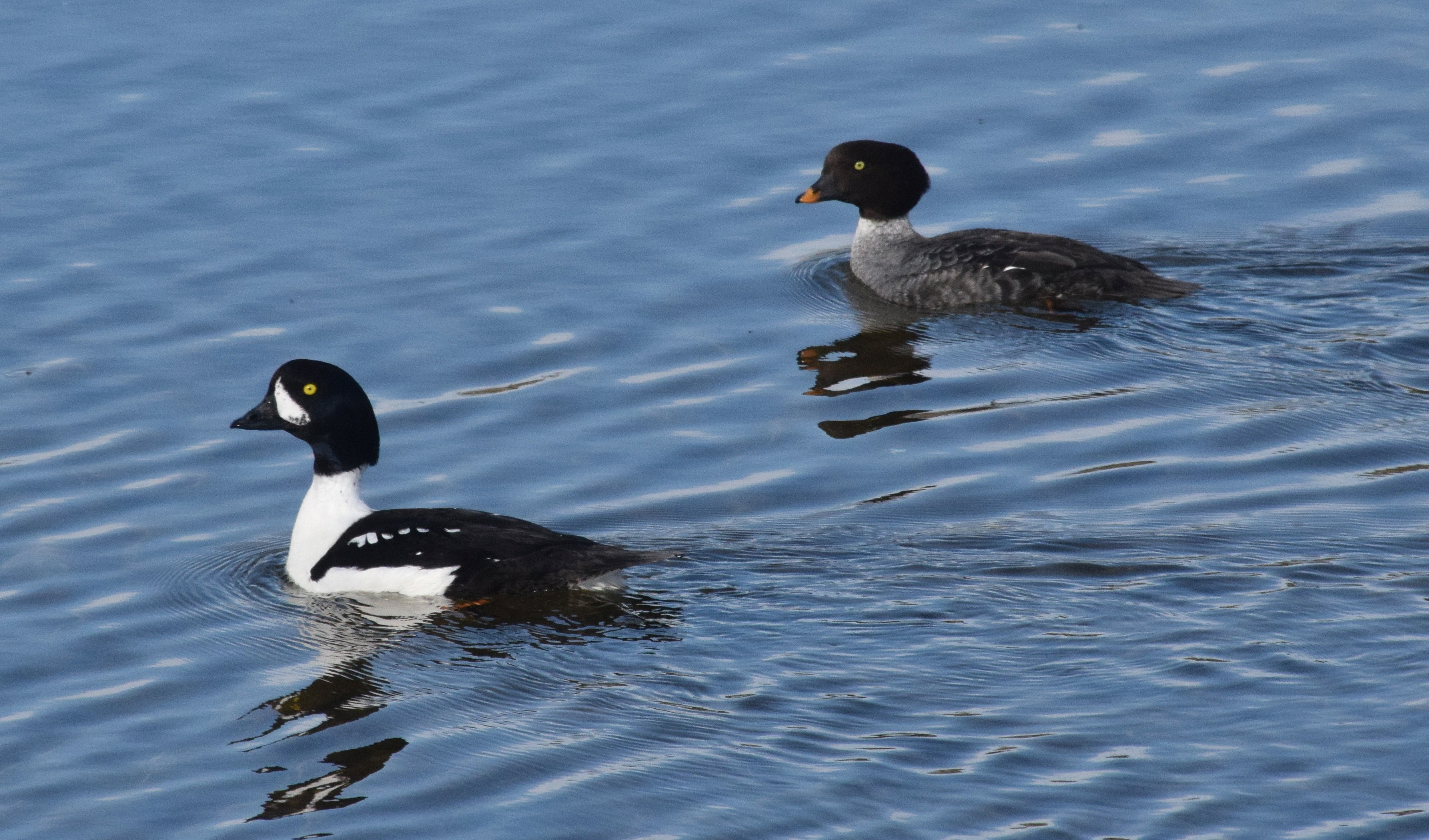
These ducks thrive here on Mývatn’s abundant food supplies of insects, molluscs, crustaceans and aquatic vegetation. Since there are no large trees in the tundra landscape, such as Common Goldeneye prefer for nesting in hollows, Barrow’s typically favour laval fissures and other suitable cavities in the ground, or even buildings. After breeding these birds may relocate to separate moulting grounds, then in winter they move to other, non-frozen inland and coastal waters.
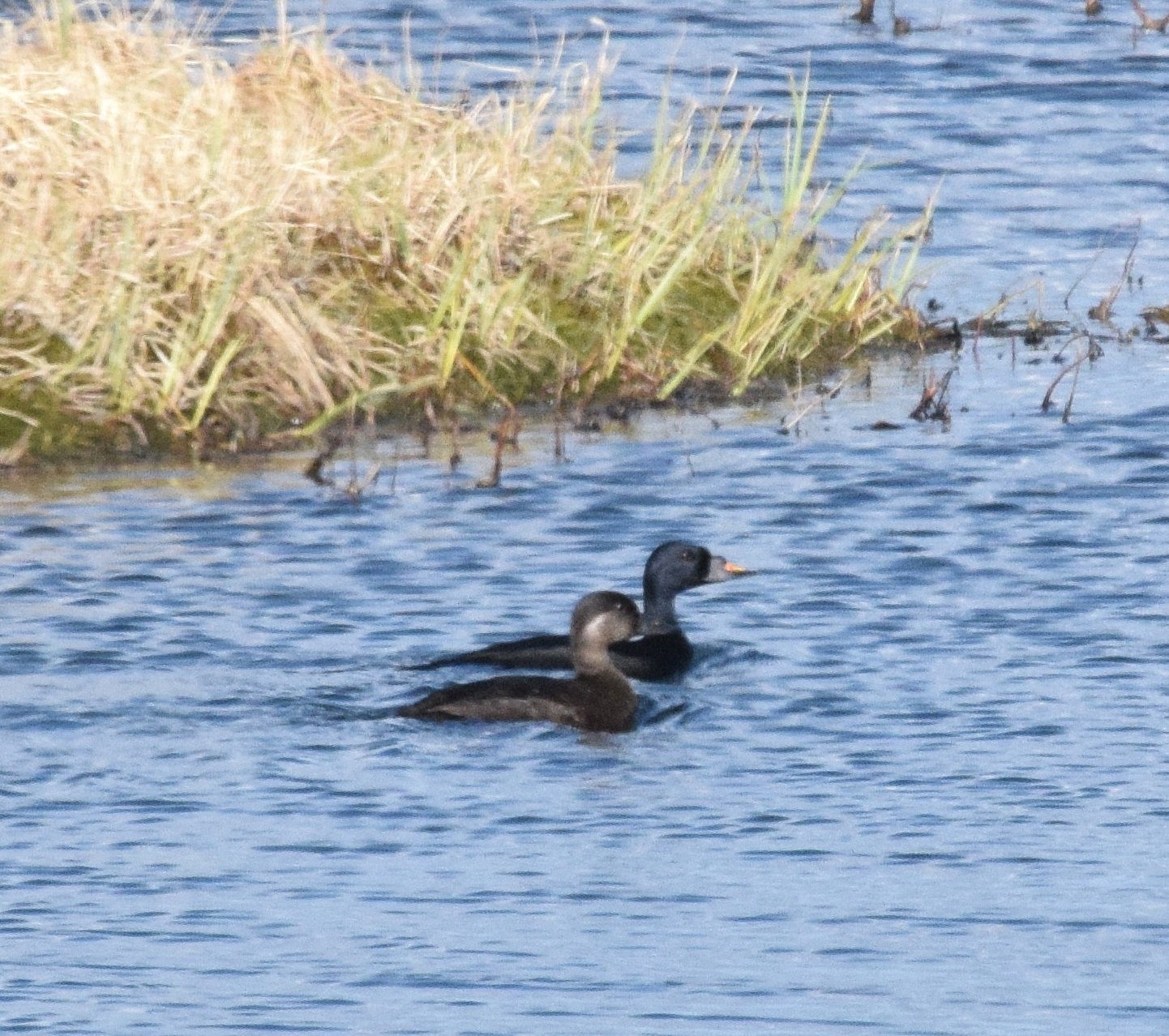
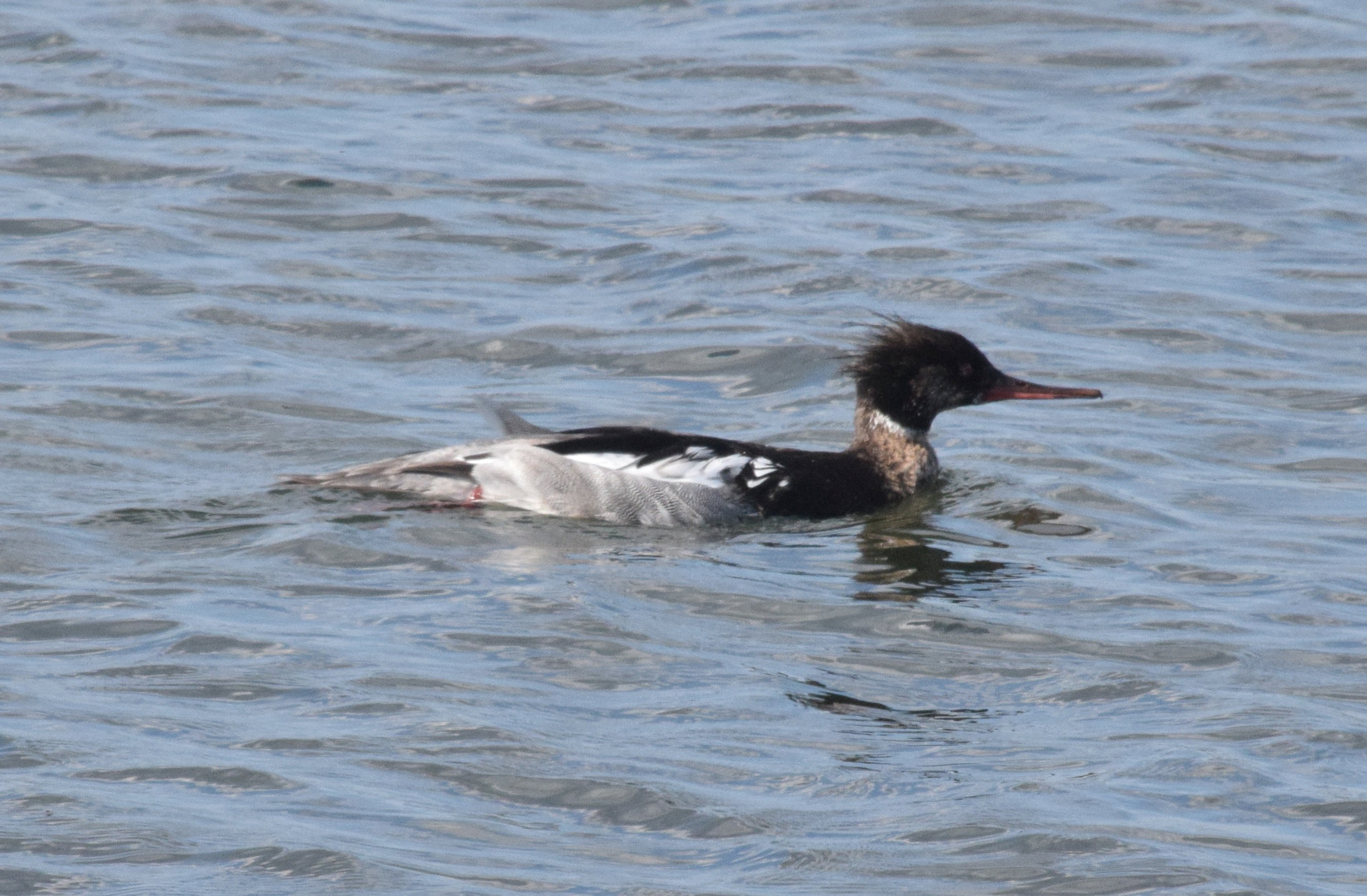
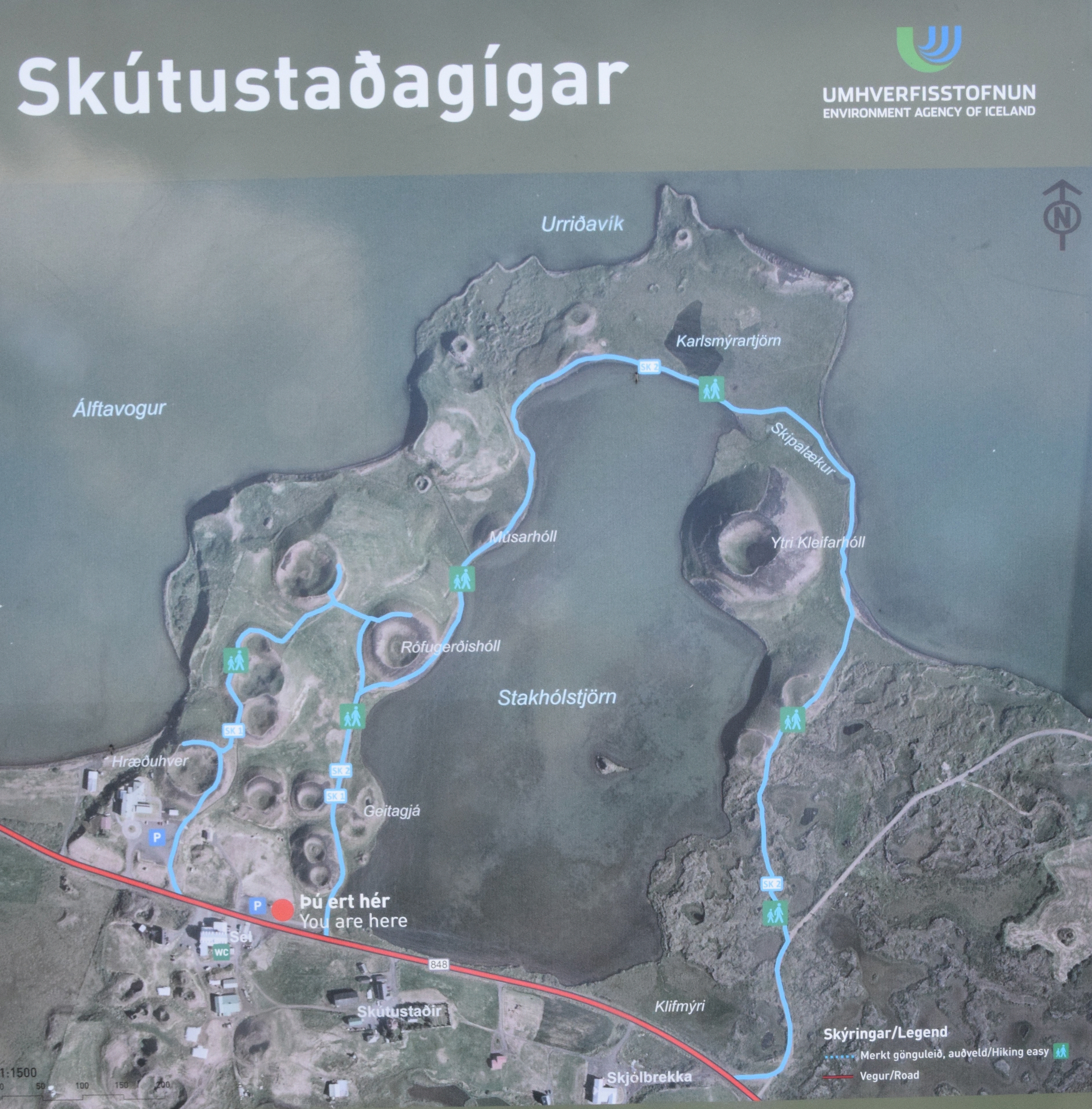
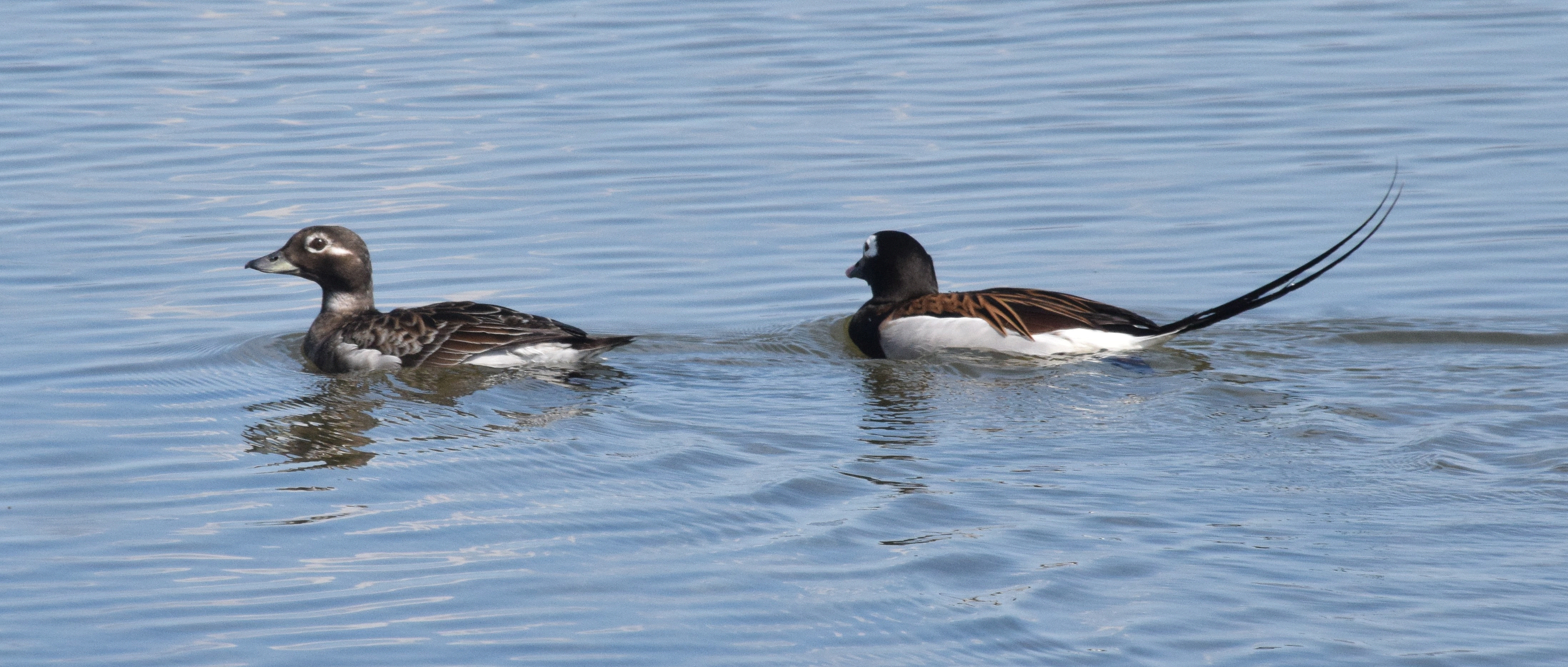
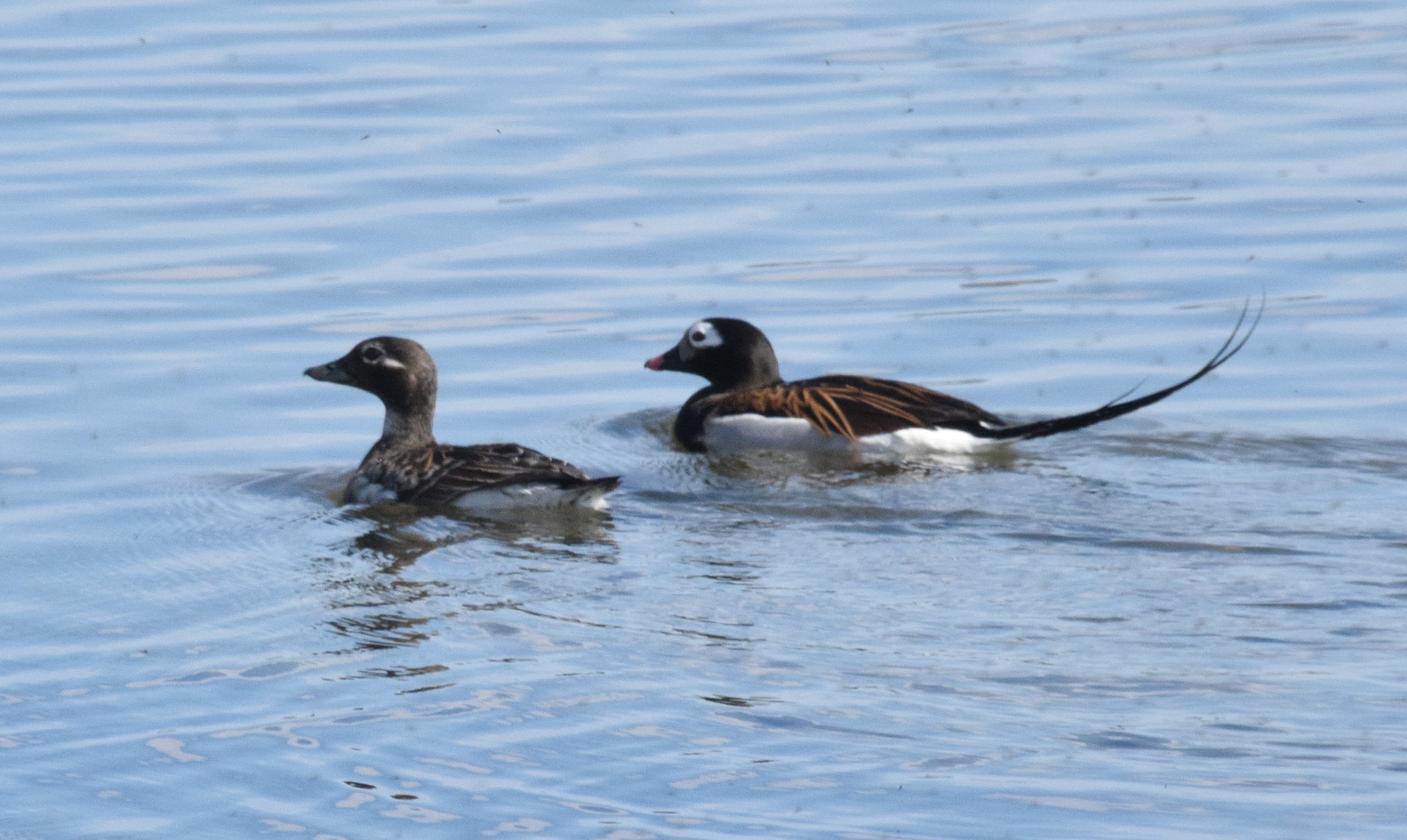
Further more notable regional ducks the above noted food resources support are Scaup, Common Scoter, Red-breasted Merganser and Long-tailed Duck; while the Swans here are all Whoopers. I recorded the first three of those in one place on 15th, when to complete the day (after Laxárdalur and the visitor centre) I visited Sigurgeirs Bird Museum on a large peninsula in the lake’s north-eastern section. Along one side of the access road there were pools in the tundra that offered good viewing, while the other side looked over the lake to the south.
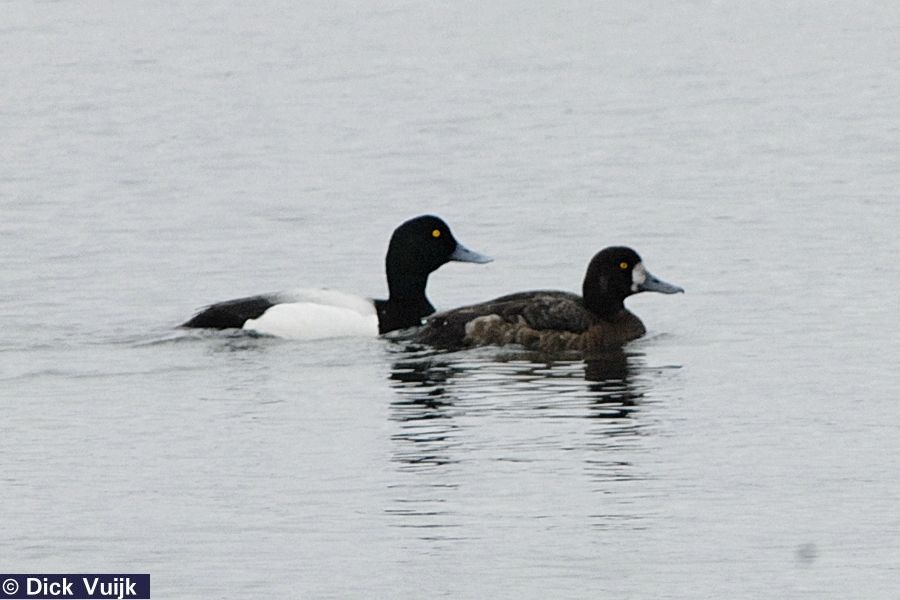

- Scaup – a fairly common, migratory breeding species in Iceland that mostly winters in the British Isles and north-west Europe.
- Common Scoter – Lake Mývatn hosts around 80 per cent of Iceland’s breeding population of this wide-ranging sea duck. Drakes return to the coast in mid-summer to moult, while females remain for longer to rear young.
- Red-breasted Merganser – a widespread breeder that particularly thrives around Mývatn. The Icelandic population is part of a larger migratory group that includes birds from eastern Greenland and the British Isles. Small numbers may winter on non-frozen waters but the majority migrate southward.
- Whooper Swan – a well-established Icelandic breeding species with a growing population of 43,000 individuals and 3 – 4000 breeding pairs. Some may winter in the southern parts of Mývatn that do not freeze due to thermally heated water sources, but most depart for the British Isles and north-west Europe.
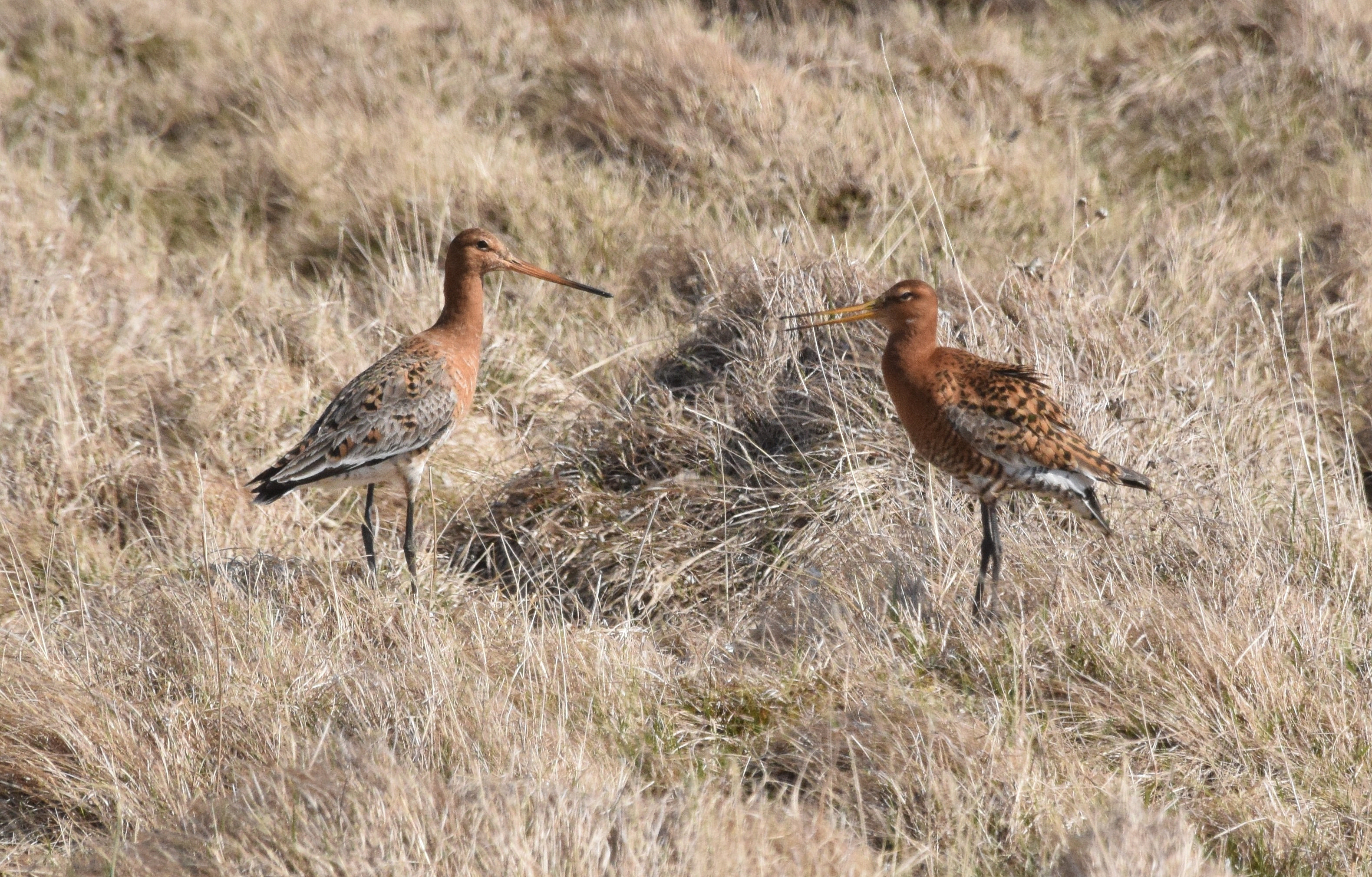
In addition to the breeding plumage aspect of this trip, the cause for evolution was further served by being able to witness the seasonal antics of birds I am more used to seeing at other times of year. Everywhere I trod the bird-scape seemed infused with amorous and procreative intent. The air was full of the various noisy calls of territorial Redshank, and the haunting sound of drumming Snipe. And at intervals breeding groups of Black-tailed Godwit, of which there is an Icelandic sub-species, would announce themselves in their rich summer colouration (pictured below). But those waders are all resident year round in Great Britain of course, so perhaps the most apt example was hearing the song post calls of male Redwing.
I based myself at the excellent Vogar Travel Service, a hostel and camp site close to Mývatn’s north-eastern shore. The shared, self-catering facilities here met my needs very well and there is an adequate supermarket in the nearby village of Reykjahlíð. Iceland is of course notoriously expensive due to it’s high economic level, but not as costly as visiting Norway. Having brought some of my own food and stocked up with perishables in Akureyri, I used the local store mainly for lunch-time sandwiches, that worked out at £7-ish a time. There is also a Pizzeria and fish and chip shop here at around £15 a meal.
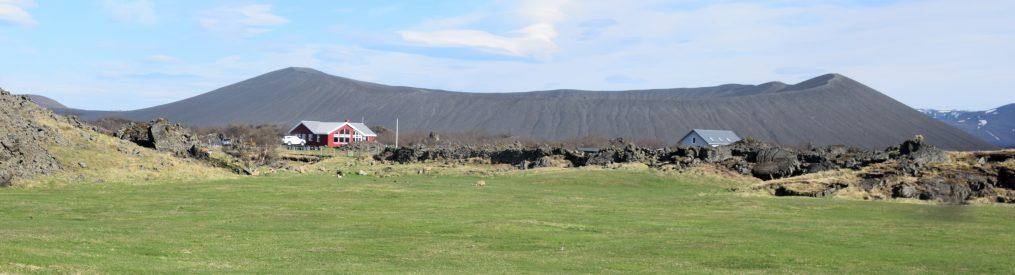
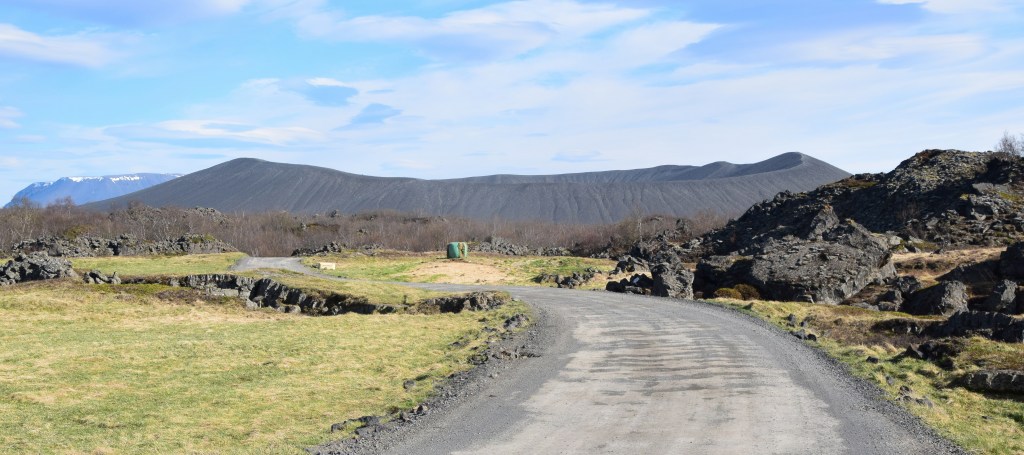
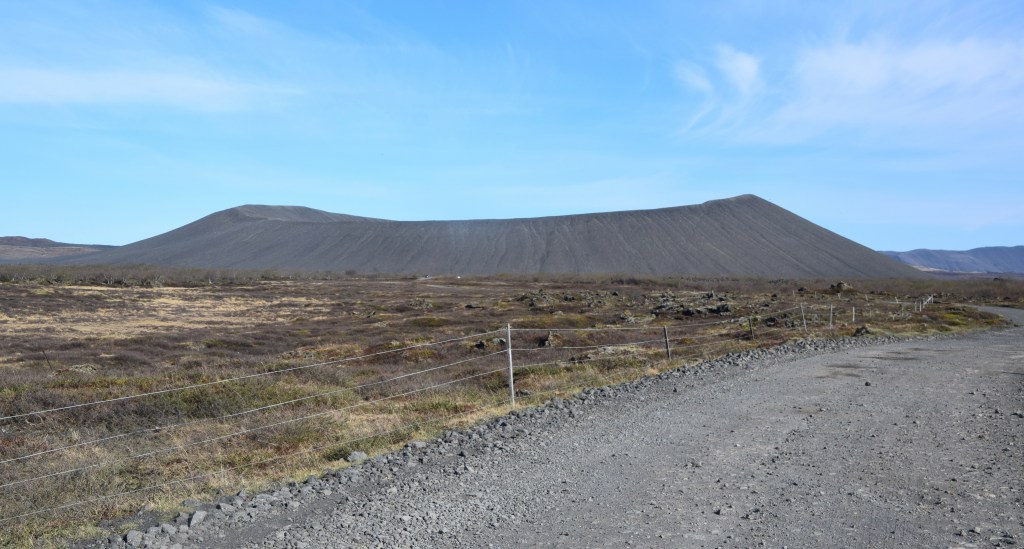
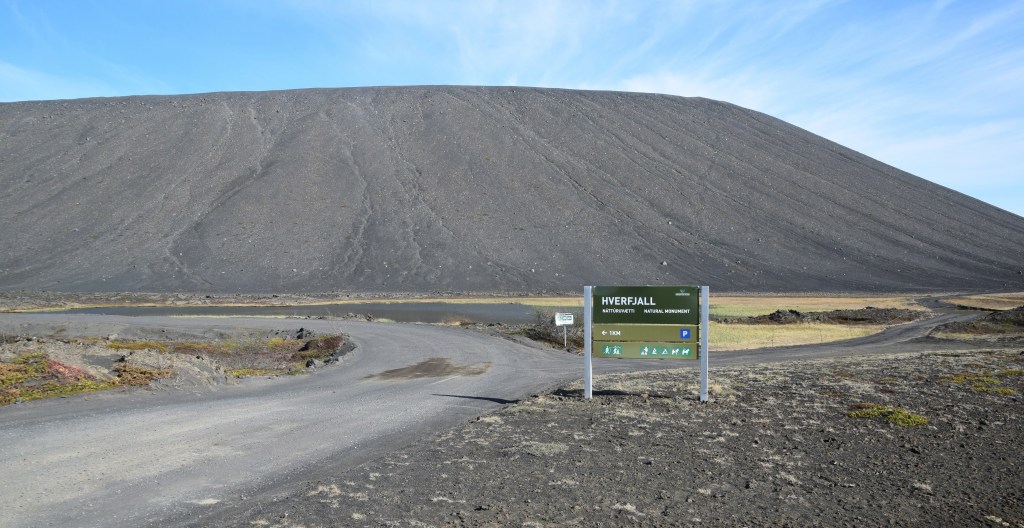
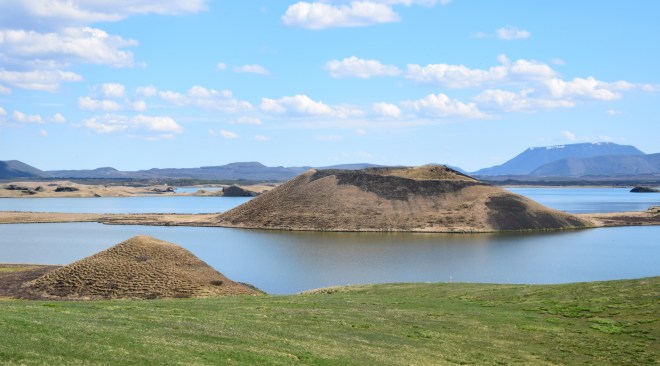
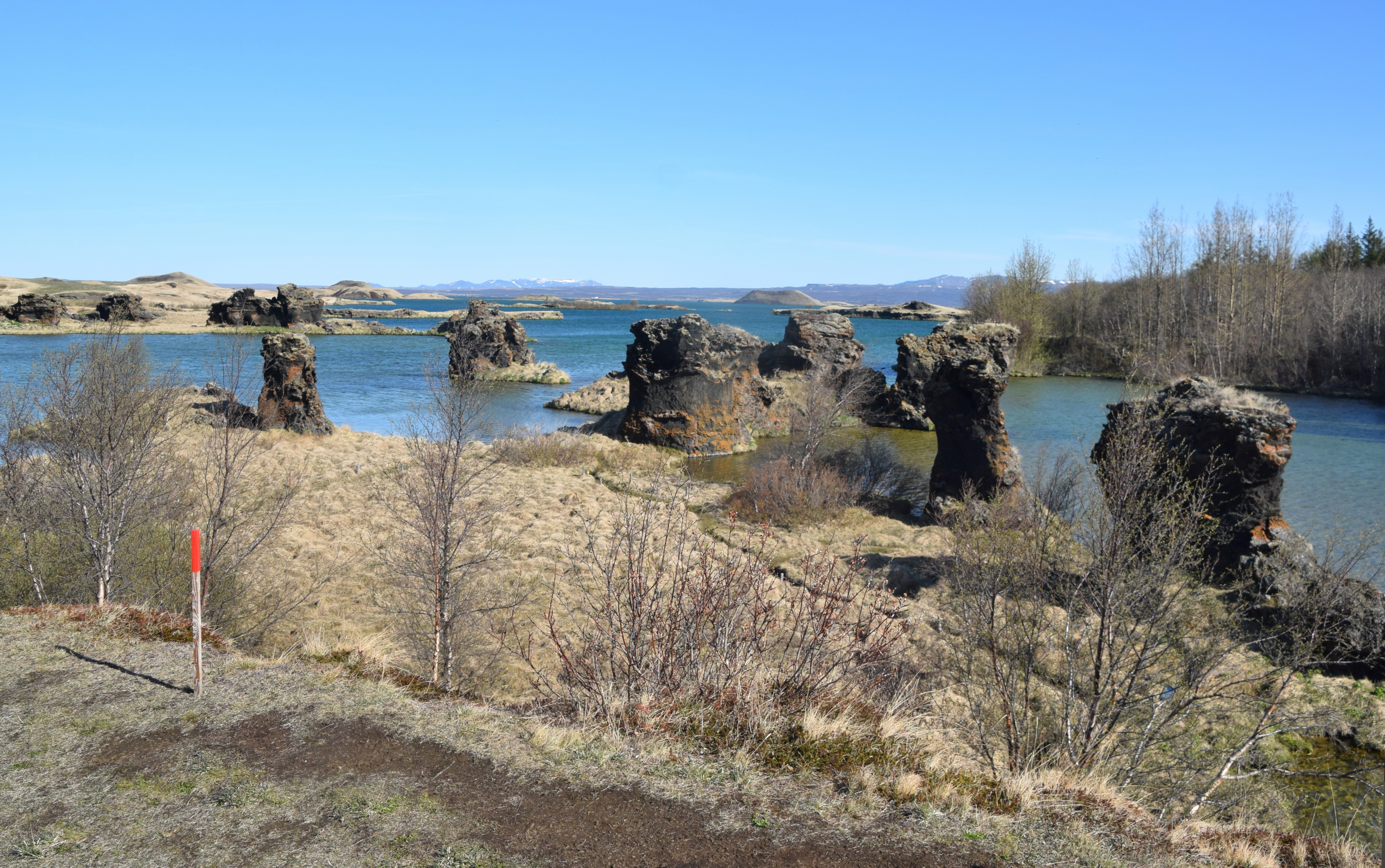
The locality is dominated by the brooding presence of Hverfjall (slide show below), one of the world’s largest high tephra explosion craters at 396 metres (1300 ft) in height and around a kilometre in diameter. In volcanology tephra means fragmented material of any size ejected during an eruption that settles on the ground. The imposing black ash cone of this natural wonder was created in a single, massive event dated to 2500 BC. Much of the surrounding area is also still covered in the same deposits. A hiking trail runs around the complete rim of this feature, but in the time available and being asthmatic I thought better of the steep climb.

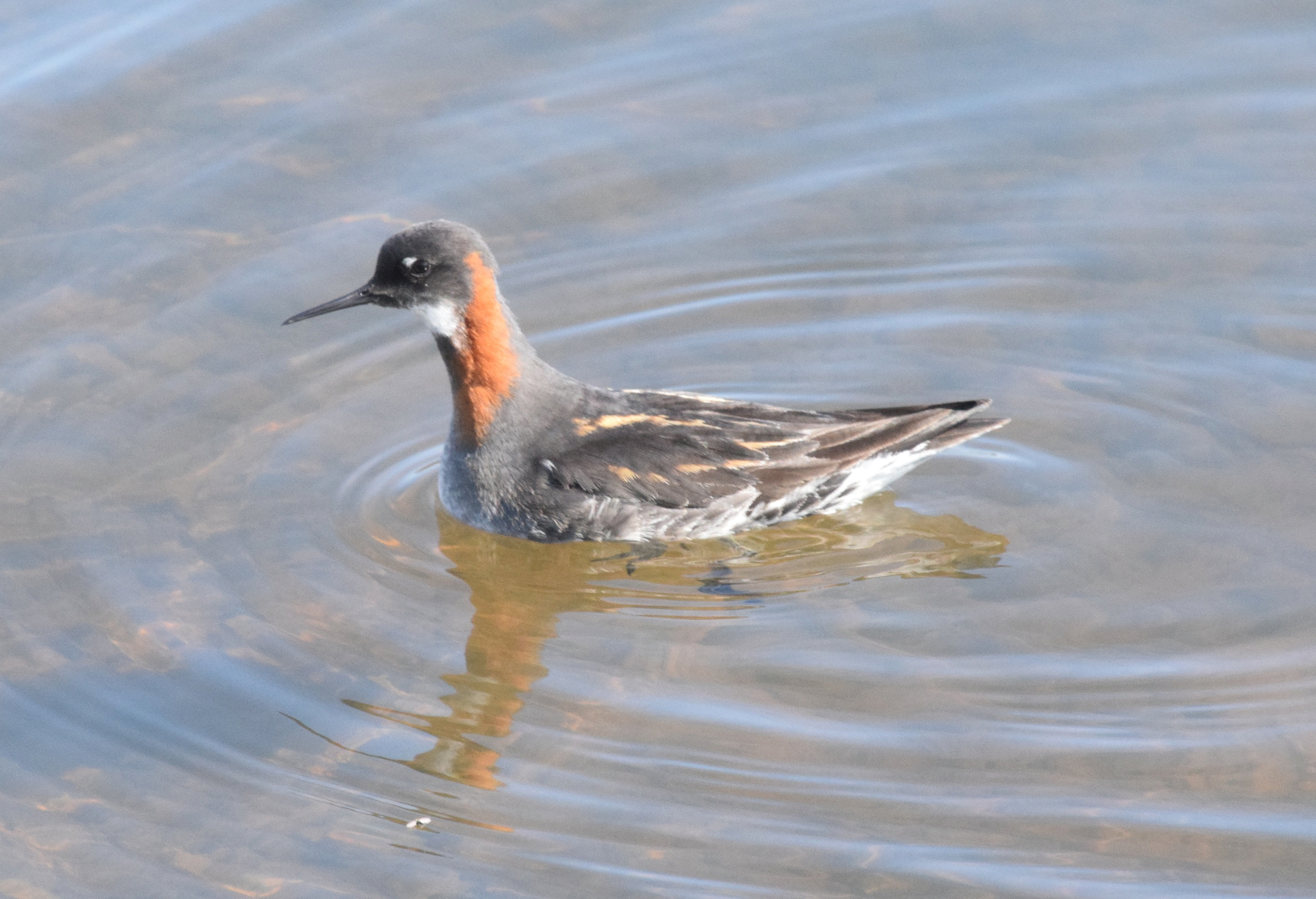
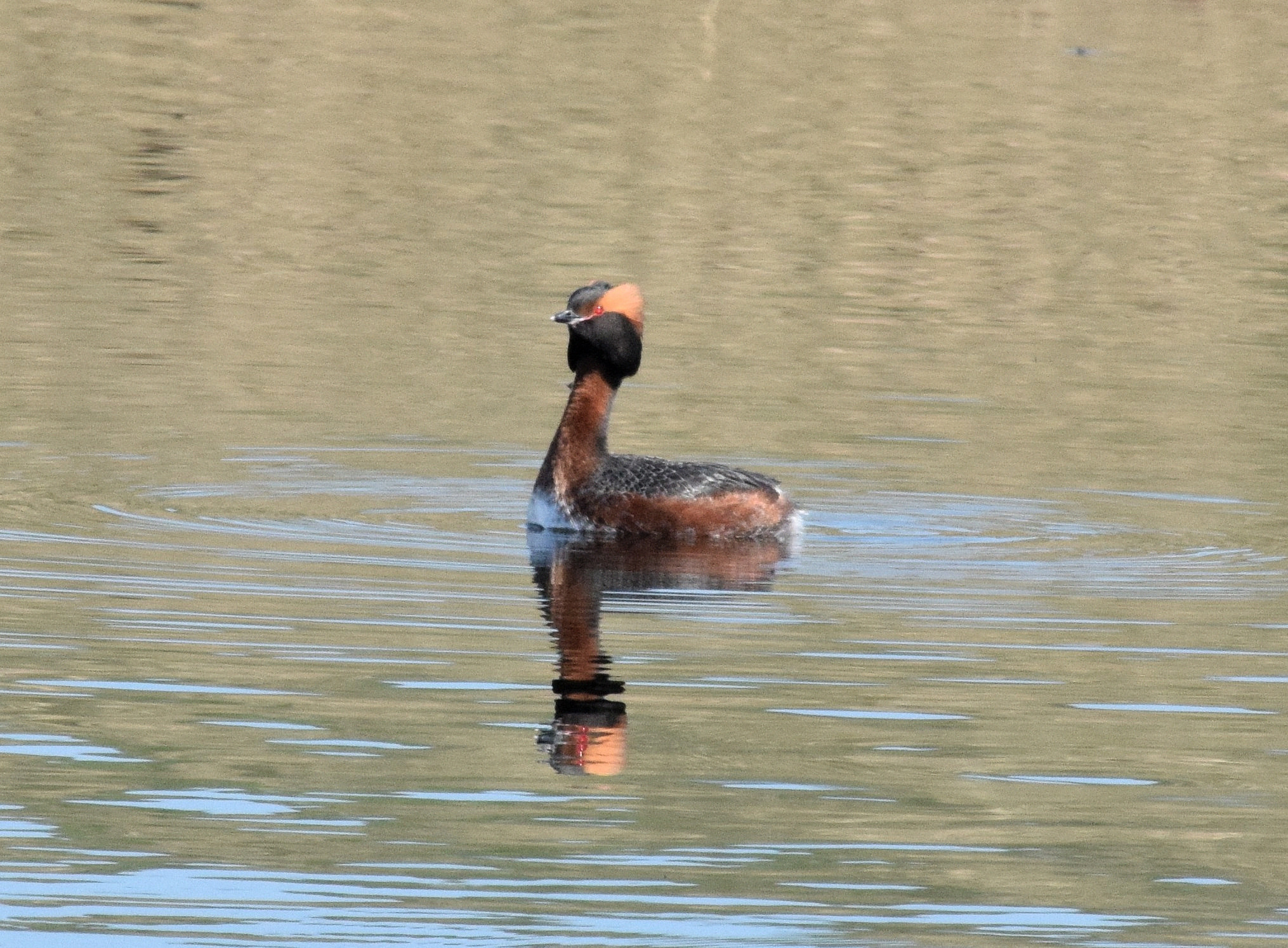
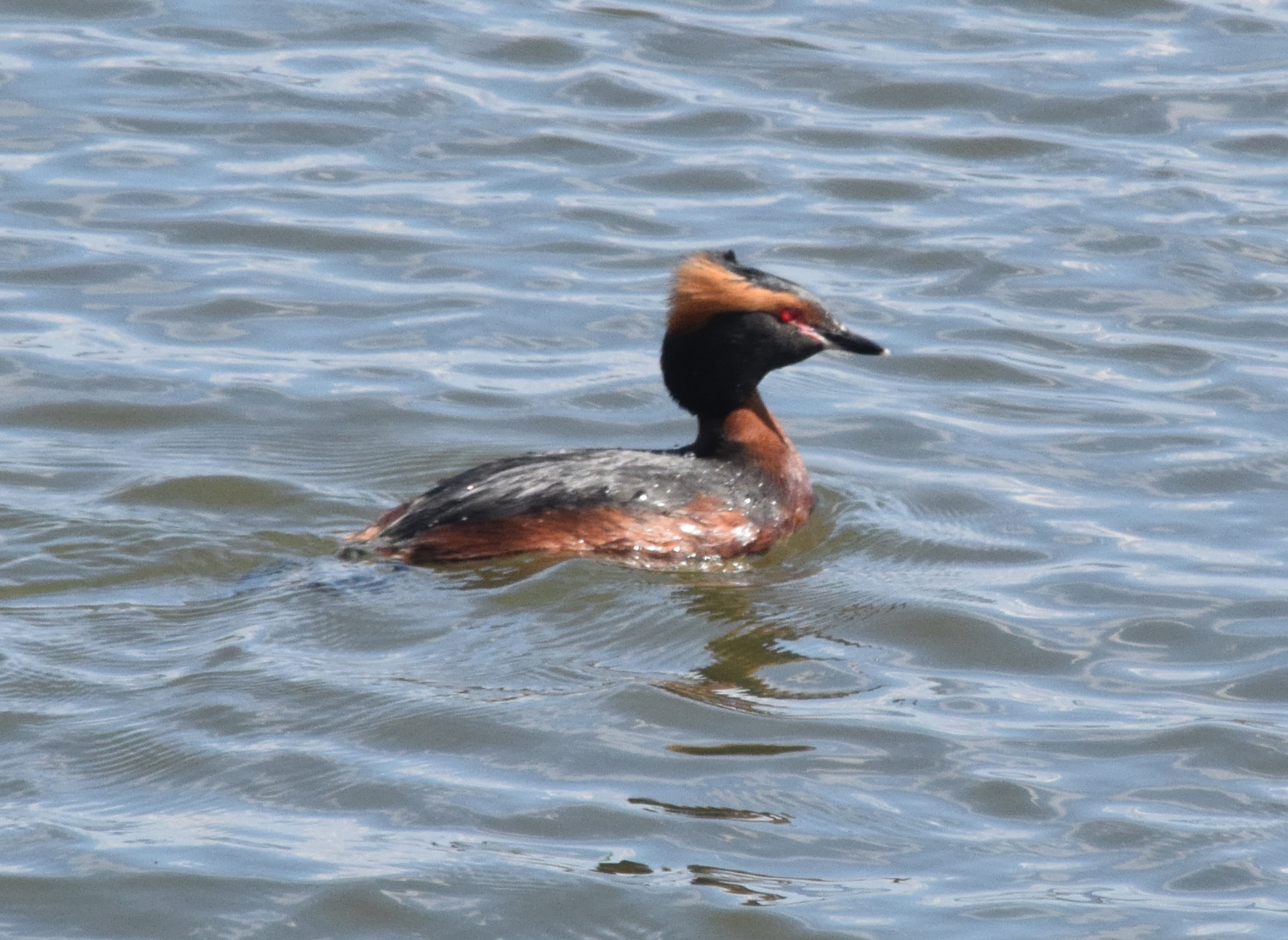
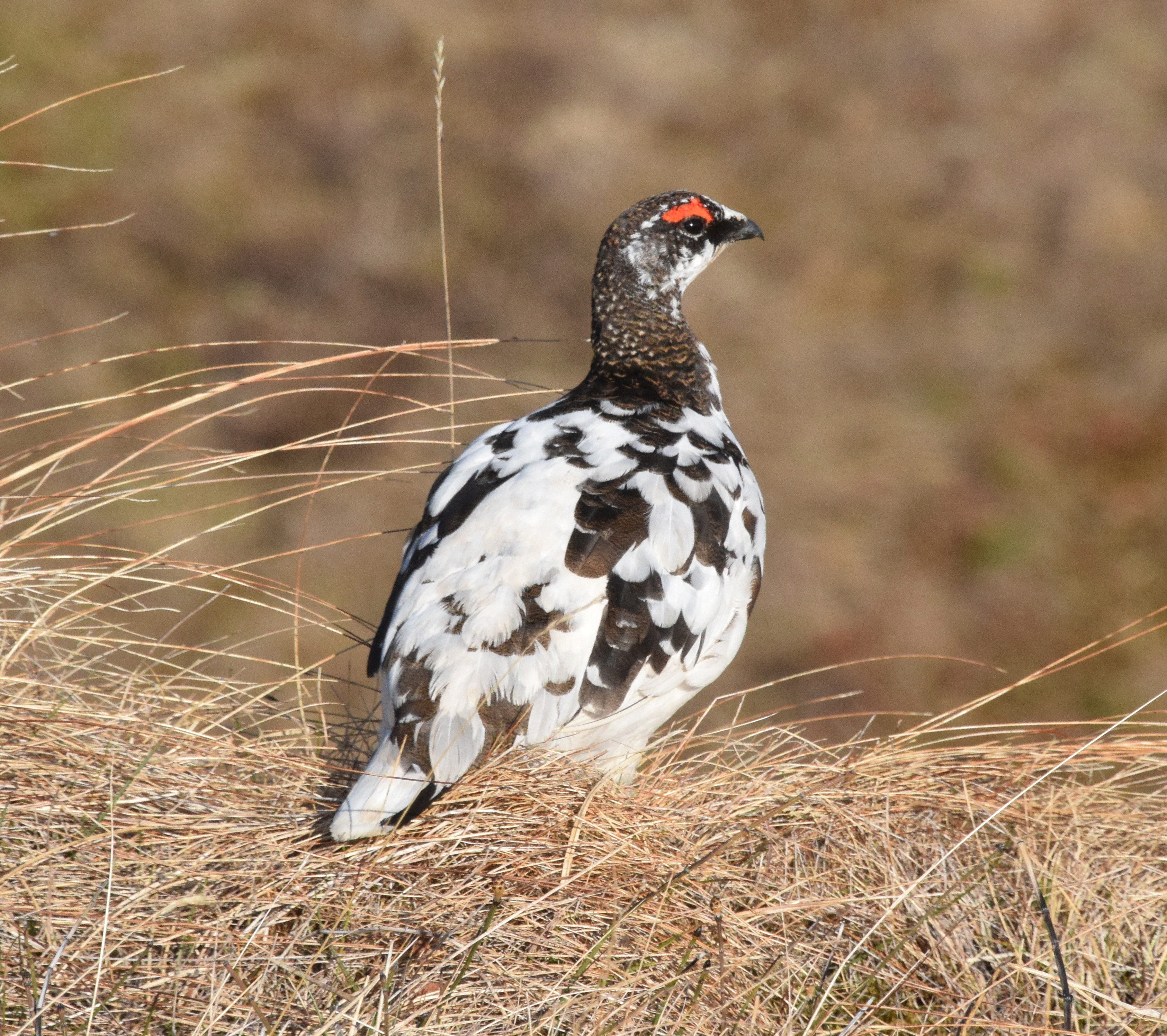
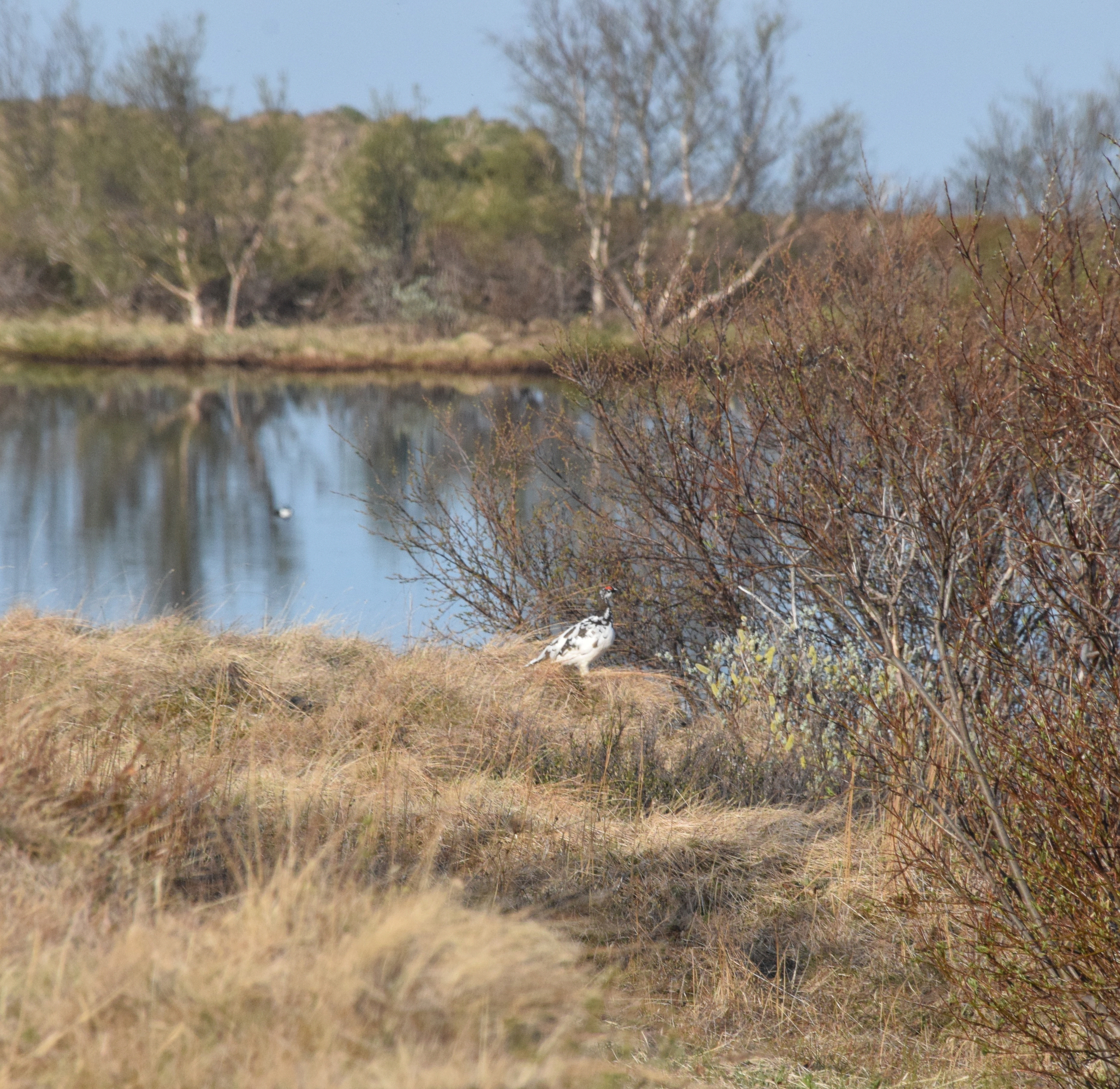
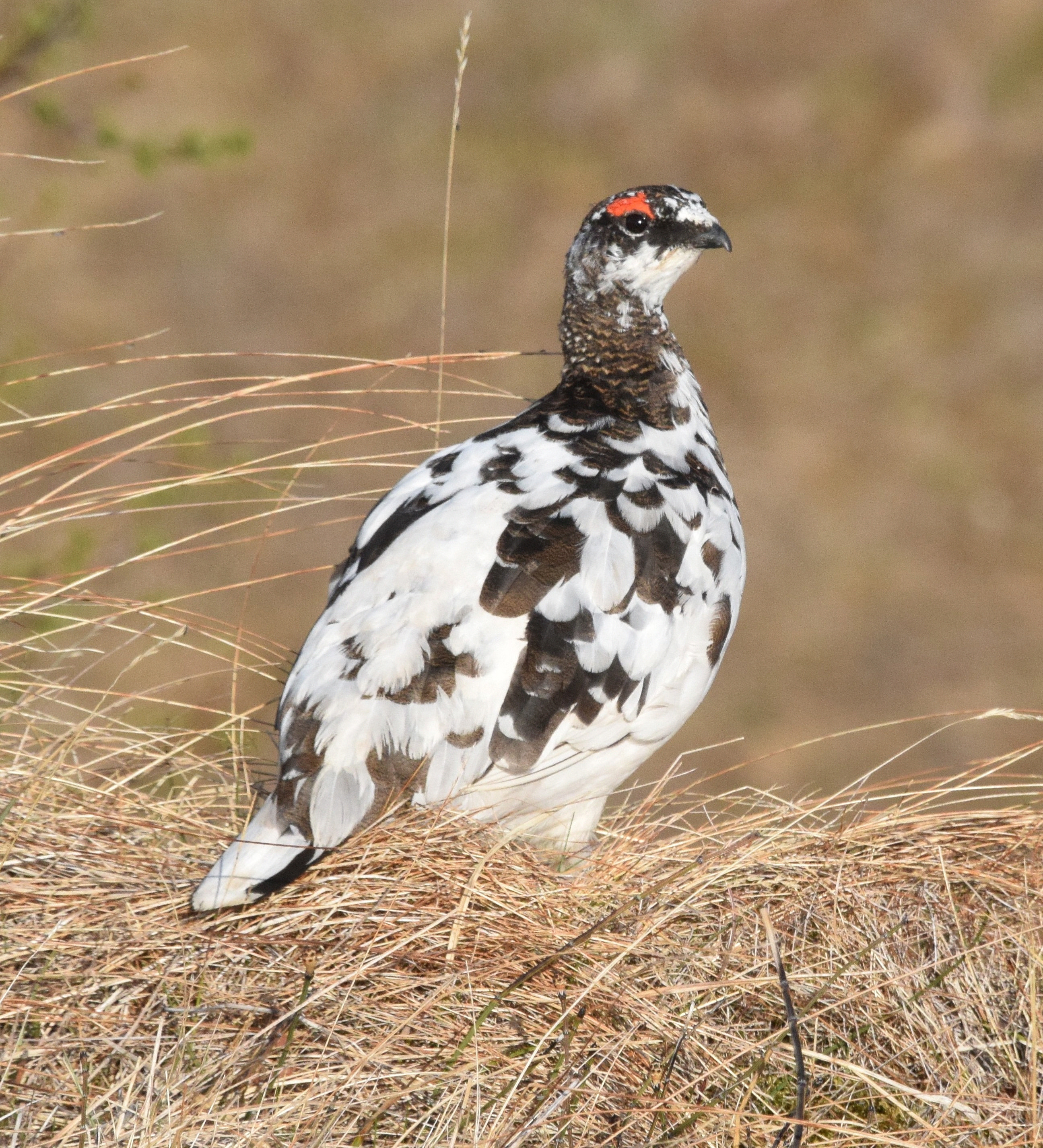
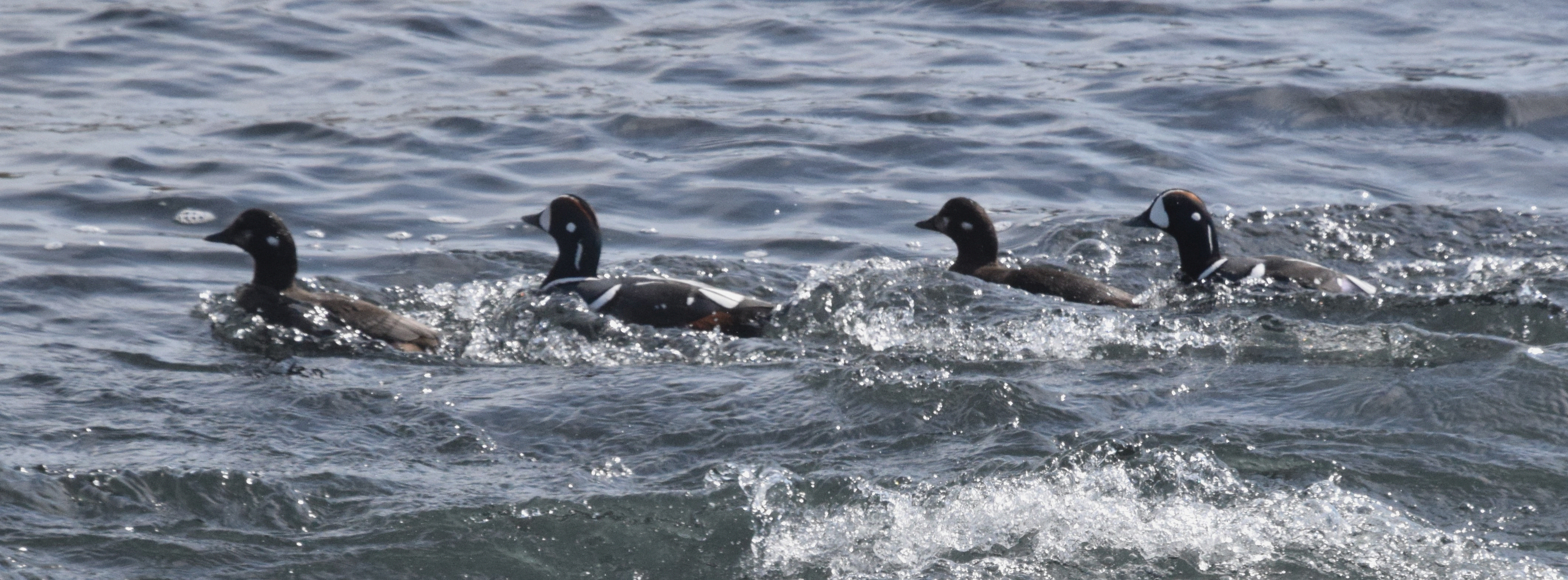
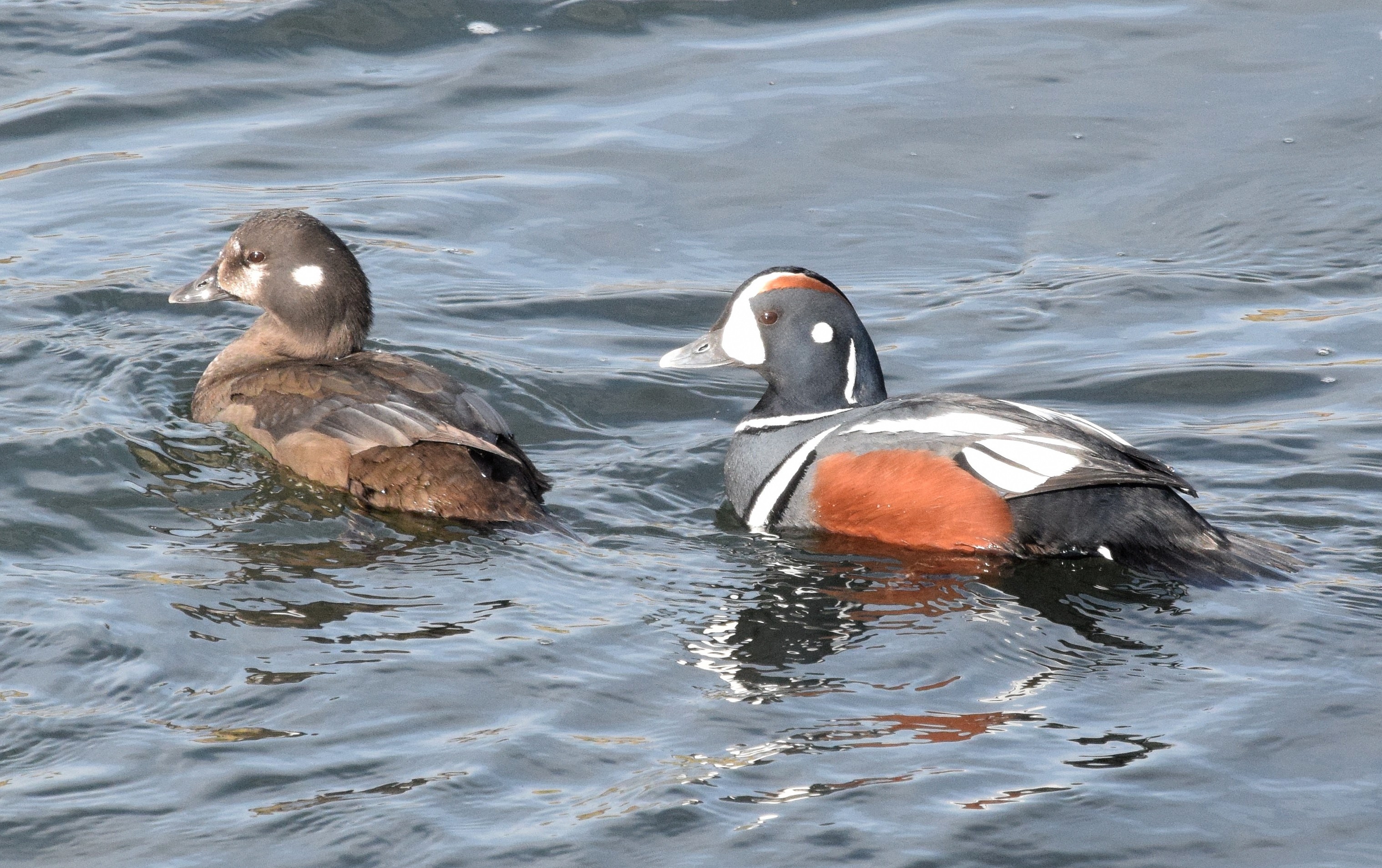
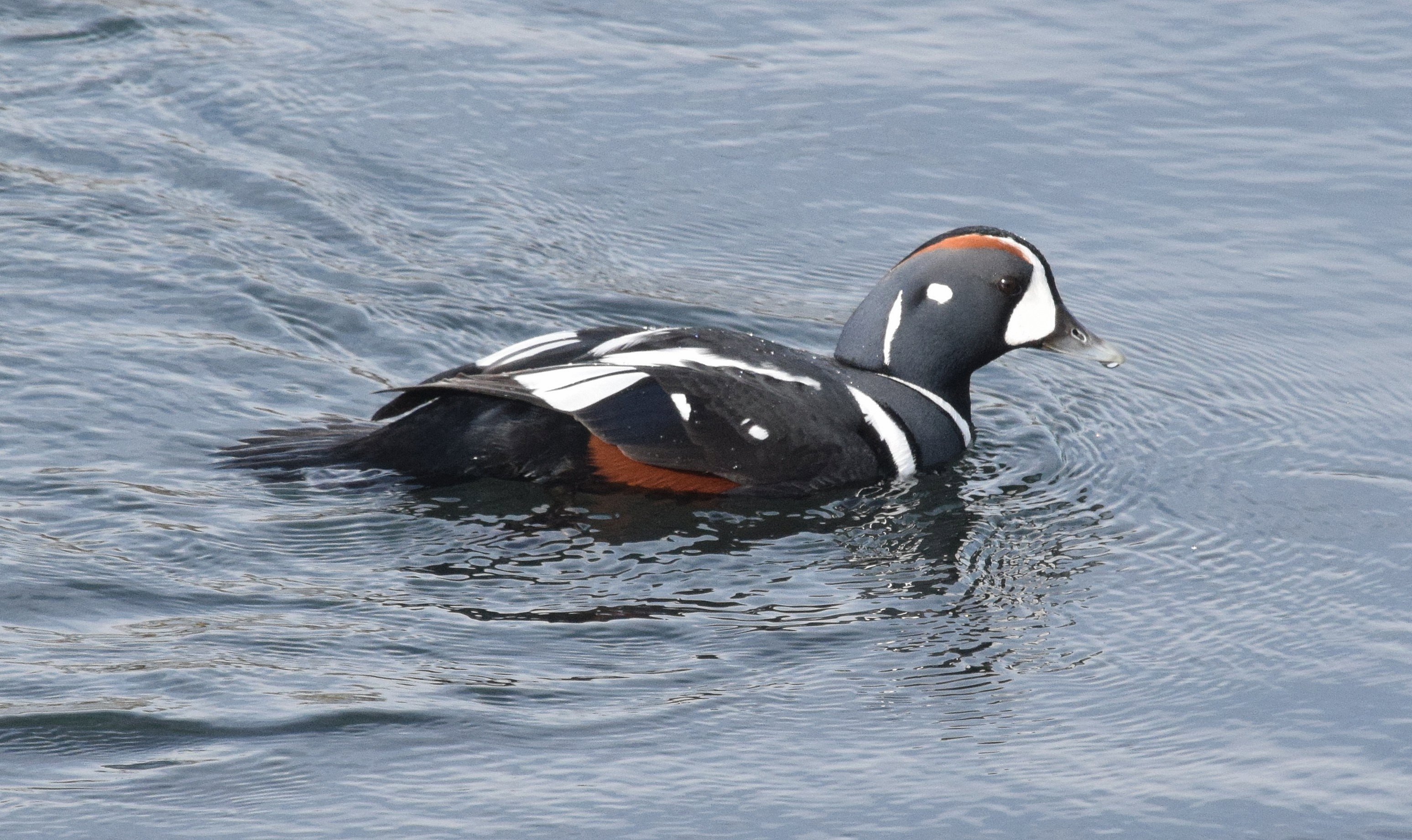
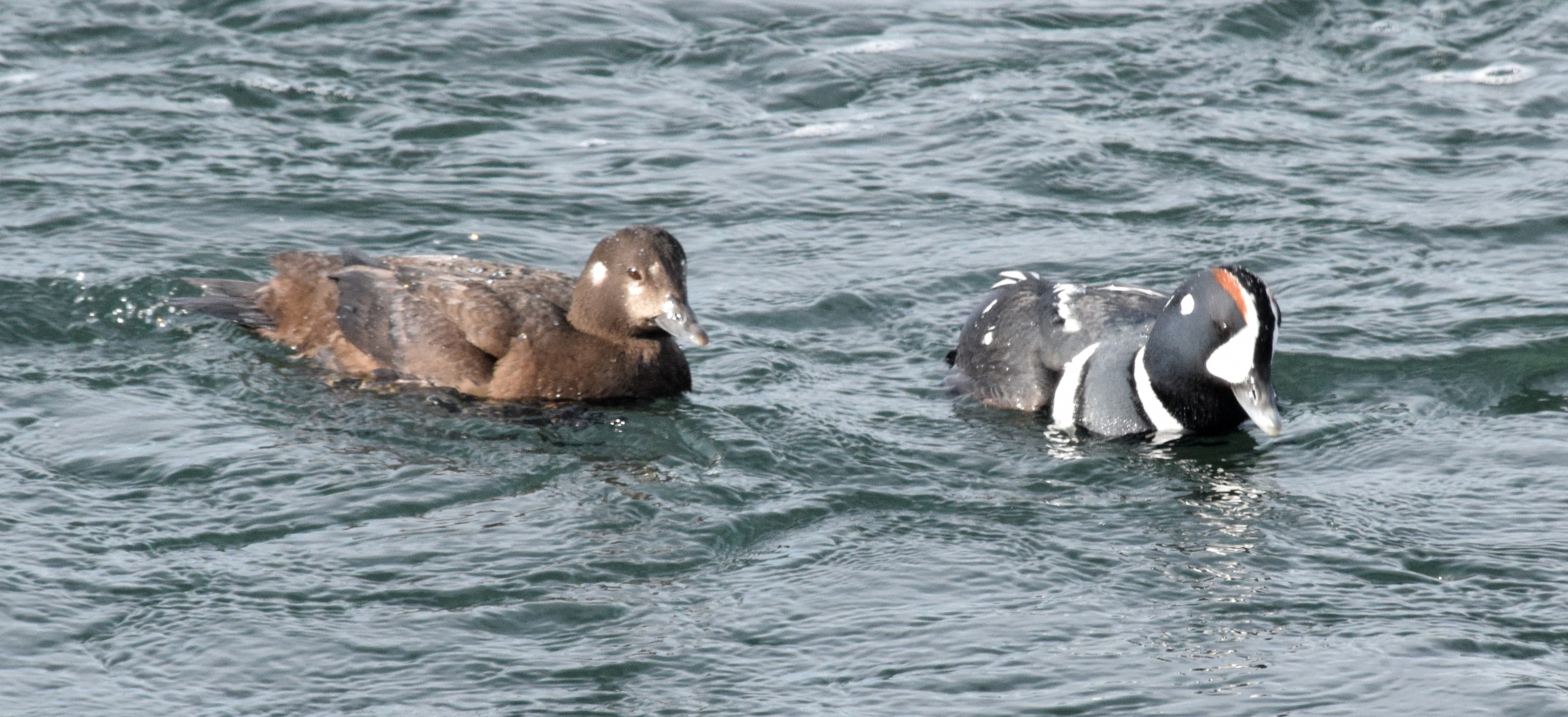
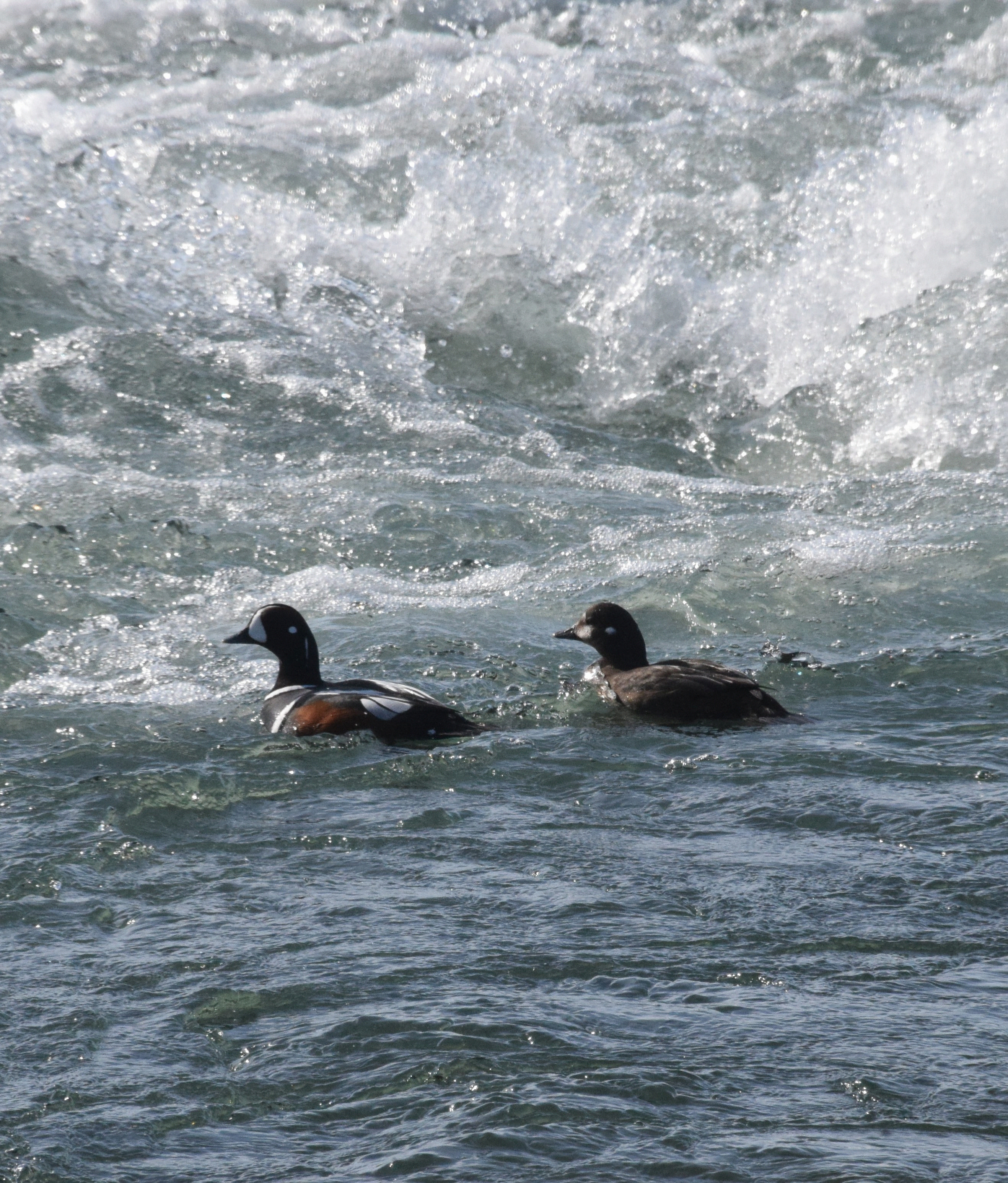
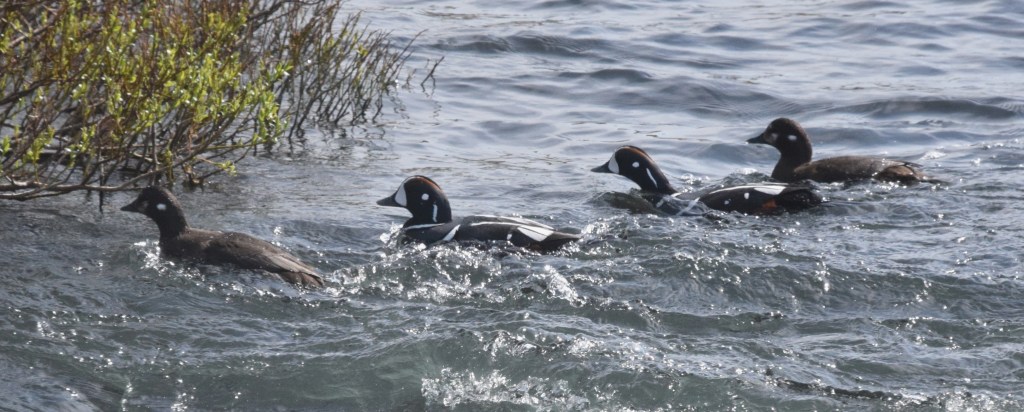
The species list for this trip, including birds seen only during my stop-over in Akureyri (in italics) on 12th, and impacted by having binoculars for just half the time, is: Red-throated Diver, Slavonian Grebe, Whooper Swan, Greylag Goose, Mallard, Wigeon, Shelduck, Scaup, Tufted Duck, Barrow’s Goldeneye*, Harlequin Duck*, Long-tailed Duck, Common Scoter, Common Eider, Red-breasted Merganser, Rock Ptarmigan*, Oystercatcher, Lapwing, Ringed Plover, Turnstone, Golden Plover, Snipe, Curlew, Whimbrel, Black-tailed Godwit, Redshank, Red-necked Phalarope, Arctic Skua, Great Black-backed Gull, Lesser Black-backed Gull, Black-headed Gull, Little Gull, Arctic Tern, Skylark, Meadow Pipit, White Wagtail, Magpie, Raven, Northern Wheatear, Redwing, Mistle Thrush, Fieldfare, Yellowhammer = 43 (lifers in bold)
NB If visiting Lake Mývatn be sure to use insect repellent on all exposed skin













 Ramblings and Scribblings