Siberian Stonechat at Titchfield Haven, Hants – 25th Oct

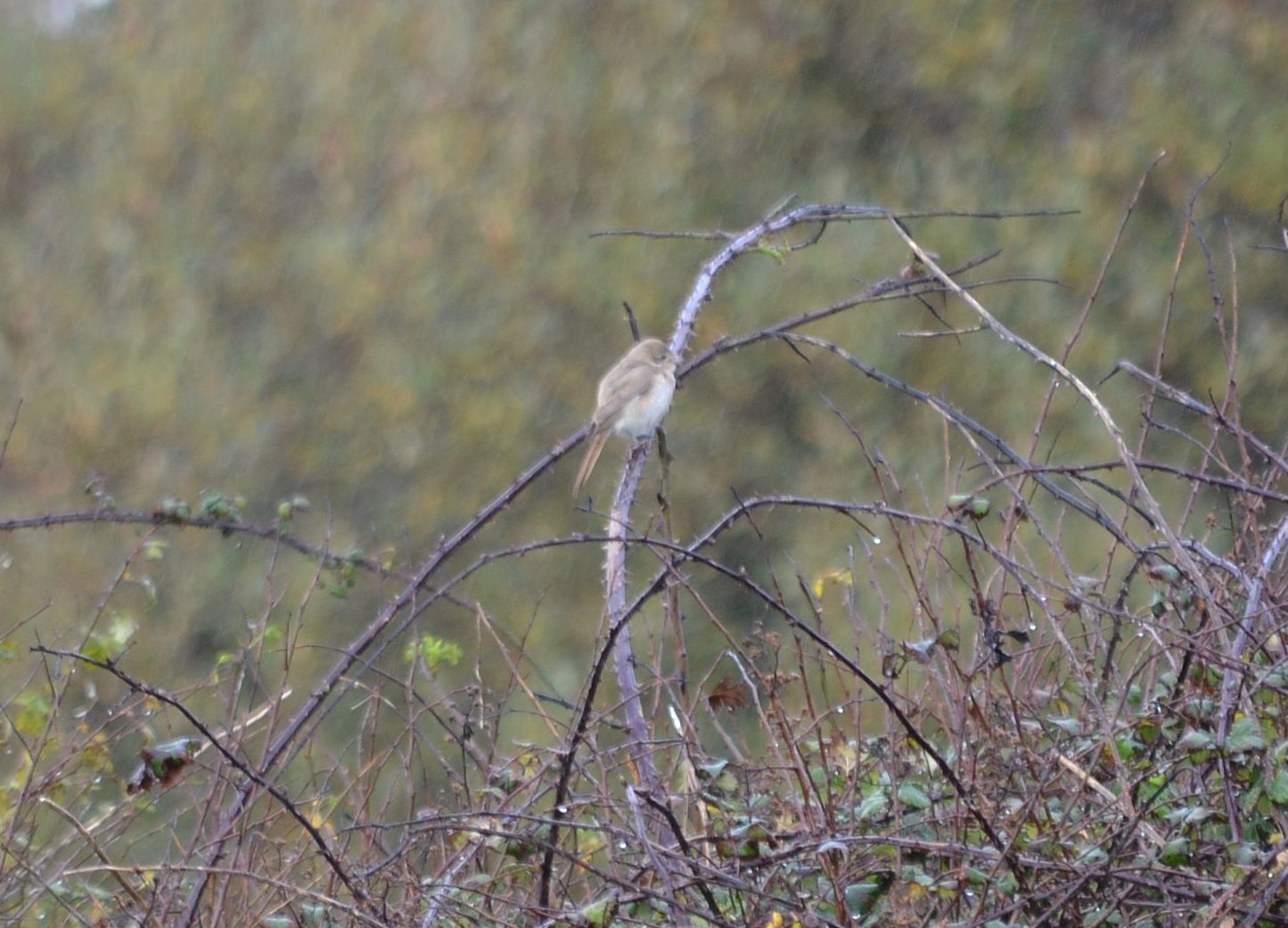
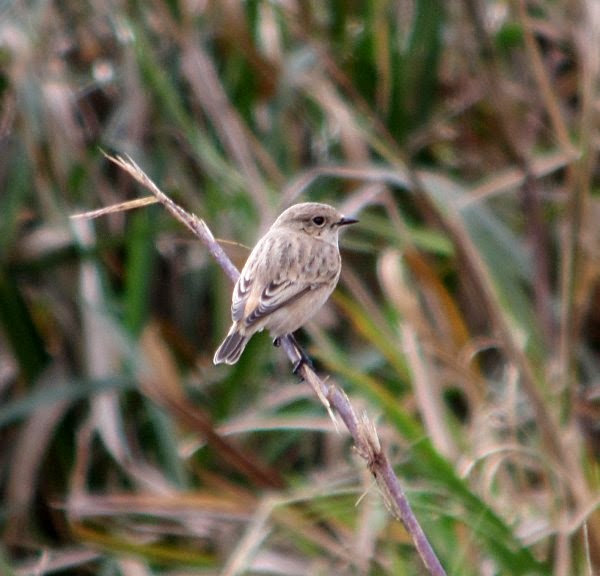
This was an easy spot. As soon as I arrived on site in the early afternoon, several people standing on the ramp to the new Meadow Hide were already on the bird. The immediate impression was of just how pale this recently separated species is, as Oxonbirder Gnome’s picture (below) from earlier in the week shows. The first-winter bird was moving around an area with a lot of straw-coloured vegetation, blending in with it’s background as it perched on one stem or another. Well, might as well add another one after reaching the all-important 300! A pair of regular Stonechat were active nearby for comparison.

Siberian Stonechat (c) Adam Hartley

Siberian Stonechat © Adam Hartley

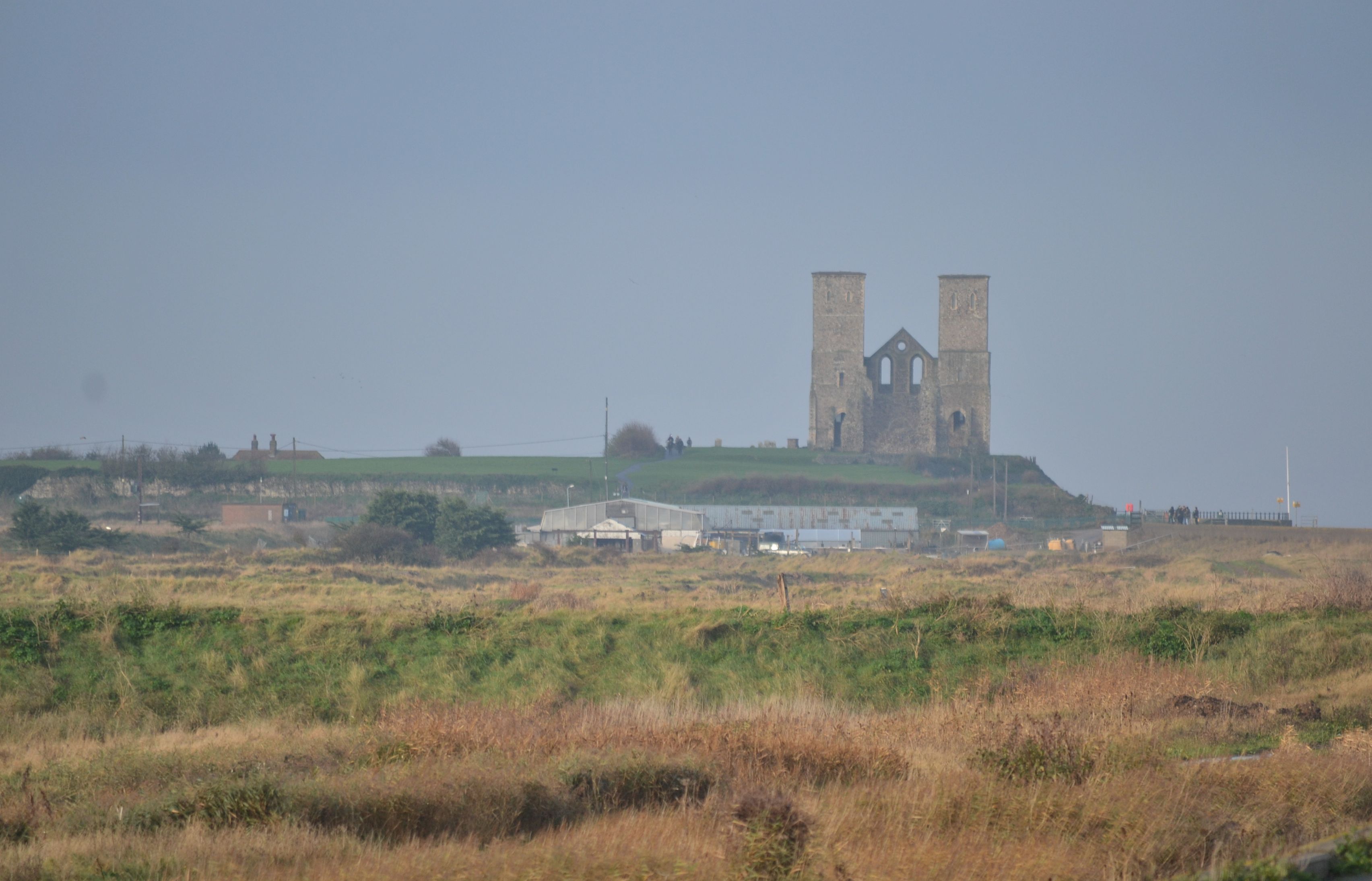
Titchfield Haven NNR, managed by Hampshire County Council, must be one of my favourite wildlife havens. It has a very pleasing ambience with little of the in-your-face populism that the RSPB’s professional fund raisers impose at their own comparative sites. Yes I appreciate that conservation charities rely in part on donation income and there is not much money in birders. But I just like going to nature reserves to observe wildlife and feel there must be a better way of conducting things than what has become the norm. This reserve achieves that balance and also holds fond memories of a March 2010 visit when I gained four British lifers. Those were Firecrest, Mediterranean and Yellow-legged Gulls, and also Velvet Scoter a little to the north on The Solent. Red-breasted Goose (Jan 2011) and Brown Shrike (Sep 2013) have been further life-list additions in this area of Hampshire.

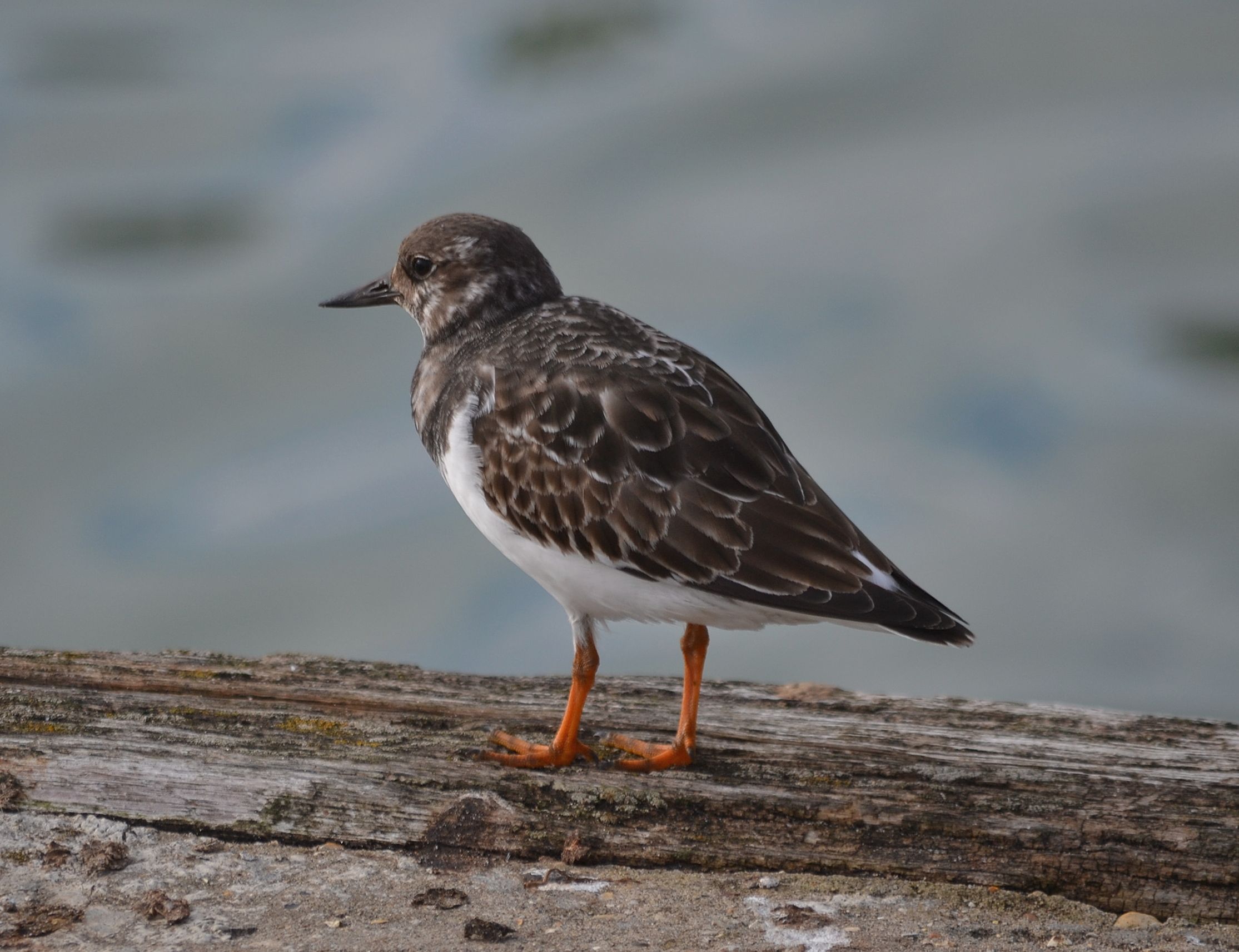
Turnstone

Turnstone

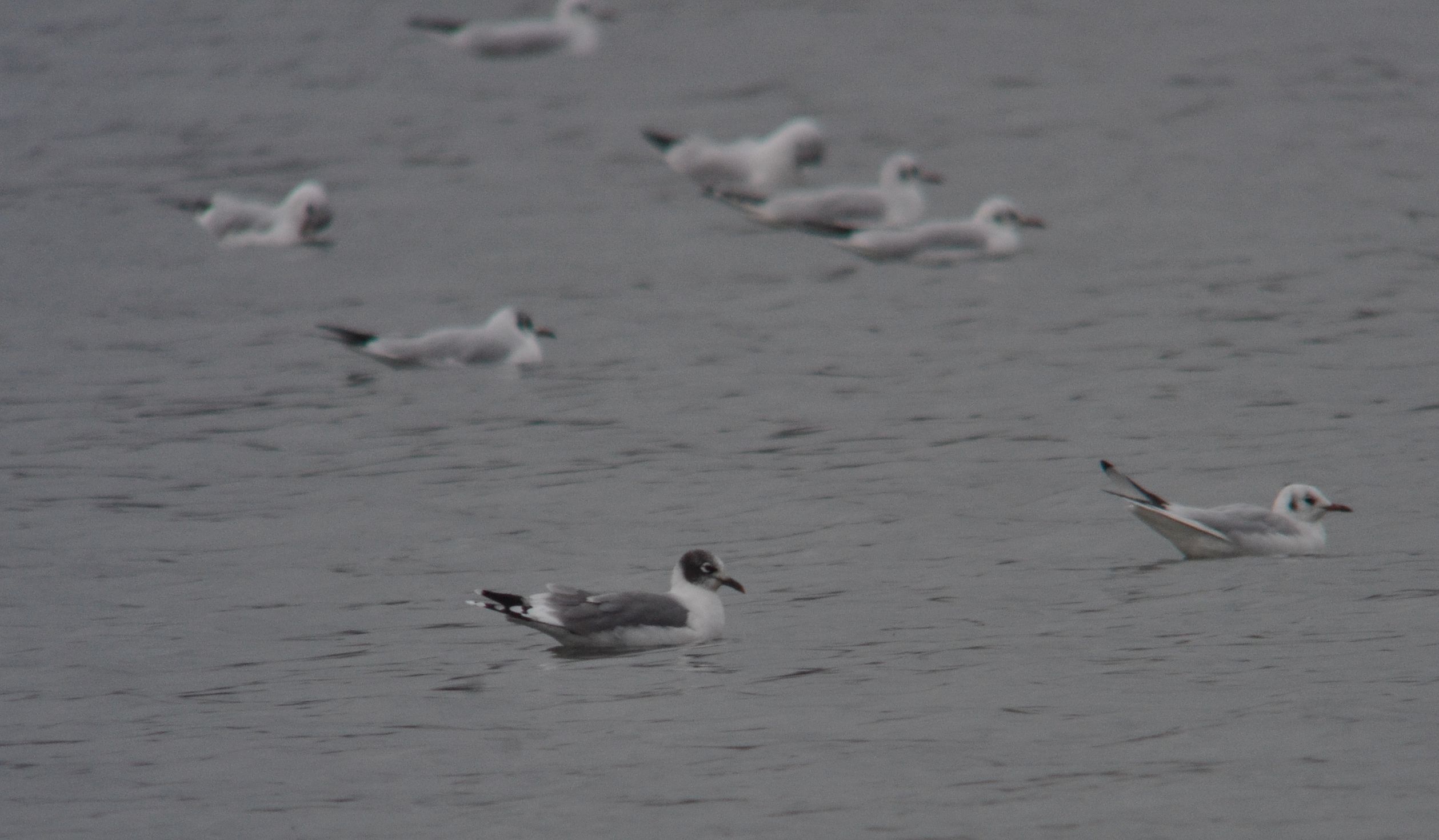
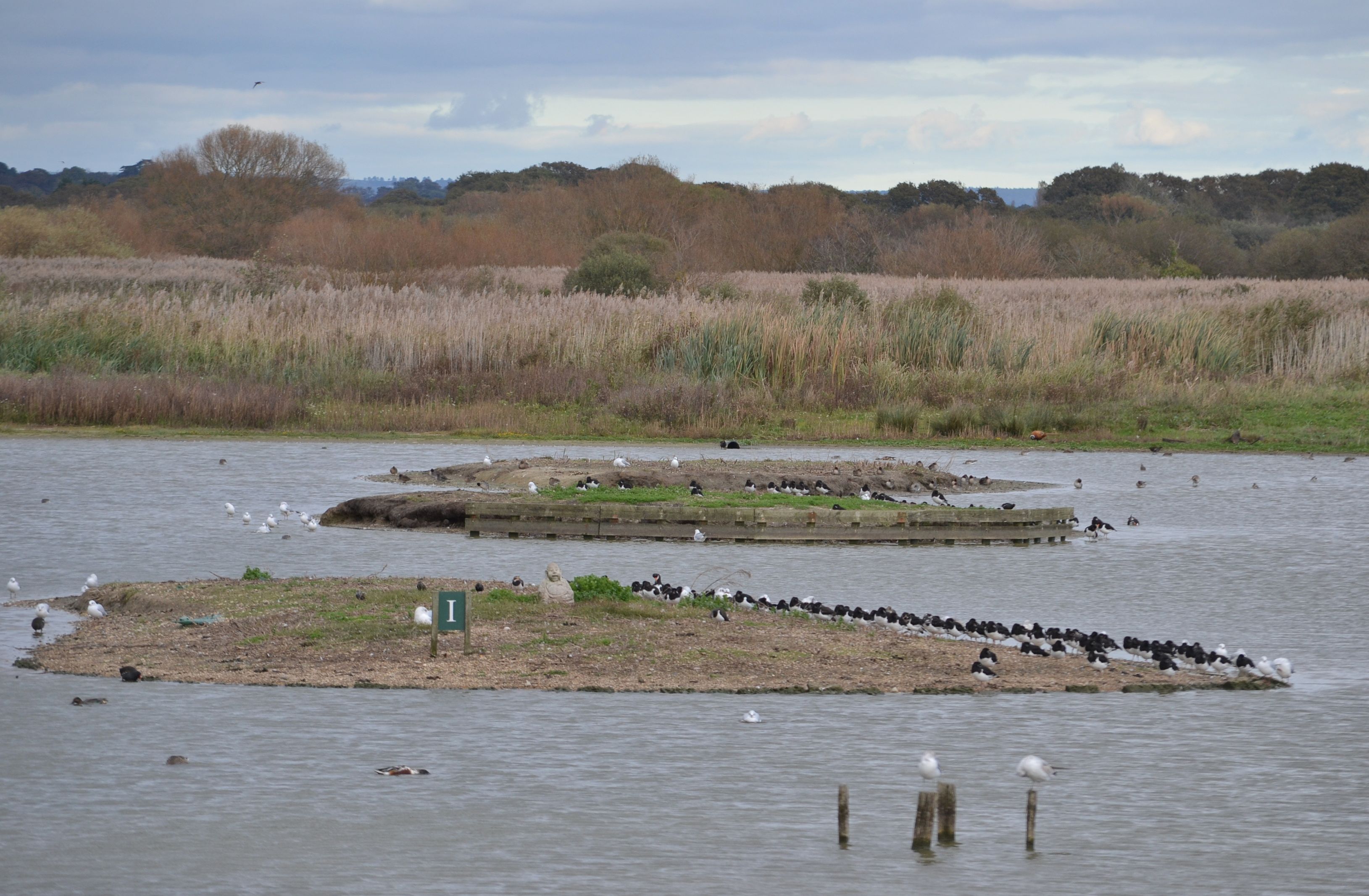
After seeing the Stonechat I wandered around for a while. It was high-tide and a small flock of Turnstone were roosting in the adjacent Hill Head Harbour. I was able to capture another common wader close-up (above) to add to those taken at Oxford’s Farmoor Reservoir earlier in the autumn. Then I enjoyed a scan around from the Meon Shore Hide (below), where a selection of gulls and waders were either feeding or roosting, before embarking on the 80-mile drive home. This had been a most excellent day.

titchfield haven.04

Red-breasted Flycatcher at Beachy Head, Suffolk: my 300th GB bird – 25th Oct

When I saw on Friday evening there was a Red-breasted Flycatcher at Beachy Head in Sussex it was an easy decision to  leave my end of season garden to the Scarlet Tiger larvae for at least another day. Not only was this bird a further passerine migrant to add to my autumn’s tally, but it was also a stonking adult male (see picture). There could be no more fitting candidate to take the landmark position on my British list.

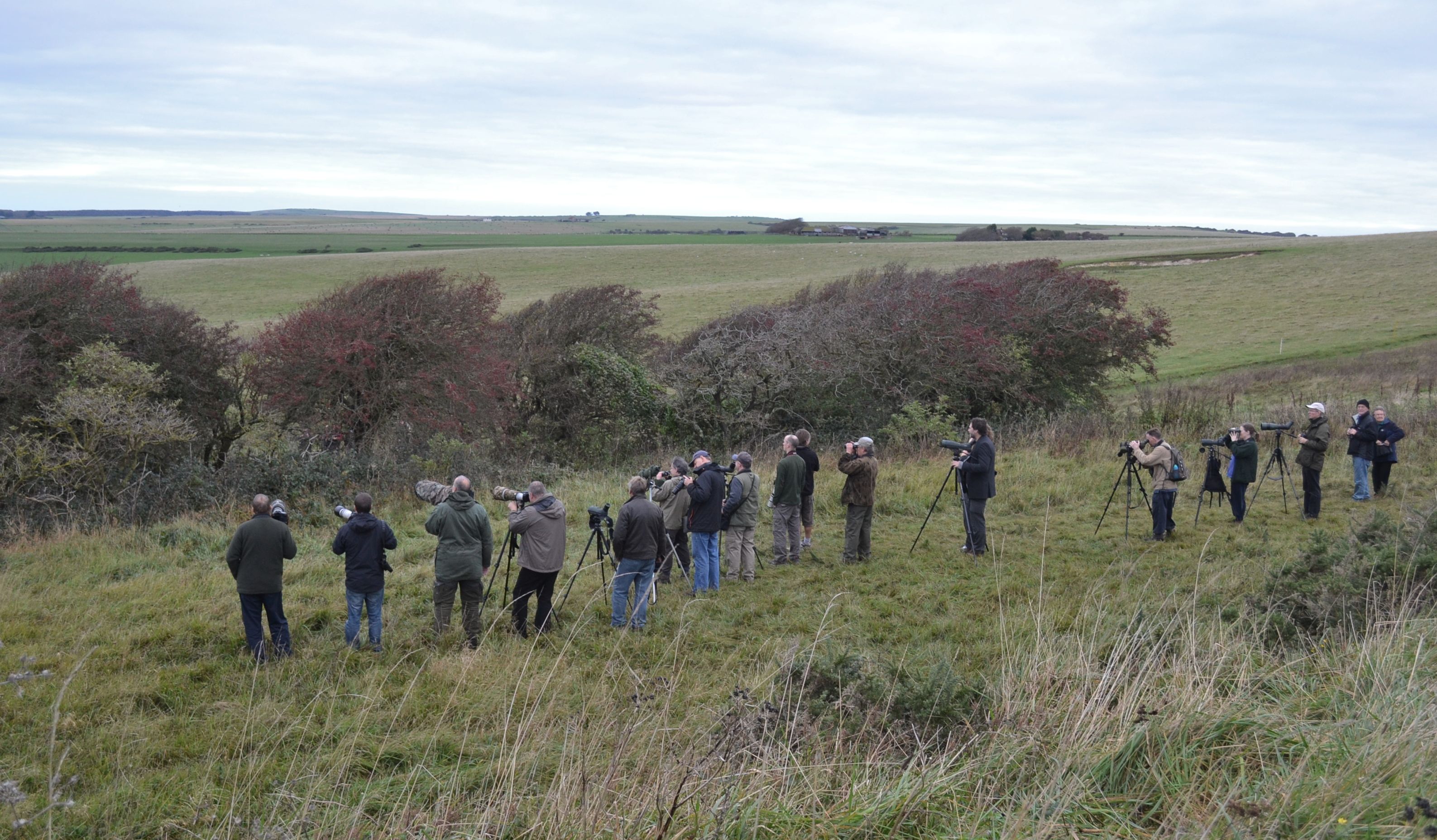
Putting the destination into my satnav I was surprised when the distance was only 126 miles. En route I nevertheless felt like an extra couple of hours’ sleep wouldn’t have gone amiss. Then approaching Beachy Head signs about road closures from 9am because of a local marathon added a sense of anxiety. It was therefore a relief to find about 25 birders already at the stated location at 8:30am (below), staking out a hawthorn thicket right beside a roadside car park. I hurried to join them and got a first view of the bird within 10 minutes. Then two people close by said there was a Robin chasing the flycatcher around.

rbf twitch

Though confident of what I had seen, that piece of dialogue meant a second view would be desirable to remove all doubt. About 30 minutes later the flycatcher began to appear more boldly, moving around the hawthorn bushes and flicking its black and white tail feathers, so that all present saw it clearly. A Robin it most certainly was not, though I did eventually observe the annoying local interloper as well.

At one point a chaplain in a high-vis 4WD stopped to see what was going on. He apparently has a role here spotting potential suicides and stopping them from jumping off the cliffs. Just as well I had seen the bird then! A few birders rushed for the pay and display machines thinking he was a parking attendant. Then two rather loud gentlemen arrived with a stock of twitching stories that anyone willing to listen was welcome to hear. When one of them began to quiz a big lens photographer about mega pixels, my thoughts turned away from getting record shots of my own. And so, mindful of the impending marathon I moved on.

Marshals and spectators were indeed beginning to congregate now but I soon left the race route behind. Sussex and the scenically beautiful South Downs is an area I barely know, so with mission accomplished so early in the day I hoped for a pleasant 70-mile drive west to Titchfield Haven on The Solent, where the day’s second lifer awaited. In the event Saturday morning congestion along the A27 rather took the edge off things, but having realised Sussex is so close by the direct route this is certainly a county I will re-visit in the future.

I made that drive with a great sense of satisfaction at having reached my British 300 birds. Also Red-breasted Flycatcher is a species that most seasoned birders will have and one that I’ve wanted to see for a long time. I suppose the next landmark must be to get my pan-European life-list to 400. That total, which includes the British list, currently stands at 373.

Lesser Grey Shrike at Hollesley Marsh, Suffolk – 7th Sep

When I checked RBA on Saturday evening and saw there was a new Lesser Grey Shrike just north of Ipswich, it was an easy decision to go for it. This species was not only on my south Europe wish list (ie birds missed so far) but I had dipped on it a year ago in this same area of Suffolk. On that occasion a long-staying LGS had decided to leave on the day I chose to visit, setting off a run of negative twitching results that persisted for the rest of 2013. Sod’s law owed me a pay-back today!

Hollesley Marsh is a RSPB-managed area of coastal grazing marsh at the southern end of Orford Haven. I arrived at 8am and while getting ready a local birder from Ipswich parked behind me. We walked along the sea wall to where the Shrike had been performing for an audience on the previous day. Two more birders, who had been there for 50 minutes already, said there was no sign of it. More people soon arrived and I lingered for about an hour. The consensus was that the bird could have relocated to the nearby village of Shingle Street where there had been a past record, so I went for a look around there.

This location struck me as a very good migration fall point. Small birds were buzzing around everywhere and I came across some more locals who were on a Pied Flycatcher. So I got to see the area’s second most interesting visitor of the day. Then someone’s pager went off: the Shrike was back on its patch just up the road.

Returning to my start point I walked quickly out along the sea wall to tick this important lifer. The bird was now atop a bramble bush across a creek from where it had been on Saturday, and several birders were close to it. I then walked around to join them to be greeted by: “You should have stayed where you were, it’s over that side now.” Never mind, I had seen it and from this position the diagnostic features could be identified. After a rest I walked back round to the first spot again and guess what, the bird had returned to its favoured perch.

That was enough chasing: I stayed where I was and waited for it to relocate again. News having gone out on RBA, many more birders were arriving on either side of the creek. The Shrike, a female was now in a good light and the diagnostic features could be seen more clearly still as she hunted from her perch and assembled her larder. When she crossed over again I followed three guys who had seen where she landed, and we edged ever closer taking pictures all the while. I was careful to keep just behind the lead birder, and when he eventually put the bird up (oh yes he did, not me!) I even got a grainy flight shot.

Mission accomplished. Most of the birders on the marsh were working the Suffolk coast, but I had seen what I came for and so headed home. I feel on a roll now, with two much sought lifers in successive weekends. And this bird has not been reported again on 8th or 9th September, so sod’s law has indeed given me a payback.

No plaudits for photography today, but these pictures relate the experience:

Subalpine Warbler at Felixstowe, Suffolk – 31st Aug

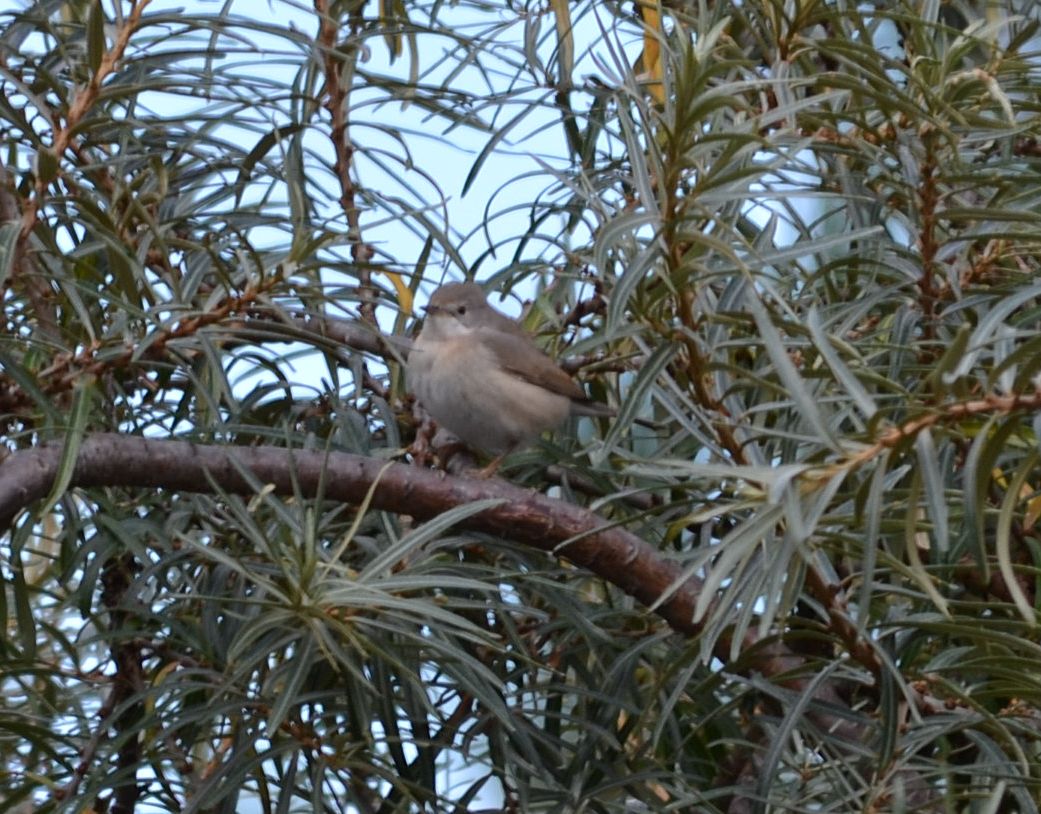
Having gone to see Willow Emerald damselflies at Maldon, Essex I was within easy reach of a much-sought bird lifer. Why so important? Because Subalpine Warbler had eluded me to date in southern Europe and I have figured there’s a much better chance of seeing one on passage in the UK with knowledgeable twitchers for company. An exchange of texts with Oxonbirders Andy Last and Ewan Urquhart confirmed that a female of the species was still present close by the Port of Felixstowe’s customs house. This was just under 50 miles from Maldon, so onwards I drove.

Just upon reaching Felixstowe town centre at around 1pm my text alert jingle sounded in the car. “This’ll be Andy telling me the bird has flown off,” I thought. In the event not such bad news, but it hadn’t been seen for a couple of hours. On arrival in the road that leads past the customs house to Landguard nature reserve, I found  a group of 20 or so mostly local birders patiently watching a dense wall of vegetation. “A typical warbler twitch,” I mused. Memories of dipping on Radde’s and Hume’s Yellow-browed sprang to mind.

This was a good friendly twitch though, and I set up my chair and waited. Eventually people began to drift away but after around 100  minutes a shout went up from the customs house gate. The bird had been relocated and proceeded to reward its audience with cracking views. A customs officer appeared to remind everyone that: “This is a secure area and we are on our highest state of alert today, so please don’t go further inside.” Not likely with the bird performing so well right in front of us. He had his bins with him and said it was a lifer for him as well. Nice man.

Mission accomplished, as a text to Andy and Ewan confirmed. So it was on to my sister’s near Colchester for a cuppa and chinwag, then home enjoying the warm glow of a successful double twitch (damselfly and bird). A nice day out.

Female Subalpine Warbler (eastern race)

Female Subalpine Warbler (eastern race)